
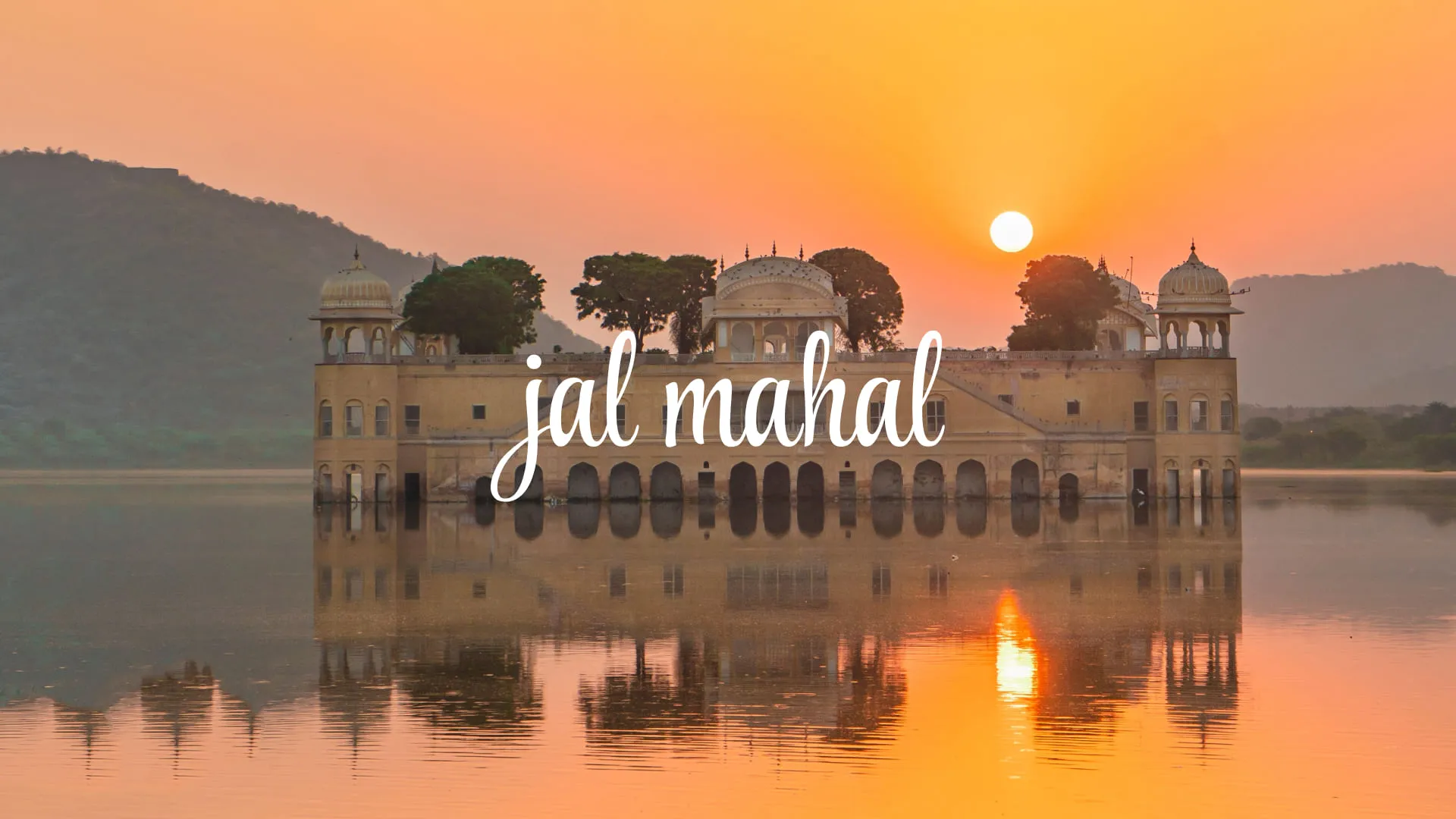
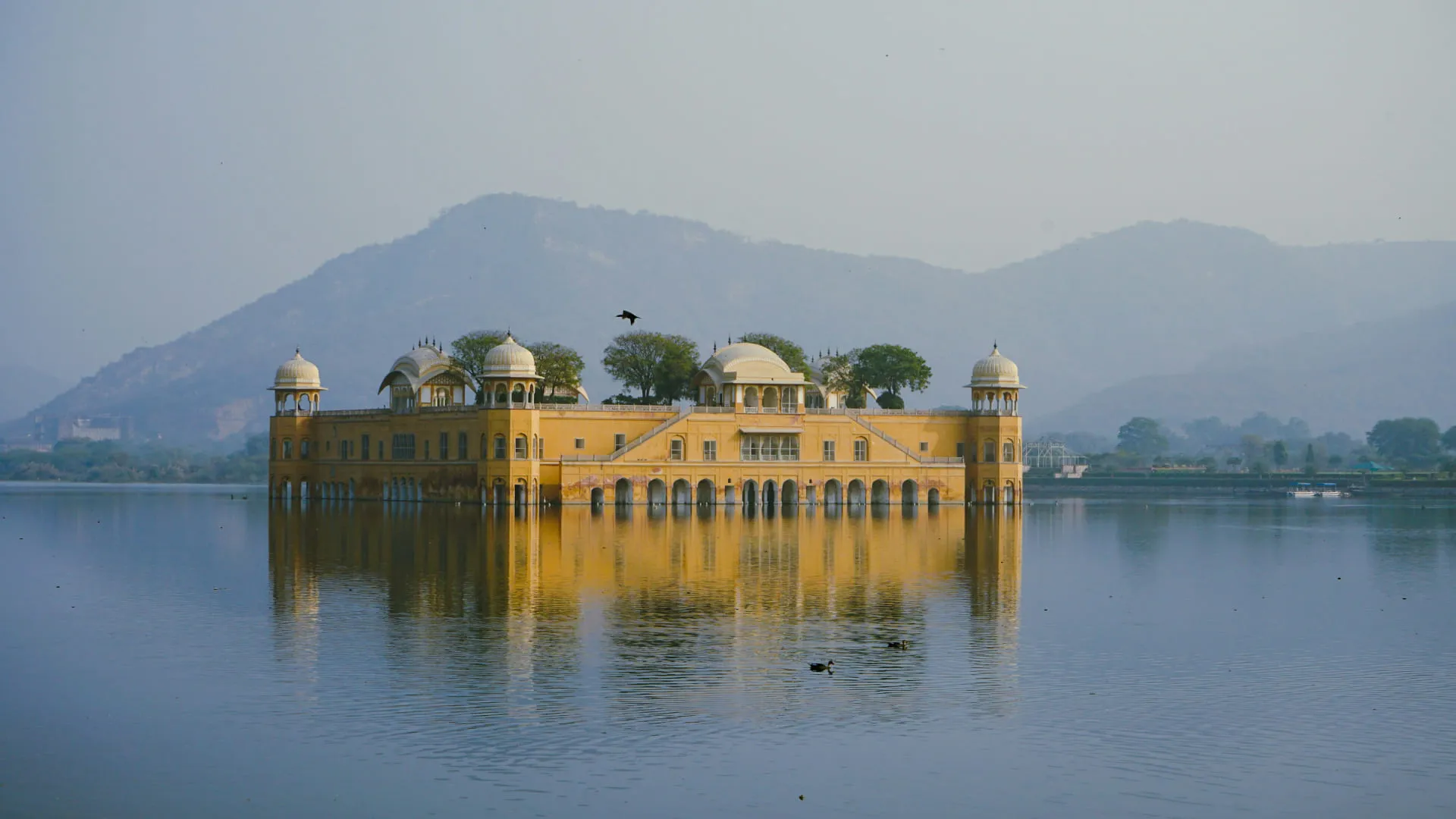
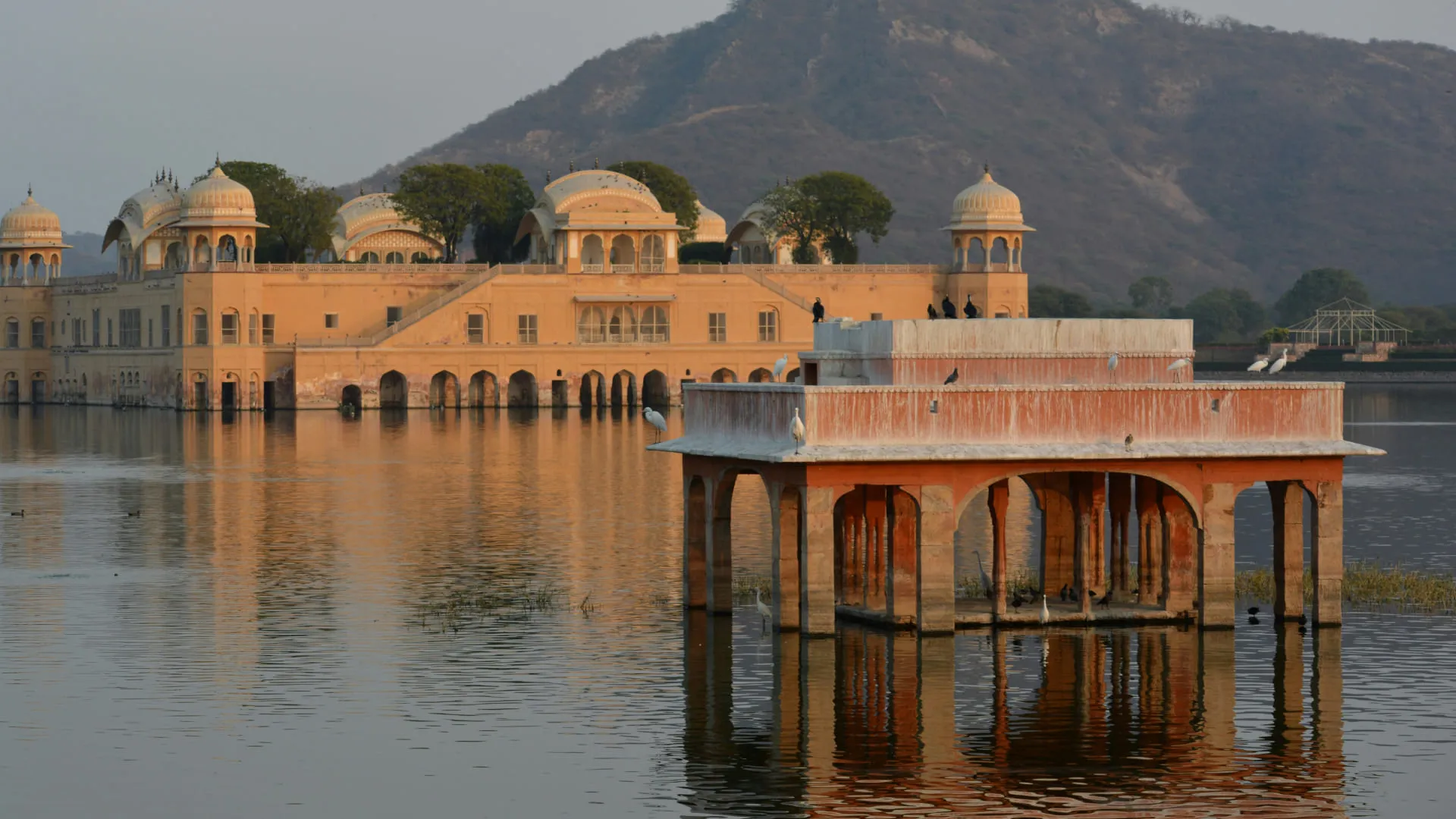
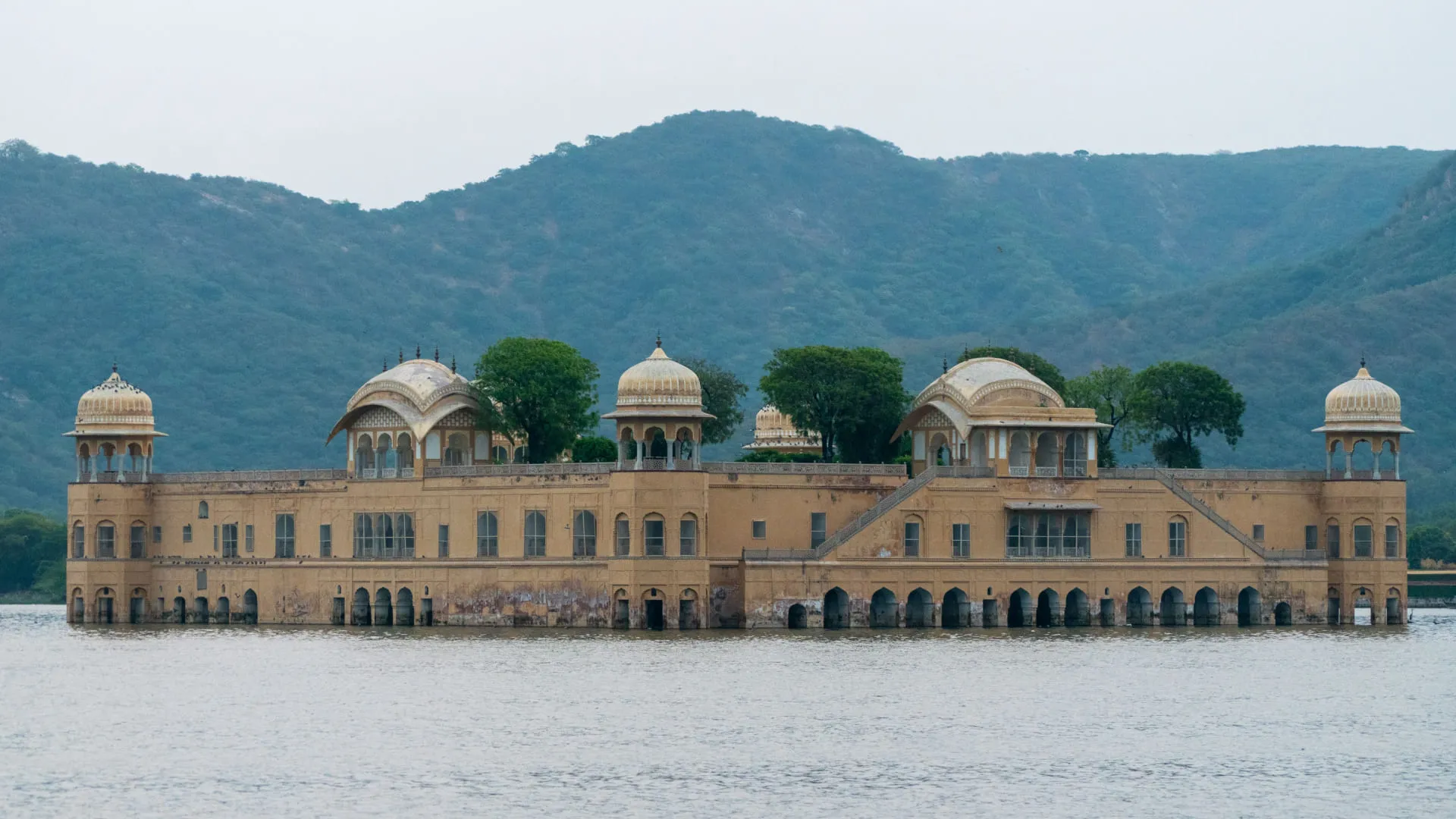
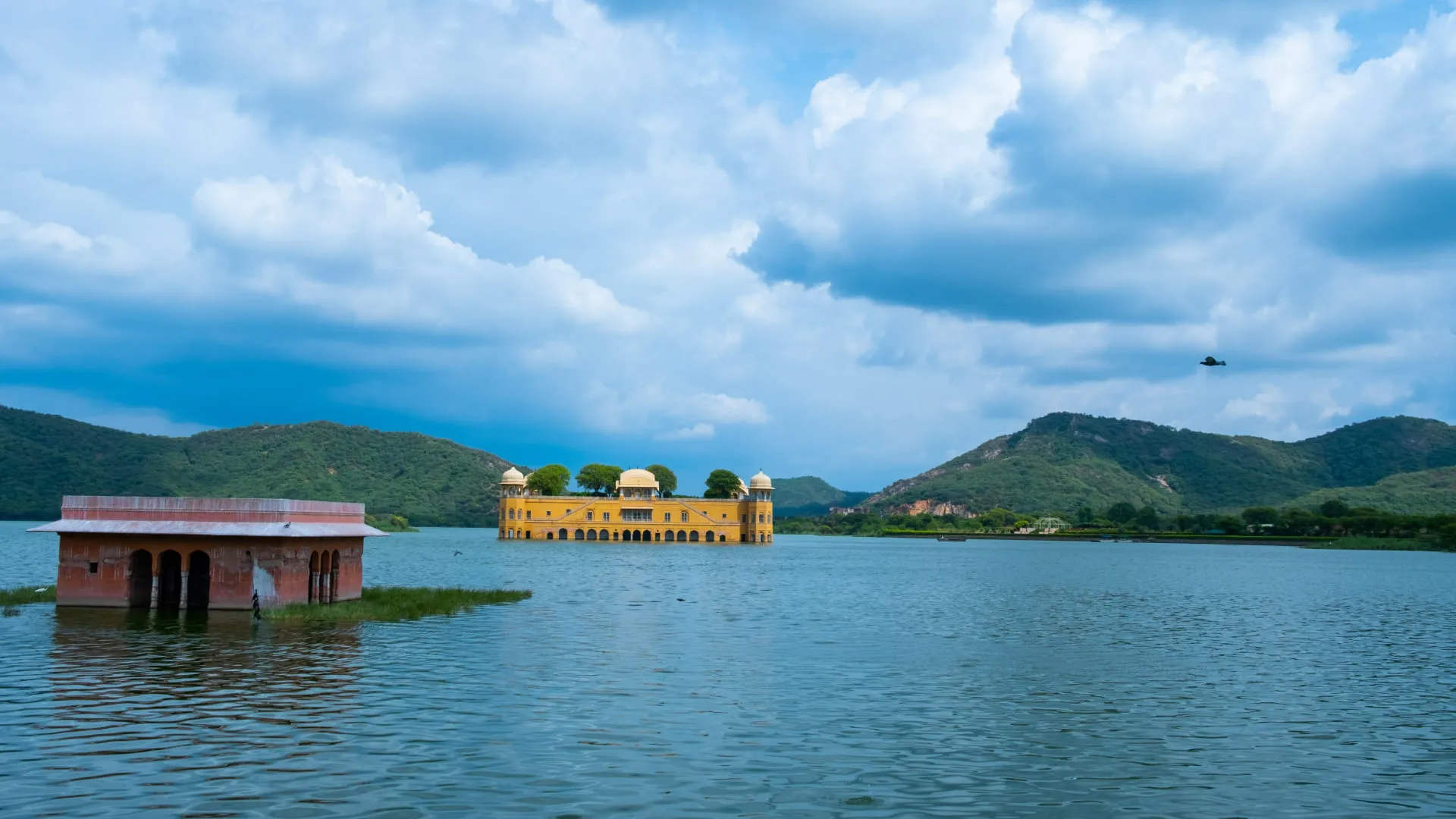
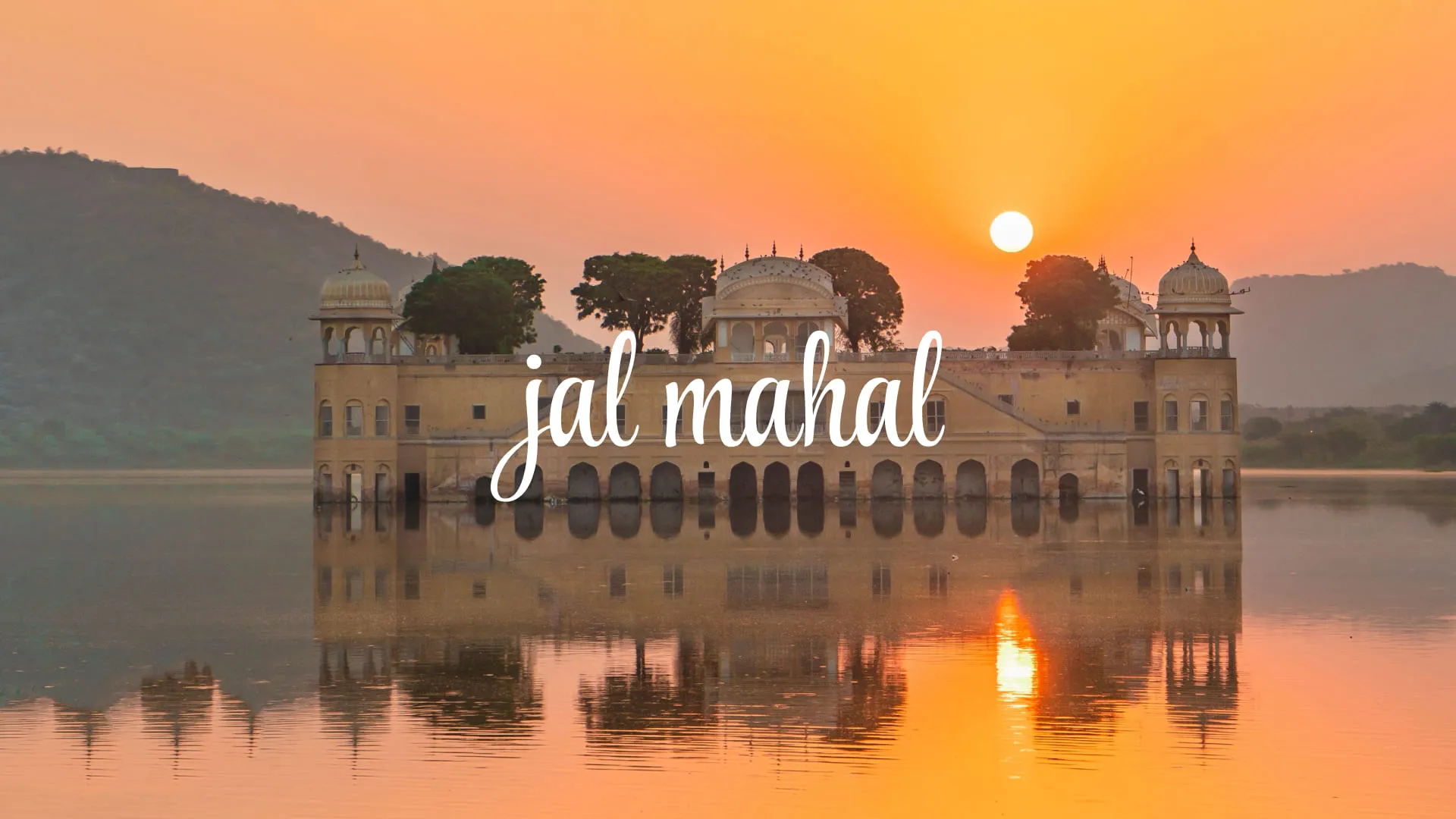
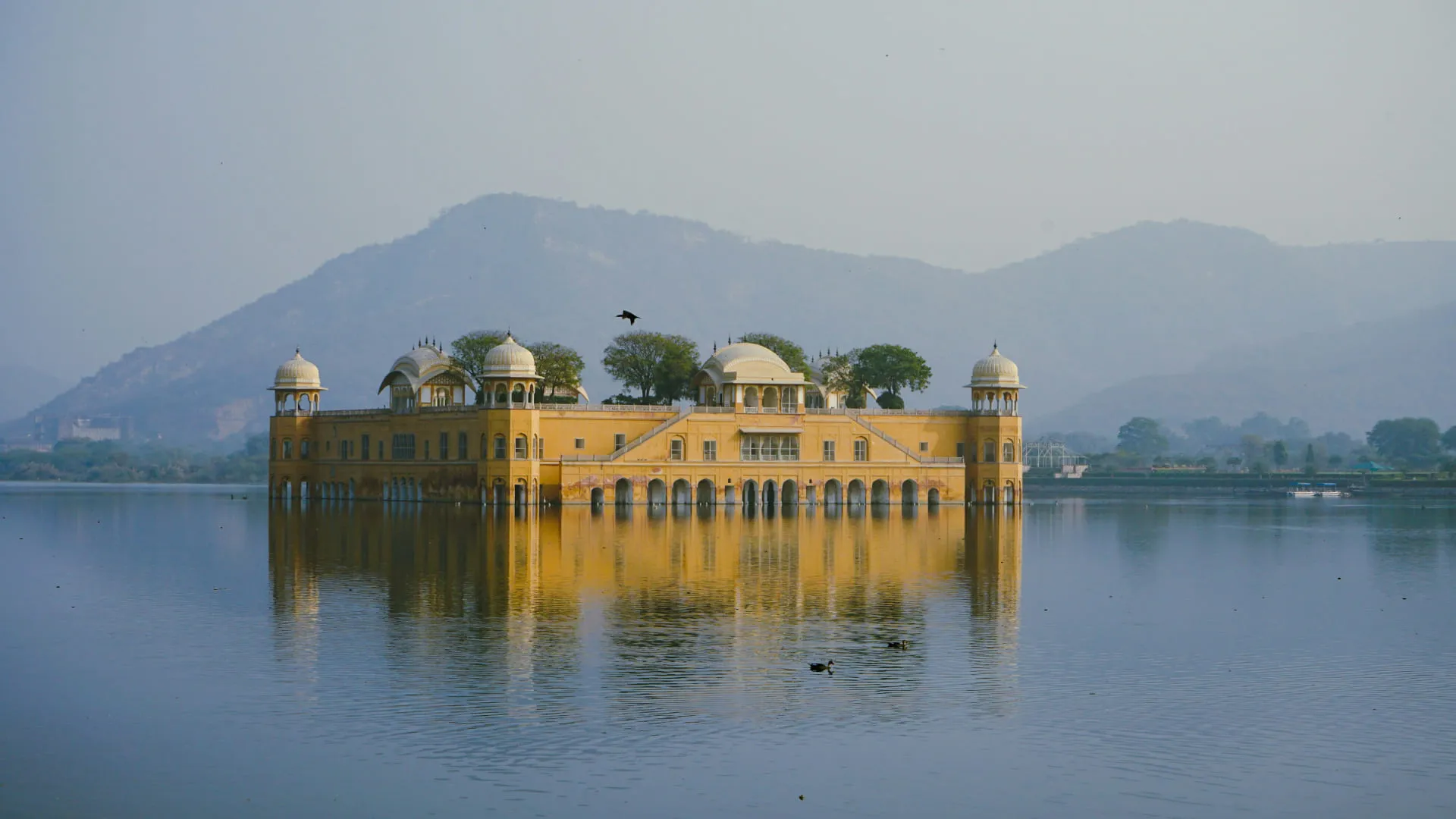
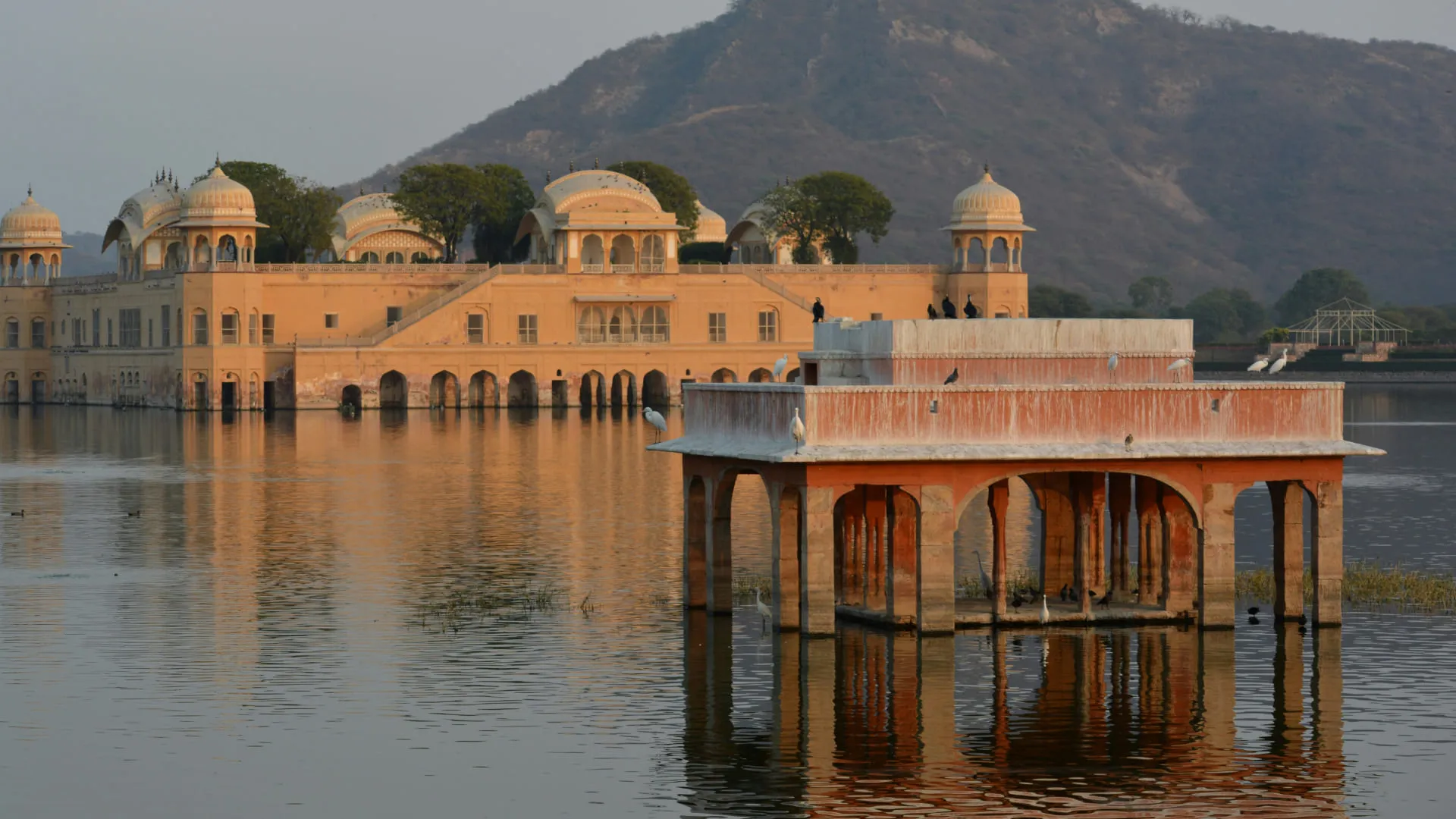
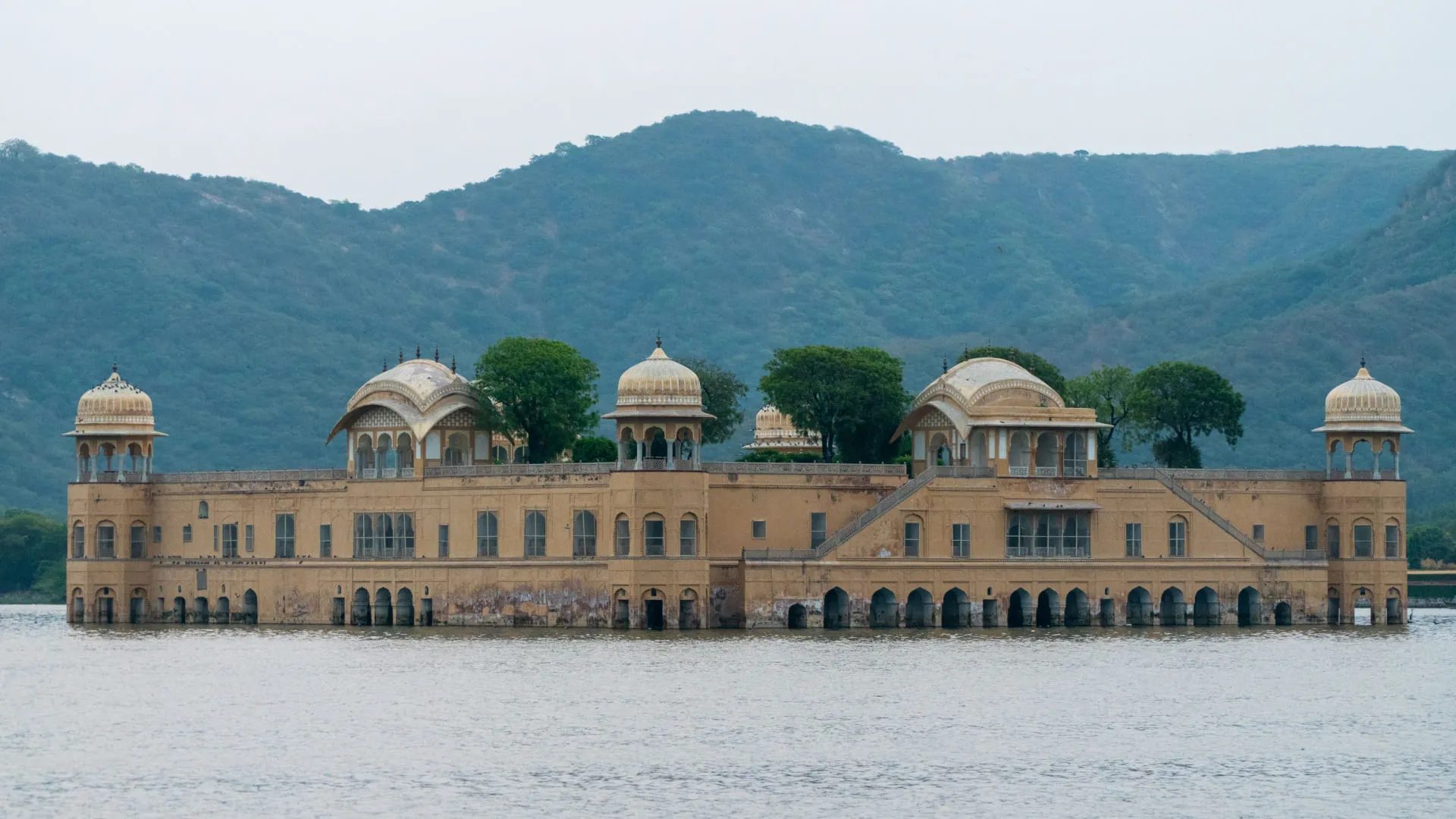
Rising gracefully out of the serene, mirror-like waters of Man Sagar Lake, Jal Mahal (The Water Palace) stands as one of the most spellbinding architectural masterworks in Jaipur, Rajasthan. Surrounded by the majestic, mist-draped Aravalli hills, this 18th-century royal palace creates an enchanting optical illusion of floating effortlessly on water, offering visitors an unforgettable glimpse into India's grand regal past.
Overview & Historical Background
Jal Mahal was originally constructed around 1750 by Maharaja Madho Singh I of Jaipur. Unlike traditional royal residences, Jal Mahal was designed as a pleasure pavilion and summer retreat for royal duck-hunting expeditions rather than a residential palace.
In the early 18th century, Maharaja Sawai Jai Singh II renovated and enhanced the palace while engineering the Man Sagar Dam across the Darbhawati River to combat water shortages in Jaipur. The resulting reservoir submerged the surrounding valley and transformed Jal Mahal into the iconic floating palace vista revered by travelers worldwide today.
Fascinating Submerged Architecture
What sets Jal Mahal apart as an engineering wonder of ancient India is its unique submerged construction. Crafted from high-density red sandstone and bonded with traditional organic mortar (composed of lime, marble dust, sugarcane juice, and natural resins), the structure has effectively resisted water seepage for over 250 years.
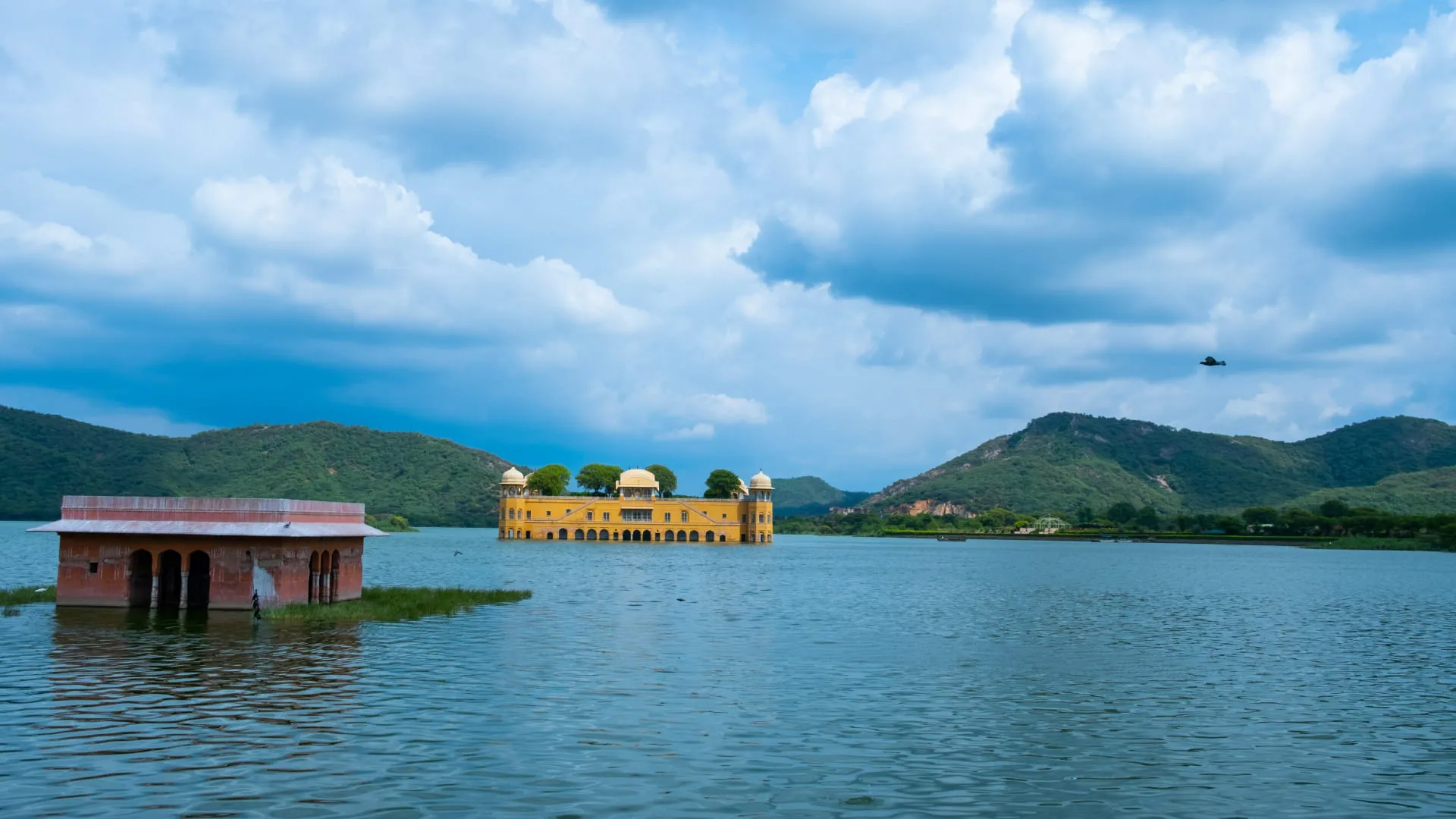
- 5-Storey Submerged Structure: Out of the palace's 5 storeys, 4 storeys remain completely submerged underwater when Man Sagar Lake is full. Only the top floor stays visible above the water level.
- Chameli Bagh (Terrace Garden): The top storey features Chameli Bagh, an exquisite Mughal-style rooftop garden decorated with scented jasmine flowers, carved marble pillars, and domed chhatris.
- Rajput & Mughal Architectural Fusion: The building combines classic Rajput chhatris (domed pavilions) with symmetrical Mughal arched gateways and Bengali-style curved roofs.
Man Sagar Lake & Winter Birdwatching
Man Sagar Lake extends across approximately 300 acres and plays a vital role in Rajasthan's wetland ecosystem. Thanks to extensive ecological restoration, the lake becomes a sanctuary for migratory birds during the winter months (November to February).
Visitors and wildlife enthusiasts can spot several rare bird species along the lake shore:
- Great Crested Grebes & Grey Herons
- Pintails & Common Coots
- White-browed Wagtails & Pochards
- Flamingos (during peak winter migration)
Golden Hour Sunset & Illuminated Night View
The best time to experience Jal Mahal is during late afternoon as the sun dips behind the Aravalli hills. The golden hour casts a warm radiant glow across the red sandstone facade, creating breathtaking reflection photos on the water.
As darkness falls around 6:30 PM, floodlights illuminate Jal Mahal in brilliant golden hues till 10:00 PM. The glowing palace reflecting in the dark waters of Man Sagar Lake is widely considered one of the most romantic nighttime sights in Jaipur.
How to Reach Jal Mahal Jaipur
Jal Mahal is conveniently located on the main Jaipur-Amer Highway (NH 11C), making it easily accessible from all parts of the city:
- By Air: Jaipur International Airport (JAI) is approximately 18 km away (35–40 minutes drive).
- By Rail: Jaipur Junction (JP) is around 9 km away (20 minutes by cab/auto).
- By Bus/Road: Sindhi Camp Bus Stand is 8 km away. Cabs, Uber, and local auto-rickshaws frequently ply along the Amer Road promenade.
Nearby Top Tourist Attractions in Jaipur
Because Jal Mahal sits on the primary route between Jaipur city center and Amer, you can easily combine your visit with these major landmarks:
- Amer Fort (4.5 km): Iconic hilltop fort featuring Sheesh Mahal, Diwan-i-Aam, and elephant rides.
- Nahargarh Fort (6 km): Perched on the Aravalli ridge, famous for sunset views overlooking the entire Pink City.
- Jaigarh Fort (6.5 km): Home to Jaivana, the world's largest cannon on wheels from the 18th century.
- Hawa Mahal (4 km): The iconic Palace of Winds with 953 honeycomb windows.
Visitor Tips & Frequently Asked Questions
1. Can tourists go inside Jal Mahal?
Currently, interior entry into Jal Mahal is restricted to preserve the heritage structure. However, tourists can freely admire, walk, and take photos from the paved lakefront promenade 24/7.
2. Is boating available at Jal Mahal?
Boating on Man Sagar Lake is currently suspended for ecological and bird sanctuary protection, but visitors can photograph the traditional wooden boats anchored near the water edge.
3. What is the entry fee for Jal Mahal?
There is no entry fee to visit the lakefront promenade. Viewing Jal Mahal from Amer Road is completely free for all tourists.
Optimized 1-Day & 2-Day Travel Itineraries
To help you experience the very best of Jal Mahal Jaipur at a comfortable pace, here is a structured step-by-step itinerary covering morning highlights, afternoon cultural exploration, and golden hour viewpoints:
Core Heritage & Signature Sightseeing
Extended Circuit, Nature & Culinary Trail
Authentic Regional Food & Local Delicacies
While exploring Jal Mahal Jaipur, indulge in authentic regional cuisine. Savor traditional multi-course thalis featuring regional breads (Rotla/Bhakri/Puri), rich seasonal vegetable curries, freshly churned buttermilk (Chaas), and famous regional sweet delicacies.
Travel Essentials & Quick Facts
October to March
Pleasant weather & clear views
06:00 AM – 06:00 PM
Standard public entry hours
Free Entry / Nominal Charges
On-site / Online counter
1 to 2 Days
Comprehensive sightseeing
Available on-site
Designated parking plaza
₹1,500 – ₹3,500 / person
Includes travel, entry & food
Photo Gallery

Get Directions
Planning to visit? Click below to open Google Maps with the exact coordinates.
Open in Google MapsGet Daily Travel Alerts & Hidden Gems
Join 10,000+ travellers on WhatsApp for weekend road trips and verified guides.
Frequently Asked Questions
Answers to common visitor questions
Visiting hours for Jal Mahal Jaipur: Complete Travel Guide, History, Architecture & Night View are generally 6:00 AM to 6:00 PM daily. We recommend visiting during early morning or sunset for the best experience.
Anjni Cave: Exploring the Mythological Birthplace of Lord Hanuman
Purna Sanctuary

Related Experiences
Saputara: The Ultimate Travel Guide to Gujarat's Misty Hill Station
Explore Guide →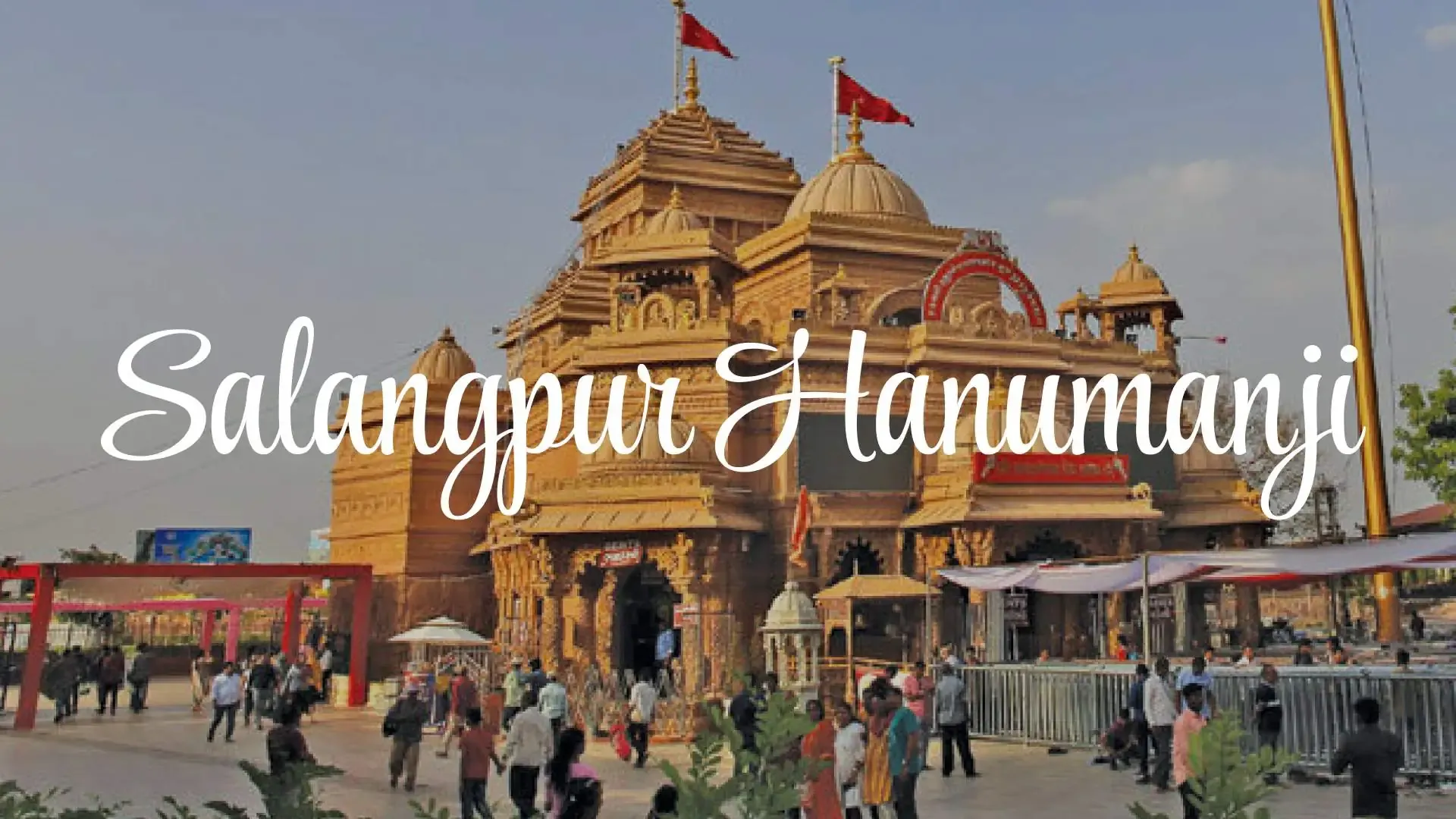
Salangpur Hanumanji
Explore Guide →
80th Independence Day of India (2026): Red Fort Parade, Theme, History & Travel Guide
Explore Guide →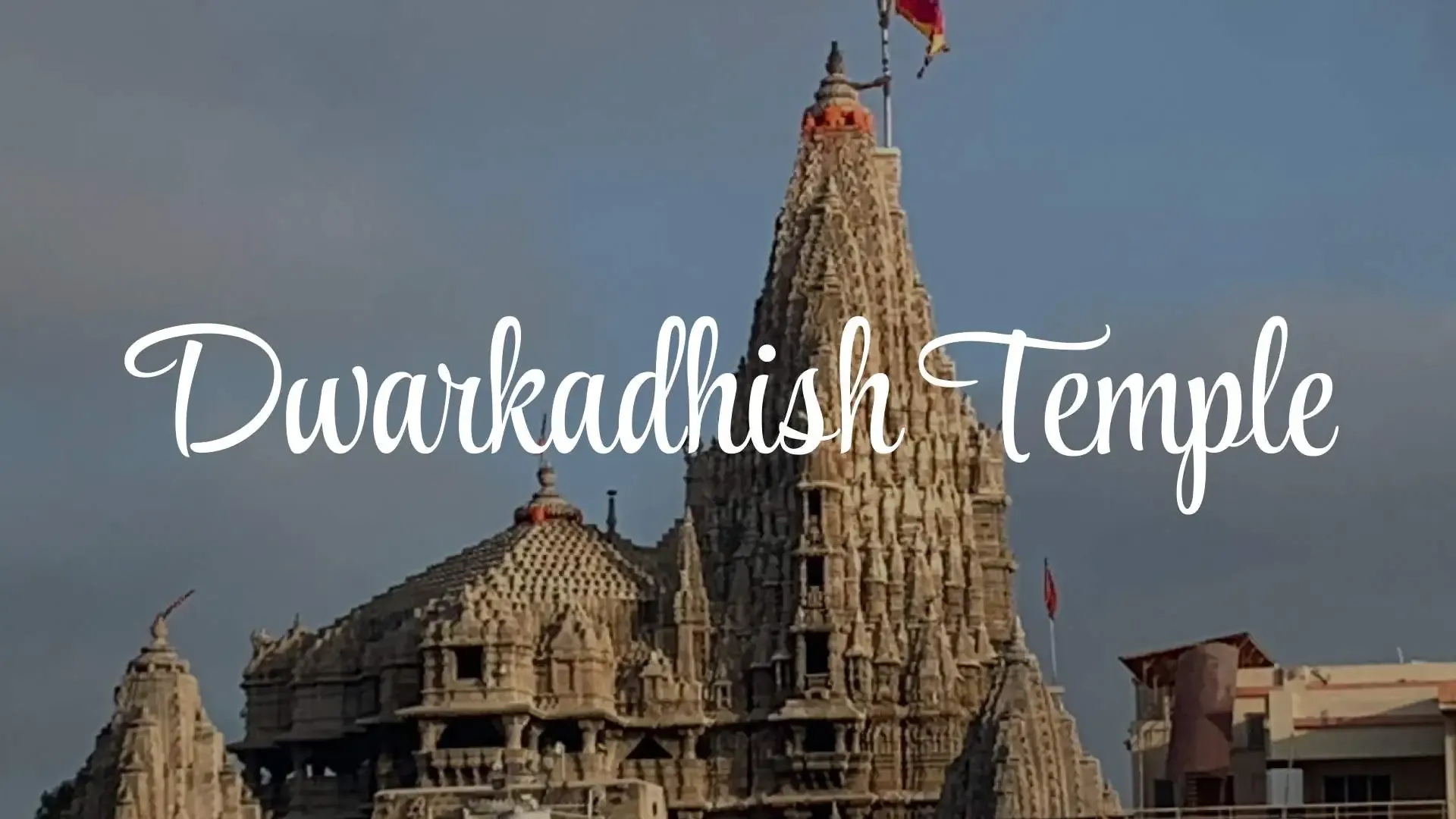
Dwarkadhish Temple: The Sacred Kingdom of Lord Krishna
Explore Guide →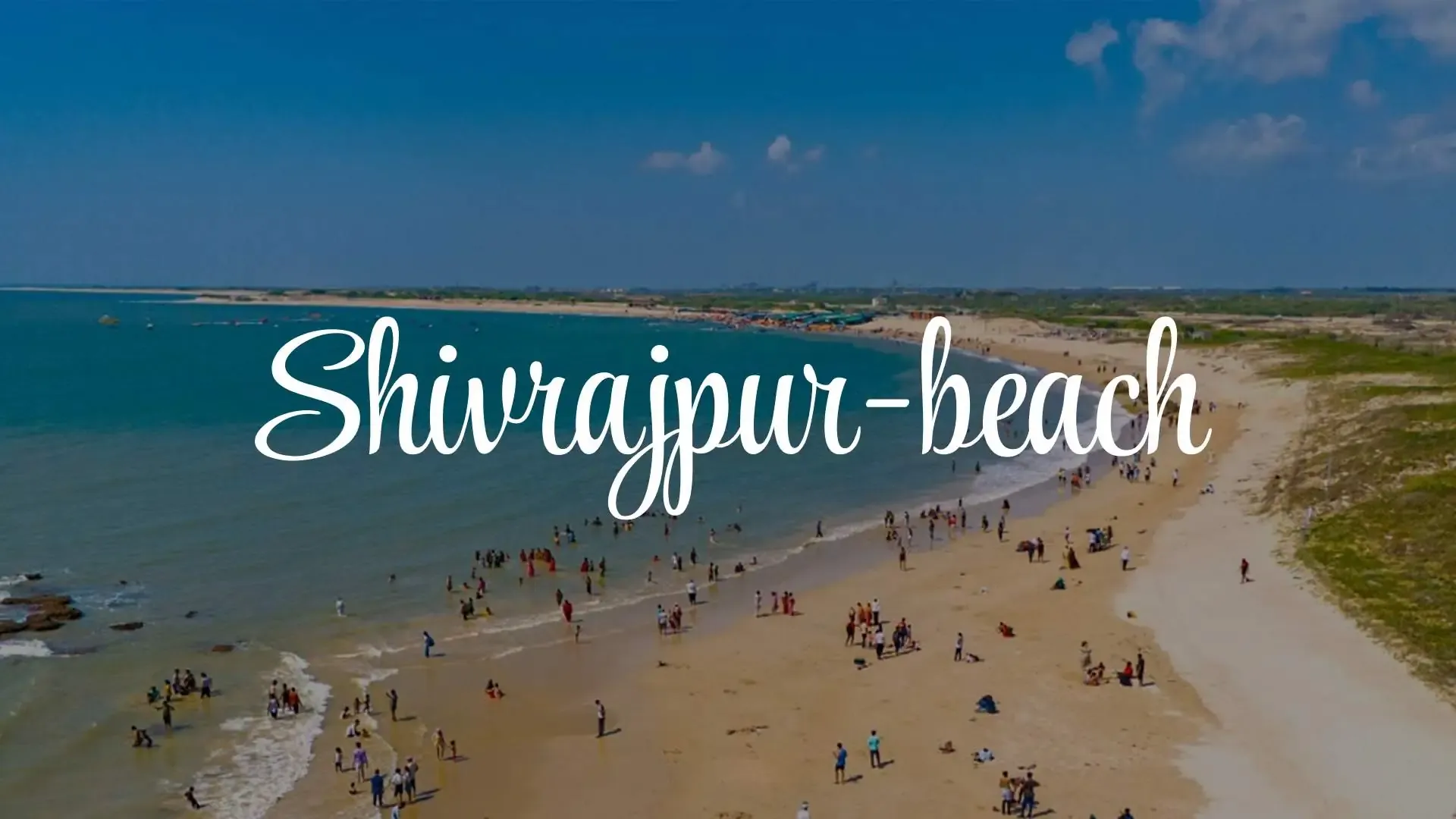
Shivrajpur Beach: The Ultimate Guide
Explore Guide →