
Amer Fort: The Ultimate Travel Guide to Jaipur's Royal Masterpiece
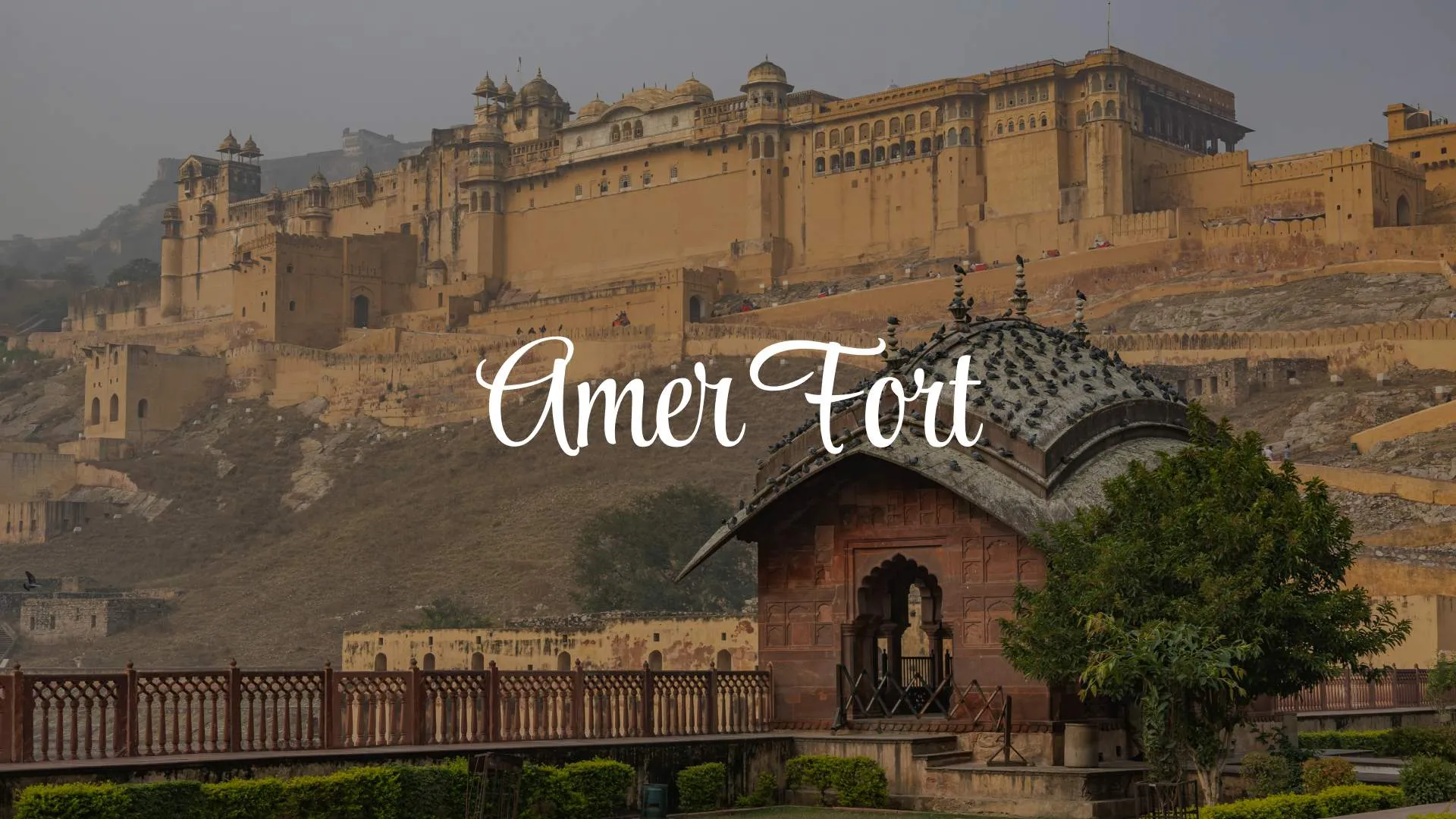
Perched on the scenic Aravalli Hills in Jaipur, Rajasthan, Amer Fort (also known as Amber Fort) is one of India's most magnificent royal forts and a UNESCO World Heritage Site. Renowned for its grand courtyards, artistic palaces, intricate mirror work, and breathtaking views of Maota Lake, Amer Fort showcases the finest blend of Rajput and Mughal architecture.
Built using red sandstone and white marble, the fort attracts millions of visitors every year who come to admire its rich history, spectacular architecture, and royal heritage. Whether you're a history enthusiast, architecture lover, photographer, or family traveler, Amer Fort offers an unforgettable experience that brings Rajasthan's glorious past to life.
Why Visit Amer Fort?
- UNESCO World Heritage Site and one of Rajasthan's most iconic forts.
- Magnificent Rajput and Mughal architecture spread across four levels.
- Famous Sheesh Mahal (Mirror Palace) with thousands of intricate mirrors.
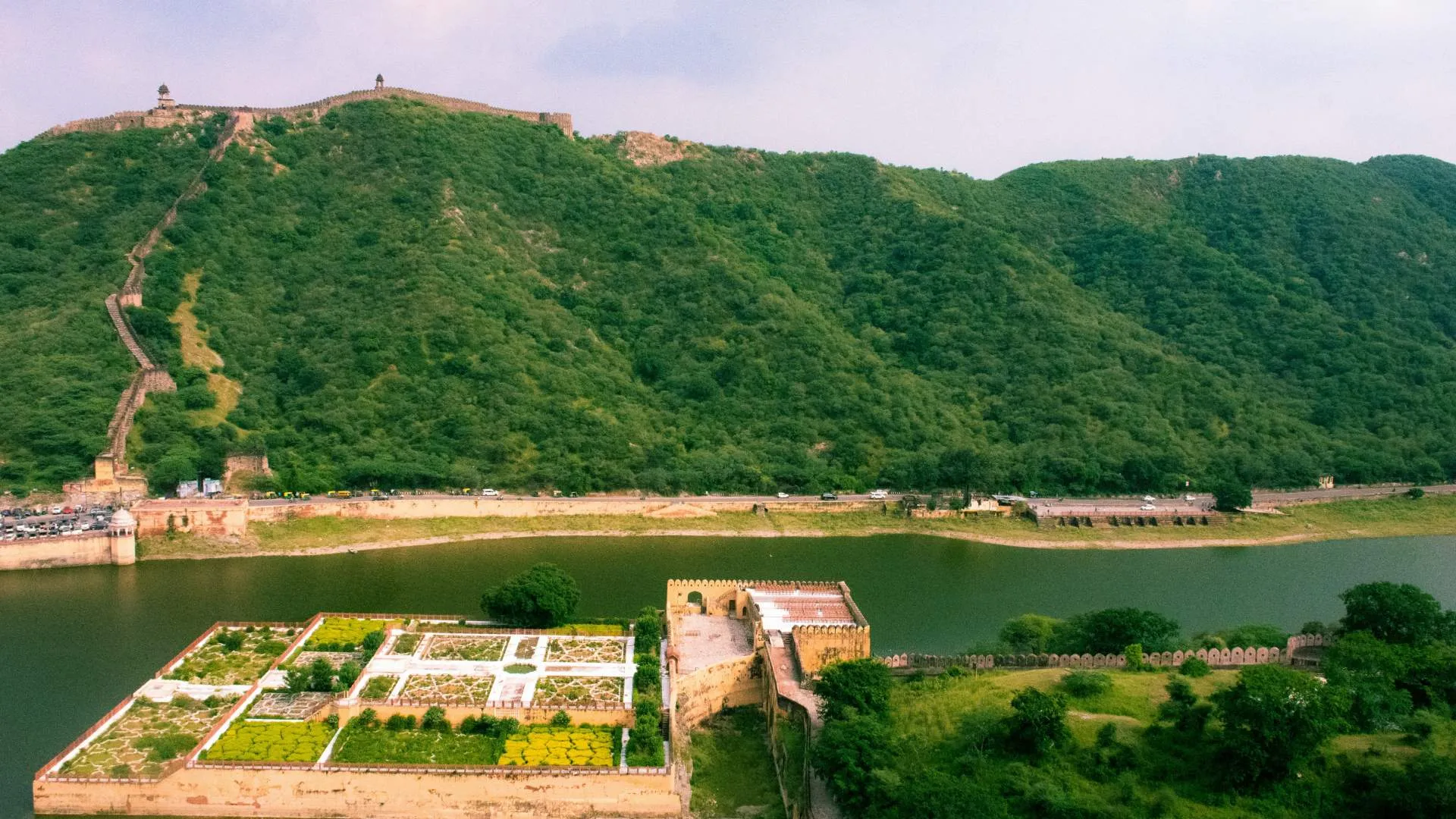
- Spectacular panoramic views of Maota Lake and the Aravalli Hills.
- Evening Light and Sound Show narrating the history of the Kachwaha dynasty.
- Connected to Jaigarh Fort via underground passages showcasing brilliant military engineering.
History of Amer Fort
Amer Fort was originally built in 1592 by Raja Man Singh I, one of Emperor Akbar's most trusted generals. The fort was constructed using red sandstone and white marble, combining traditional Rajput design with Mughal architectural influences. Before Jaipur was established, Amer served as the capital of the Kachwaha Rajput clan, and this fort was their seat of power for over 150 years.
Over the centuries, successive Kachwaha rulers including Raja Jai Singh I expanded and embellished the fort, adding new palaces, audience halls, and defence structures. The fort served as the primary royal residence until 1727, when Maharaja Sawai Jai Singh II shifted the capital to the newly planned city of Jaipur. Despite the move, Amer Fort retained its ceremonial importance for the royal family.
The fort never fell to a direct military assault throughout its history, a testament to its formidable hilltop defences and strategic design. In 2013, Amer Fort was recognised as a UNESCO World Heritage Site as part of the Hill Forts of Rajasthan, cementing its place among the most important historical monuments in India.
Main Attractions
Sheesh Mahal (Mirror Palace)
The most famous attraction inside Amer Fort, Sheesh Mahal is decorated with thousands of intricately crafted convex mirrors set into the walls and ceiling. When even a single candle is lit, the mirrors multiply the light to create a magical starlit effect across the entire chamber. This masterpiece of craftsmanship is considered one of the finest examples of mirror work in the world.
Ganesh Pol
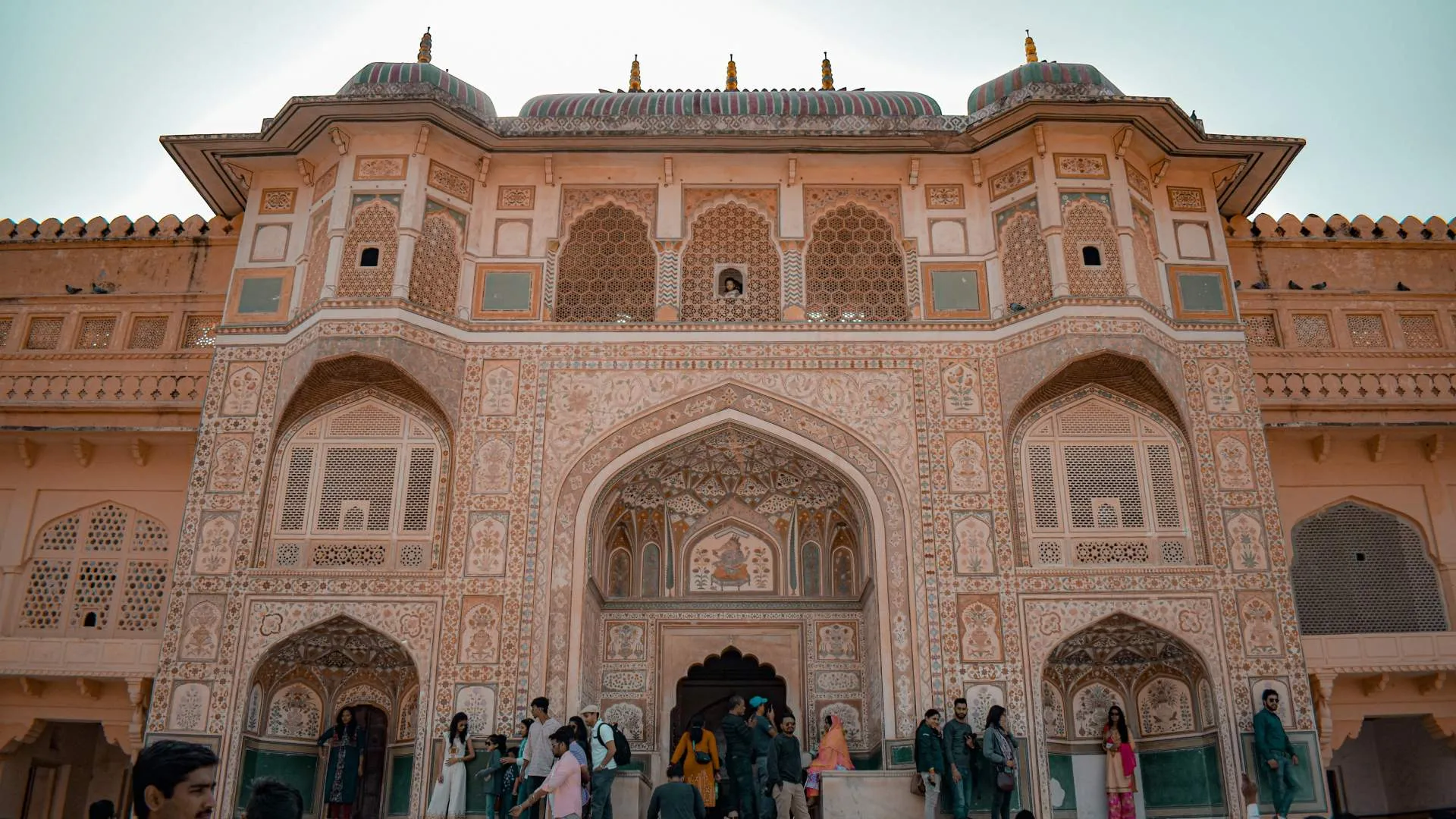
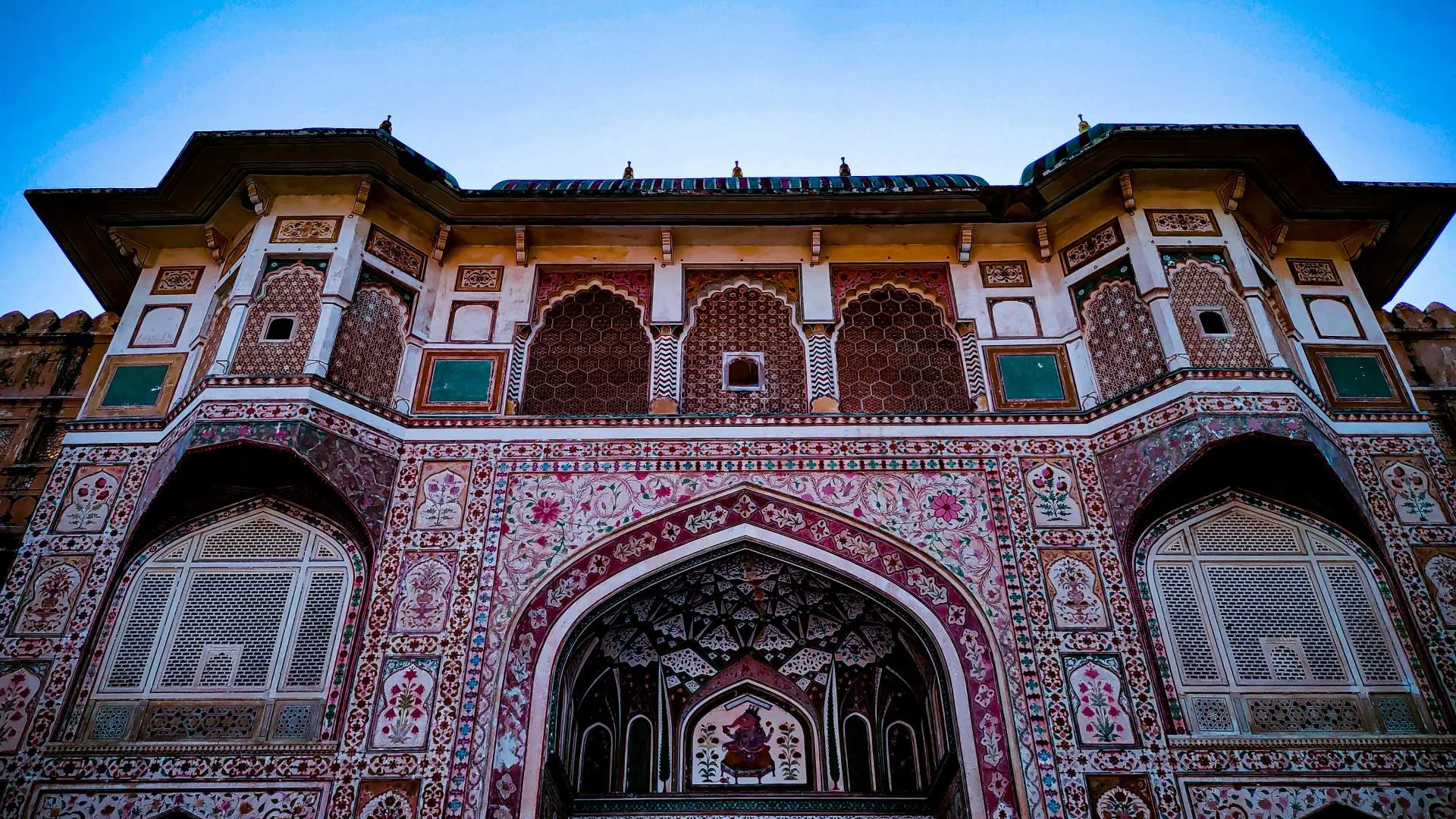
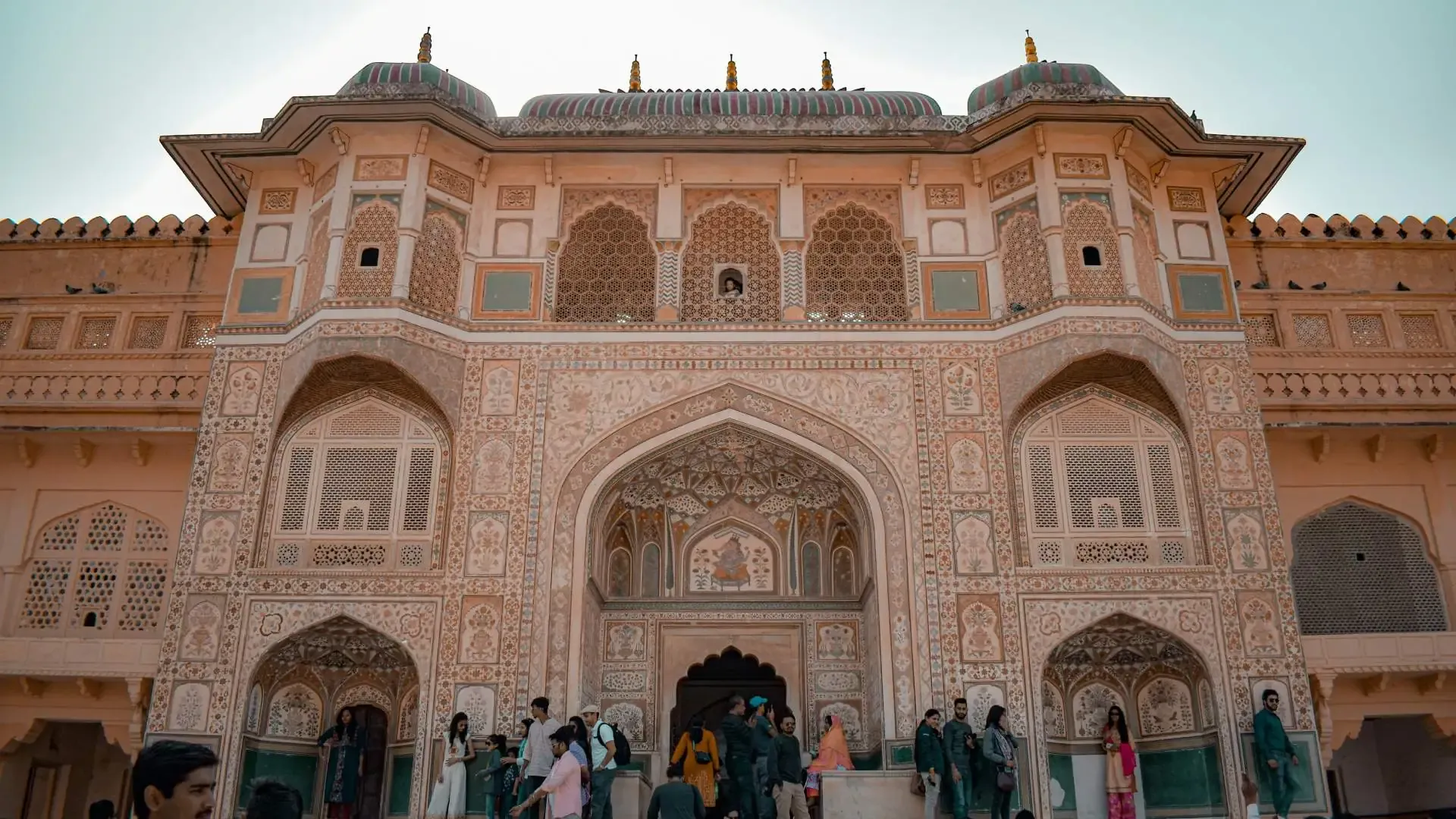
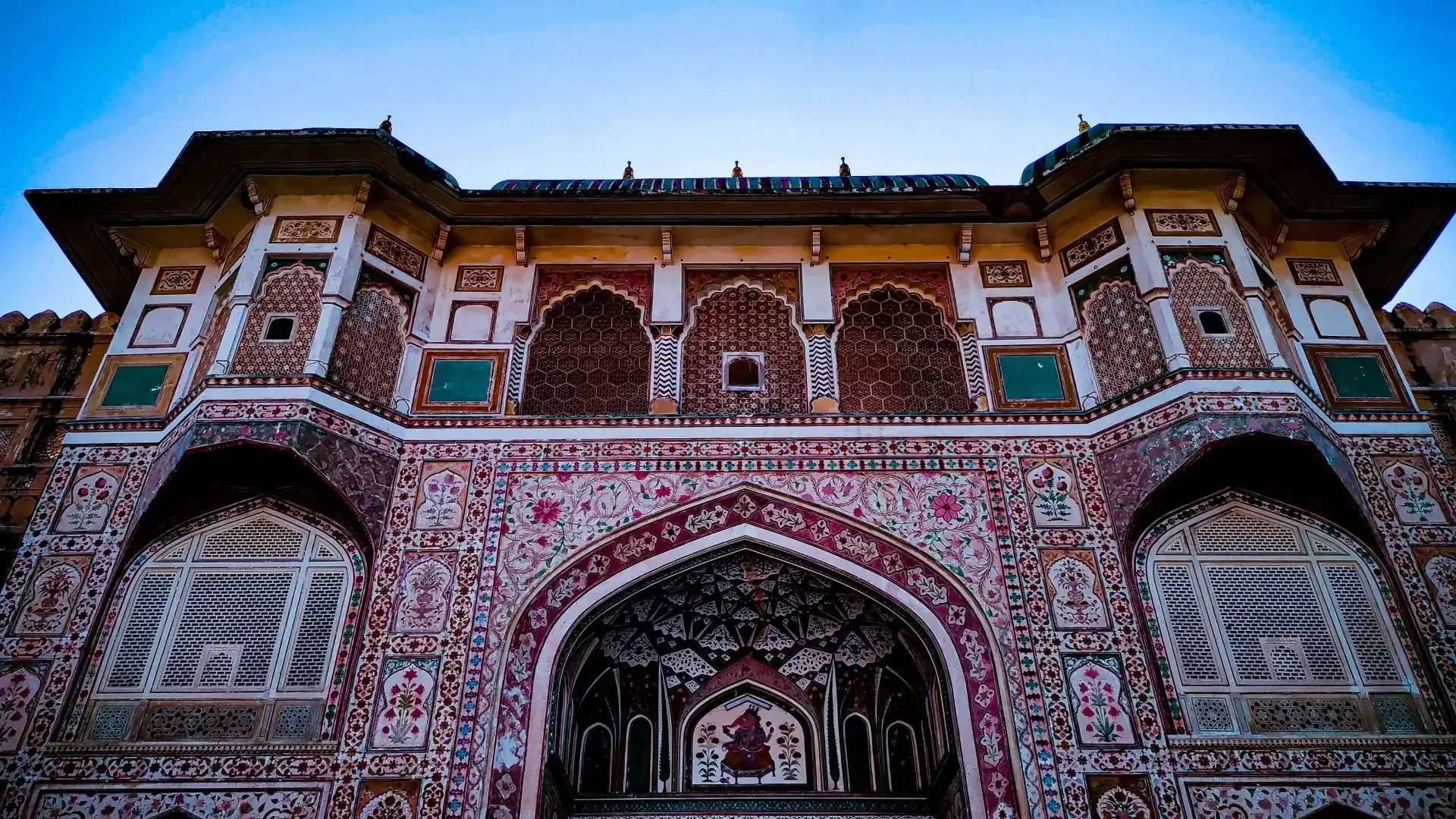
A beautifully decorated three-storey gateway featuring colourful frescoes, intricate carvings, mosaics, and stunning Mughal-inspired artwork. Named after the image of Lord Ganesh painted above the entrance, it serves as the grand passage between the public and private sections of the fort. Above the gate lies the Suhag Mandir where royal women observed court proceedings through latticed screens.
Diwan-e-Aam (Hall of Public Audience)
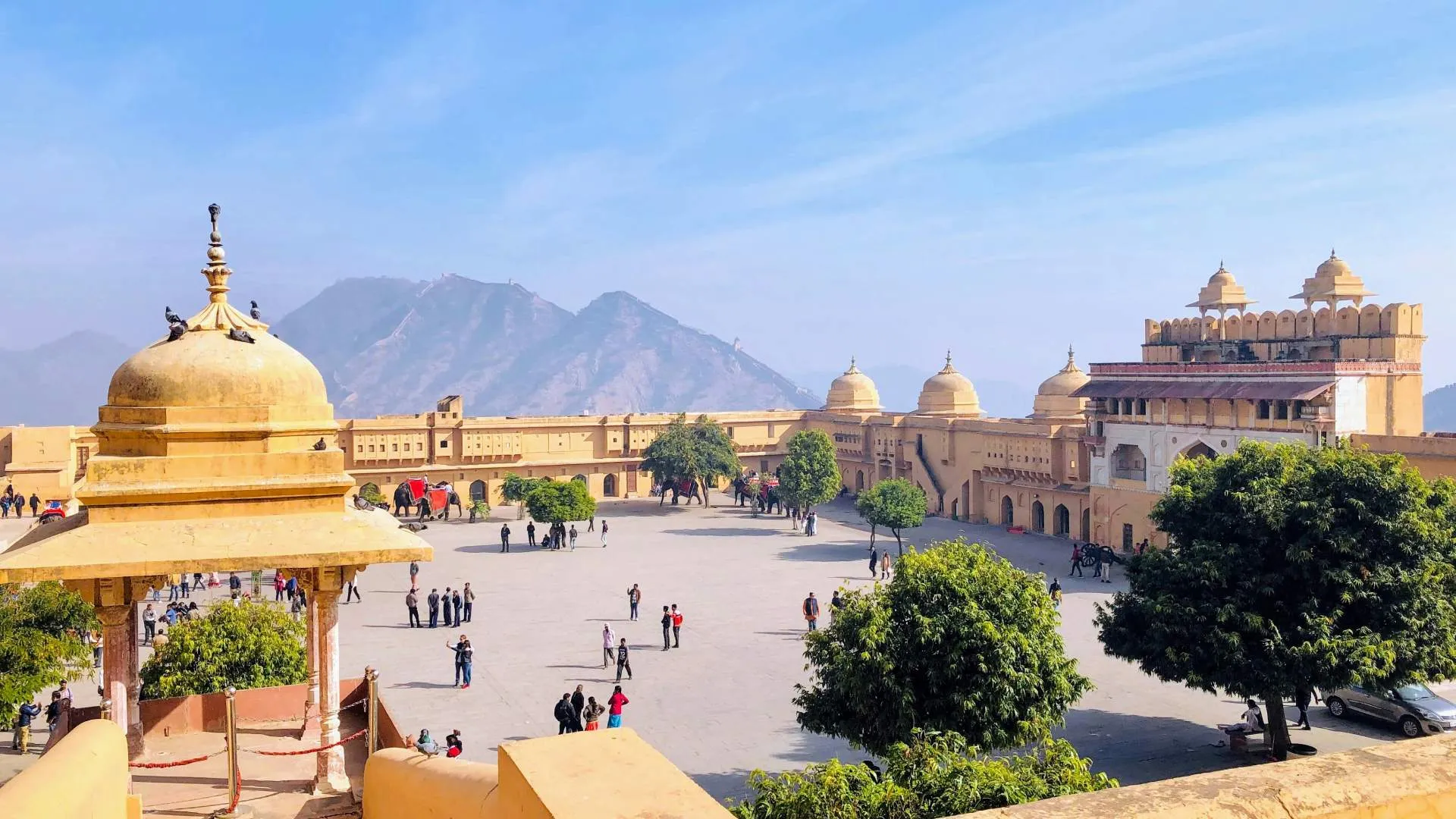
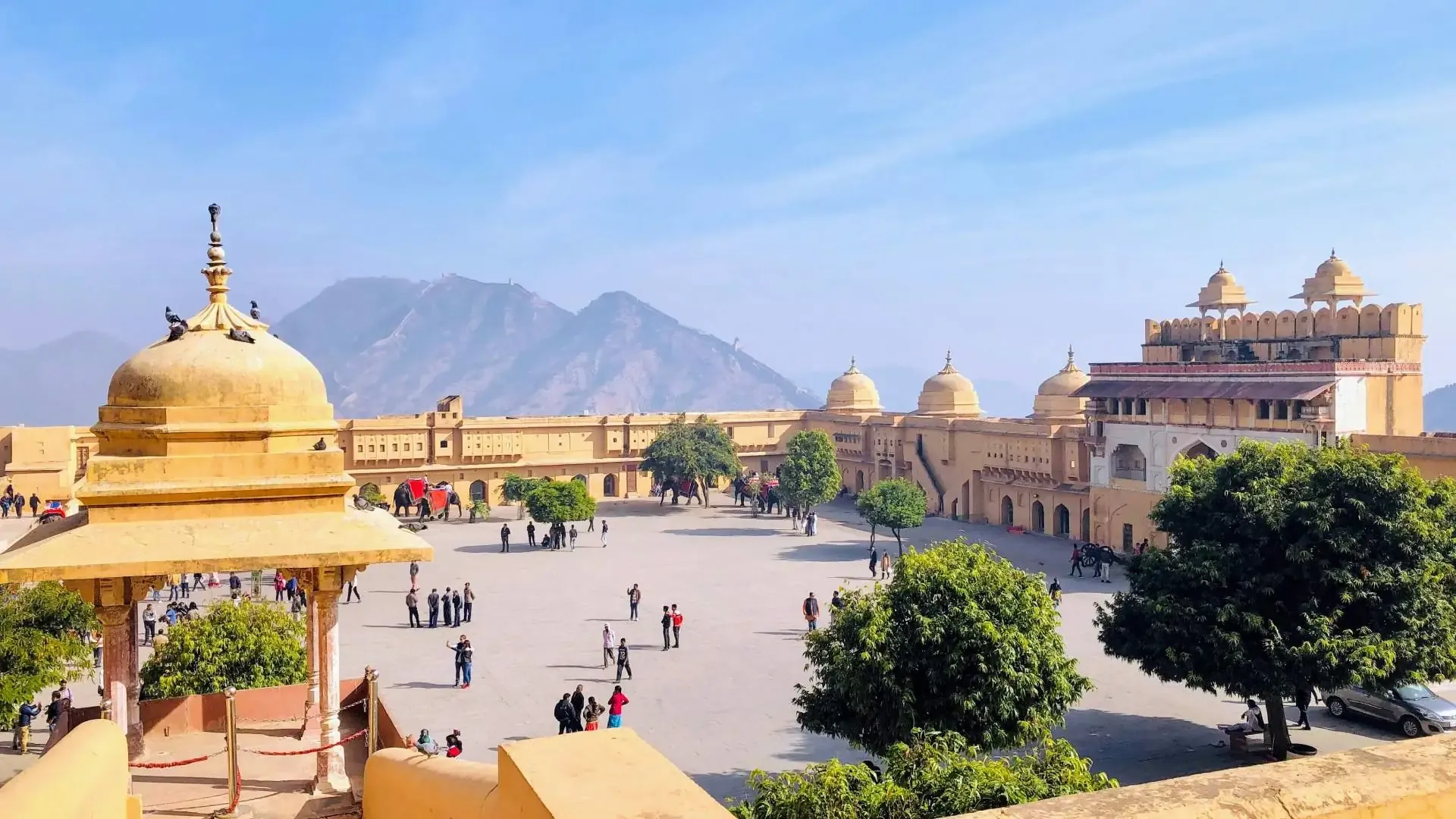
A grand open pavilion supported by a double row of columns with elephant-shaped capitals. This hall was used by the rulers to hear public petitions, hold court proceedings, and address the common people. Its open design allowed large gatherings while maintaining royal grandeur.
Diwan-e-Khas (Hall of Private Audience)
Reserved for private royal meetings and diplomatic discussions, this hall features delicate glass inlay work, intricate floral carvings, and refined craftsmanship. The intimate scale and luxurious decoration reflect the wealth and taste of the Kachwaha rulers during their peak.
Sukh Niwas (Hall of Pleasure)
A royal chamber featuring an ingenious ancient cooling system where water was channelled through pipes within the walls to naturally cool the rooms during scorching Rajasthani summers. The doors are crafted from sandalwood and ivory, and fragrant flowers were added to the water to perfume the air.
Maota Lake
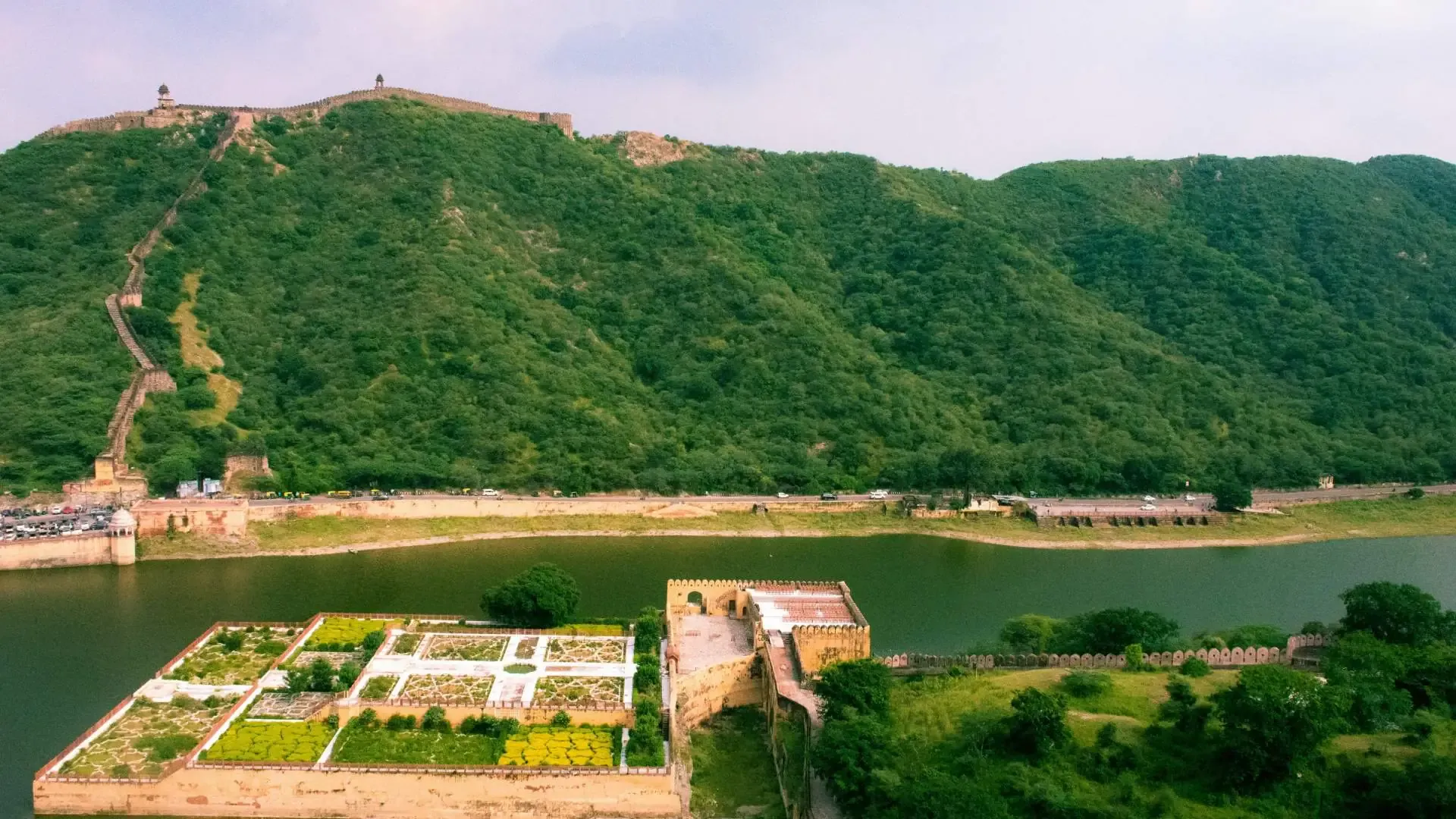
The picturesque artificial lake at the foot of the fort served as the primary water source for the fortress. Its calm waters perfectly mirror the fort during sunrise and sunset, offering outstanding photography opportunities and enhancing the overall beauty of the monument.
Shila Devi Temple
Located near the Jaleb Chowk within the fort complex, this revered temple is dedicated to Goddess Kali. Raja Man Singh I is believed to have brought the idol from Jessore (present-day Bangladesh) after a victorious military campaign. The temple draws thousands of devotees, especially during Navratri.
Architectural Highlights
- Stunning blend of Rajput military architecture and Mughal artistic refinement.
- Built primarily from red sandstone and white marble across four distinct levels.
- Intricate mirror work, frescoes, and coloured glass mosaics throughout the palaces.
- Elaborate jali (lattice) screens carved from marble for light, ventilation, and privacy.
- Decorative courtyards, cusped arches, chhatris, and carved stone brackets.
- Fortification walls extending to Jaigarh Fort with underground escape passages.
- Panoramic views of the Aravalli Hills, Maota Lake, and Jaipur cityscape.
Best Time to Visit
Summer (April to June)
Temperatures exceed 45 degrees Celsius. If visiting during summer, arrive before 9 AM or after 4 PM to avoid the intense heat.
Monsoon (July to September)
The monsoon transforms the landscape with lush greenery. Maota Lake fills up and the fort looks dramatic against rain-laden skies. However, cobblestone pathways can become slippery.
Winter (October to March)
The ideal season with comfortable temperatures between 15 and 25 degrees Celsius. Clear skies provide excellent conditions for photography and outdoor exploration.
Recommended Season: October to March for the most pleasant weather and best overall experience.
Entry Fee & Timings
Opening Time: 8:00 AM
Closing Time: 5:30 PM
Entry Fee (Indian Nationals): INR 100 per person
Entry Fee (Foreign Nationals): INR 500 per person
Entry Fee (Indian Students): INR 10 per person
Entry Fee (Foreign Students): INR 100 per person
Light and Sound Show: Held every evening in Hindi and English with separate tickets.
Parking: Paid parking available near the fort entrance at the base of the hill.
Fees and timings may change. Please verify before visiting.
Things to Do at Amer Fort
- Explore the dazzling Sheesh Mahal and its extraordinary mirror work.
- Watch the evening Light and Sound Show narrating the Kachwaha dynasty history.
- Take a jeep ride up the cobblestoned pathway to the main gate.
- Visit the Shila Devi Temple and observe the religious rituals.
- Photograph the reflection of the fort in Maota Lake during golden hours.
- Walk along the fortification walls connecting Amer Fort to Jaigarh Fort.
- Explore the underground tunnel linking the two forts.
- Hire a local guide to discover stories behind each section of the fort.
- Shop for traditional Rajasthani handicrafts along the approach road.
How to Reach
By Road: Amer Fort is well connected by road and is located approximately 11 km from Jaipur city centre. You can reach by local bus, auto-rickshaw, taxi, or private car via the Jaipur-Delhi highway.
- Hawa Mahal — Approximately 11 km
- City Palace Jaipur — Approximately 12 km
- Jantar Mantar — Approximately 12 km
- Jal Mahal — Approximately 5 km
- Jaipur International Airport — Approximately 27 km
By Train: Jaipur Junction Railway Station is the nearest major railway station, connected to Delhi (280 km), Mumbai (1,150 km), and other major cities. The fort is about 30 minutes by taxi from the station.
By Air: Jaipur International Airport (Sanganer Airport) is the nearest airport with regular domestic and select international flights. Prepaid taxis and cab services are available from the airport.
Nearby Attractions
- Jaigarh Fort — Connected to Amer Fort via underground passages, famous for the Jaivana cannon.
- Nahargarh Fort — Hilltop fort offering the best sunset views over Jaipur city.
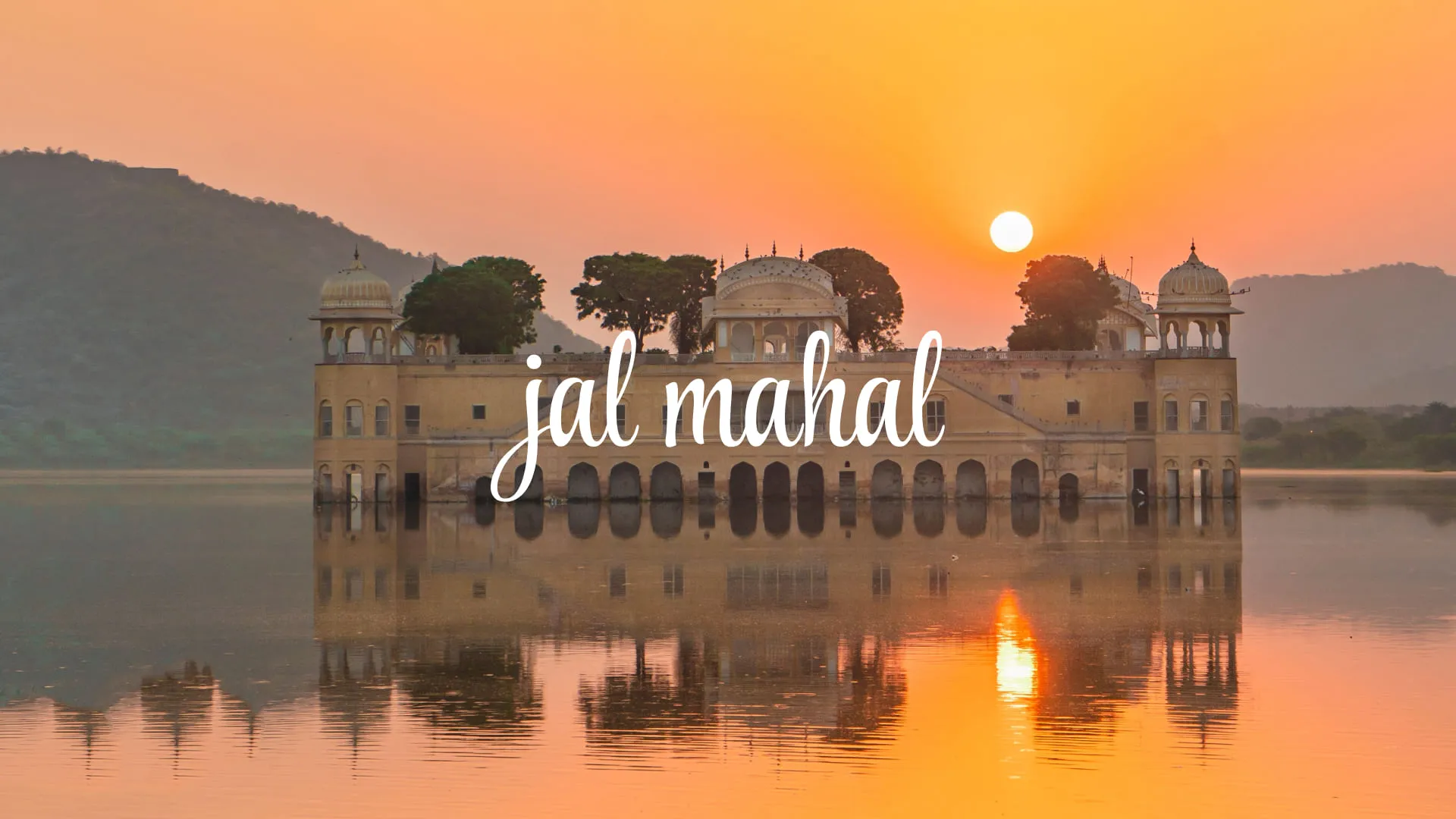
- Jal Mahal — The beautiful Water Palace in the middle of Man Sagar Lake.
- Hawa Mahal — The iconic Palace of Winds with 953 small windows.
- City Palace Jaipur — Grand royal complex blending Rajput and Mughal architecture.
- Jantar Mantar — UNESCO-listed astronomical observatory with the world's largest stone sundial.
- Albert Hall Museum — The oldest museum in Rajasthan with rich artefact collections.
- Panna Meena Ka Kund — A beautifully symmetrical stepwell near Amer village.
Travel Tips
- Visit early morning to avoid crowds and afternoon heat.
- Wear comfortable walking shoes with good grip for uneven stone surfaces.
- Carry water and stay hydrated — the fort takes 2 to 3 hours to explore.
- Hire an authorised guide at the entrance for a richer historical experience.
- Book Light and Sound Show tickets in advance during peak season (November to February).
- Combine your visit with Jaigarh Fort using a composite ticket at a discounted rate.
- Keep belongings secure and be cautious of touts near the entry point.
- Flash photography may be restricted inside the Sheesh Mahal.
- Avoid carrying large bags as storage facilities are limited.
- Check for government holidays or special closures before planning your visit.
Food & Local Cuisine
The area surrounding Amer Fort has several eateries serving authentic Rajasthani food. Dal Baati Churma, the signature dish of Rajasthan, is a must-try. Laal Maas, a fiery mutton curry prepared with mathania chillies, is another local favourite. Street snacks like Pyaaz Kachori and Mirchi Vada are available at small dhabas near the fort.
The 1135 AD restaurant inside Amer Fort serves royal Rajasthani dishes in a heritage setting. In Jaipur city, LMB (Laxmi Mishthan Bhandar) on Johari Bazaar is legendary for sweets and vegetarian thali. Chokhi Dhani on the outskirts offers traditional food with folk performances.
Shopping
The approach road to Amer Fort has shops selling lac bangles, kundan jewellery, miniature paintings, block-printed fabrics, and leather juttis. Bargaining is expected at these stalls.
In Jaipur, Johari Bazaar is famous for gemstones and jewellery. Bapu Bazaar offers textiles and souvenirs. Tripolia Bazaar specialises in lacquer bangles and brassware. For premium block-printed textiles, visit Sanganer or Bagru on the outskirts.
Photography Tips
The best time for photography is early morning golden hour when warm sunlight illuminates the sandstone walls. For the classic reflection shot, position yourself on the road approaching the fort from the Jaipur side during calm mornings. Inside, the Ganesh Pol and Sheesh Mahal offer the most striking compositions. Wide-angle lenses work well for the expansive courtyards.
Drone photography is restricted around heritage monuments in India. Special permission from the Archaeological Survey of India is required. Always check current regulations before attempting aerial photography.
Quick Facts
Location: Amer, Jaipur, Rajasthan, India
State: Rajasthan
District: Jaipur
Elevation: Approximately 480 metres above sea level
Built By: Raja Man Singh I
Built In: 1592 AD
UNESCO Status: Part of the Hill Forts of Rajasthan World Heritage Site (2013)
Famous For: Sheesh Mahal, Rajput-Mughal Architecture, Maota Lake, Royal Heritage
Ideal Duration: 2 to 3 hours
Best Season: October to March
Ideal For: Families, Couples, History Lovers, Architecture Enthusiasts, Photographers
Google Maps: https://www.google.com/maps/search/Amer+Fort+Jaipur+Rajasthan
Frequently Asked Questions
What is the entry fee for Amer Fort?
The entry fee is INR 100 for Indian nationals and INR 500 for foreign nationals. Composite tickets covering multiple Jaipur forts are also available at discounted rates.
How long does it take to explore Amer Fort?
A thorough visit takes 2 to 3 hours. Add 1 to 2 hours if you plan to walk to Jaigarh Fort through the connecting passage.
What is the best time to visit Amer Fort?
Early morning (8 AM to 10 AM) is ideal to avoid crowds and heat. October to March offers the most comfortable weather overall.
Is there a Light and Sound Show at Amer Fort?
Yes, the fort hosts an evening Light and Sound Show in Hindi and English on alternate evenings. Timings vary by season.
Can I visit Amer Fort and Jaigarh Fort together?
Yes, the two forts are connected by a fortified passage and can be visited together with a composite ticket.
Is Amer Fort accessible for elderly visitors?
The lower courtyards are accessible, but many areas involve steep staircases. Jeep rides from the base to the main entrance reduce the walking required.
Final Thoughts
Amer Fort is one of India's most spectacular historical landmarks, where royal grandeur, architectural brilliance, and centuries of history come together in one breathtaking complex. From the dazzling Sheesh Mahal and majestic Ganesh Pol to panoramic views of the Aravalli Hills and Maota Lake, every corner of this fort reflects the glorious legacy of Rajasthan's royal past.
Whether you are exploring the intricate mirror work, walking through the ancient courtyards, or watching the sunset from the ramparts, Amer Fort delivers an experience that stays with you long after you leave. It is a must-visit destination for anyone travelling to Jaipur and deserves a prominent place on every Rajasthan itinerary.
Optimized 1-Day & 2-Day Travel Itineraries
To help you experience the very best of Amer Fort at a comfortable pace, here is a structured step-by-step itinerary covering morning highlights, afternoon cultural exploration, and golden hour viewpoints:
Core Heritage & Signature Sightseeing
Extended Circuit, Nature & Culinary Trail
Travel Essentials & Quick Facts
October to March
Pleasant weather & clear views
06:00 AM – 06:00 PM
Standard public entry hours
Free Entry / Nominal Charges
On-site / Online counter
1 to 2 Days
Comprehensive sightseeing
Available on-site
Designated parking plaza
₹1,500 – ₹3,500 / person
Includes travel, entry & food
Photo Gallery
Get Directions
Planning to visit? Click below to open Google Maps with the exact coordinates.
Open in Google MapsGet Daily Travel Alerts & Hidden Gems
Join 10,000+ travellers on WhatsApp for weekend road trips and verified guides.
Frequently Asked Questions
Answers to common visitor questions
Visiting hours for Amer Fort: The Ultimate Travel Guide to Jaipur's Royal Masterpiece are generally 6:00 AM to 6:00 PM daily. We recommend visiting during early morning or sunset for the best experience.
Little Rann of Kutch: The Wild Ass Sanctuary
Gateway of India Travel Guide | History, Timings, Entry Fee & Things to Do
Related Experiences
Jal Mahal Jaipur: Complete Travel Guide, History, Architecture & Night View
Explore Guide →
Saputara: The Ultimate Travel Guide to Gujarat's Misty Hill Station
Explore Guide →
Salangpur Hanumanji
Explore Guide →
80th Independence Day of India (2026): Red Fort Parade, Theme, History & Travel Guide
Explore Guide →
Dwarkadhish Temple: The Sacred Kingdom of Lord Krishna
Explore Guide →