
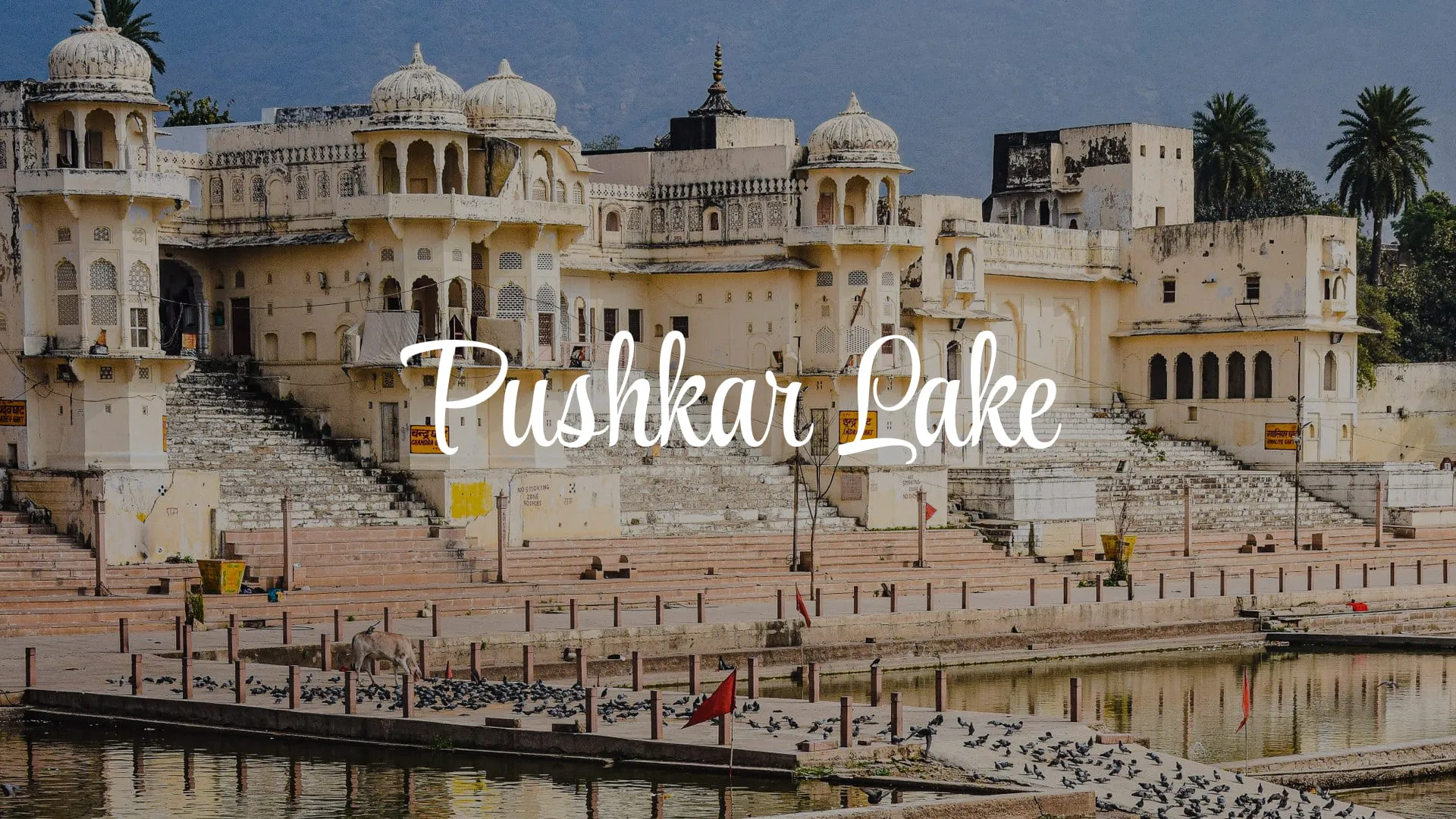
Pushkar Lake: Complete Guide to Rajasthan's Holiest Sacred Lake
Surrounded by 52 bathing ghats and over 400 temples, Pushkar Lake is one of the most sacred lakes in Hinduism and the spiritual heart of the ancient town of Pushkar in Rajasthan. According to Hindu mythology, the lake was created when Lord Brahma dropped a lotus flower from the heavens, and the petals touched the earth at this very spot. A sacred dip in Pushkar Lake is believed to cleanse all sins, making it a revered pilgrimage destination for Hindus across the world.
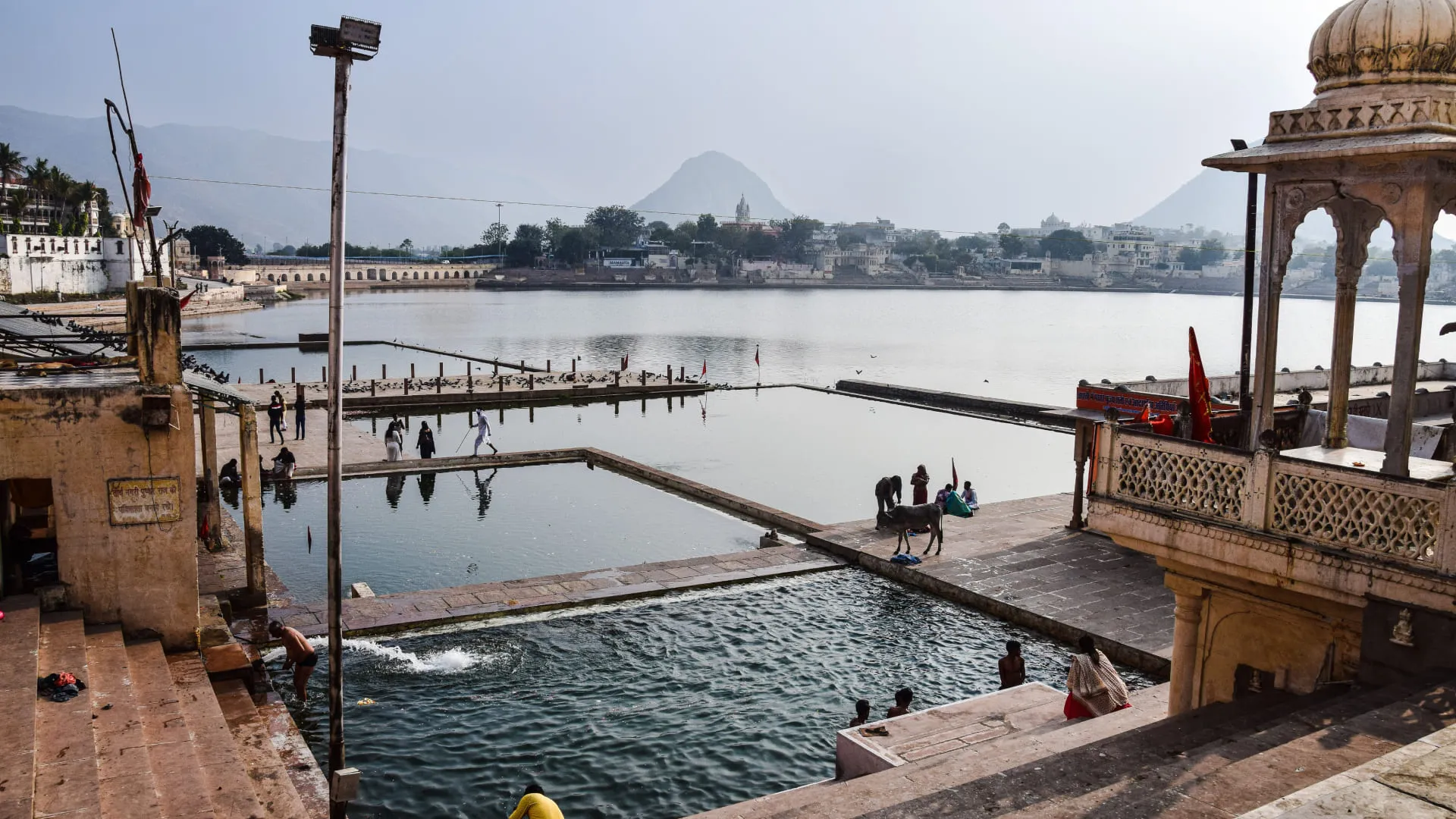
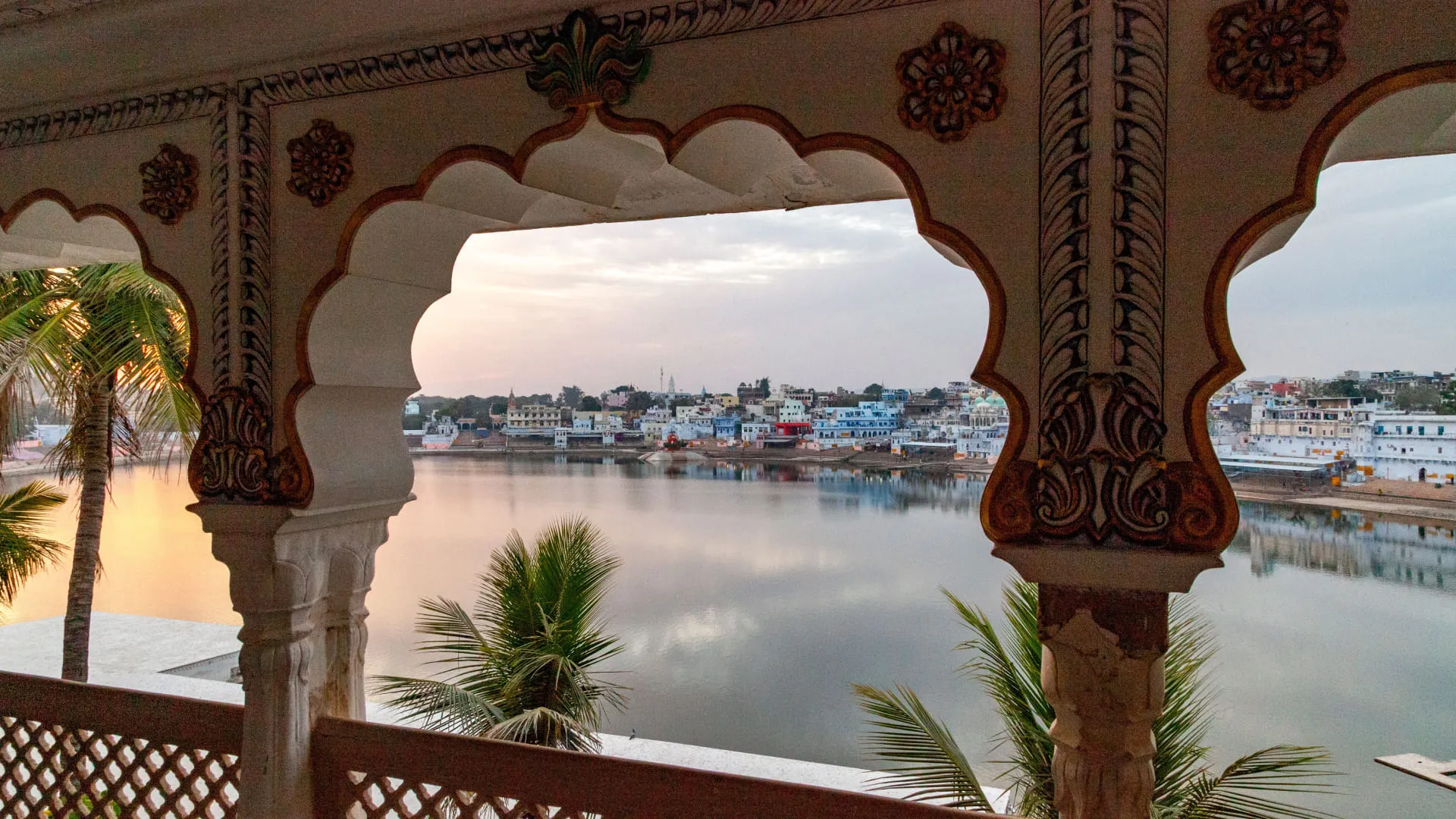
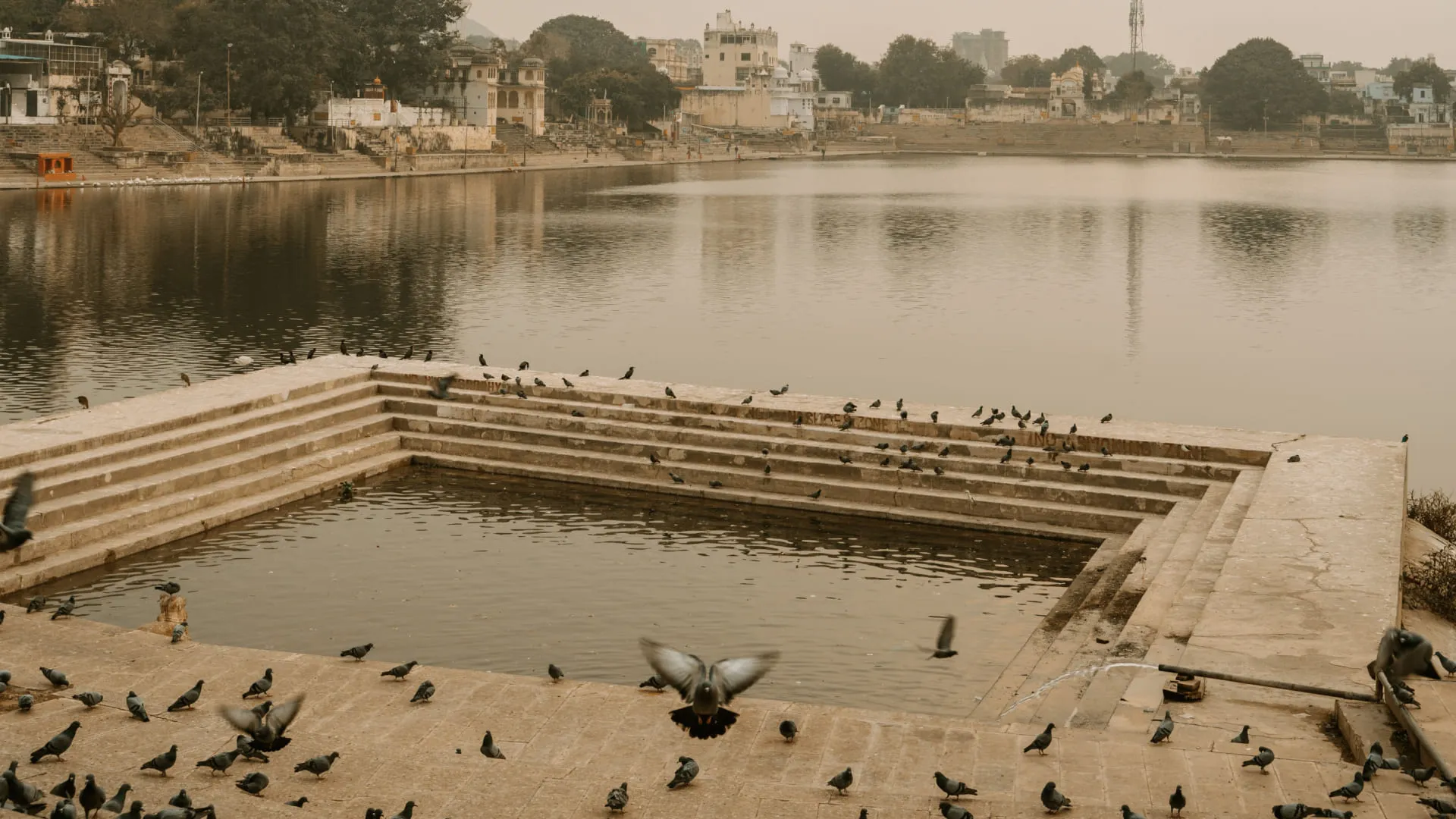
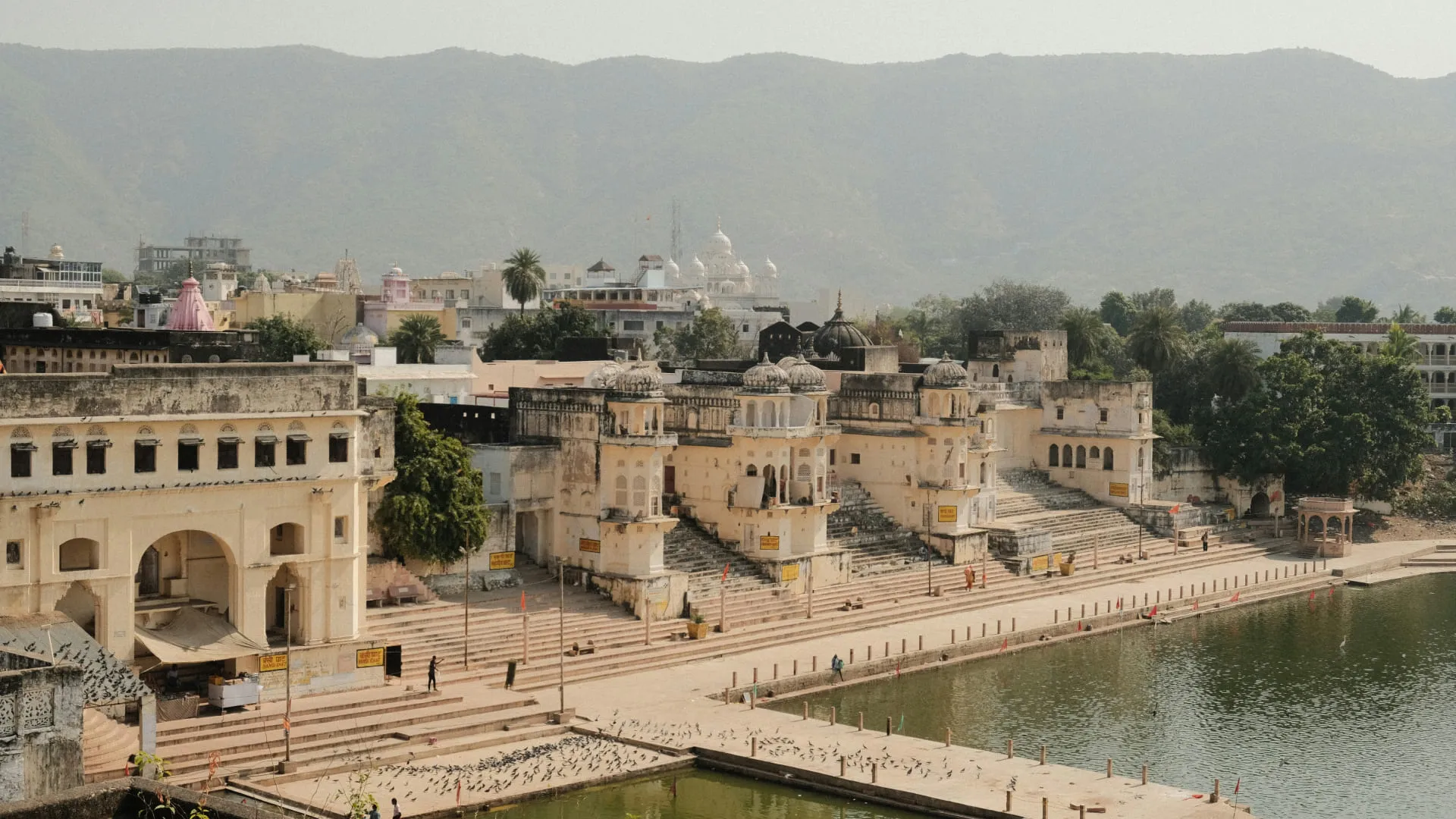
The lake is set in a natural valley surrounded by the Aravalli Hills, with the whitewashed temples and ghats of Pushkar town framing its shores. The atmosphere along the ghats — where devotees perform pujas, evening aartis illuminate the water, and the fragrance of incense fills the air — creates an experience that is both deeply spiritual and visually enchanting. Pushkar Lake is also central to the famous Pushkar Camel Fair, adding a cultural dimension to its religious significance.
Why Visit Pushkar Lake?
- One of the most sacred lakes in Hinduism, believed to cleanse all sins with a dip.
- 52 bathing ghats with historical and spiritual significance line the lake.
- Over 400 ancient temples surround the lake, including the only Brahma Temple.
- Mesmerising evening aarti ceremonies reflected in the still waters.
- Central to the famous annual Pushkar Camel Fair held in November.
- Surrounded by the scenic Aravalli Hills creating a peaceful natural setting.
- A rare place where mythology, devotion, and natural beauty converge.
History of Pushkar Lake
According to the Padma Purana, Lord Brahma searched for a suitable place on earth to perform a yajna (fire sacrifice). He released a lotus from his hand, and where its petals fell, water sprang up, creating Pushkar Lake. The word "Pushkar" itself derives from "pushpa" (flower) and "kar" (hand) — literally meaning "created by the flower from the hand of Brahma." This mythological origin makes Pushkar one of the five sacred dhams (pilgrimage sites) for Hindus.
Historically, the lake and its ghats have been patronised by numerous rulers and dynasties. The Maratha Peshwas, Scindia rulers, Mughal emperors, and various Rajput kings built and maintained the ghats and temples around the lake. Mahadji Scindia built the famous Gau Ghat, while several Rajput rulers contributed to the construction of temples and dharamshalas along the shores.
In recent decades, the lake has faced environmental challenges including declining water levels due to reduced rainfall, urbanisation, and encroachment. Conservation efforts by the government and local organisations have aimed to restore and protect this sacred water body. Despite these challenges, Pushkar Lake continues to draw millions of pilgrims, especially during Kartik Purnima (the full moon of the Kartik month) when a dip in the lake is considered most auspicious.
Main Attractions
Brahma Ghat
The most sacred of all 52 ghats, Brahma Ghat is believed to be the spot where Lord Brahma performed his yajna. It is the most popular bathing ghat among pilgrims and offers the closest access to the Brahma Temple. The morning and evening aarti ceremonies here are the spiritual highlight of any Pushkar visit.
Varaha Ghat
Named after Lord Vishnu's Varaha (boar) avatar, this ghat is one of the most important and oldest ghats on the lake. It is believed that Lord Vishnu appeared here in his boar form. The ghat features beautiful stone steps and is a popular spot for religious rituals.
Gau Ghat
Built by Mahadji Scindia of Gwalior, Gau Ghat is one of the largest and most architecturally impressive ghats on Pushkar Lake. It features wide stone steps leading down to the water and is a busy bathing spot for pilgrims throughout the year.
Evening Aarti
Every evening, priests conduct an aarti ceremony at the main ghats. Small leaf boats carrying flowers and oil lamps are set afloat on the lake as prayers are chanted and bells ring. The flickering lamps reflected in the darkening waters create a scene of ethereal beauty that epitomises the spiritual magic of Pushkar.
52 Ghats Walk
Walking around the lake and visiting the various ghats is one of the most rewarding experiences in Pushkar. Each ghat has its own history, mythology, and architectural character. The circumambulation of the lake, known as parikrama, is a traditional ritual that takes about 2 to 3 hours on foot.
Natural Highlights
- A natural freshwater lake set in a valley surrounded by the Aravalli Hills.
- The lake surface reflects temples, ghats, and hills creating stunning visual compositions.
- Various bird species including migratory birds during winter months.
- Desert vegetation and rocky Aravalli terrain framing the lake on all sides.
- Sunset and sunrise over the lake with the hills as backdrop offer magical light.
Best Time to Visit
Summer (April to June)
Hot and dry with temperatures exceeding 40 degrees Celsius. The lake water level may be low. Visit early morning for the aarti and avoid midday heat.
Monsoon (July to September)
Rainfall replenishes the lake and cools the town. The surrounding hills turn green. The monsoon atmosphere along the ghats is refreshing though rain may interrupt plans.
Winter (October to March)
The best season with pleasant temperatures between 10 and 25 degrees Celsius. The Pushkar Camel Fair in November and Kartik Purnima bring the lake and town to their most vibrant state.
Recommended Season: October to March. Kartik Purnima (November) is the most auspicious time for a sacred dip.
Entry Fee & Timings
Lake Access: Free and open throughout the day.
Ghat Access: Free, though donations may be requested by priests at certain ghats.
Morning Aarti: Around 6:00 AM
Evening Aarti: Around 6:30 PM to 7:00 PM (varies by season)
Photography: Permitted along the ghats. Be respectful of devotees performing rituals.
Timings may change during festivals. Please verify locally.
Things to Do at Pushkar Lake
- Take a sacred dip in the lake at Brahma Ghat or any of the 52 ghats.
- Attend the evening aarti and watch floating flower lamps illuminate the water.
- Walk the parikrama (circumambulation) of the lake visiting all 52 ghats.
- Visit the Brahma Temple, the only Brahma temple in the world, adjacent to the lake.
- Explore the over 400 temples surrounding the lakeshore.
- Meditate or practice yoga along the peaceful ghats in the early morning.
- Photograph the reflections of temples and hills in the still lake waters.
- Climb to the Savitri Temple for panoramic views of the lake and town.
- Experience the Pushkar Camel Fair if visiting in November.
How to Reach
By Road: Pushkar Lake is in the centre of Pushkar town, walkable from any hotel in the town. Pushkar is 14 km from Ajmer and connected by regular buses and shared taxis.
- Ajmer — Approximately 14 km
- Jaipur — Approximately 145 km
- Jodhpur — Approximately 215 km
- Delhi — Approximately 415 km
- Ajmer Junction Railway Station — Approximately 14 km
By Train: Ajmer Junction is the nearest major station, about 14 km away. Pushkar also has a small railway station with limited services.
By Air: Jaipur International Airport (approximately 145 km) is the nearest major airport.
Nearby Attractions
- Brahma Temple — The only Brahma temple in the world, on the lake's western shore.
- Savitri Temple — Hilltop temple with ropeway access and panoramic views.
- Rangji Temple — Grand temple blending Rajput, Mughal, and South Indian styles.
- Varaha Temple — Ancient temple dedicated to Lord Vishnu's boar avatar.
- Pushkar Bazaar — Vibrant market with silver jewellery, textiles, and handicrafts.
- Ajmer Sharif Dargah — Sacred Sufi shrine, 14 km away in Ajmer.
- Taragarh Fort — Ancient hilltop fort overlooking Ajmer.
- Rose Garden — Pushkar is famous for its rose cultivation and rose products.
Travel Tips
- Be cautious of self-appointed priests at the ghats who may pressure you for donations or "Pushkar passports."
- Respect the sacred nature of the lake — no soap, shampoo, or pollution is allowed.
- Remove shoes before stepping onto the ghats.
- Pushkar is a vegetarian and alcohol-free town — plan accordingly.
- Visit during the early morning for the most peaceful ghat experience.
- Carry modest clothing — shorts and sleeveless tops are discouraged near the ghats.
- The evening aarti is a must-attend experience — arrive 15 minutes early for a good spot.
- The lake parikrama takes 2 to 3 hours — carry water and wear comfortable shoes.
- During the Camel Fair, accommodation prices rise sharply — book well in advance.
- Combine Pushkar with Ajmer for a full day of spiritual and cultural exploration.
Food & Local Cuisine
Pushkar is entirely vegetarian — no meat, fish, or eggs are served in the town. Popular local dishes include Dal Baati Churma, Malpua, Kachori, and Lassi. The town has numerous rooftop cafes serving Indian and international vegetarian food, including pizza, pasta, and Israeli cuisine catering to the international backpacker community.
Sunset Cafe overlooking the lake is one of the most popular dining spots. Sixth Sense Rooftop offers excellent views with quality food. Street food stalls near the bazaar serve fresh jalebis, samosas, and chai at minimal prices.
Shopping
Pushkar Bazaar is a colourful market offering silver jewellery, rose products (rose water, rose oil, rose-flavoured sweets), embroidered bags, Rajasthani textiles, leather goods, and bohemian clothing. Pushkar roses are famous, and rose-based products make unique souvenirs. Bargaining is expected throughout the bazaar.
Photography Tips
The ghats during morning and evening aarti offer the most atmospheric photography. Reflections in the still lake water during early morning create stunning compositions. The view from the Savitri Temple hilltop provides the best panoramic shot of the lake and surrounding town. Use a longer lens for intimate portraits of devotees (always with permission). The Pushkar Camel Fair is a photographer's paradise with its colourful chaos.
Be respectful of devotees performing rituals and always ask before photographing people in prayer.
Quick Facts
Location: Pushkar, Ajmer District, Rajasthan, India
State: Rajasthan
District: Ajmer
Number of Ghats: 52
Number of Temples: Over 400 surrounding the lake
Famous For: Sacred Bathing, Evening Aarti, Brahma Temple, Pushkar Camel Fair
Ideal Duration: 2 to 3 hours (lake and ghats); half to full day for Pushkar town
Best Season: October to March
Ideal For: Pilgrims, Spiritual Seekers, Culture Enthusiasts, Photographers, Backpackers
Google Maps: https://www.google.com/maps/search/Pushkar+Lake+Rajasthan
Frequently Asked Questions
Is Pushkar Lake a natural or man-made lake?
Pushkar Lake is a natural freshwater lake formed in a valley between the Aravalli Hills, though its ghats and embankments have been constructed and maintained over centuries.
Is bathing in Pushkar Lake allowed?
Yes, bathing in Pushkar Lake is an important religious ritual. Devotees take a sacred dip at the ghats throughout the year, with Kartik Purnima considered the most auspicious time.
What is the Pushkar Camel Fair?
The Pushkar Camel Fair is one of the world's largest livestock fairs, held annually in November. It features camel trading, camel races, cultural performances, and festive celebrations around Pushkar Lake.
Is Pushkar Lake clean for bathing?
Conservation efforts have been ongoing to maintain the lake's cleanliness. Using soap, shampoo, or any pollutants in the lake is strictly prohibited. The lake is considered sacred, and pilgrims take a ritual dip for spiritual cleansing.
How deep is Pushkar Lake?
The lake's depth varies by season. It is deepest after a good monsoon and may recede significantly during dry years. The bathing areas at the ghats are generally shallow and safe.
Final Thoughts
Pushkar Lake is one of those rare places where mythology becomes tangible. Standing at the ghats as the evening aarti fills the air with chanting and the floating lamps dot the darkening water, you feel the weight of centuries of devotion concentrated at this single, sacred spot. The lake is the reason Pushkar exists, and experiencing its spiritual atmosphere is essential to understanding what makes this small town so profoundly special.
Whether you come as a pilgrim seeking spiritual merit or as a traveller drawn by curiosity, Pushkar Lake delivers an experience that stays with you. Its combination of mythological significance, architectural beauty, and living devotion makes it one of the most meaningful destinations not just in Rajasthan, but in all of India.
Optimized 1-Day & 2-Day Travel Itineraries
To help you experience the very best of Pushkar Lake at a comfortable pace, here is a structured step-by-step itinerary covering morning highlights, afternoon cultural exploration, and golden hour viewpoints:
Core Heritage & Signature Sightseeing
Extended Circuit, Nature & Culinary Trail
Travel Essentials & Quick Facts
October to March
Pleasant weather & clear views
06:00 AM – 06:00 PM
Standard public entry hours
Free Entry / Nominal Charges
On-site / Online counter
1 to 2 Days
Comprehensive sightseeing
Available on-site
Designated parking plaza
₹1,500 – ₹3,500 / person
Includes travel, entry & food
Photo Gallery
Get Directions
Planning to visit? Click below to open Google Maps with the exact coordinates.
Open in Google MapsGet Daily Travel Alerts & Hidden Gems
Join 10,000+ travellers on WhatsApp for weekend road trips and verified guides.
Frequently Asked Questions
Answers to common visitor questions
Visiting hours for Pushkar Lake: Complete Guide to Rajasthan's Holiest Sacred Lake are generally 6:00 AM to 6:00 PM daily. We recommend visiting during early morning or sunset for the best experience.
Omkareshwar Jyotirlinga: Timings, Parikrama & Travel Guide
Shamlaji Temple Aravalli: Darshan Timings, History & Fair Guide
Related Experiences
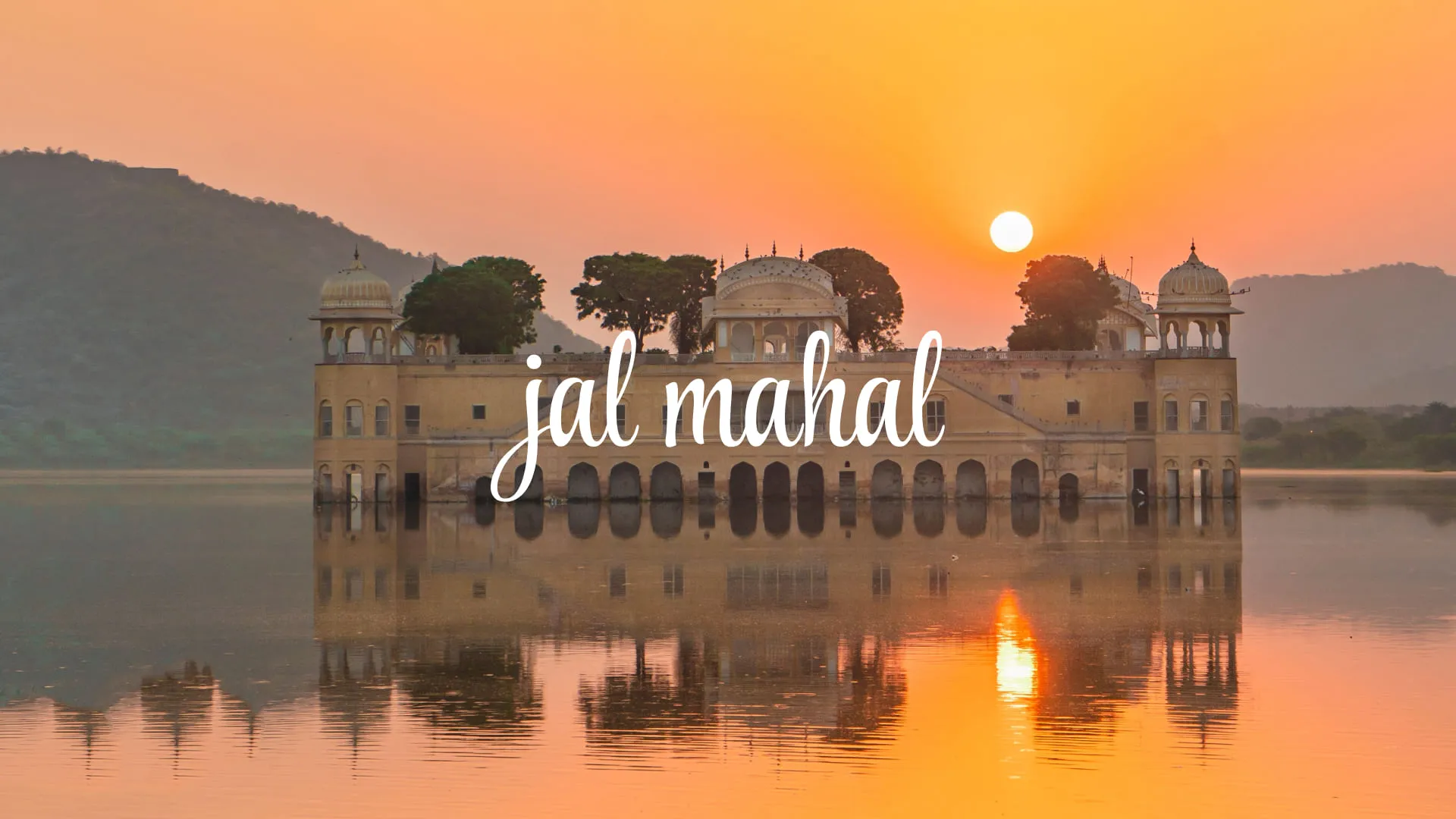
Jal Mahal Jaipur: Complete Travel Guide, History, Architecture & Night View
Explore Guide →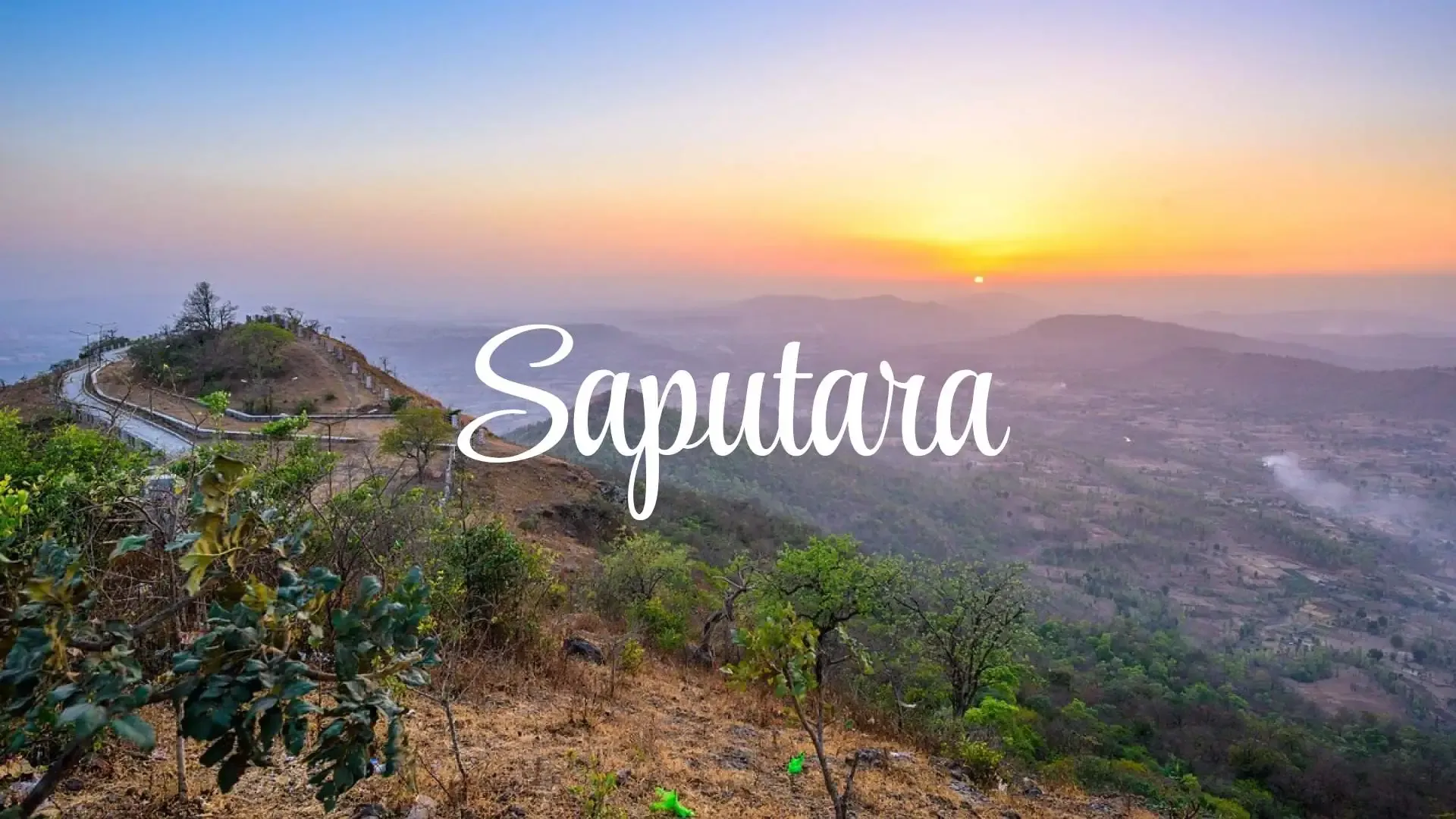
Saputara: The Ultimate Travel Guide to Gujarat's Misty Hill Station
Explore Guide →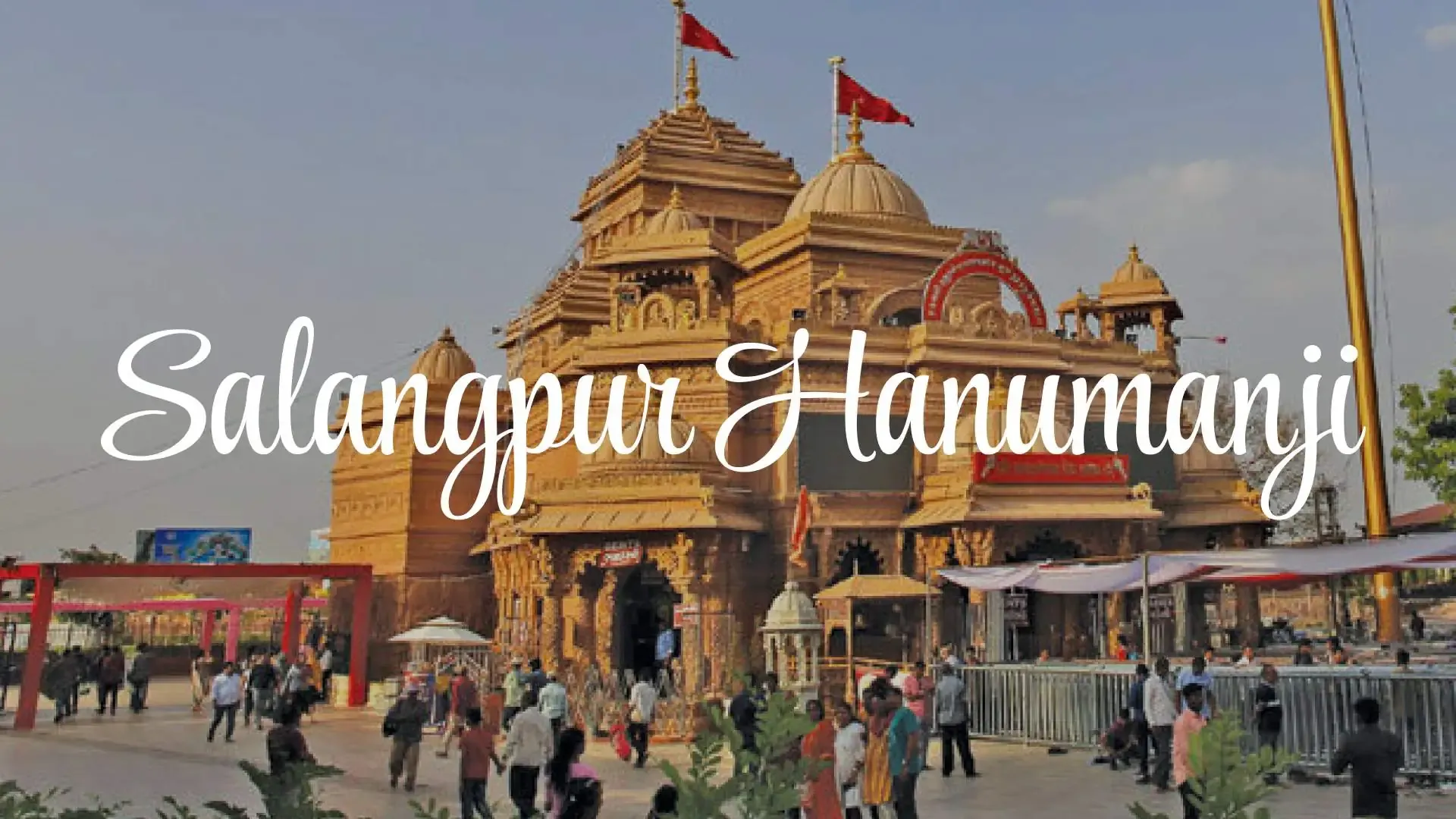
Salangpur Hanumanji
Explore Guide →
80th Independence Day of India (2026): Red Fort Parade, Theme, History & Travel Guide
Explore Guide →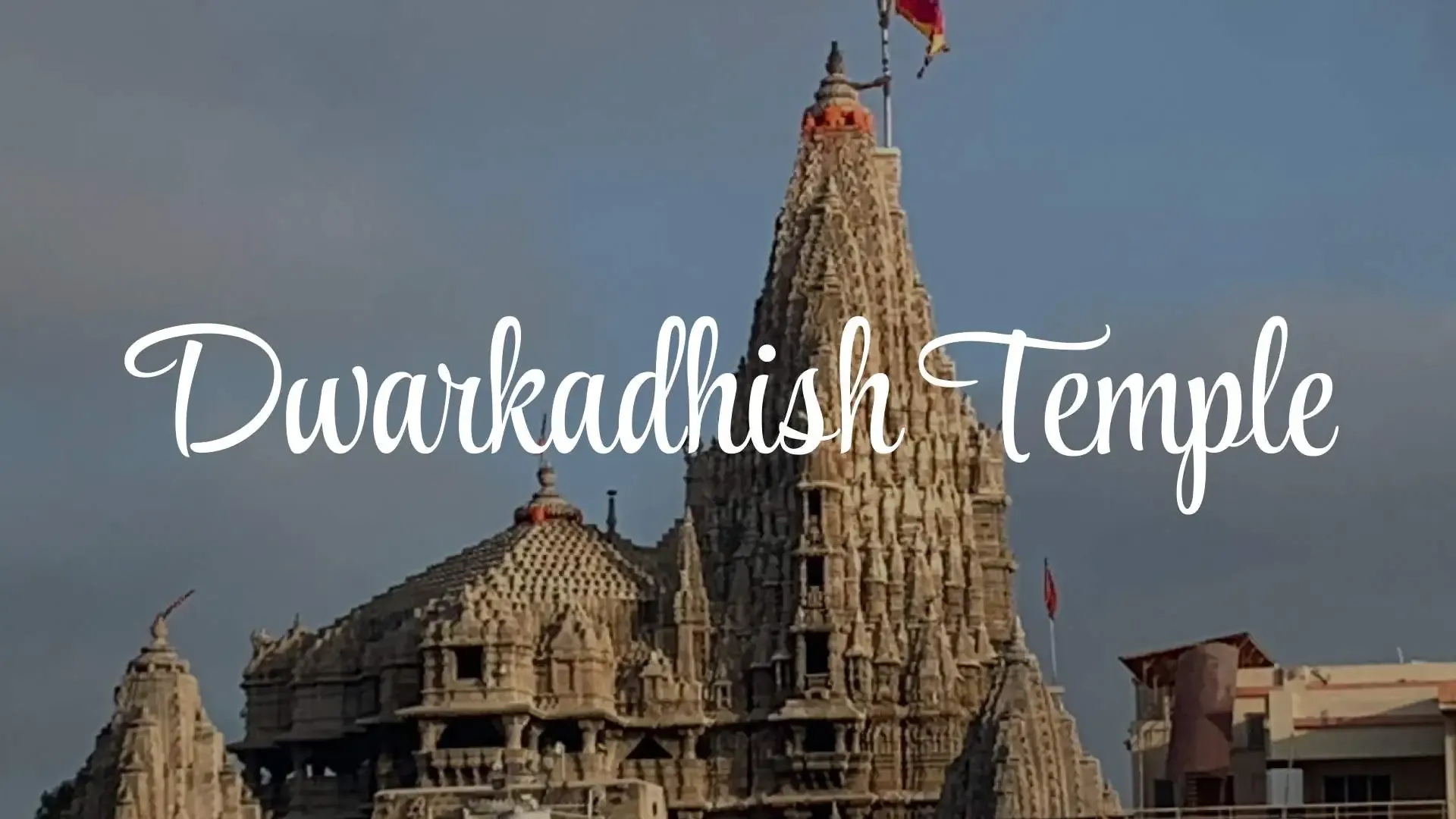
Dwarkadhish Temple: The Sacred Kingdom of Lord Krishna
Explore Guide →