
Introduction
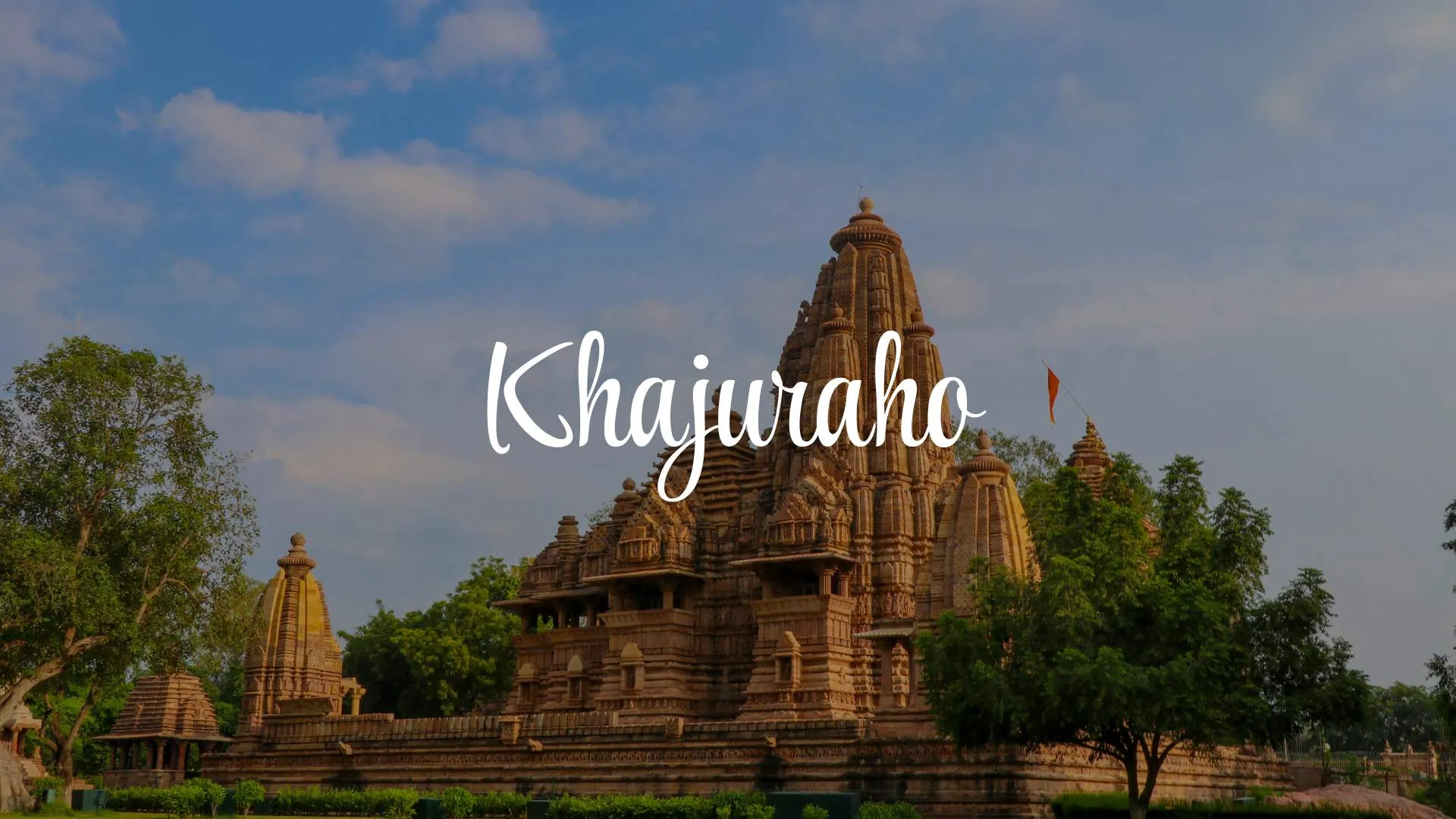
The Khajuraho Group of Temples, situated in the Chhatarpur district of Madhya Pradesh, stands as one of India's most extraordinary artistic and architectural achievements. Built between 950 AD and 1050 AD by the rulers of the Chandela dynasty, this stunning complex of Hindu and Jain temples is renowned worldwide for its striking Nagara-style architecture and exquisite sculptural carvings. Inscribed as a UNESCO World Heritage Site in 1986, Khajuraho represents the pinnacle of Indian temple craftsmanship during the medieval era.
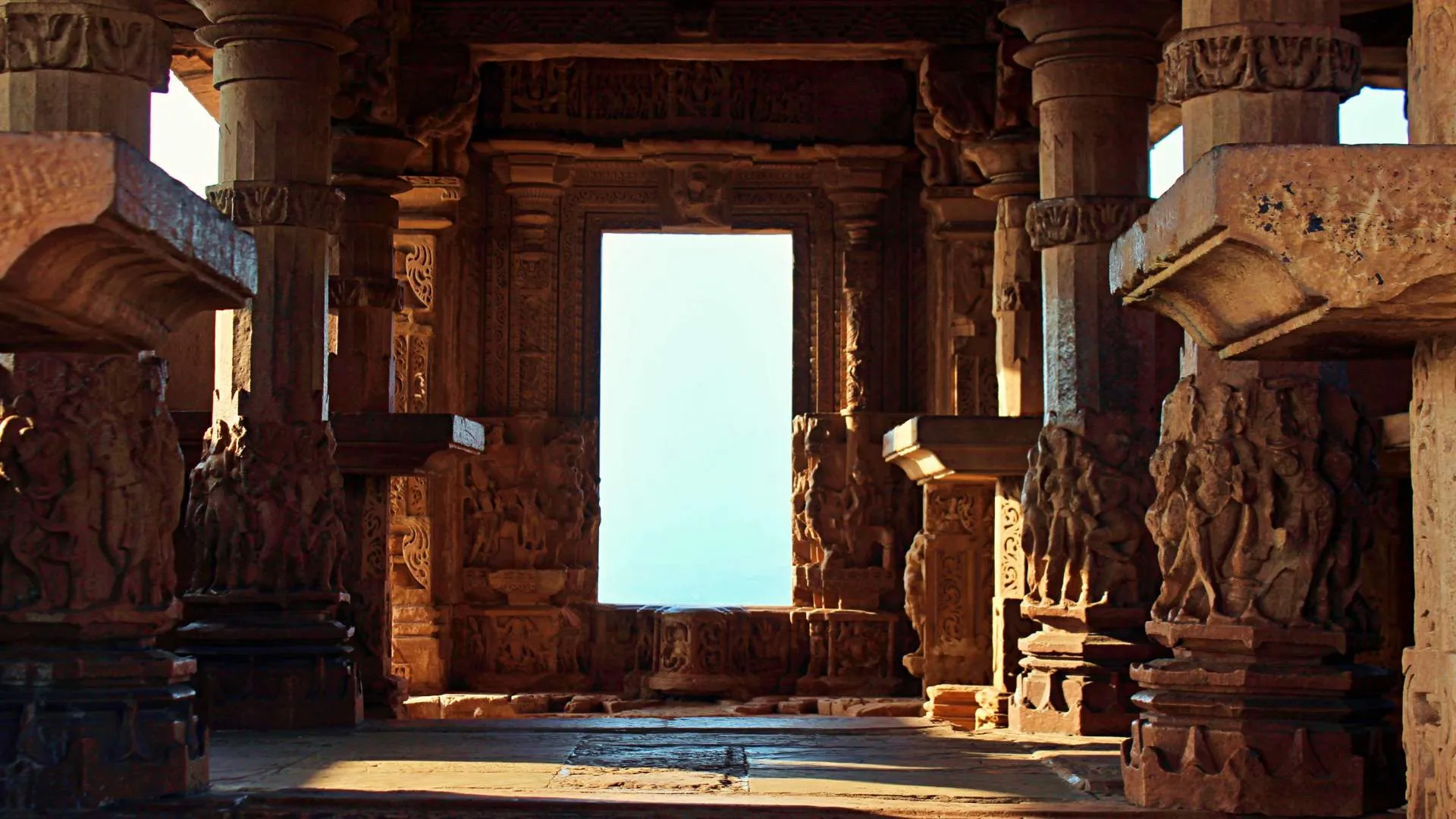
Originally comprising 85 magnificent temples spread over an area of 20 square kilometres, only 25 temples have survived the test of time and medieval invasions. These remaining structures are categorized into three geographical groups: the Western Group, the Eastern Group, and the Southern Group. Far beyond the famous erotic sculptures that capture popular imagination, Khajuraho's carvings offer a comprehensive pictorial chronicle of 10th-century Indian social life, spiritual philosophies, courtly customs, music, dance, and daily human activities.
Surrounded by manicured gardens and quiet rural landscapes, a visit to Khajuraho offers travellers a serene yet captivating journey into ancient Indian heritage. Whether you are an architecture lover, history enthusiast, photographer, or spiritual seeker, walking among these elevated sandstone monuments provides an unforgettable perspective on the artistic heights achieved by ancient Indian sculptors.
Why Visit Khajuraho Group of Temples?
- UNESCO World Heritage Site housing the world's finest examples of Nagara-style temple architecture.
- Home to the magnificent Kandariya Mahadev Temple, famous for its grand soaring spire and intricate carvings.
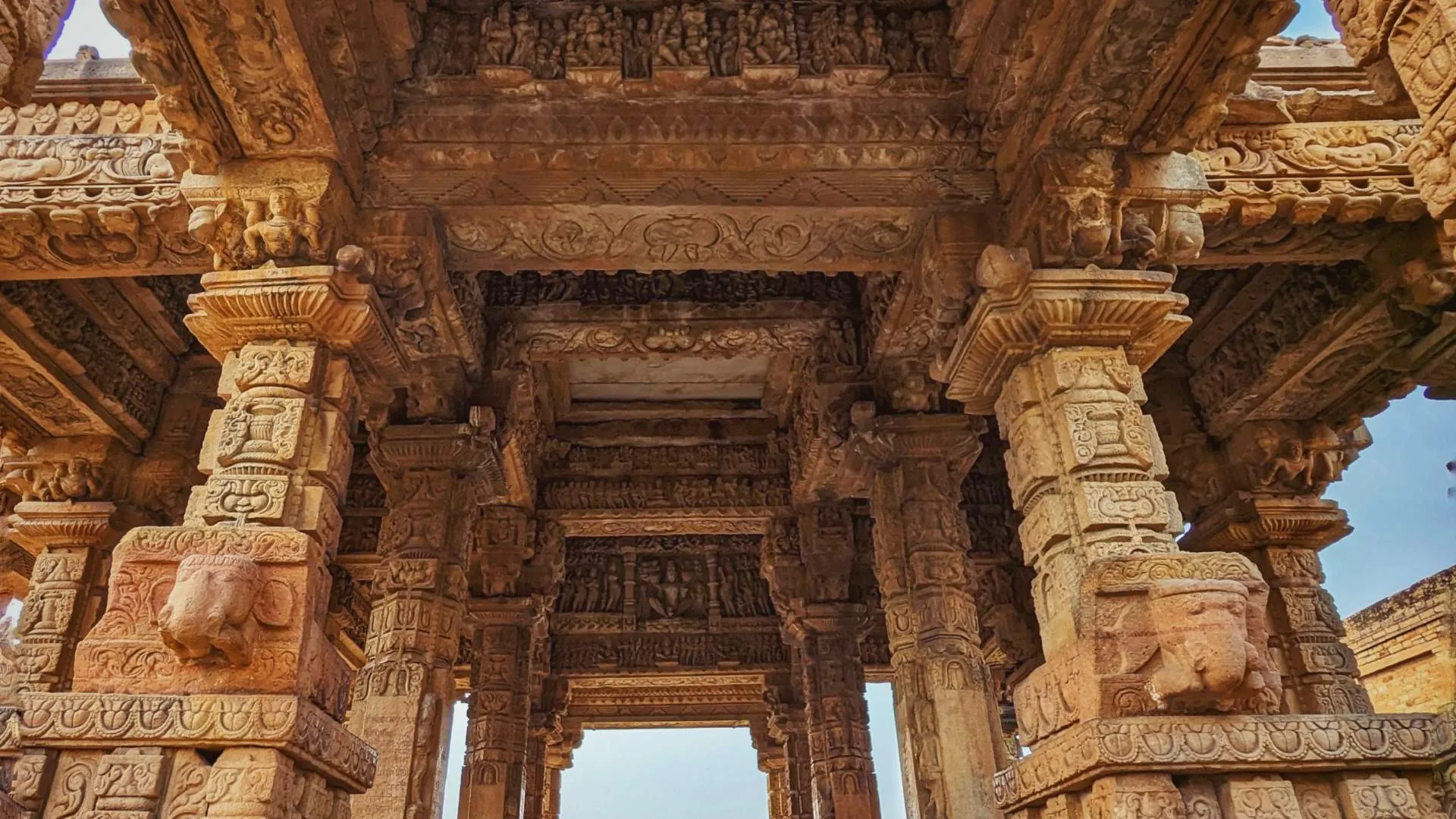
- Unrivalled stone craftsmanship depicting cellular details of music, dance, spiritual rituals, and courtly life.
- Offers a harmonious blend of Hindu (Shaiva, Vaishnava) and Jain temples coexisting in peace.
- Host to the world-famous annual Khajuraho Dance Festival held against the backdrop of illuminated temples.
- Beautifully maintained archaeological parks with lush green gardens and peaceful walkways.
- Located close to Panna National Park, offering a seamless combination of heritage and wildlife tourism.
History
The history of Khajuraho is intimately linked with the rise and peak of the Chandela Dynasty, who ruled the region of Bundelkhand between the 9th and 13th centuries. The Chandelas initially served as vassals under the Gurjara-Pratihara empire before establishing their independent sovereignty. Legend attributes the founding of the dynasty to Chandravarman, the son of the Moon God (Chandra) and a mortal Brahmin woman named Hemavati. Under Chandela rulers like Yasovarman and Dhanga, Khajuraho blossomed as the grand religious capital of the kingdom.
Most of the major temples were constructed during a golden century of patronized building between 950 AD and 1050 AD. Each king built at least one grand temple to commemorate military victories, religious devotion, or coronation events. The famous Kandariya Mahadev Temple, dedicated to Lord Shiva, was commissioned around 1030 AD by King Vidyadhara to celebrate his success over Mahmud of Ghazni. The temples were designed following strict canonical principles detailed in ancient Vastu Shastra texts, utilizing dry sandstone masonry without mortar.
Following the decline of the Chandela dynasty in the 13th century and the shift of regional power to Mahoba, Khajuraho fell into obscurity. The isolated forest cover of Bundelkhand protected the temples from extensive destruction during medieval invasions. The complex remained hidden in dense jungles until 1838, when British engineer Captain T.S. Burt was guided to the site by local villagers. Today, protected by the Archaeological Survey of India (ASI), Khajuraho stands restored to global acclaim.
Main Attractions
Kandariya Mahadev Temple
Standing as the largest and most magnificent monument in the Western Group, the Kandariya Mahadev Temple represents the apex of Chandela architectural achievement. Dedicated to Lord Shiva, its main spire (shikhara) towers 31 metres high, surrounded by 84 smaller miniature spires that resemble a mountain range. The temple exterior contains over 800 intricately sculpted statues depicting gods, goddesses, celestial nymphs (apsaras), musicians, and erotic couples, showcasing unmatched plasticity and detail.
Lakshmana Temple
Built by King Yasovarman around 954 AD, the Lakshmana Temple is one of the oldest and best-preserved temples in the Western Group. Dedicated to Lord Vishnu, this panchayatana (five-shrine) style temple features a raised plinth adorned with continuous narrative friezes of battle scenes, royal processions, and elephant parades. The inner sanctum houses a rare three-headed, four-armed idol of Vishnu in his Vaikuntha incarnation.
Vishvanatha Temple
Commissioned by King Dhanga in 999 AD, the Vishvanatha Temple features two sacred shrines — one housing a stone Shiva Lingam and the other facing it containing a massive, polished monolithic statue of Nandi, the sacred bull. The exterior walls are decorated with some of the most celebrated apsara figures of Khajuraho, including nymphs applying makeup, plucking thorns from their feet, or playing musical instruments.
Parsvanatha Temple (Eastern Group)
The largest of the Jain temples at Khajuraho, the Parsvanatha Temple is famous for its harmonious structural proportions and extraordinary wall carvings. Unlike Hindu temples where erotic motifs appear on outer bands, the Jain temple walls feature graceful sculptures of celestial maidens, court dancers, and tirthankaras in tranquil meditative postures, reflecting Jain aesthetic sensibilities.
Chitragupta Temple
The Chitragupta Temple is unique as the only temple in Khajuraho dedicated exclusively to Surya, the Sun God. Facing east toward the rising sun, the inner sanctum houses an imposing seven-foot idol of Surya driving a chariot pulled by seven horses. The exterior walls depict dynamic carved scenes of royal hunting parties, dance performances, and assemblies.
Matangeshwar Temple
Located just outside the enclosed Western Group complex, the Matangeshwar Temple is the only temple in Khajuraho that remains an active place of daily worship. Dedicated to Lord Shiva, it houses a massive eight-foot-tall polished brass Shiva Lingam. Thousands of pilgrims gather here during Mahashivratri for night prayers and sacred rituals.
Duladeo Temple (Southern Group)
Situated on the banks of the Khudar River, Duladeo Temple is dedicated to Lord Shiva and represents the last phase of Chandela architecture built around 1130 AD. The temple is notable for its intricate flying celestial figures (vidyadharas) carved into the ceiling vaults and its multi-tiered circular hall pillars.
Architecture / Natural Highlights
The temples of Khajuraho are masterclasses in Nagara-style Hindu temple architecture, characterized by their elevated platform bases (jagati), multi-tiered spires (shikhara), and curvilinear profiles designed to mimic the sacred Himalayan peaks. Built primarily from golden-buff sandstone quarried from the nearby Panna hills, the blocks were precisely carved and fitted together using mortise-and-tenon joints without cement or mortar, relying on gravity and balance for structural stability.
Architecturally, a typical Khajuraho temple comprises five aligned sections: an entrance porch (ardhamandapa), an outer hall (mandapa), a central hall (mahamandapa), an inner ambulatory pathway (pradakshinapatha), and the holy sanctum sanctorum (garbhagriha). The outer walls are divided into horizontal sculptural bands. These carvings reflect the four purusharthas (human life goals) in classical Hindu philosophy: Dharma (righteousness), Artha (wealth), Kama (desire/pleasure), and Moksha (spiritual liberation).
The surrounding landscape enhances the visual impact of these monuments. Nestled along the banks of the Khudar River and surrounded by the low forested ridges of the Vindhya Range, the temples are set within lush green lawns created by the ASI. The nearby Panna tropical dry deciduous forests add rich natural biodiversity, housing tigers, leopards, and crocodiles along the Ken River.
Best Time to Visit
Summer (April to June)
Summers in Central India are scorching, with daytime temperatures rising between 40°C and 45°C. Exploring the open-air stone temple grounds can be physically demanding. If visiting in summer, restrict your sightseeing to early morning hours (6:00 AM to 9:00 AM) or late afternoon.
Monsoon (July to September)
The monsoon rains bring relief from heat, turning the surrounding landscape vibrant green. Rain-washed sandstone temples glow beautifully against overcast skies, creating scenic photography conditions. However, high humidity and sudden downpours may interrupt long walks.
Winter (October to March)
Winter is the absolute best time to explore Khajuraho. Daytime temperatures range pleasantly between 15°C and 28°C, providing ideal conditions for strolling across the sprawling temple gardens and attending evening light shows.
Recommended Season: October to March offers optimal weather. Planning your visit in February allows you to experience the famous 7-day Khajuraho Dance Festival.
Entry Fee & Timings
Opening Time: Sunrise (approx. 6:00 AM)
Closing Time: Sunset (approx. 6:00 PM)
Entry Fee (Indian Nationals & SAARC): ₹40 per person (Western Group)
Entry Fee (Foreign Nationals): ₹600 per person (Western Group)
Children (below 15 years): Free entry
Light & Sound Show (English): ₹300 (Indian) / ₹700 (Foreign)
Light & Sound Show (Hindi): ₹300 (Indian) / ₹700 (Foreign)
Photography Charges: Still photography included in entry ticket; tripod and commercial video equipment require prior ASI permission.
Parking: Paid parking available near the Western Group entrance gate (₹30 for two-wheelers, ₹70 for cars).
Timings and fees may change. Please verify before planning your visit.
Things to Do
- Explore the grand Western Group of Temples with a certified ASI heritage guide.
- Witness the grand Sound and Light Show in the evening narrated by Bollywood veteran Amitabh Bachchan.
- Attend the renowned Khajuraho Dance Festival held annually every February in front of the Chitragupta Temple.
- Rent a bicycle to explore the peaceful rural paths connecting the Eastern and Southern Group of temples.
- Visit the Archaeological Museum near the Western Group to examine rare excavated statues and inscriptions.
- Take an early morning heritage walk through Khajuraho Old Village to experience rural Bundelkhand life.
- Enjoy a day trip safari to Panna National Park (30 km away) to spot Bengal tigers and gharials.
- Boating and bird watching at Raneh Waterfalls and Ken Gharial Sanctuary along the Ken River canyon.
- Shop for hand-carved stone miniatures and traditional brassware from local artisan markets.
- Participate in evening prayers (Aarti) at the active Matangeshwar Shiva Temple.
How to Reach
By Road: Khajuraho is well-connected by state highways to major cities across Madhya Pradesh and neighboring states. Regular sleeper and express buses connect Khajuraho to Jhansi (175 km), Satna (117 km), Harpalpur (95 km), and Bhopal (375 km).
By Train: Khajuraho Railway Station (KURJ) is located roughly 5 km from the main temple complex. It offers direct train connections to Delhi (Gita Jayanti Express, Vande Bharat Express), Varanasi, Agra, and Bhopal. Alternatively, Satna Railway Station (117 km) and Jhansi Junction (175 km) serve as major railheads connected to all Indian metros.
By Air: Khajuraho Airport (HJR) is located just 4 km from the town center. Direct and connecting flights operate regularly connecting Khajuraho to Delhi, Varanasi, and Mumbai via commercial airlines.
Nearby Attractions
- Panna National Park (30 km) — Premier tiger reserve showcasing teak forests, sloth bears, leopards, and Ken River safaris.
- Raneh Waterfalls (20 km) — Dramatic canyon formed by crystalline granite rocks in shades of pink, red, and grey.
- Ken Gharial Sanctuary (24 km) — Protected river sanctuary dedicated to breeding endangered gharials and marsh crocodiles.
- Pandav Waterfalls (34 km) — Scenic natural waterfall emptying into a circular pool surrounded by caves associated with the Pandavas.
- Ajaygarh Fort (80 km) — Secluded hill fort of the Chandela rulers perched atop a flat hill surrounded by dense forest.
- Kalinjar Fort (100 km) — Massive ancient hill fortress featuring the famous Neelkanth Shiva temple and historic rock carvings.
- Dhubela Museum (60 km) — Located in Chhatarpur, housing royal armaments and artifacts from the reign of Maharaja Chhatrasal.
- Benisagar Lake (7 km) — Peaceful reservoir surrounded by hills, ideal for evening picnics and quiet bird watching.
Travel Tips
- Hire an official ASI-licensed guide or purchase an audio guide at the Western Group entrance for authentic historical insights.
- Start your sightseeing early in the morning at 6:00 AM to enjoy cool temperatures and capture optimal sunlight on the temples.
- Wear comfortable, easy-to-remove walking shoes since shoes must be removed before stepping onto temple platforms.
- Carry sun protection including a wide hat, sunglasses, sunscreen, and a refillable water bottle.
- Respect local customs and avoid touching delicate ancient stone carvings on the temple facades.
- Book your safari tickets for Panna National Park online well in advance if planning a combined itinerary.
- Carry sufficient cash as small vendors, rickshaws, and local shops may not accept digital payments.
- Dress modestly when visiting active places of worship like the Matangeshwar Temple.
- Allocate at least two full days to explore the Western, Eastern, and Southern groups along with nearby natural sights.
- Watch out for unauthorized guides or aggressive souvenir sellers near tourist parking areas.
Food & Local Cuisine
The culinary landscape of Khajuraho offers a delicious blend of traditional Bundelkhandi flavors alongside international multi-cuisine options catering to global tourists. Local vegetarian specialties include Bafla Bread with Dal (baked wheat balls dipped in ghee served with spicy lentils), Sabudana Khichdi, Kadi Pakoda, and Biryani. For dessert, do not miss tasting Jalebi with Rabri, Mawa Bati, and local Khurma.
Popular dining spots in Khajuraho include Raja Cafe located directly opposite the Western Group, famous for its heritage rooftop setting and global menu. Lassi Corner serves authentic Indian street snacks and thick lassi, while Mediterraneo offers home-style Italian pizzas and pasta. For fine-dining royal Indian cuisine, visit La Terrazza at The Lalit Temple View or Zodiac at Fortune Hotel.
Shopping
Shopping in Khajuraho centers around traditional handicrafts, stone carving replicas, and regional handloom textiles. Local artisans craft miniature sandstone replicas of famous temple sculptures that make memorable keepsakes. You can also purchase brass and bronze statues, antique tribal jewellery, and traditional silver ornaments from shops lining the main bazaar.
For handloom lovers, Khajuraho offers famous Chanderi and Maheshwari silk sarees sourced directly from weaver clusters across Madhya Pradesh. Key shopping hubs include the Handicraft Emporium, Mrignayani MP Government Emporium near the Western Gate, and the vibrant local shops at Rajawali Bazaar.
Photography Tips
Khajuraho is a photographer's paradise. The warm golden sandstone of the temples absorbs sunlight beautifully, making early morning (sunrise to 8:30 AM) and late afternoon (4:00 PM to sunset) the best times for dramatic lighting. Use a wide-angle lens (16-35mm) to capture the grand vertical spires from the garden lawns, and a telephoto zoom (70-200mm) to isolate detailed sculptural figures high up on the temple walls.
For capturing symmetry and reflections, position yourself around the lawns facing the Kandariya Mahadev and Lakshmana temples. Drones are strictly banned across all ASI protected heritage monuments. Tripods inside the Western Group grounds require written permission from the Archaeological Survey of India.
Quick Facts
Location: Khajuraho, Chhatarpur District, Madhya Pradesh
State: Madhya Pradesh
District: Chhatarpur
Taluka: Rajnagar
Village/City: Khajuraho
Elevation: 283 metres above sea level
Established / Built In: 950 AD – 1050 AD
Built By: Chandela Dynasty Rulers
UNESCO Status: UNESCO World Heritage Site (Inscribed in 1986)
Famous For: Nagara Temple Architecture, Intricate Erotic Carvings, Khajuraho Dance Festival
Ideal Duration: 2 Days / 1 Night
Best Season: October to March
Ideal For: History Lovers, Architecture Buffs, Photographers, Couples, Culture Seekers
Google Maps URL: https://www.google.com/maps/search/Khajuraho+Group+of+Temples+Madhya+Pradesh
Frequently Asked Questions
Why are the Khajuraho temples famous?
Khajuraho is world-famous for its magnificent Nagara-style temple architecture and exceptionally detailed stone sculptures depicting human life, celestial dancers, deities, and erotic art created by Chandela dynasty sculptors.
How many temples are left in Khajuraho today?
Out of the original 85 temples built by the Chandelas between the 10th and 11th centuries, 25 temples have survived across the Western, Eastern, and Southern groups.
Are the Khajuraho temples active places of worship?
Only the Matangeshwar Temple in the Western Group remains an active place of daily worship where rituals are conducted for Lord Shiva. The remaining temples are protected historical monuments under the ASI.
What is the best time to visit Khajuraho?
The best time to visit Khajuraho is from October to March when weather conditions are pleasant and sunny, making outdoor exploration comfortable.
When is the Khajuraho Dance Festival held?
The Khajuraho Dance Festival takes place every year in the month of February. Classical dancers from all over India perform against the backdrop of the illuminated Chitragupta and Vishvanatha temples.
Is Khajuraho safe for solo female travelers?
Yes, Khajuraho is a quiet, friendly, and safe destination for solo travelers. It is well-policed around the main monument zone, though standard travel precautions should be followed after dark.
How many days are needed to explore Khajuraho?
A minimum of 2 days is recommended to comfortably explore all temple groups, enjoy the Sound and Light show, and visit nearby sights like Raneh Falls or Panna National Park.
Final Thoughts
The Khajuraho Group of Temples is far more than a collection of historic stone monuments; it is a timeless celebration of human creativity, spiritual depth, and artistic liberation. Standing before these towering sandstone spires, one cannot help but admire the sheer brilliance of ancient Indian master craftsmen who transformed rigid rock into flowing, living expressions of grace and emotion.
A journey to Khajuraho leaves every traveler with a profound sense of wonder and respect for India's rich cultural heritage. Plan your visit to this UNESCO World Heritage Site, take your time walking through its manicured gardens, and let the timeless stories carved in stone unfold before your eyes.
Optimized 1-Day & 2-Day Travel Itineraries
To help you experience the very best of Khajuraho Group of Temples at a comfortable pace, here is a structured step-by-step itinerary covering morning highlights, afternoon cultural exploration, and golden hour viewpoints:
Core Heritage & Signature Sightseeing
Extended Circuit, Nature & Culinary Trail
Travel Essentials & Quick Facts
October to March
Pleasant weather & clear views
06:00 AM – 06:00 PM
Standard public entry hours
Free Entry / Nominal Charges
On-site / Online counter
1 to 2 Days
Comprehensive sightseeing
Available on-site
Designated parking plaza
₹1,500 – ₹3,500 / person
Includes travel, entry & food
Photo Gallery
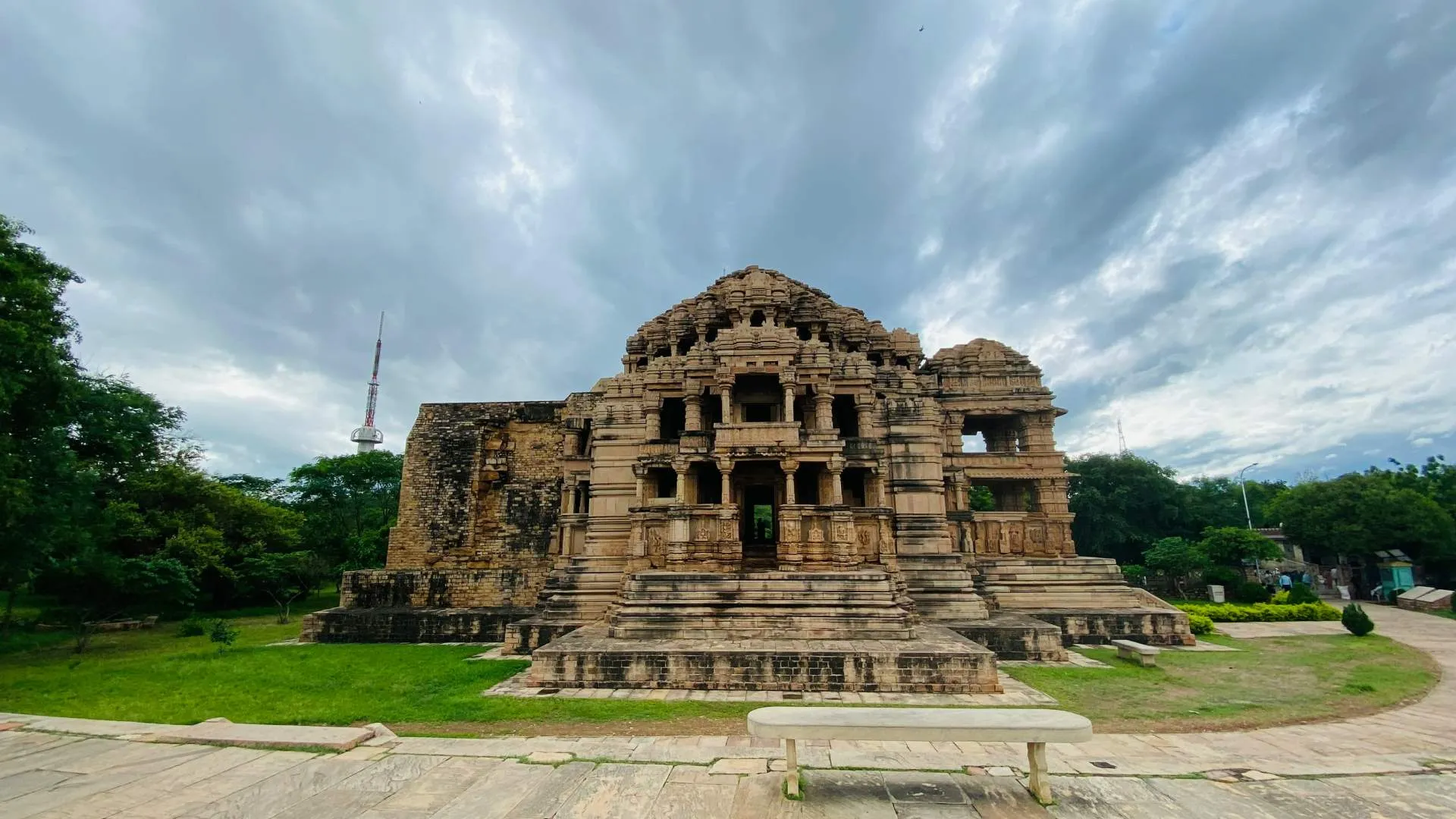
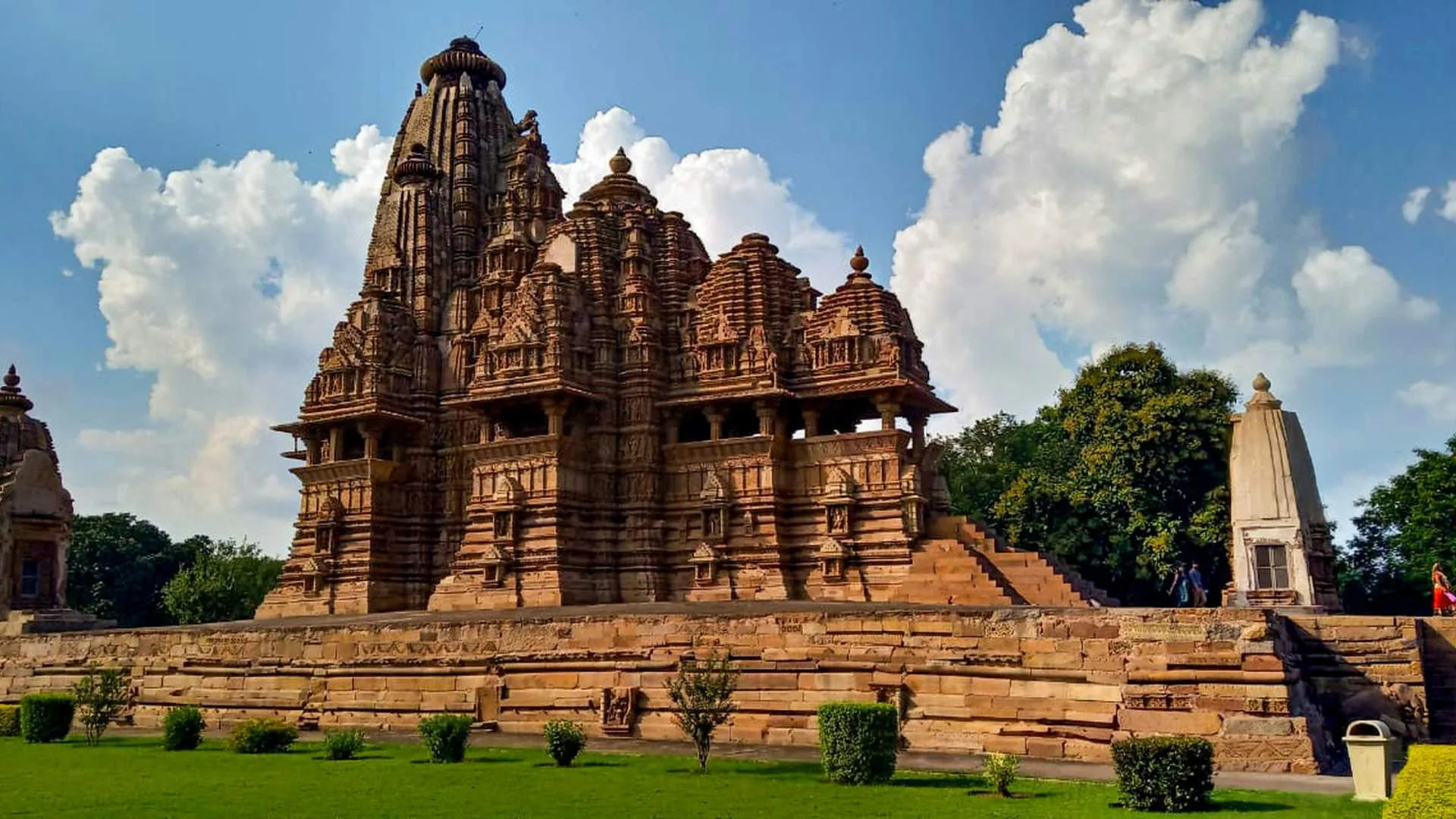
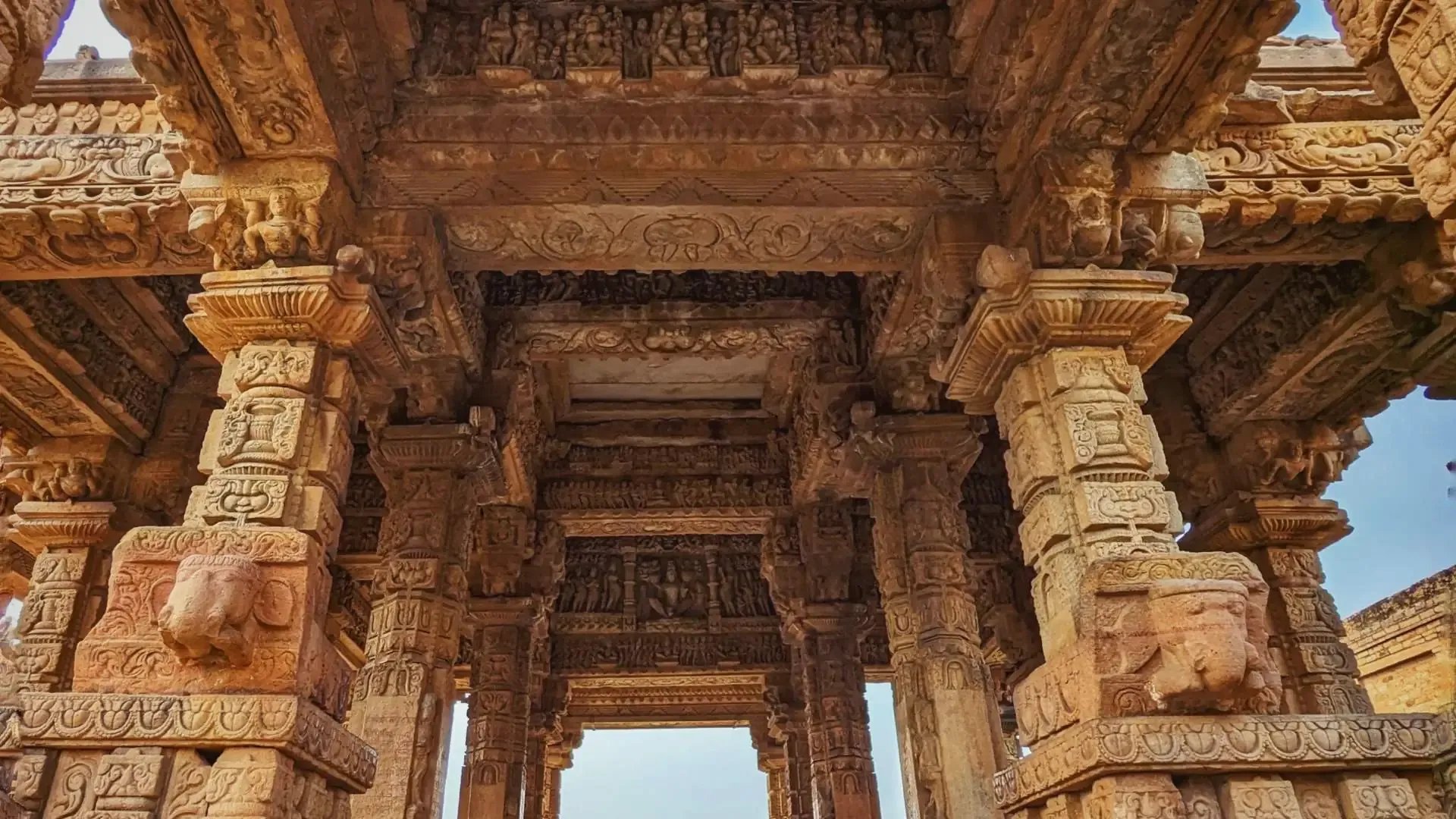
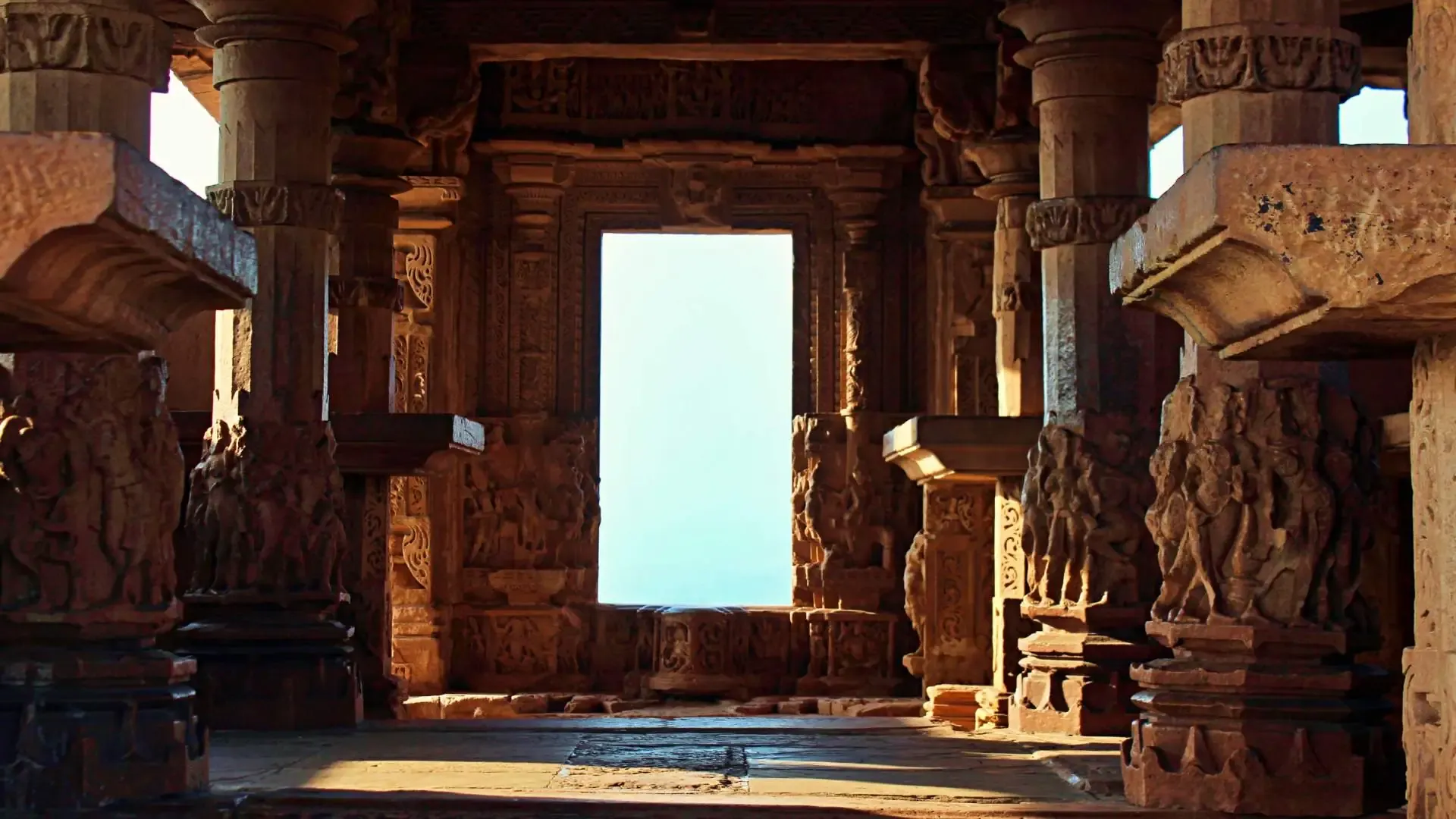
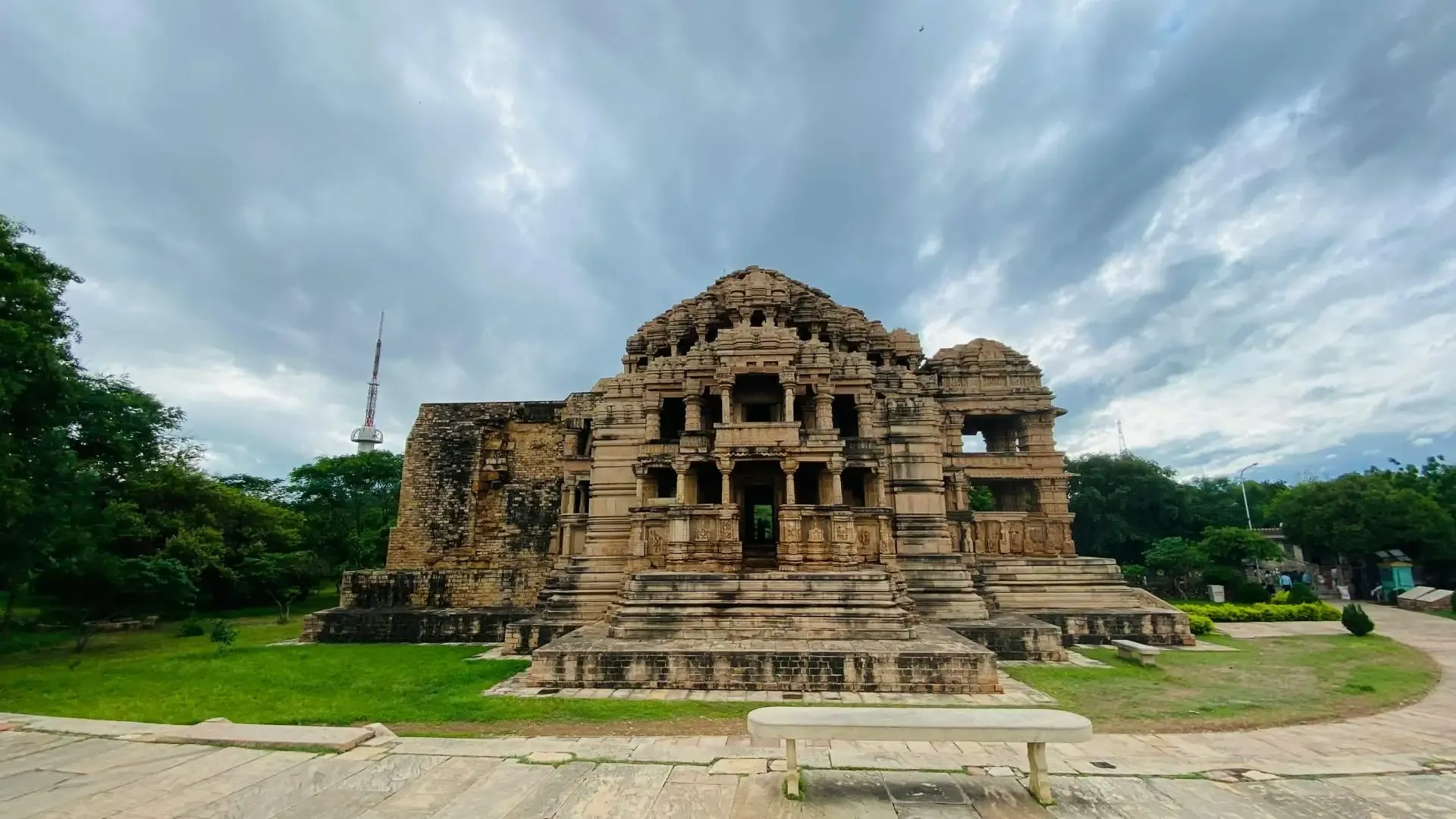
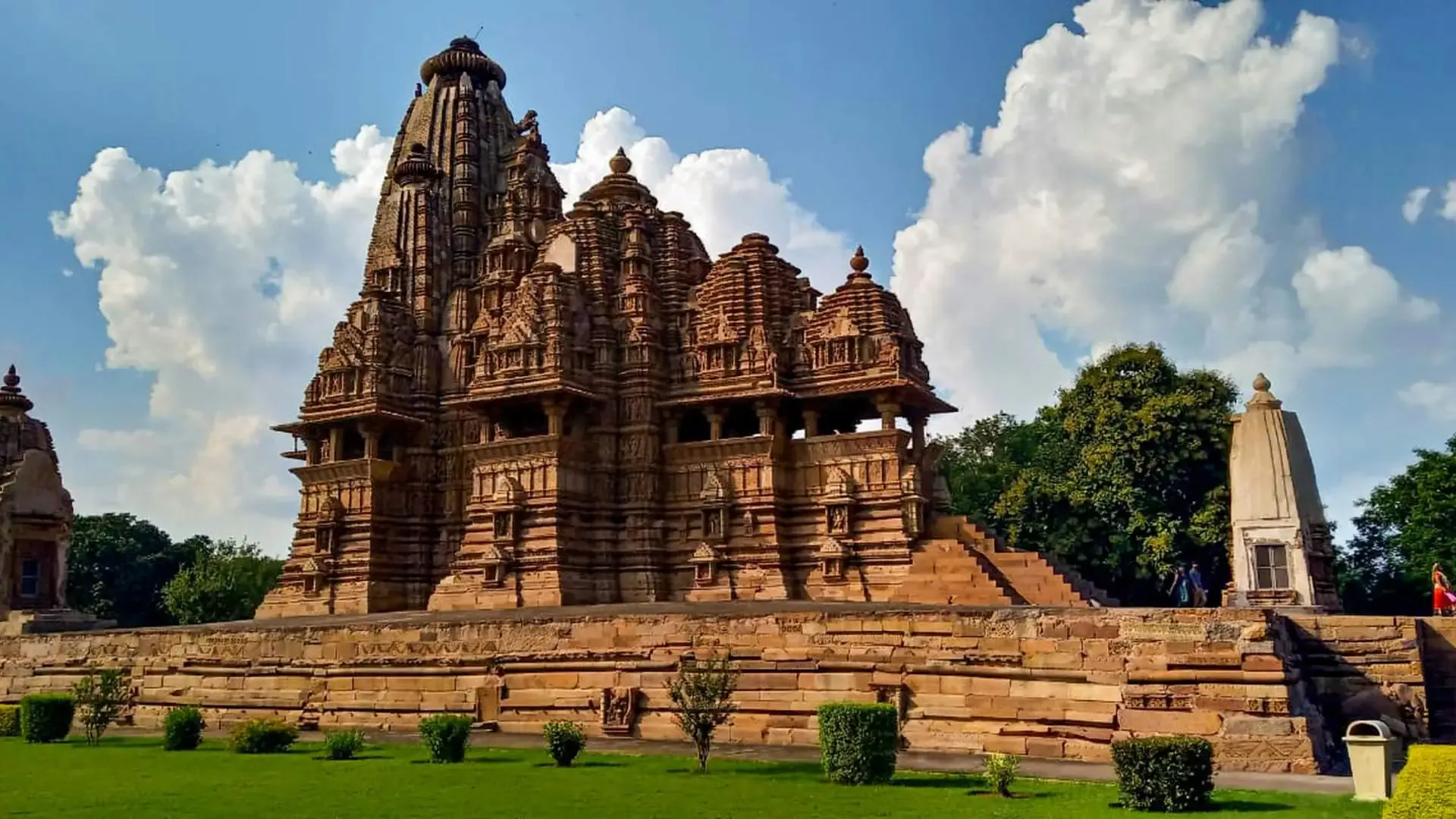
Get Directions
Planning to visit? Click below to open Google Maps with the exact coordinates.
Open in Google MapsGet Daily Travel Alerts & Hidden Gems
Join 10,000+ travellers on WhatsApp for weekend road trips and verified guides.
Frequently Asked Questions
Answers to common visitor questions
Visiting hours for Khajuraho Group of Temples: History, Timings & Travel Guide are generally 6:00 AM to 6:00 PM daily. We recommend visiting during early morning or sunset for the best experience.
Shri Swaminarayan Mandir, Navsari: A Peaceful Spiritual Destination in South Gujarat
Dwarkadhish Temple: The Sacred Kingdom of Lord Krishna
Related Experiences
Jal Mahal Jaipur: Complete Travel Guide, History, Architecture & Night View
Explore Guide →
Saputara: The Ultimate Travel Guide to Gujarat's Misty Hill Station
Explore Guide →
Salangpur Hanumanji
Explore Guide →
80th Independence Day of India (2026): Red Fort Parade, Theme, History & Travel Guide
Explore Guide →Dwarkadhish Temple: The Sacred Kingdom of Lord Krishna
Explore Guide →