
 By Bharat travel guide
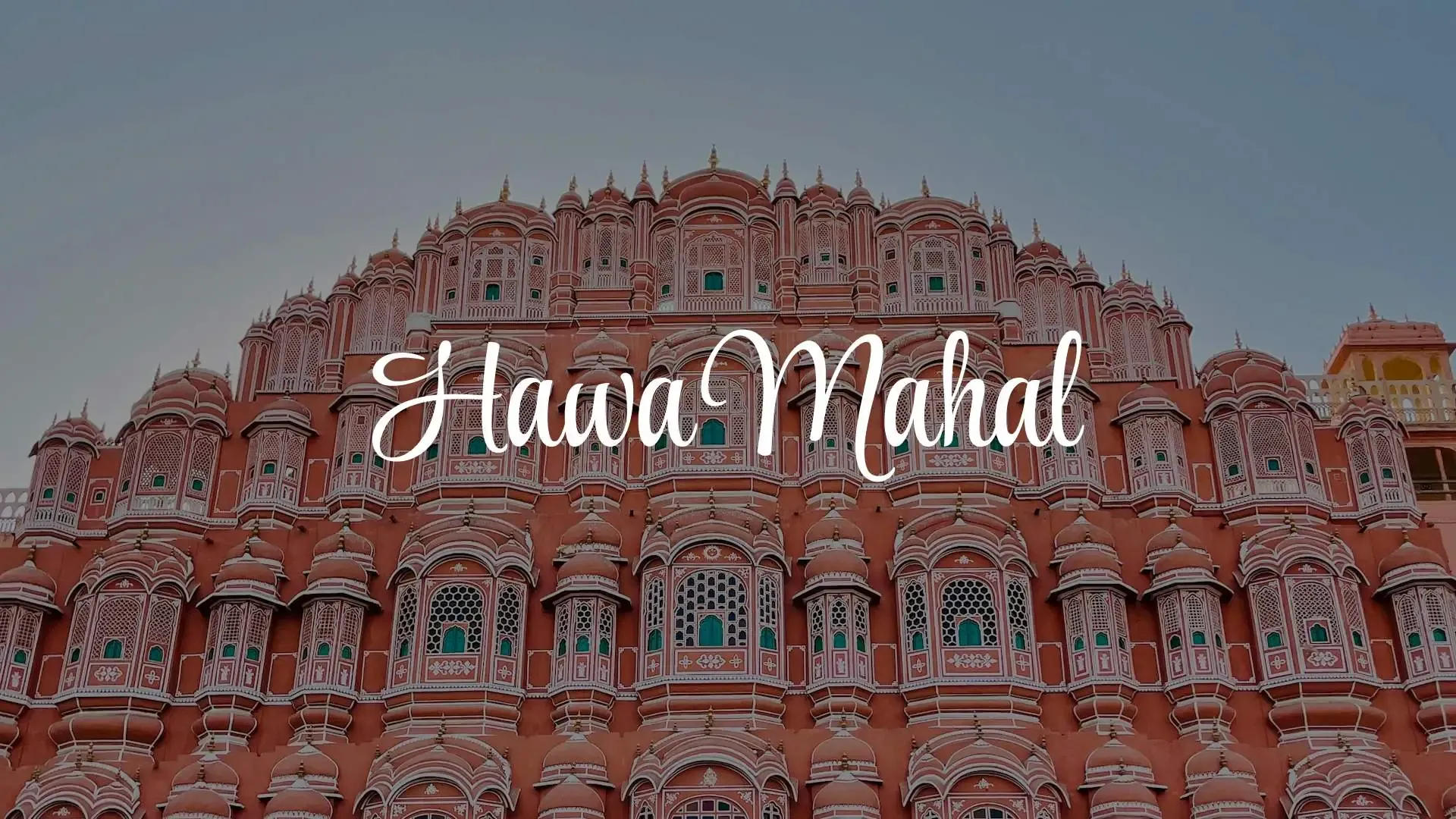
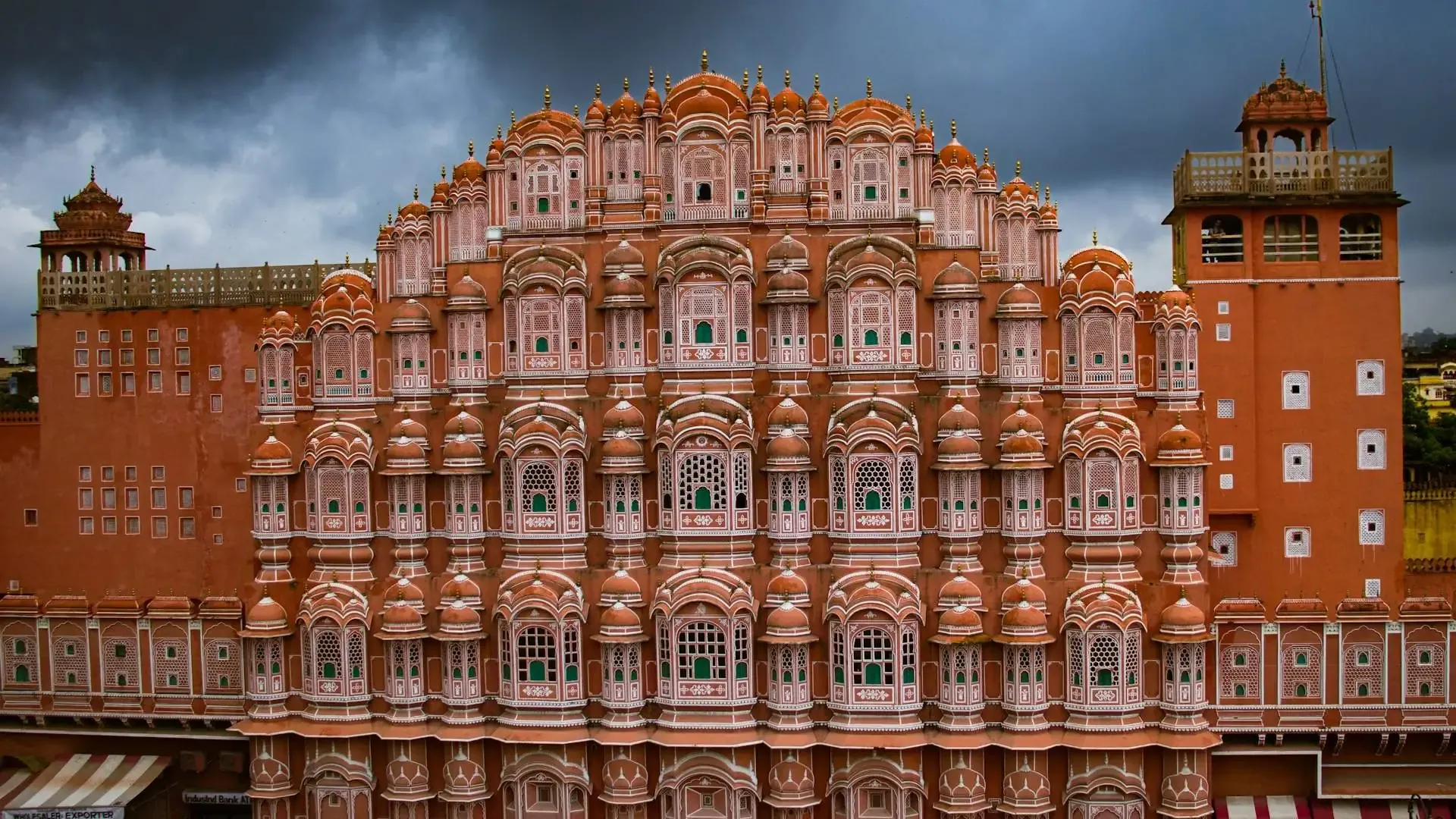
Rising gracefully along the vibrant pink avenues of the walled Old City of Jaipur in Rajasthan, Hawa Mahal (meaning the Palace of Winds) is one of India's most iconic and photogenic architectural masterpieces. Commissioned in 1799 CE by Maharaja Sawai Pratap Singh and designed by royal master architect Lal Chand Ustad, this extraordinary five-storey pink and red sandstone monument stands as an enduring emblem of the Pink City and a UNESCO World Heritage landmark.
Sculpted in the form of Lord Krishna's divine crown (Mukut), Hawa Mahal features an astonishing facade of 953 intricately carved stone casements (Jharokhas) adorned with delicate latticework screens (jali). Designed to allow royal Rajput ladies observing strict purdah to witness colorful street processions without being seen, while utilizing natural aerodynamic cooling, Hawa Mahal is an essential royal destination in 2026.
📍 Hawa Mahal: Quick Travel Facts & Key Information (2026)
| Location | Badi Chaupar, Hawa Mahal Road, Jaipur Old City, Rajasthan - 302002 |
| Built In & Ruler | 1799 CE by Maharaja Sawai Pratap Singh (Architect: Lal Chand Ustad) |
| Architectural Highlight | 5-Storey Honeycomb Facade with 953 Carved Jharokha Windows |
| Visiting Hours | 9:00 AM to 5:00 PM Daily (Night facade illuminated till 10:00 PM) |
| Entry Ticket | Indians: ₹50 | Foreigners: ₹200 | Rajasthan Composite 2-Day Pass: ₹300 |
| Recommended Time | 1 to 2 Hours (Interior museum, ramp climb & rooftop cafe view) |
| Best Season | October to March (Pleasant weather for exploring Jaipur) |
| Nearest Transport Hubs | Badi Chaupar Metro Station (200m) | Jaipur Junction (5 km) | Airport (12 km) |
1. Crown of Krishna Architecture & Venturi Cooling
Hawa Mahal's pyramidical 50-foot tall structure leans back at an angle of 85 degrees. The 953 jharokhas channel breezes through tiny perforations using the Venturi effect, creating a natural air-conditioned interior even in summer peak heat.
2. The Five Thematic Storeys
Each floor has a distinct poetic name:
- Sharad Mandir: Ground floor where autumn royal celebrations took place.
- Ratan Mandir: Adorned with glittering glass and gemstone inlays.
- Vichitra Mandir: The private meditation retreat of Maharaja Pratap Singh.
- Prakash Mandir: Open terrace capturing morning sunlight.
- Hawa Mandir: The topmost storey that catches cool swirling winds and gives the monument its name.
3. Interior Ramps & Stained Glass Windows
Inside, ascending the palace is done via gently sloping ramps rather than staircases. When morning sun illuminates the vibrant Belgian stained-glass windows in the upper chambers, the floors are painted with radiant rainbow patterns.
4. Best Rooftop Photography Cafes
Head to famous rooftop cafes across the street (like Tattoo Cafe and Wind View Cafe) for unobstructed eye-level views of the entire 5-storey facade while sipping saffron masala chai.
5. How to Reach Hawa Mahal
- By Metro: Badi Chaupar Metro Station (Pink Line) is located just 200 meters from the entrance.
- By Auto / Cab: 5 km from Jaipur Junction Railway Station and 12 km from Jaipur International Airport (JAI).
6. Combine with City Palace & Jantar Mantar
Hawa Mahal is within 5 minutes walking distance of the City Palace Jaipur and the UNESCO-listed Jantar Mantar astronomical observatory.
7. Traveler Tips & Frequently Asked Questions
- Morning Sunlight: Arrive at sunrise (7:00 AM - 9:00 AM) when golden light illuminates the pink sandstone facade.
- Buy the Composite Ticket: If touring Jaipur, the ₹300 composite pass covers Hawa Mahal, Amber Fort, Jantar Mantar, Nahargarh, and Albert Hall Museum.
Authentic Regional Food & Local Delicacies
Exploring the Pink City is incomplete without treating your palate to authentic Rajasthani culinary delights within walking distance of Hawa Mahal:
- LMB (Laxmi Mishthan Bhandar): Located in Johari Bazaar, savor their signature Paneer Ghevar, crisp Pyaaz Kachori, and royal Rajasthani Thali served with pure ghee Bati and Churma.
- Pandit Kulfi: Situated right opposite Hawa Mahal, relished for dense saffron and pistachio kulfi falooda served in earthen clay pots.
- MI Road Lassiwala (Since 1944): Enjoy thick, creamy curd lassi topped with rich clotted malai served in traditional disposable kulhads.
- Samrat Restaurant: Famous across Bapu Bazaar for morning breakfast consisting of piping hot Dal Kachori and sweet Samosas paired with mint chutney.
Key Architectural Highlights & Hidden Features
Beyond its 953 honeycomb casements, Hawa Mahal features remarkable engineering details that modern visitors often overlook. The top three floors—Vichitra Mandir, Prakash Mandir, and Hawa Mandir—are so narrow that they consist of single-room depths without stairs, linked exclusively by gently inclined ramps designed to allow royal palanquins to ascend effortlessly. The interior courtyard features delicate fountains that once cooled the dry desert breeze before it circulated through the upper chambers. For the ultimate postcard-perfect photograph of the facade, climb up to the open-air rooftop terraces of Wind View Cafe or Tattoo Cafe across the street during morning golden hour.
👑 Royal Grandeur in the Pink City
Hawa Mahal is an immortal symphony of Rajput artistry, innovative natural cooling, and royal poetry that captures the timeless spirit of Rajasthan.