

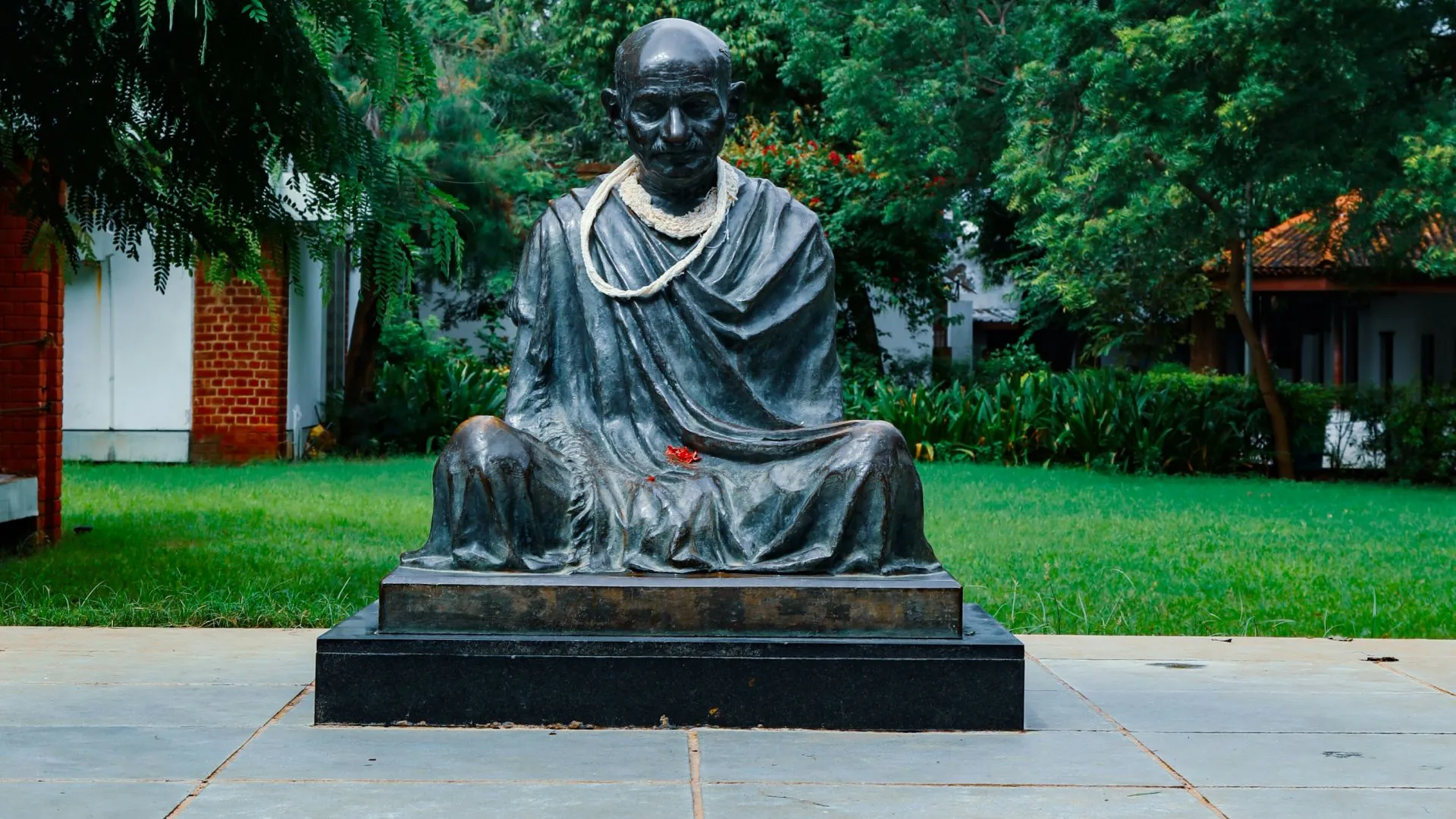
Rising quietly along the peaceful tree-lined banks of the Sabarmati River in Ahmedabad, Sabarmati Ashram (also known as Harijan Ashram or Satyagraha Ashram) stands as one of India's most sacred historical sanctuaries. Established by Mahatma Gandhi in 1917 after returning from South Africa, this 36-acre tranquil refuge served as the epicenter of India's non-violent independence movement for over 13 historic years.
It was from these humble grounds on March 12, 1930, that Gandhiji led 78 steadfast companions on the historic 388 km Dandi Salt March to break the colonial salt law, vowing never to return to the ashram until India achieved complete independence (Swaraj).
History & Spiritual Foundation of Sabarmati Ashram
Originally founded at Kochrab Bungalow in 1915, Gandhiji relocated the ashram to the banks of the Sabarmati River in June 1917. He purposefully selected a secluded site situated between a prison house and a cemetery—two destinations Gandhiji declared a true Satyagrahi must be prepared to face in the pursuit of truth and justice.
The ashram operated as an experimental community dedicated to self-reliance (Swadeshi), manual labor, khadi spinning, agricultural reform, and the eradication of untouchability. Eminent freedom fighters including Sardar Vallabhbhai Patel, Jawaharlal Nehru, Rabindranath Tagore, Vinoba Bhave, and Madeleine Slade (Mira Behn) frequently stayed here during pivotal national strategy councils.
Key Historical Sites & Buildings Inside the Ashram
1. Hriday Kunj
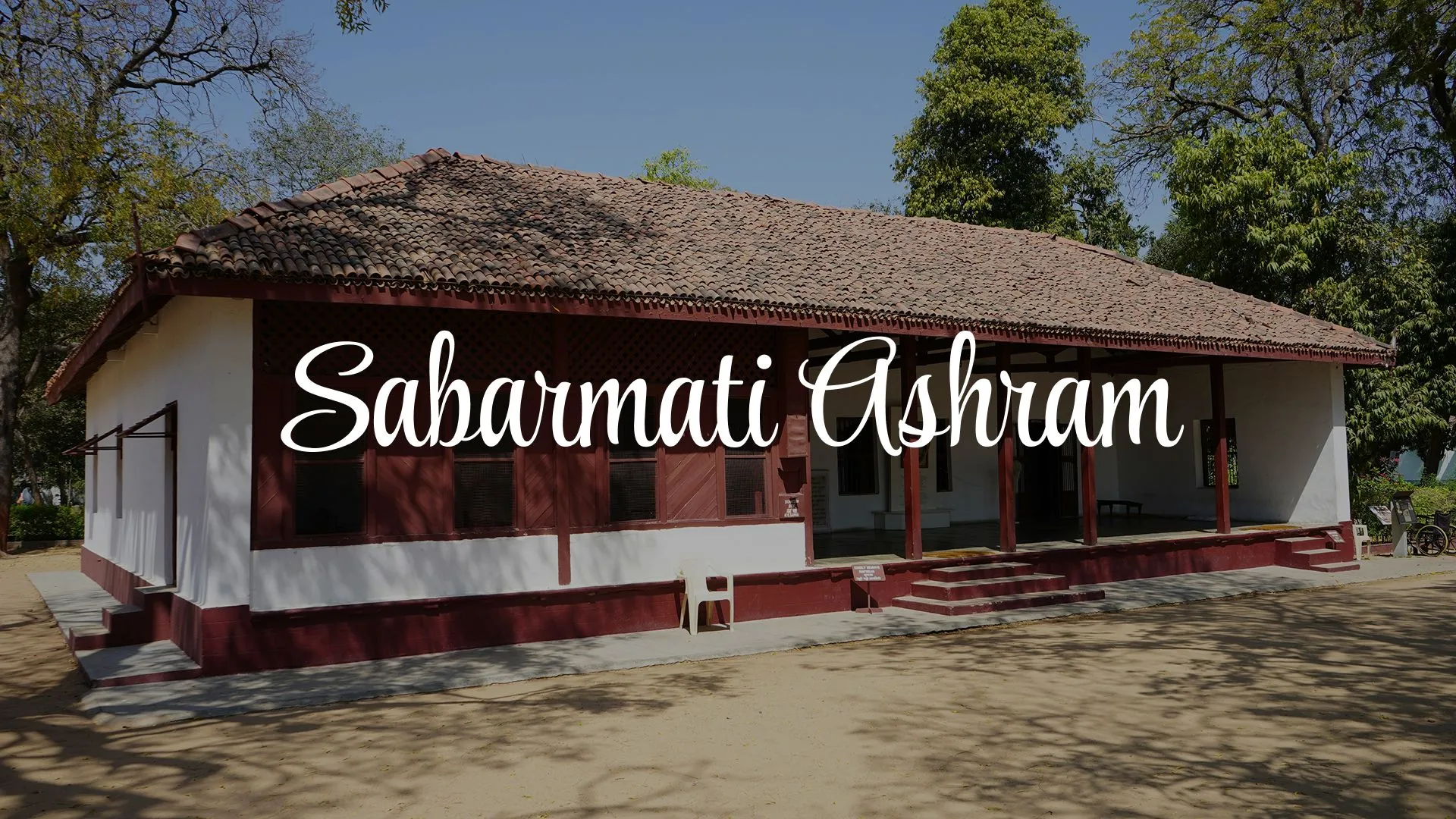
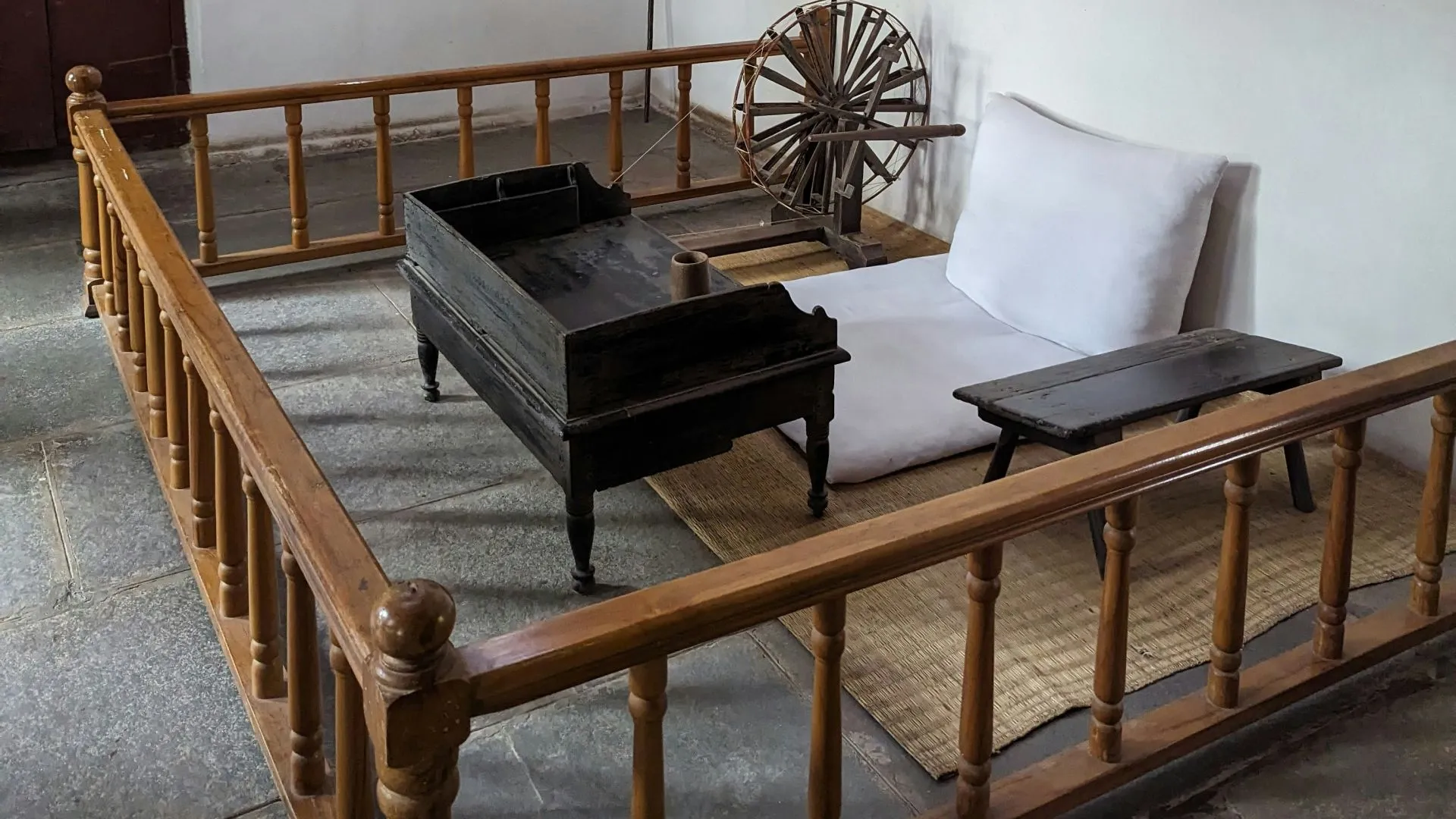
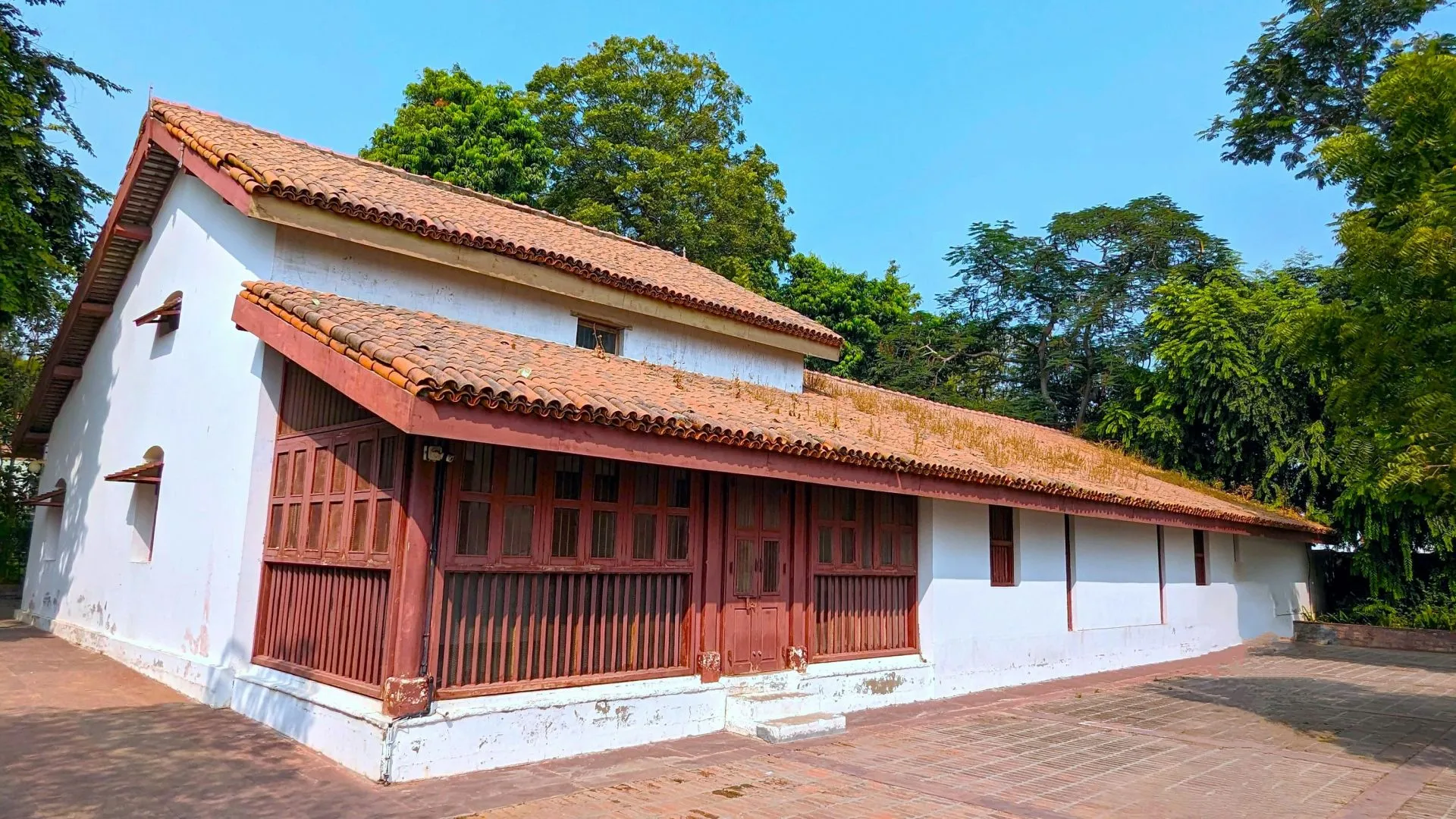
The simple tile-roofed cottage where Mahatma Gandhi and Kasturba Gandhi resided from 1918 to 1930. Preserved in its original authentic state, visitors can view Gandhiji's iconic wooden spinning wheel (charkha), writing desk, spectacles, khadi slippers, and personal letters.
2. Gandhi Smarak Sangrahalaya (Museum)
Designed by master architect Charles Correa in 1963, this award-winning open-plan museum features five exhibition galleries containing over 30,000 original manuscripts, 50,000 books, rare black-and-white historical photographs, and oil portraits depicting Gandhiji's life journey.
3. Upasana Mandir & Prayer Lawn
An open-air prayer ground where ashram inmates gathered every morning and evening to recite verses from the Bhagavad Gita, Quran, Bible, and Upanishads. The peaceful riverside ambiance remains palpable to this day.
4. Magan Niwas & Nandini Guest House
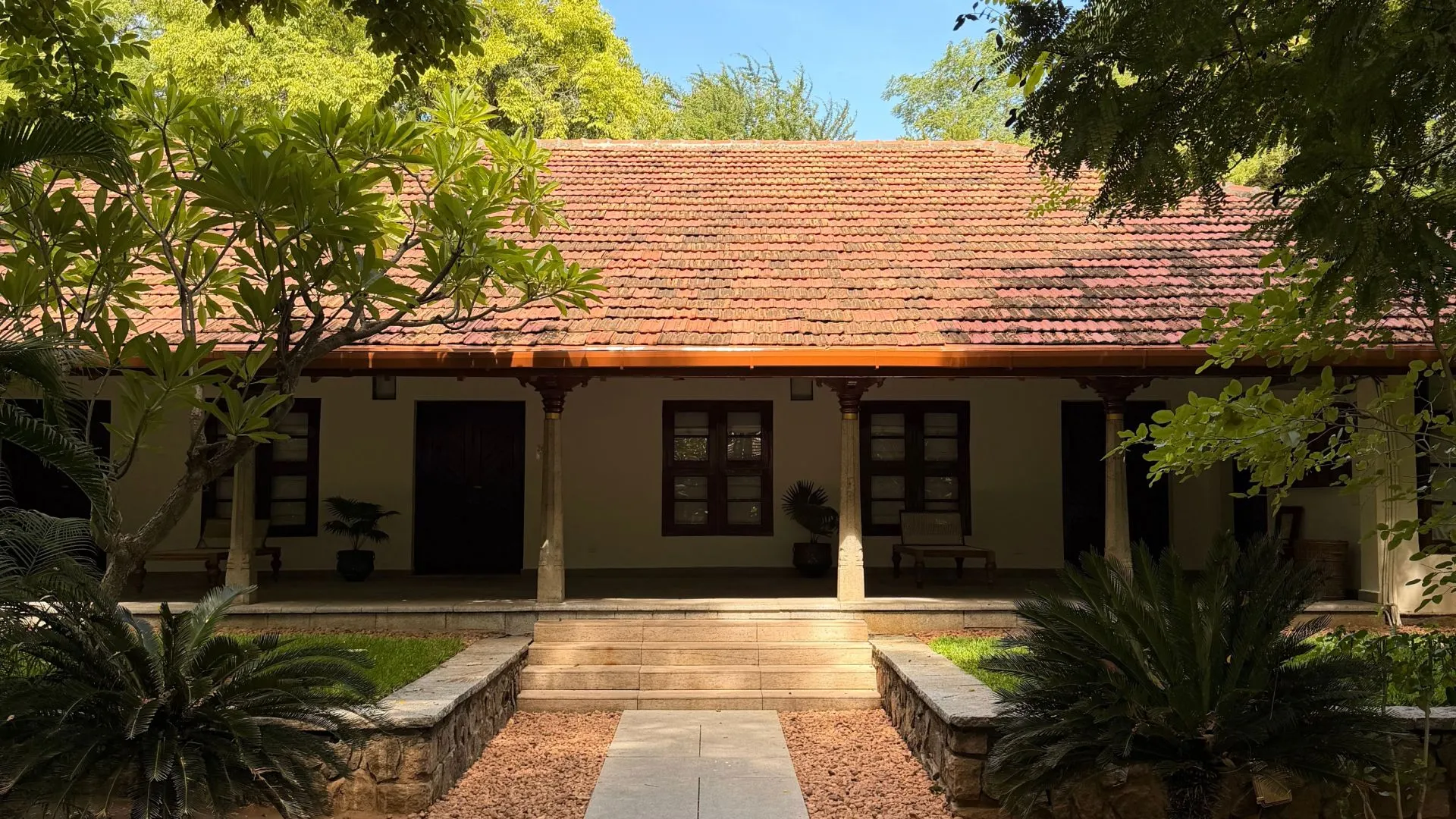
Magan Niwas was the home of Maganlal Gandhi (Gandhiji's cousin and ashram manager), showcasing early spinning wheel prototypes. Nandini served as the official guest house for national and international dignitaries visiting Gandhiji.
Best Time To Visit & Visitor Guidelines
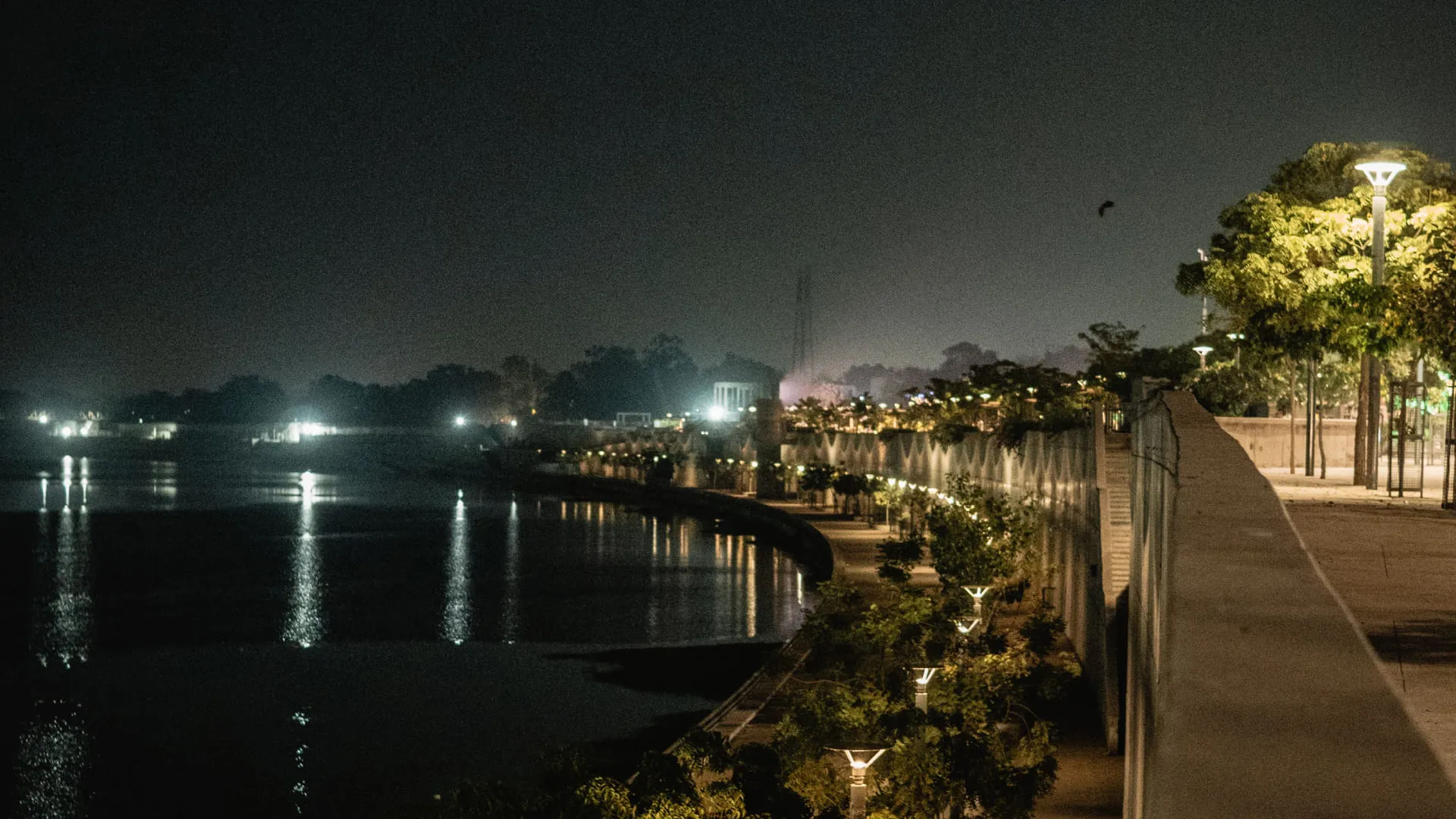
The optimal time to visit Sabarmati Ashram is during the winter season from October to March. Early mornings (8:30 AM – 10:30 AM) and late afternoons offer a serene, cool atmosphere for strolling through the gardens and riverfront promenades.
Visitor Rules: Maintains a serene, contemplative atmosphere. Visitors are requested to dress modestly, maintain quietude, and remove footwear when entering Hriday Kunj.
How To Reach Sabarmati Ashram Ahmedabad
By Air: Sardar Vallabhbhai Patel International Airport (AMD) is just 8 km away, accessible by taxi or auto-rickshaw in 15-20 minutes. By Train: Ahmedabad Kalupur Railway Station is 7 km south; Sabarmati Junction is 3 km north. By Road/BRTS: Located right on Ashram Road. Take the Ahmedabad BRTS to the 'Rama Pir No Tekro' or 'Vadaj' stations.
Is there any entry ticket for Sabarmati Ashram?
No, entry to Sabarmati Ashram and the Gandhi Smarak Sangrahalaya museum is completely free for all visitors.
What are the opening hours of Sabarmati Ashram?
The ashram is open every day of the year from 8:30 AM to 6:30 PM, including Sundays and public holidays.
How much time should I spend at Sabarmati Ashram?
Most visitors spend 1.5 to 2 hours exploring Hriday Kunj, the museum galleries, and the peaceful Sabarmati riverfront gardens.
Optimized 1-Day & 2-Day Travel Itineraries
To help you experience the very best of Sabarmati Ashram Ahmedabad at a comfortable pace, here is a structured step-by-step itinerary covering morning highlights, afternoon cultural exploration, and golden hour viewpoints:
Core Heritage & Signature Sightseeing
Extended Circuit, Nature & Culinary Trail
Multi-Modal How to Reach & Transit Guide
Sabarmati Ashram Ahmedabad in Ahmedabad, Gujarat is easily accessible across multiple modes of transit:
- ✈️ By Air: Connect via the nearest domestic/international airport offering regular flights and taxi connections to the destination.
- 🚆 By Train: Nearest railway junction links express and superfast trains from major metropolitan hubs across the state and country.
- 🚌 By Bus: State transport (GSRTC/MSRTC/HRTC) express buses and private luxury coaches operate frequent services along well-maintained highways.
- 🚗 By Road: Smooth national and state highways connect directly, making private car drives and cab hires convenient and scenic.
Authentic Regional Food & Local Delicacies
While exploring Sabarmati Ashram Ahmedabad, indulge in authentic regional cuisine. Savor traditional multi-course thalis featuring regional breads (Rotla/Bhakri/Puri), rich seasonal vegetable curries, freshly churned buttermilk (Chaas), and famous regional sweet delicacies.
Travel Essentials & Quick Facts
October to March
Pleasant weather & clear views
06:00 AM – 06:00 PM
Standard public entry hours
Free Entry / Nominal Charges
On-site / Online counter
1 to 2 Days
Comprehensive sightseeing
Available on-site
Designated parking plaza
₹1,500 – ₹3,500 / person
Includes travel, entry & food
Photo Gallery



Get Directions
Planning to visit? Click below to open Google Maps with the exact coordinates.
Open in Google MapsGet Daily Travel Alerts & Hidden Gems
Join 10,000+ travellers on WhatsApp for weekend road trips and verified guides.
Frequently Asked Questions
Answers to common visitor questions
Visiting hours for Sabarmati Ashram Ahmedabad: Complete Travel Guide, History & Visiting Rules are generally 6:00 AM to 6:00 PM daily. We recommend visiting during early morning or sunset for the best experience.

Nal Sarovar Bird Sanctuary (Ahmedabad, Gujarat): Complete Travel Guide, History & Photos
Sakkarbaug Zoological Garden (Junagadh, Gujarat): Complete Travel Guide, History & Photos
Related Experiences
Jal Mahal Jaipur: Complete Travel Guide, History, Architecture & Night View
Explore Guide →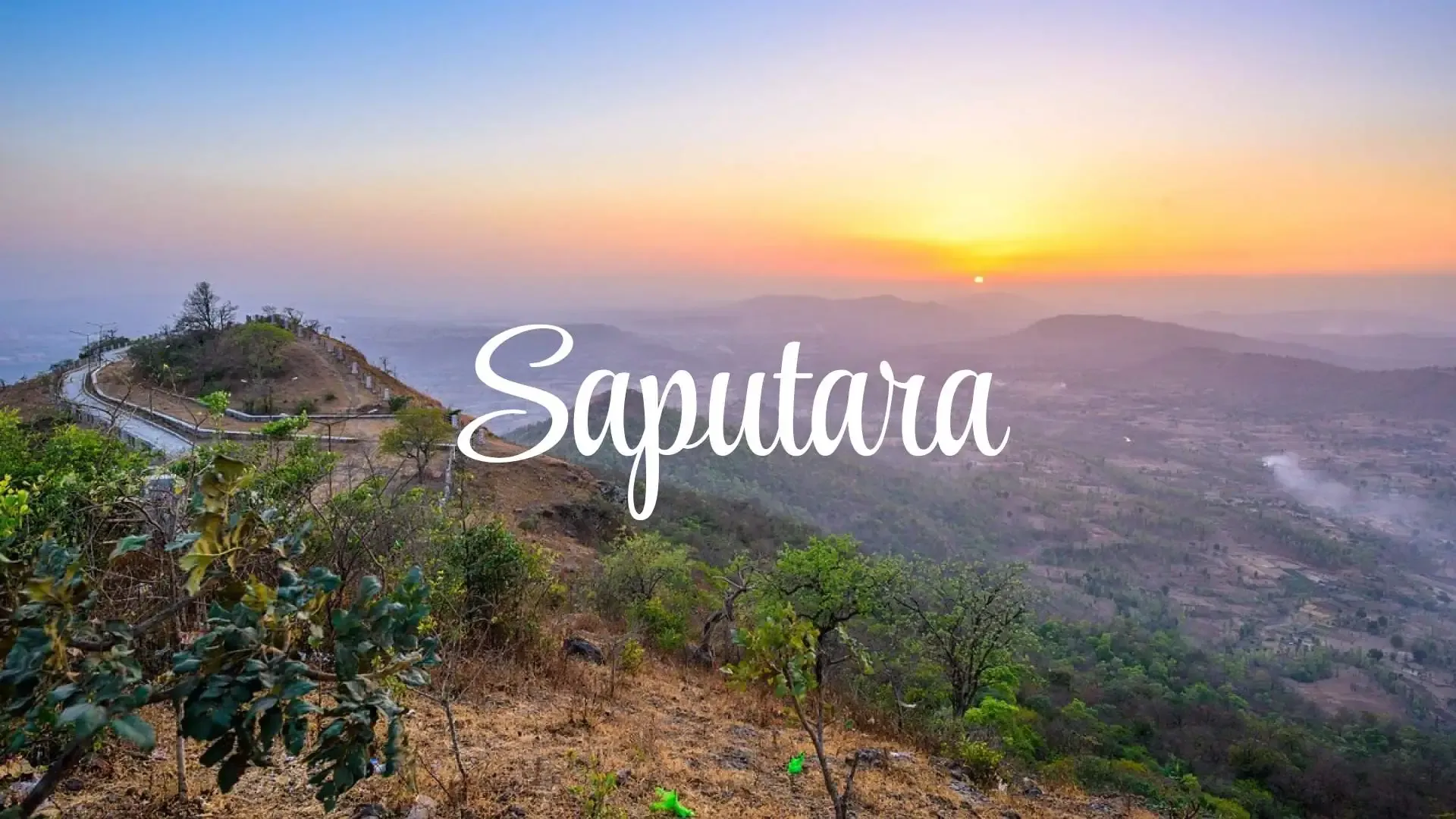
Saputara: The Ultimate Travel Guide to Gujarat's Misty Hill Station
Explore Guide →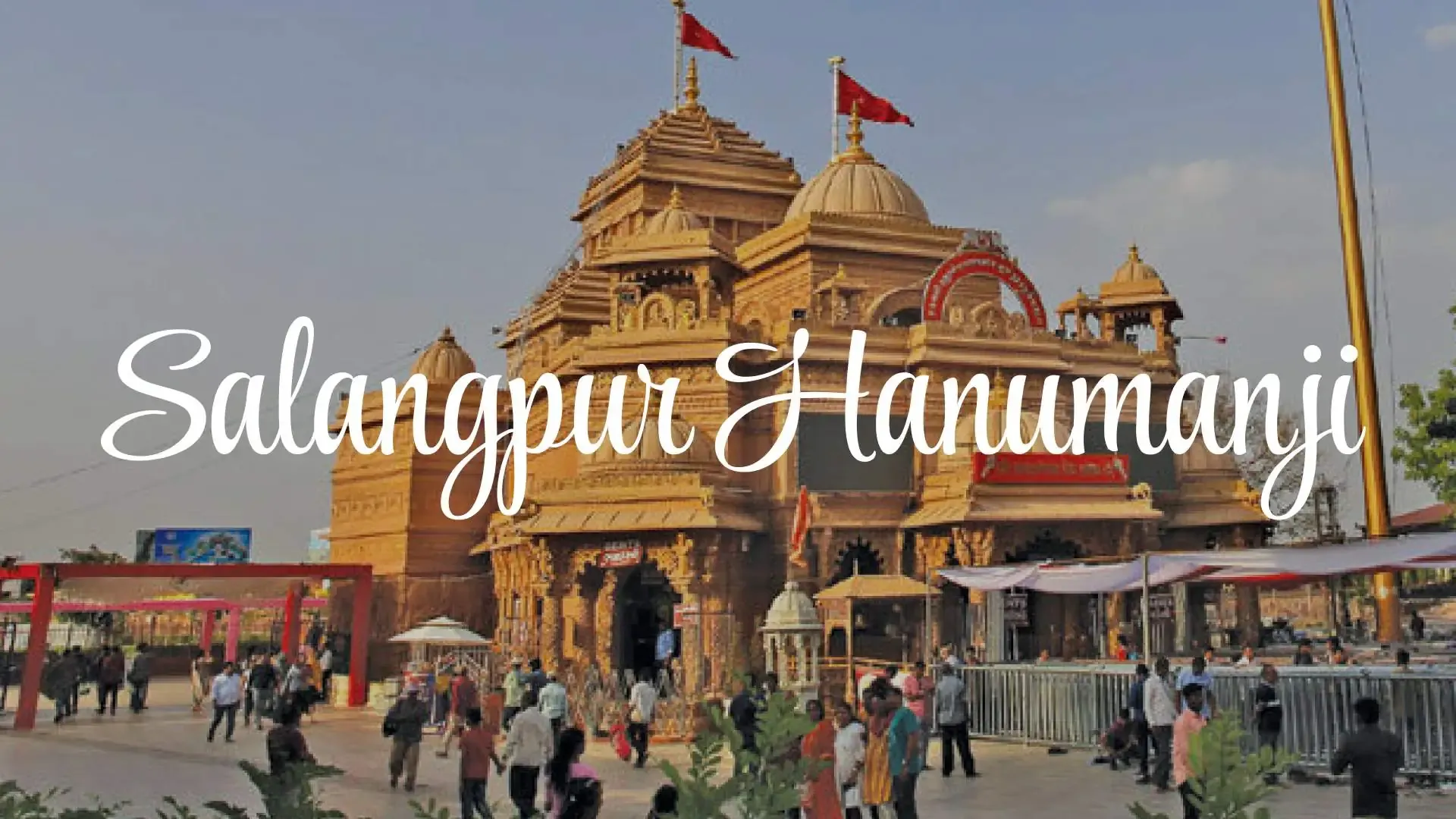
Salangpur Hanumanji
Explore Guide →
80th Independence Day of India (2026): Red Fort Parade, Theme, History & Travel Guide
Explore Guide →
Dwarkadhish Temple: The Sacred Kingdom of Lord Krishna
Explore Guide →