
 By Bharat travel guide
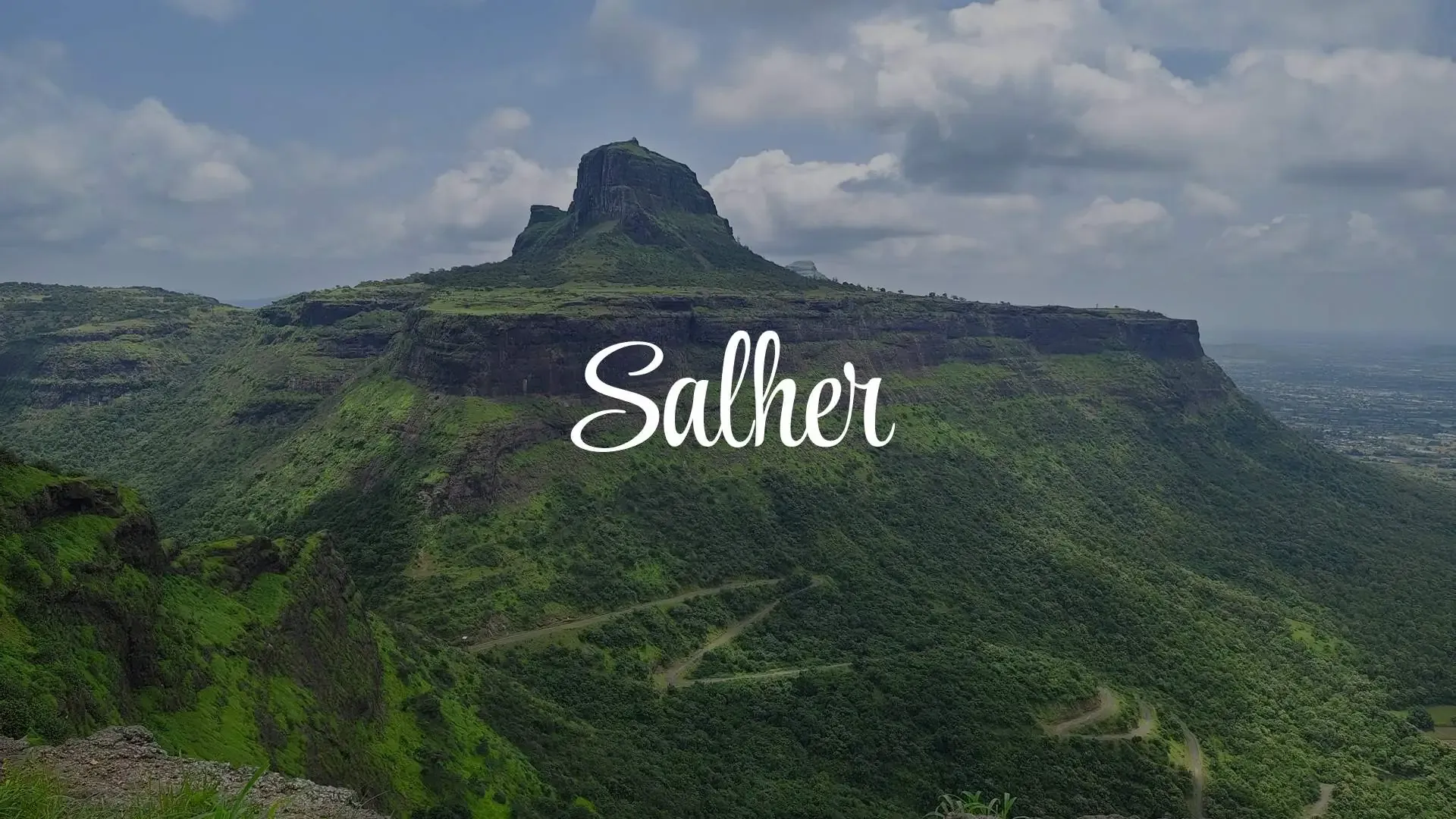
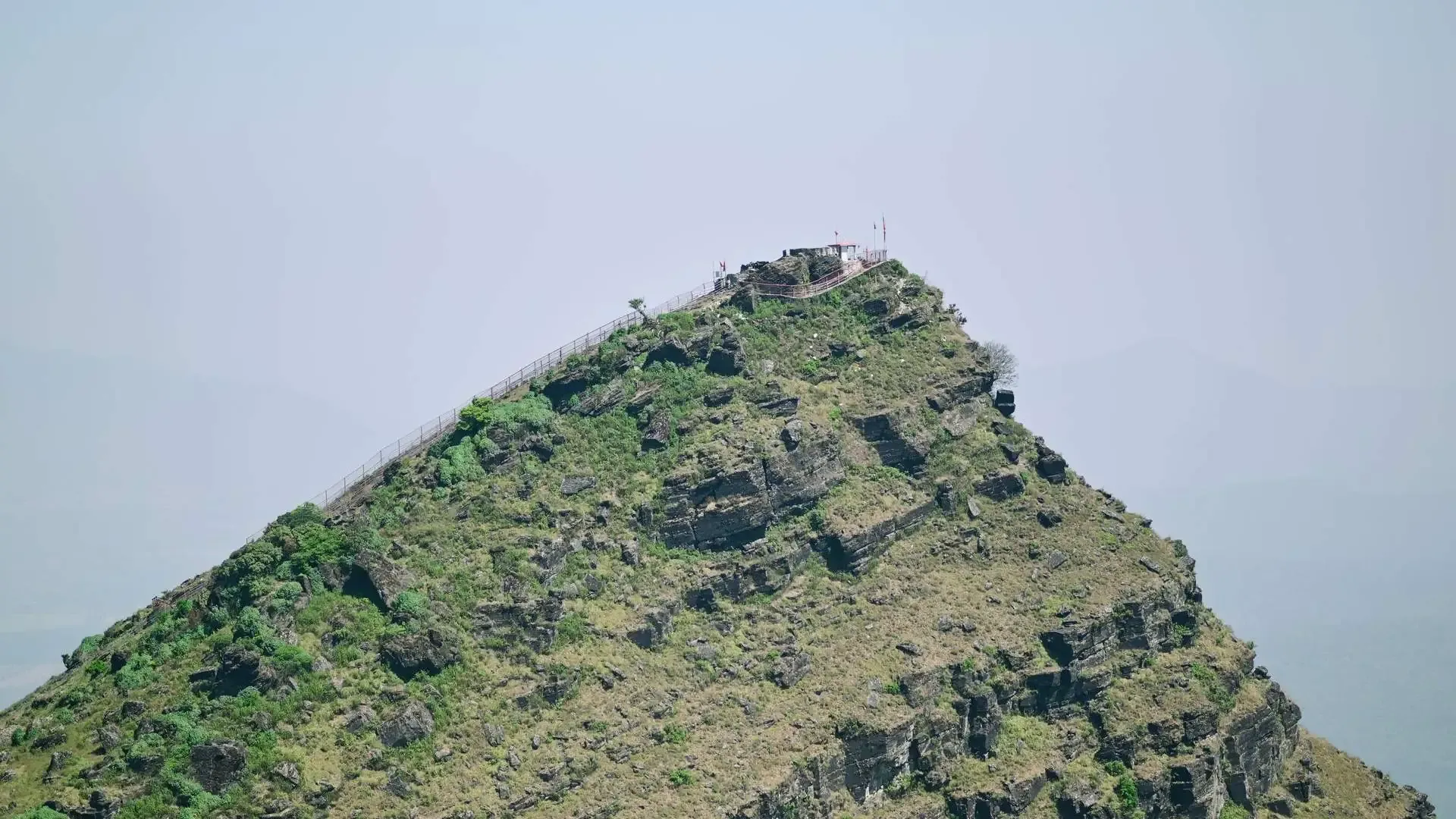
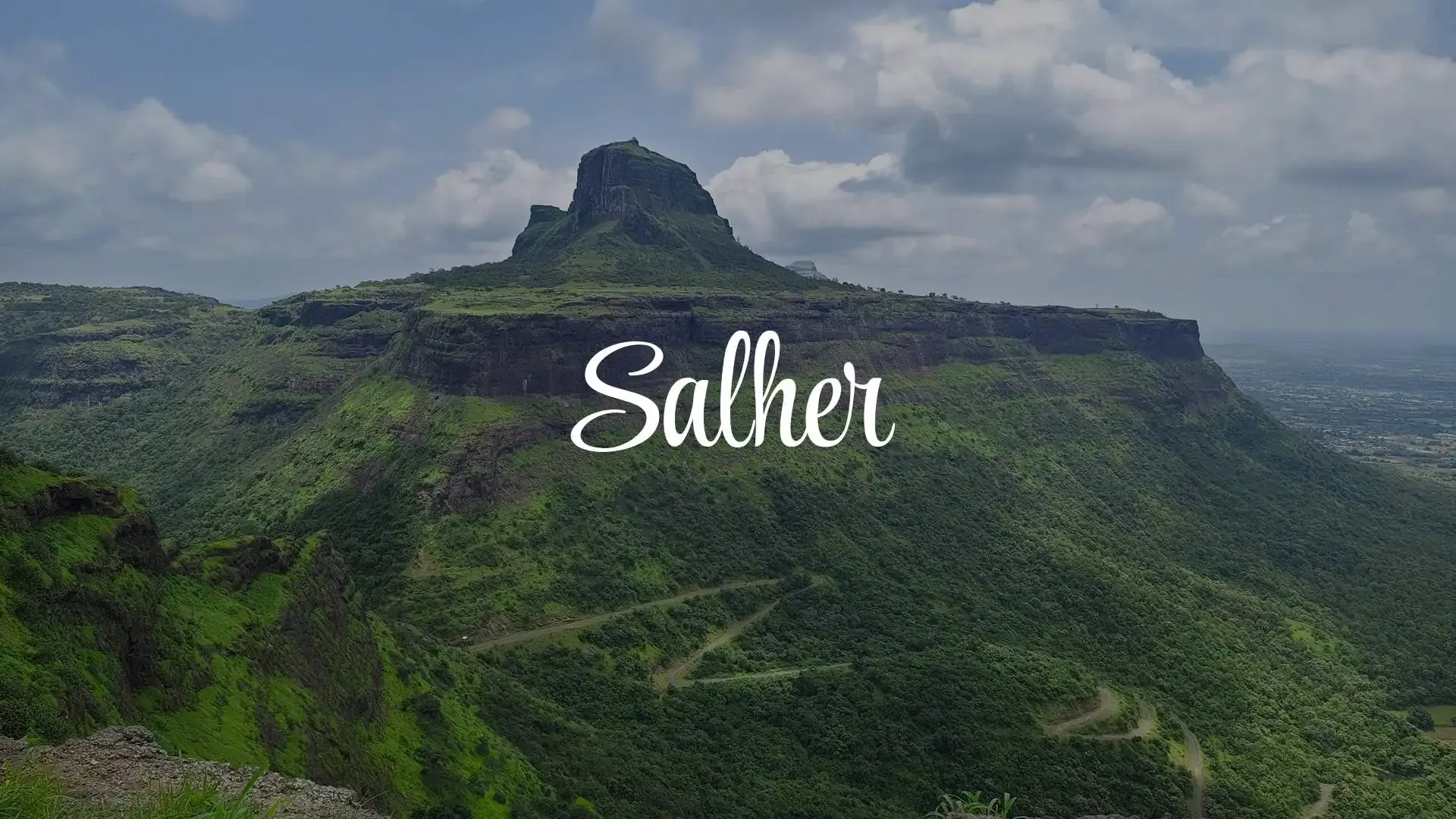
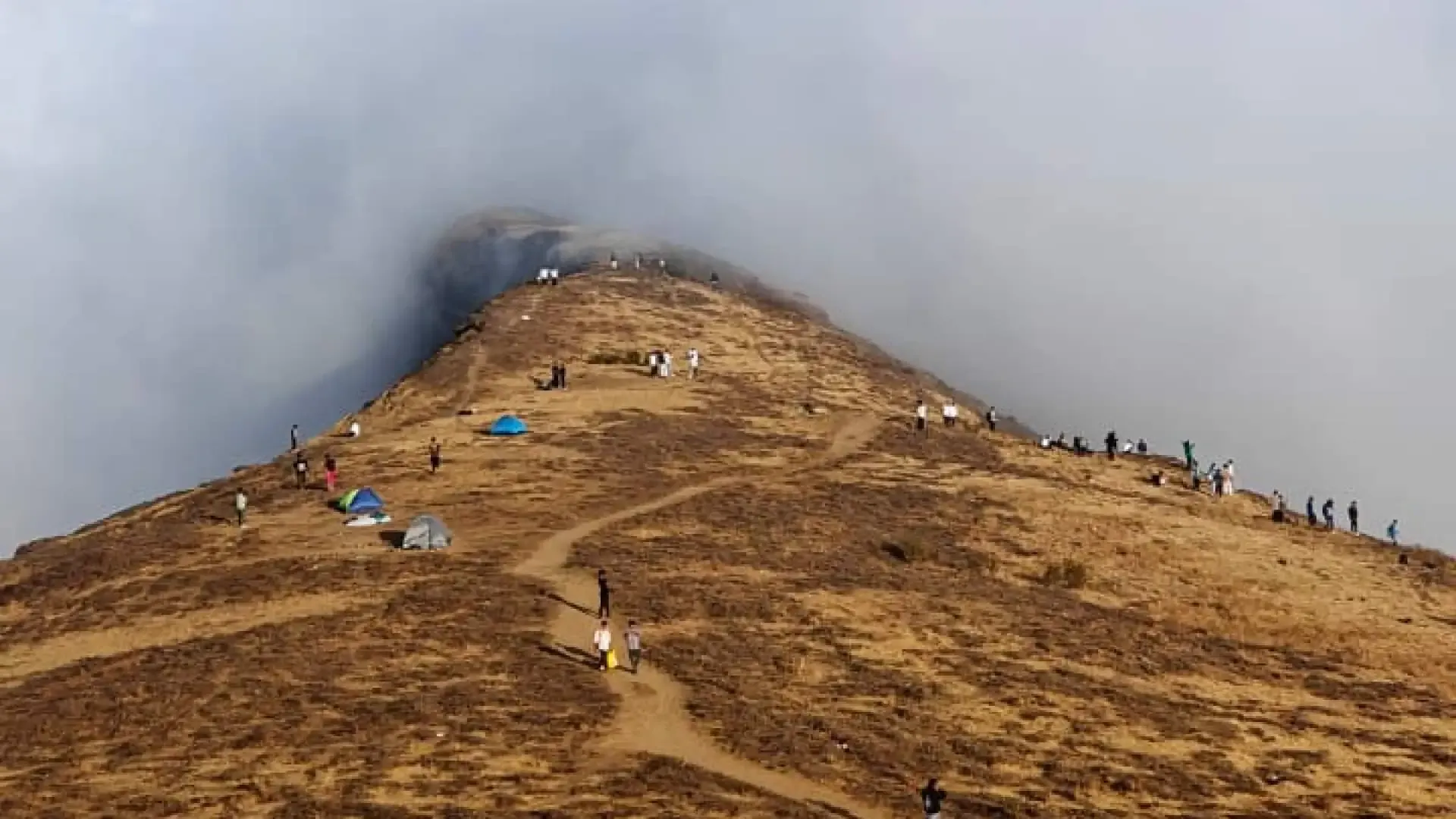
Standing proudly at a staggering elevation of 1,567 meters (5,141 feet) above sea level in the Baglan region of Nashik district, Salher Fort is the undisputed highest fort in Maharashtra and the second-highest mountain peak in the state (surpassed only by Mount Kalsubai). Guarding the historic northern frontier between Maharashtra and Gujarat, this colossal hill fortress was the epicenter of the legendary Battle of Salher in 1672, where Chhatrapati Shivaji Maharaj's Maratha forces decisively defeated the mighty Mughal imperial army in an open-field battle.
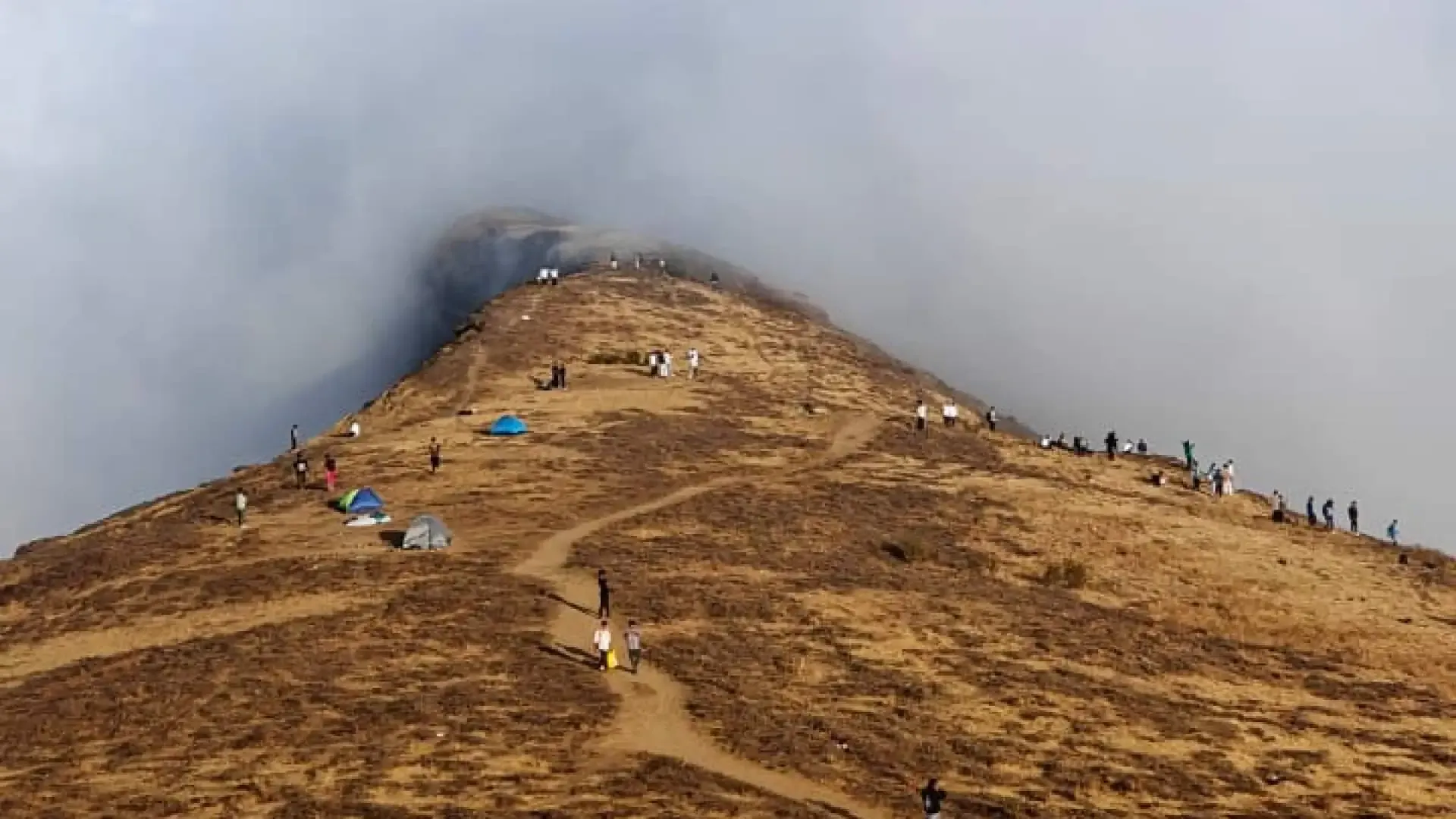
Surrounded by jagged mountain escarpments, ancient rock-cut water cisterns, multi-tiered stone gateways, and panoramic vistas stretching into the dense forests of Dang and the plateau of Khandesh, Salher Fort is considered the holy grail of Sahyadri trekking. Paired with its twin sentinel fort Salota, it offers high-altitude trekkers, history buffs, and adventure photographers an unparalleled journey into Maratha military glory.
📍 Salher Fort Trek: Mountain Dimensions & Historical Overview
| Elevation & Status | 1,567 meters (5,141 ft) — Highest fort in Maharashtra; 2nd highest peak in the Sahyadris |
| District & Region | Satana (Baglan) Taluka, Nashik District, North Maharashtra (Near Gujarat border) |
| Historical Milestone | Battle of Salher (February 1672) — Historic triumph of Maratha army under Shivaji Maharaj |
| Trek Base Villages | Salherwadi Village (South-East Face) | Waghambe Village (North-West Face) |
| Trek Difficulty & Time | Moderate to Demanding; 3 to 4 hours one-way ascent (approx. 6 km) |
| Nearest Major Rail Station | Manmad Junction (105 km) | Nashik Road (125 km) | Surat (150 km) |
Key Attractions & Historic Monuments on Salher Fort
- Parshuram Temple at the Summit: The crowning pinnacle of Salher Fort houses an ancient stone temple dedicated to Lord Parshuram. According to mythological lore, after creating the Konkan land, Sage Parshuram shot an arrow from this summit into the sea. Footprints etched in stone and sacred brass bells welcome trekkers at the summit plateau.
- Gangasagar & Yamunasagar Lakes: Two large perennial freshwater tanks carved into the rock plateau. Filled by rainwater and natural springs, these high-altitude reservoirs provided self-sufficiency for thousands of defending troops during long imperial sieges.
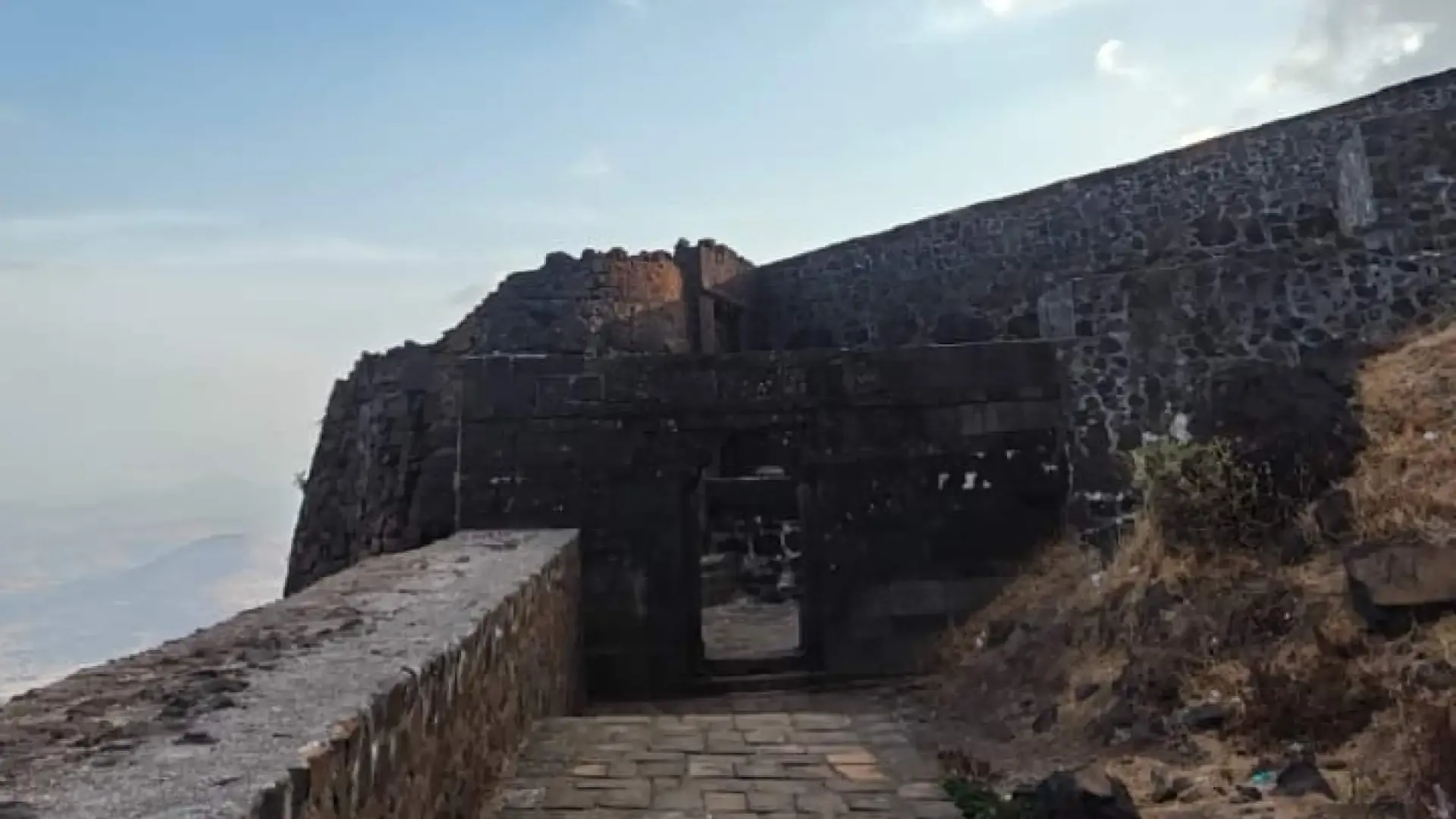
- Six Consecutive Fort Gates (Darwazas): The steep stone staircase winding up from Salherwadi passes through six formidable fortified bastions and gatehouses, featuring intricate rock-cut guard chambers, gun slits, and stone carvings of Lord Ganesha and Hanuman.
- Salota Fort Twin Sentinel: Separated from Salher by a dramatic narrow mountain saddle (col), Salota Fort stands like a sharp vertical obelisk. Adventurous trekkers often attempt the twin-fort climb in a single day.
- Rock-Cut Caves & Military Granaries: Spacious subterranean caves cut into the basalt cliff face that served as ammunition storehouses, living quarters, and granaries for Maratha commanders. Trekkers frequently use these dry, well-ventilated caves for overnight bivouacking.
Optimized 1-Day & 2-Day Trekking Itineraries
Salherwadi to Summit & Back
05:30 AM – 06:30 AM: Arrive early at Salherwadi base village. Pack at least 3 liters of water, energy bars, and a packed lunch.
06:45 AM – 10:15 AM: Begin the ascent. Hike past the village trail, reach the col between Salher and Salota, and climb through the six fortified darwazas.
10:30 AM – 01:30 PM: Explore the expansive summit plateau. Visit the Parshuram Temple, Gangasagar Lake, and the historic rock caves. Take in breathtaking panoramic vistas of Baglan peaks (Mulher, Mora, Hargad) and the Dang forest.
01:30 PM – 02:15 PM: Enjoy lunch atop the plateau under the shade of the temple mandapa.
02:30 PM – 05:30 PM: Carefully descend the stone steps back down to Salherwadi village before nightfall.
Salher-Salota Twin Challenge with Stargazing
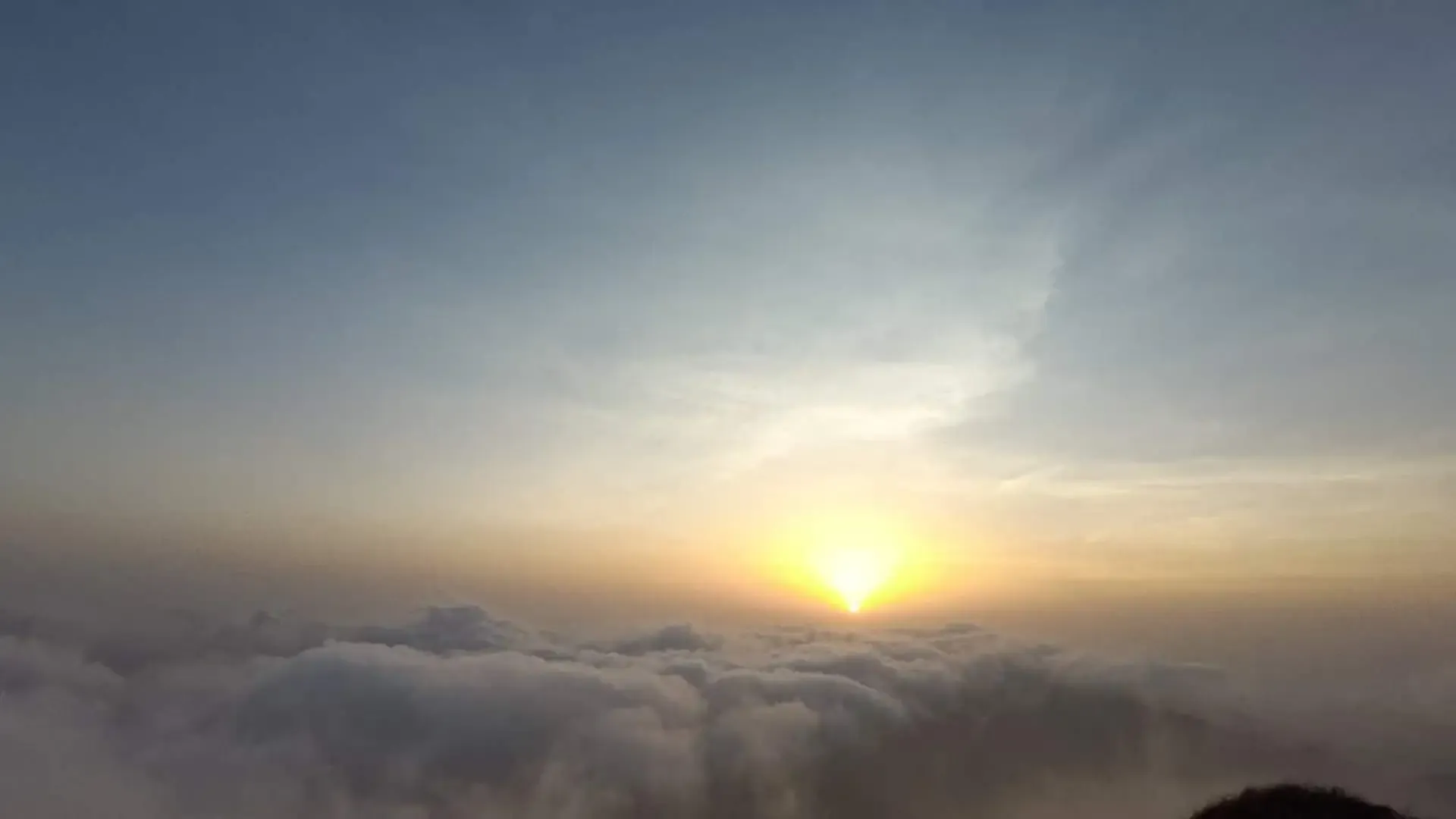
Day 1 (Salher Summit & Cave Camp): Climb up from Salherwadi, explore all historic structures, watch a magnificent sunset above the clouds from 5,141 feet, and camp overnight inside the clean rock-cut caves. Experience brilliant unpolluted stargazing.
Day 2 (Salota Fort Climb & Return): Wake for sunrise at the Parshuram Temple. Descend to the mountain col and tackle the steep, technical rock-cut steps of Salota Fort. Explore its gatehouse and plateau before descending back to Salherwadi by afternoon.
Multi-Modal How to Reach & Transit Guide
🚗 By Road & Private Vehicle (Recommended)
From Nashik (125 km / 3 hrs): Take Nashik – Dindori – Vani – Kalwan – Satana – Taharabad – Salherwadi route. From Surat (150 km / 3.5 hrs): Route via Vyara – Ahwa (Dang) – Mulher – Salherwadi across the Gujarat-Maharashtra state border. From Pune (330 km / 7 hrs): Via Nashik along NH-60.
🚆 By Train
The closest major railway junctions are Manmad Junction (105 km) and Nashik Road (125 km). From Manmad or Nashik, state transport (MSRTC) buses run up to Satana or Taharabad, from where local shared jeeps connect to Salherwadi village.
✈️ By Air
Nashik Airport, Ozar (110 km) is the closest operational airport with scheduled flights. Surat International Airport (150 km) and Mumbai International Airport (280 km) provide nationwide connectivity.
Authentic Khandeshi & Baglan Delicacies
Exploring the Baglan region offers authentic local farmer cuisine prepared by friendly village hosts in Salherwadi:
- Khandeshi Shev Bhaji: Thick, fiery curry simmered with dry coconut, roasted spices, and crunchy gram flour shev, accompanied by piping hot Bajra Bhakri.
- Pithla Bhakri with Shengdana Thecha: Wholesome peasant fare of gram flour pitla, rustic millet bread, and spicy roasted peanut-garlic-green chili thecha.
- Varan Bhaat with Pure Desi Ghee: Slow-cooked yellow pigeon pea lentils served over fragrant country rice, seasoned with cumin, mustard seeds, and freshly crushed garlic.
- Fresh Sugarcane & Guava: The surrounding valleys of Satana and Kalwan are famous for sweet organic pomegranates, guavas, and freshly squeezed sugarcane juice.
Trekker Safety Guidelines & Essential Tips
- Best Time to Visit: October to February (Winter) is ideal with cool winds (10°C to 24°C) and crystal-clear visibility. Monsoons (July-September) make the fort lush green but rock steps can become extremely slippery. Avoid peak summer (April-May) as there is no shade on the ascent.
- Water & Sustenance: There are no shops or vendors on the fort. Carry at least 3 liters of drinking water per person and high-energy snacks like dates, nuts, and electrolyte mixes. The water in Gangasagar lake is suitable for washing but should be filtered or boiled before drinking.
- Footwear: Wear dedicated trekking shoes with aggressive lug tread patterns for grip on loose gravel and worn basalt steps.
- Respect Historic Sanctity: Do not litter. Carry all non-biodegradable waste back down to the village. Respect the temple premises and rock cave heritage.