 By Bharat travel guide
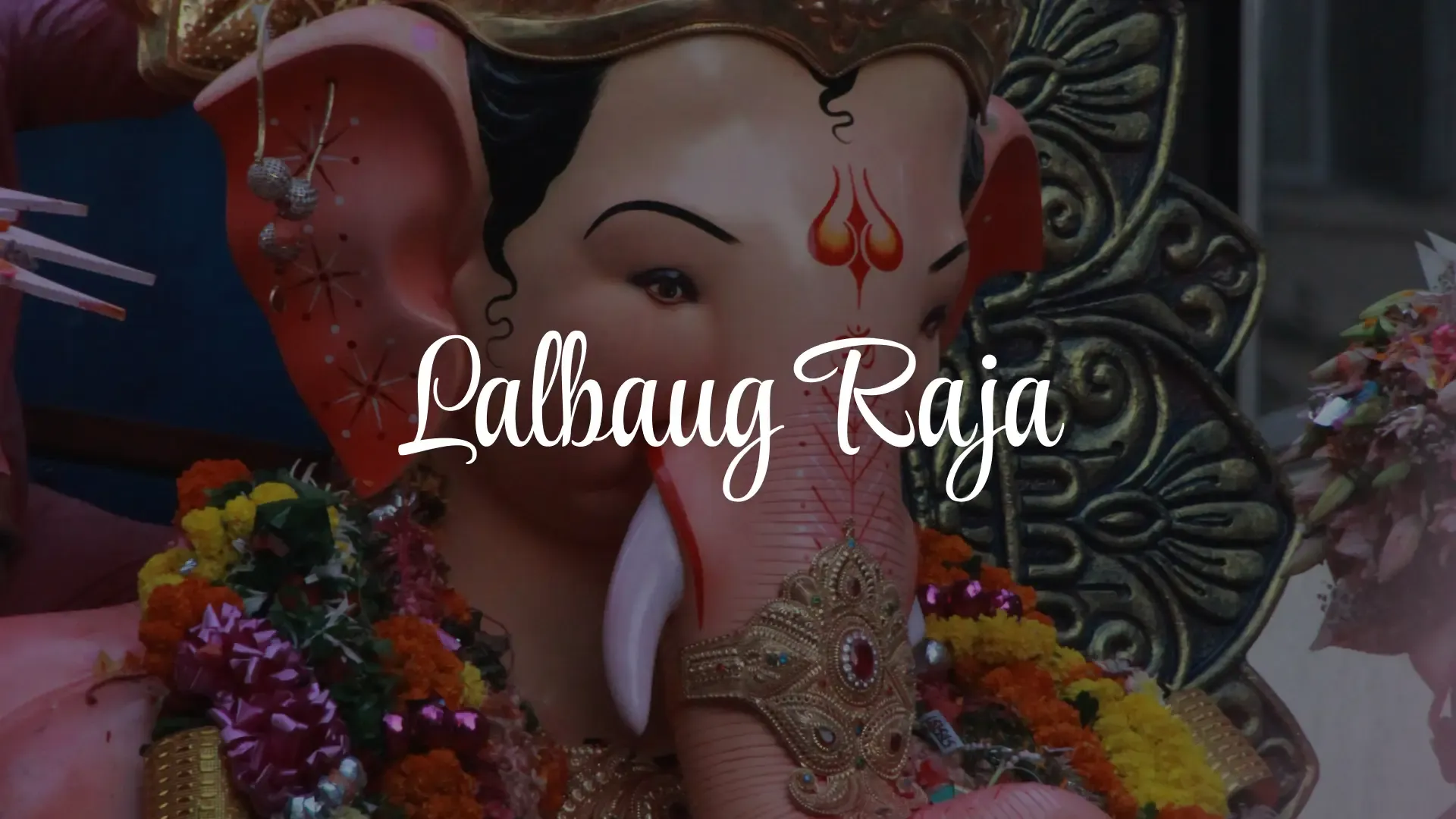
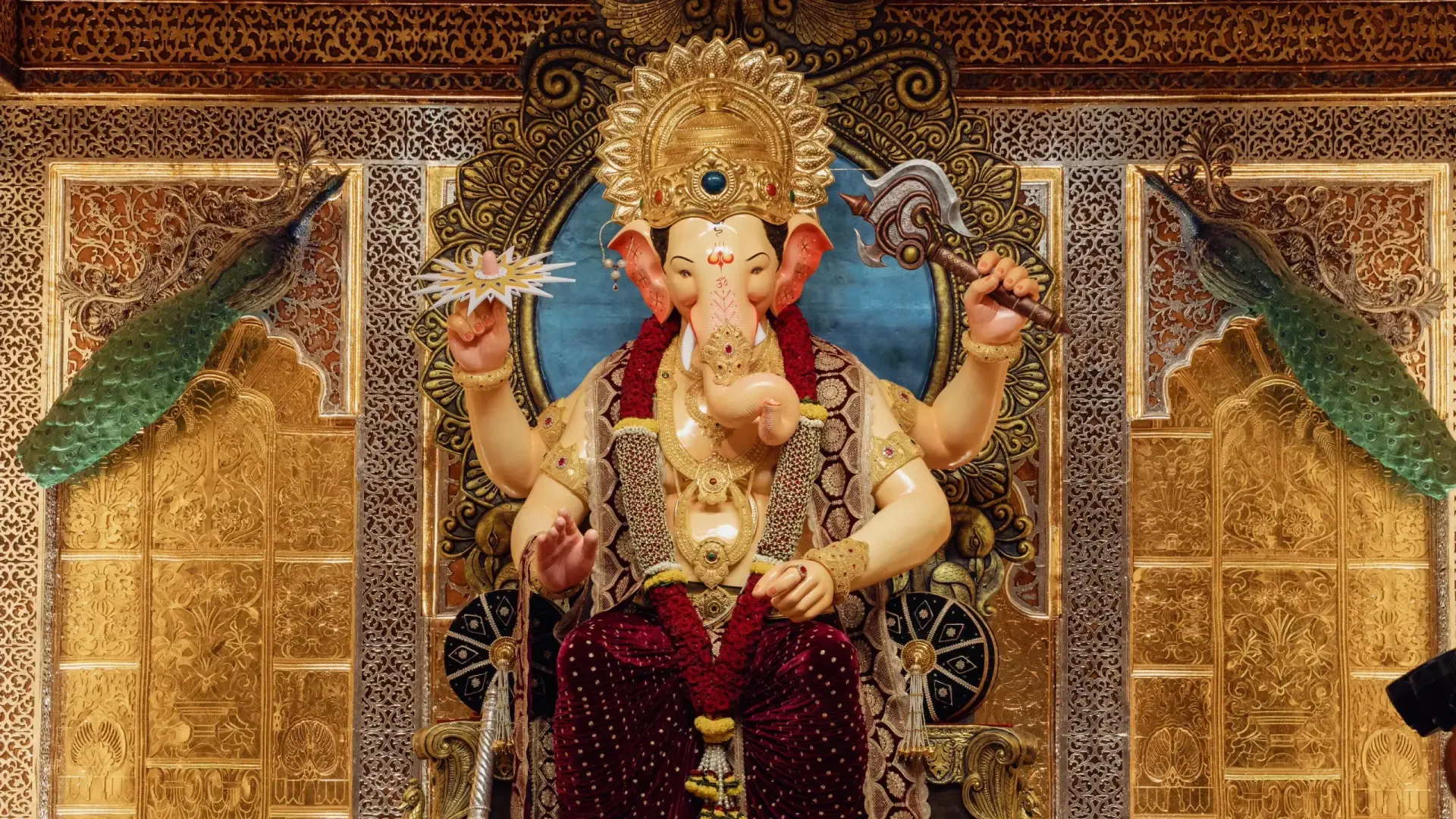
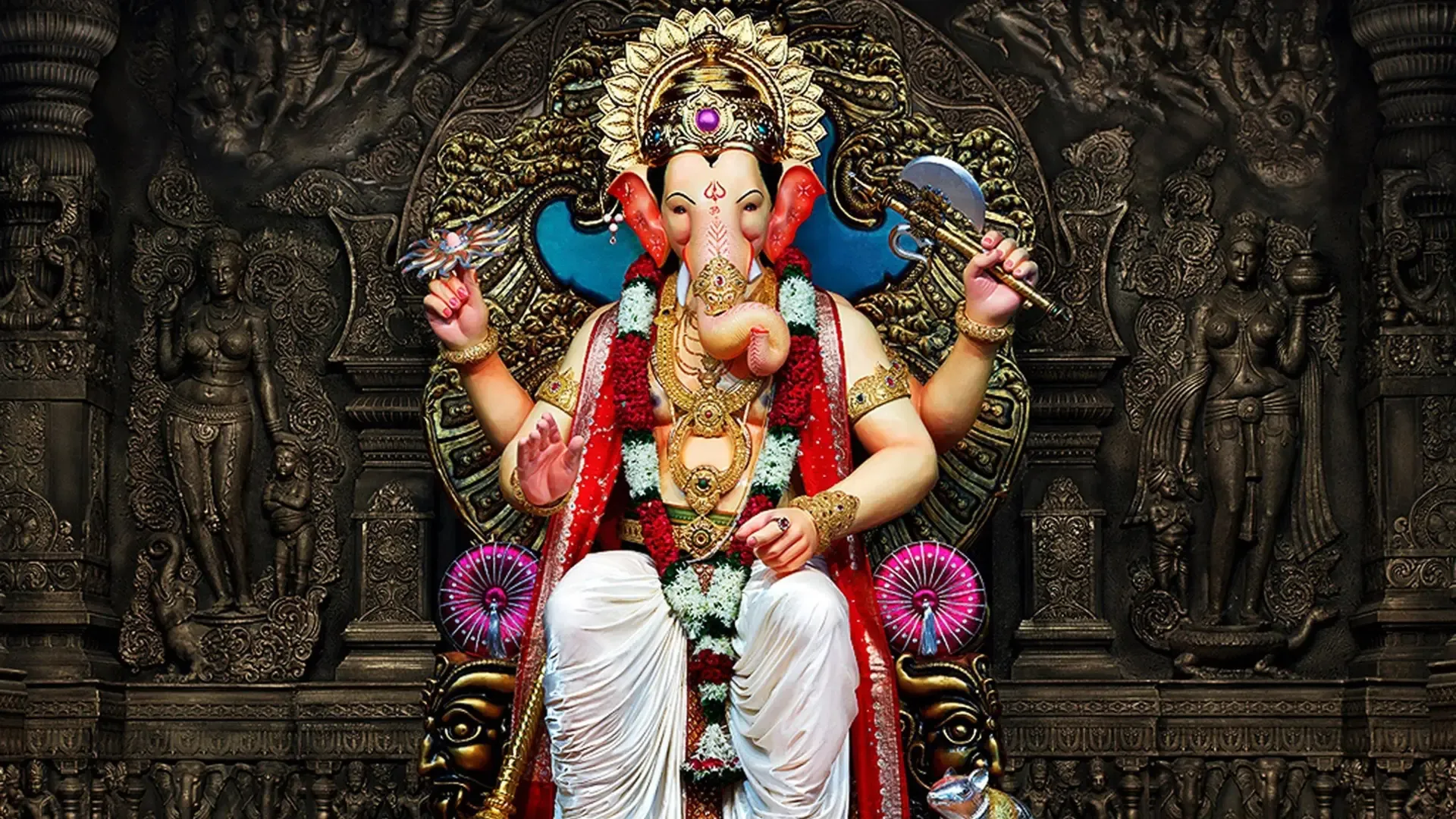
Celebrated across the globe as the undisputed sovereign deity of Mumbai's magnificent Ganeshotsav festivities, Lalbaugcha Raja (the King of Lalbaug) is one of the most revered and spiritually potent pilgrimage phenomena on Earth. Founded in 1934 during India's freedom struggle by local Koli fisherwomen and market traders of Peru Chawl in Central Mumbai, this grand 14-foot clay idol attracts over 1.5 crore devotees across its 10-day festival every year.
Revered as Navsacha Ganpati (the granter of all heartfelt prayers and solemn vows), pilgrims, celebrities, industrialists, and political leaders stand in serpentine queues for over 24 hours just to touch the divine lotus feet of the deity. Sculpted with legendary mastery by the Kambli family on a majestic royal throne with lifelike benevolent eyes, Lalbaugcha Raja is the supreme cultural and spiritual spectacle of Mumbai in 2026.
📍 Lalbaugcha Raja: Quick Travel Facts & Key Information (2026)
| Location | Lalbaug Market, GD Ambekar Marg, Parel, Central Mumbai - 400012 |
| Mandal Name & Era | Lalbaugcha Raja Sarvajanik Ganeshotsav Mandal (Founded in 1934) |
| Deity Title | Navsacha Ganpati (Wish-Fulfilling King of Mumbai) |
| Darshan Lines | 1. Charan Sparsh (Navas Line - 12 to 24 hrs) | 2. Mukh Darshan (General - 2 to 6 hrs) |
| Darshan Timings | Open 24 Hours during 10 Festival Days (Morning Aarti: 6:00 AM | Evening Aarti: 7:30 PM) |
| Entry Ticket | Free Public Darshan (VIP / Senior Citizen entry managed by trust) |
| Best Time to Visit | Ganesh Chaturthi to Anant Chaturdashi (August / September) | Early morning 3 AM - 6 AM |
| Nearest Transport Hubs | Chinchpokli / Currey Road Station (500m) | Lower Parel (1.5 km) | CSMT (6 km) |
1. The 1934 Origin & Koli Fishermen Vow
The legendary history of Lalbaugcha Raja dates back to the year 1934. In the 1930s, the bustling open-air market at Peru Chawl was shut down by British colonial authorities, depriving local Koli fisherwomen and vegetable vendors of their daily livelihood. In their distress, the vendors took a collective sacred vow (Navas) to Lord Ganesha: if they were granted permanent land for a market, they would install and worship a Sarvajanik Ganpati idol every year.
Through the persistent efforts of local councillor Kuwarji Jethabhai Shah and community elders, municipal authorities sanctioned the present Lalbaug Market. True to their vow, on September 12, 1934, the first Lalbaugcha Raja idol—dressed in traditional Koli fisherman attire—was installed. Since that historic day, the deity has been revered as Navsacha Ganpati, the supreme benevolent ruler who never lets a true prayer go unanswered.
2. Kambli Arts & The Patented Royal Design
What sets Lalbaugcha Raja apart from all other Ganesh idols in India is its distinctive, majestic aesthetic. Since 1935, the idol has been sculpted exclusively by the Kambli family of Kambli Arts. Founded by master sculptor Madhusudan Kambli and carried forward across generations by Ratnakar Kambli and Santosh Kambli, the idol design is legally patented.
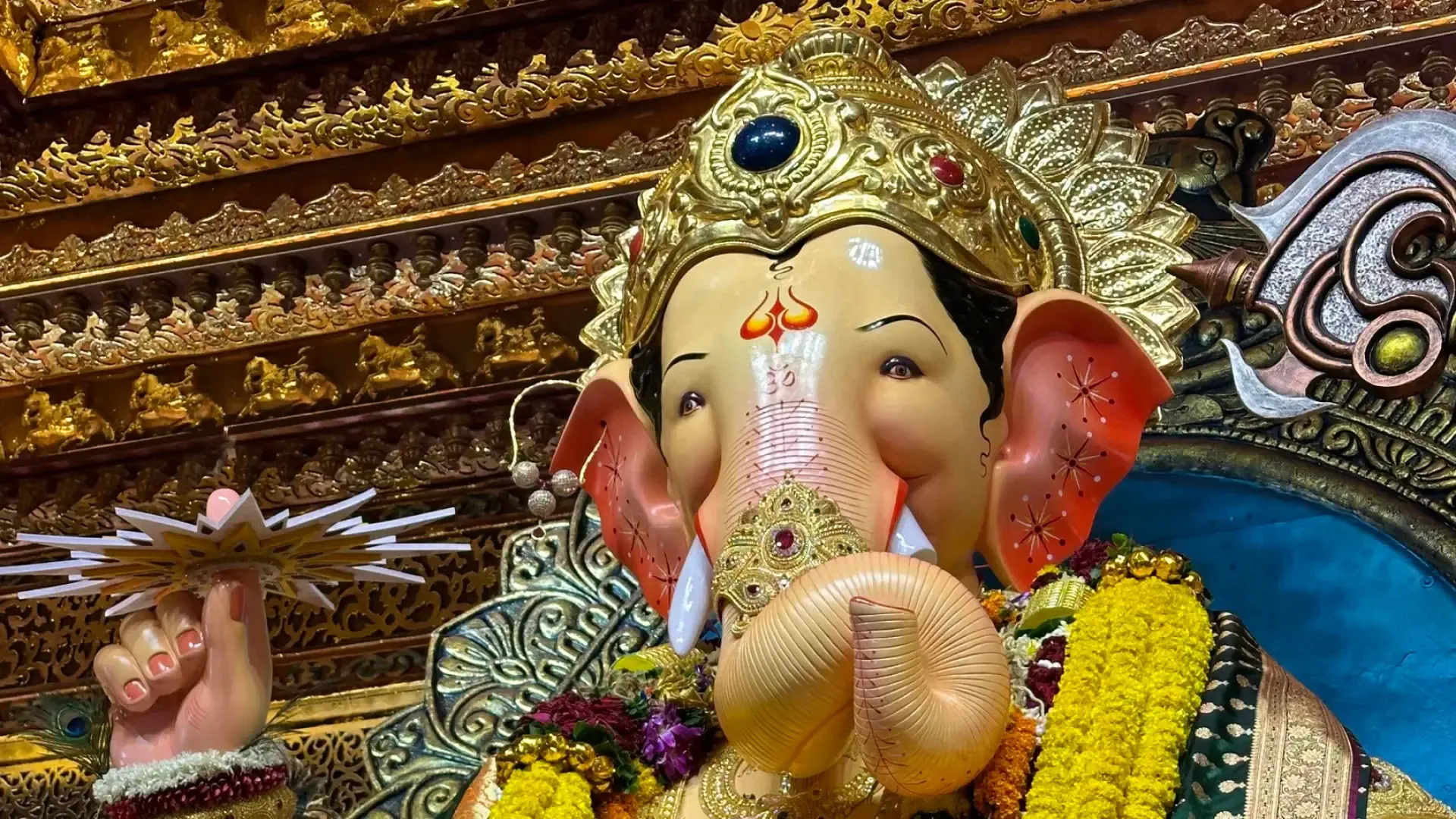
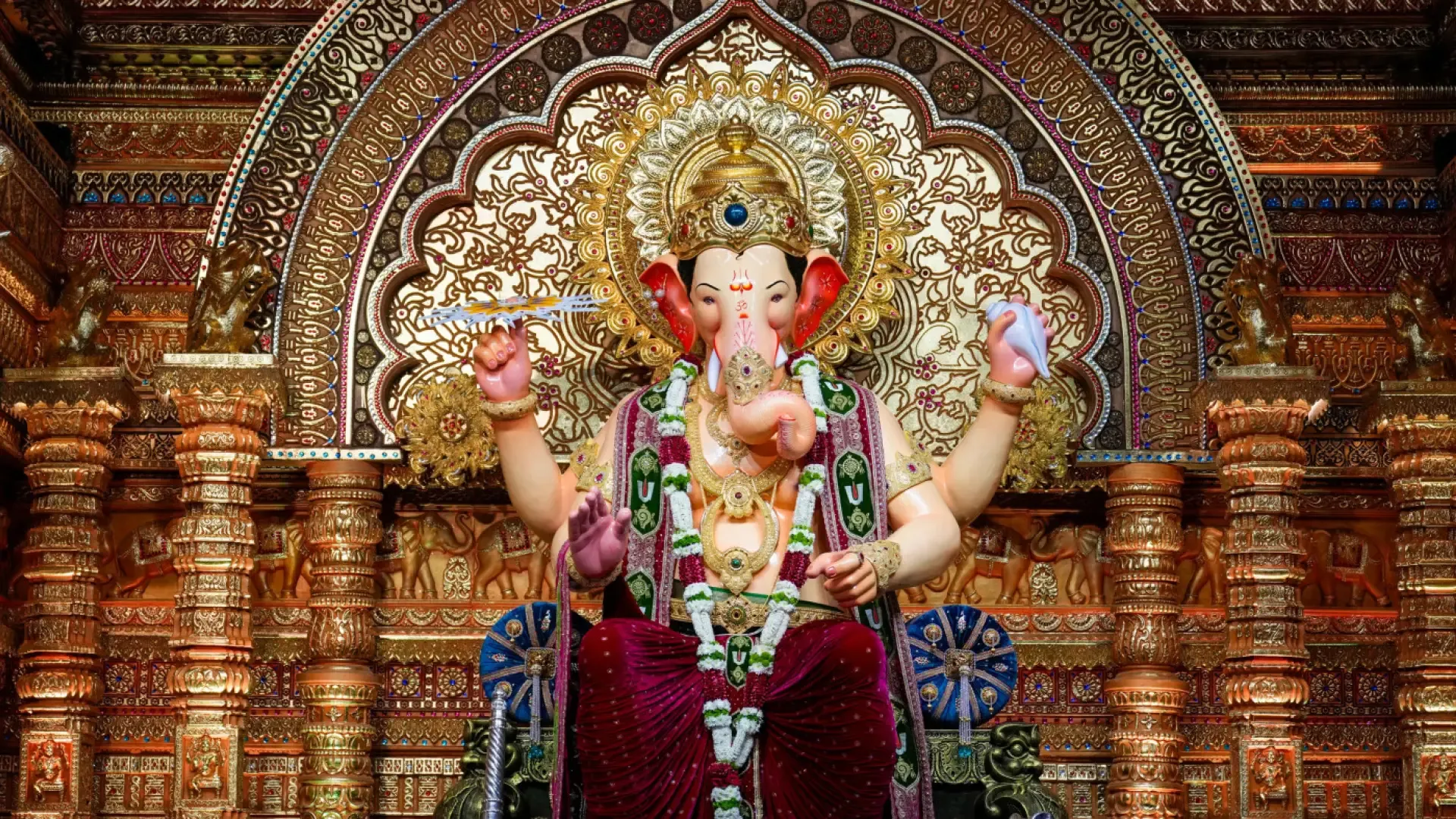
Standing at an impressive 12 to 14 feet, Lalbaugcha Raja is portrayed not in a standard seated posture, but as a graceful, compassionate Emperor (Rajadhiraj) seated upon a lavish royal throne. The deity features expressive, lifelike eyes that appear to gaze directly into the soul of every pilgrim standing before the dais. Draped in exquisite silk pitambars, embellished with diamond-studded crowns, and holding the divine lotus and modak, the idol exudes an aura of supreme majesty and peace.
3. Charan Sparsh vs Mukh Darshan: Step-by-Step Guide
Lalbaugcha Raja Sarvajanik Ganeshotsav Mandal manages two distinct, world-famous queue lines to accommodate millions of devotees:
🦶 1. Charan Sparsh (Navas Line)
Devotees in this line are guided directly onto the sanctum sanctorum stage to physically touch their forehead and hands to the sacred lotus feet (Charan) of Lord Ganesha. Due to immense faith, waiting times in this queue average between 12 to 24 hours, stretching over 3 to 5 kilometers through covered holding areas with water and first-aid amenities.
👁️ 2. Mukh Darshan (General Line)
Devotees who wish to take darshan of the deity's face without touching the feet join the Mukh Darshan line. This queue moves rapidly through an elevated viewing ramp approximately 20 to 30 feet from the throne. Waiting time typically ranges between 2 to 6 hours depending on festival day rush.
4. The 24-Hour Visarjan Miravnuk to Girgaon Chowpatty
On Anant Chaturdashi (the 10th and final day), Lalbaugcha Raja embarks on India's most celebrated immersion procession (Visarjan Miravnuk). Commencing at approximately 10:00 AM from the Lalbaug market pandal, the idol is mounted upon a flower-decked hydraulic chariot.
The procession weaves through Bharat Mata Cinema, Lalbaug Flyover, Chinchpokli, Byculla, Nagpada, Two Tanks, Opera House, and finally reaches Girgaon Chowpatty on the shores of the Arabian Sea. Millions of devotees dance to traditional Dhol-Tasha beats and throw pink gulal into the sky. The final immersion ceremony takes place early the next morning at sunrise aboard a specially engineered motorized raft, marking an emotionally overwhelming farewell to Bappa.
5. How to Reach Lalbaugcha Raja (Train, Metro & Road)
- By Central Railway: Alight at Chinchpokli or Currey Road Railway Stations. The mandal entrance is just a 500-meter walk through Dr. Ambedkar Road.
- By Western Railway: Alight at Lower Parel or Prabhadevi Station and take a shared taxi or 10-minute walk towards Lalbaug.
- By Harbour Railway: Alight at Cotton Green Station (1.2 km away) and take an auto or walk.
- By Mumbai Metro: Take Metro Line 3 (Aqua Line) to nearest Central Mumbai stations or Lower Parel Monorail station.
- By Air: Chhatrapati Shivaji Maharaj International Airport (BOM) is approximately 14 km away via Western Express Highway.
6. Where to Stay & Authentic Lalbaug Festival Food
Lalbaug and Parel are the cultural heartland of Mumbai's historic mill district. While waiting or after darshan, pilgrims can relish authentic Maharashtrian culinary treasures:
- Ukadiche Modak: Steamed rice flour dumplings stuffed with fresh grated coconut and jaggery, drizzled with warm pure ghee.
- Poha & Kanda Bhaji: Crispy hot onion fritters and spiced flattened rice served fresh at local stalls along Lalbaug Naka.
- Puran Poli & Katachi Amti: Sweet stuffed flatbreads accompanied by tangy spicy lentil soup at authentic Marathi bhojanalayas.
- Hotels & Lodging: Premium accommodation is available in nearby Lower Parel (The St. Regis, ITC Grand Central, Four Seasons) and budget lodges in Dadar and CSMT area.
7. Essential Devotee Tips & Safety Guidelines
- Opt for 3:00 AM – 6:00 AM: The early dawn hours witness relatively faster moving queues compared to prime evening hours.
- Hydration & Comfortable Shoes: Wear slip-on sandals and carry energy bars and water bottles inside the barricaded queues.
- Protect Valuables: Keep mobile phones and wallets in front cross-body zippered pouches to avoid pickpocketing in crowded choke points.
- Senior Citizens & Wheelchairs: Dedicated assistance desks managed by the Mumbai Police and Lalbaug Mandal are available near the entrance gate.
🙏 The Eternal Magic of Lalbaugcha Raja
To stand before Lalbaugcha Raja is to experience the beating pulse of Mumbai's collective spirit. Across nine decades of unbroken devotion, the King of Lalbaug remains a glowing symbol of hope, communal harmony, and divine grace.