

Ajanta Caves: The Ultimate Travel Guide
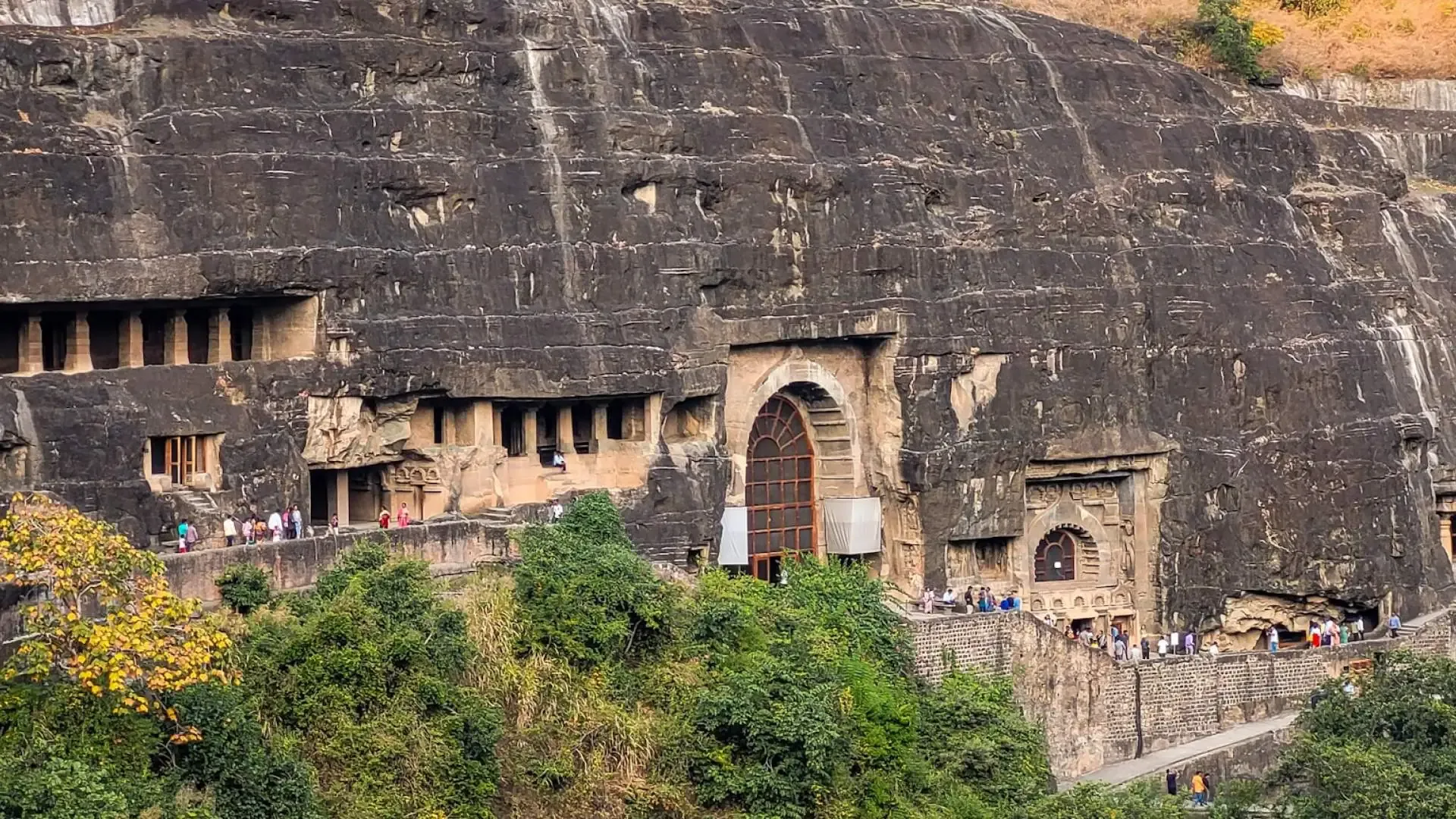
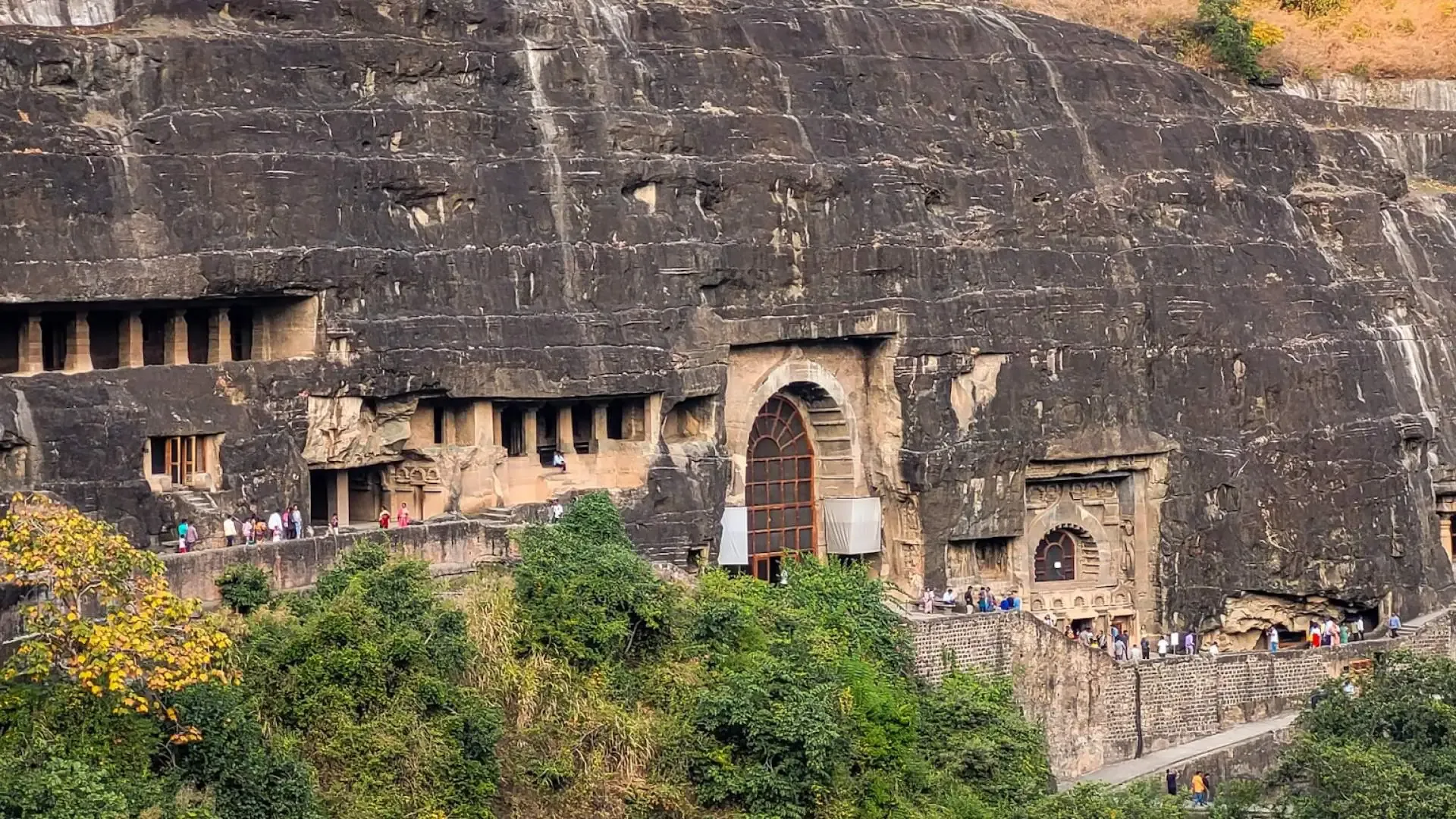
Hidden amidst the scenic Sahyadri Hills in Maharashtra, the Ajanta Caves are one of India's greatest archaeological and artistic treasures. Recognized as a UNESCO World Heritage Site, these ancient rock-cut Buddhist caves are renowned for their breathtaking murals, intricate sculptures, and remarkable architecture dating back over 2,000 years.
Featuring magnificent monasteries (Viharas) and prayer halls (Chaityas), the Ajanta Caves attract history enthusiasts, photographers, architecture lovers, and spiritual travelers from around the world.
Why Visit the Ajanta Caves?
- UNESCO World Heritage Site.
- More than 2,000 years of history.
- Famous for ancient Buddhist paintings and sculptures.
- Outstanding example of Indian rock-cut architecture.
- One of India's most important archaeological sites.
History of the Ajanta Caves
The Ajanta Caves were excavated in two major phases between the 2nd century BCE and the 6th century CE. These caves served as Buddhist monasteries, meditation halls, and centers of learning for monks.
The caves are especially famous for their beautifully preserved murals depicting the life of Lord Buddha and various Jataka Tales. Rediscovered in 1819 by a British officer during a hunting expedition, Ajanta has since become one of the world's most celebrated heritage sites.
Main Attractions
Ancient Buddhist Paintings
The colorful murals are considered masterpieces of ancient Indian art, illustrating stories from Buddha's life and Buddhist traditions.
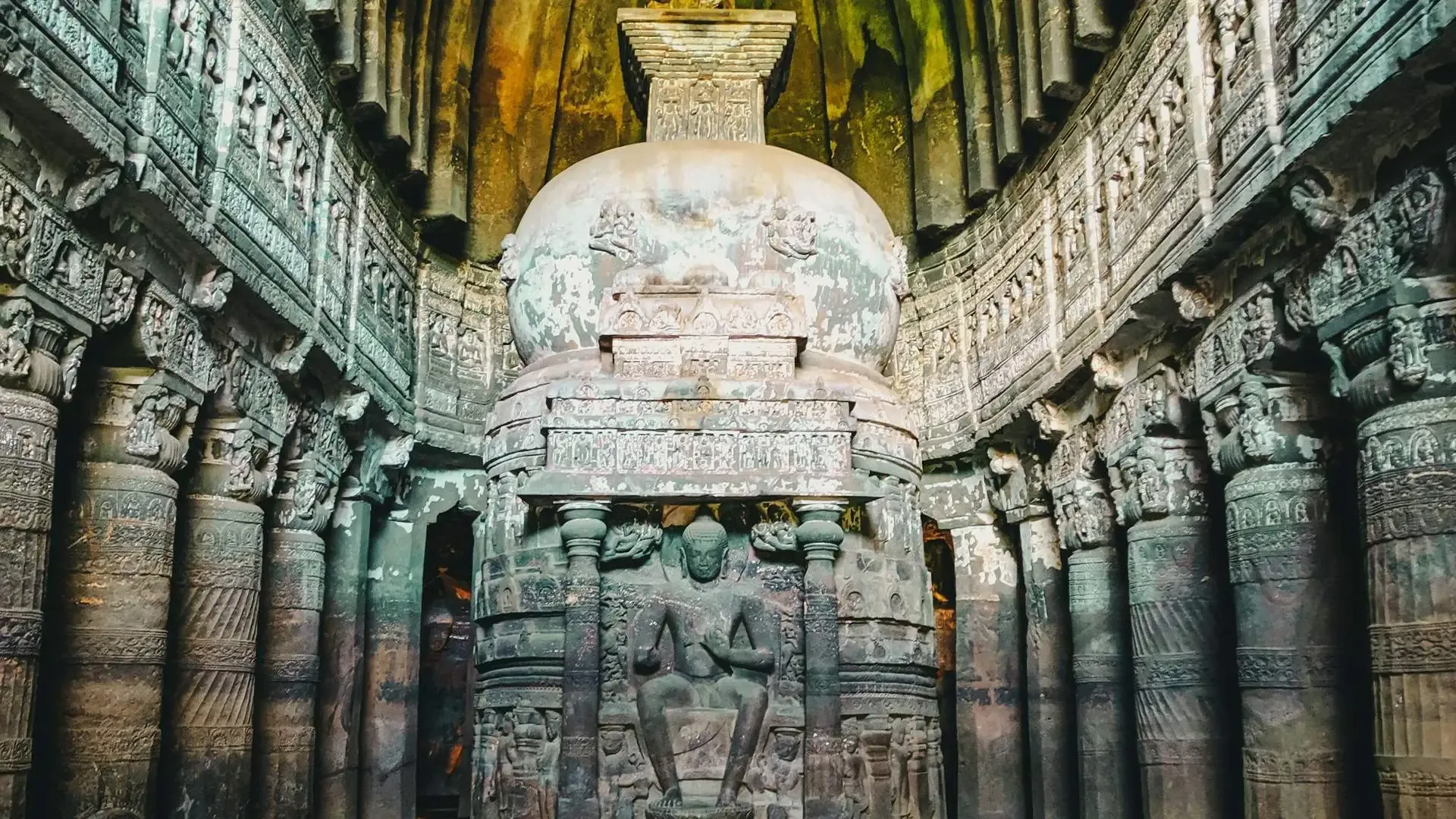
Rock-Cut Sculptures
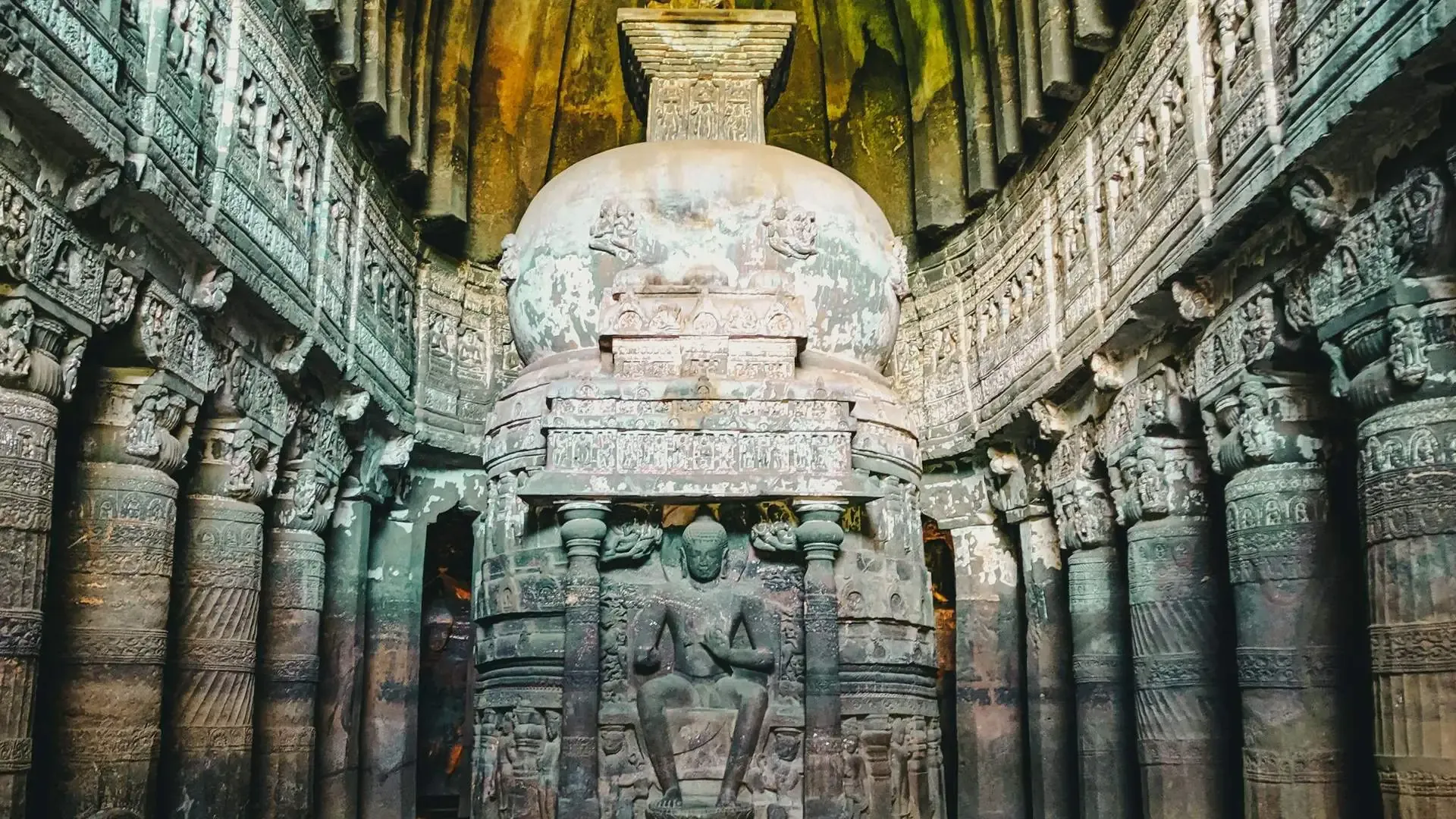
Beautifully carved statues of Lord Buddha, Bodhisattvas, and intricate decorative motifs can be found throughout the caves.
Chaitya Halls
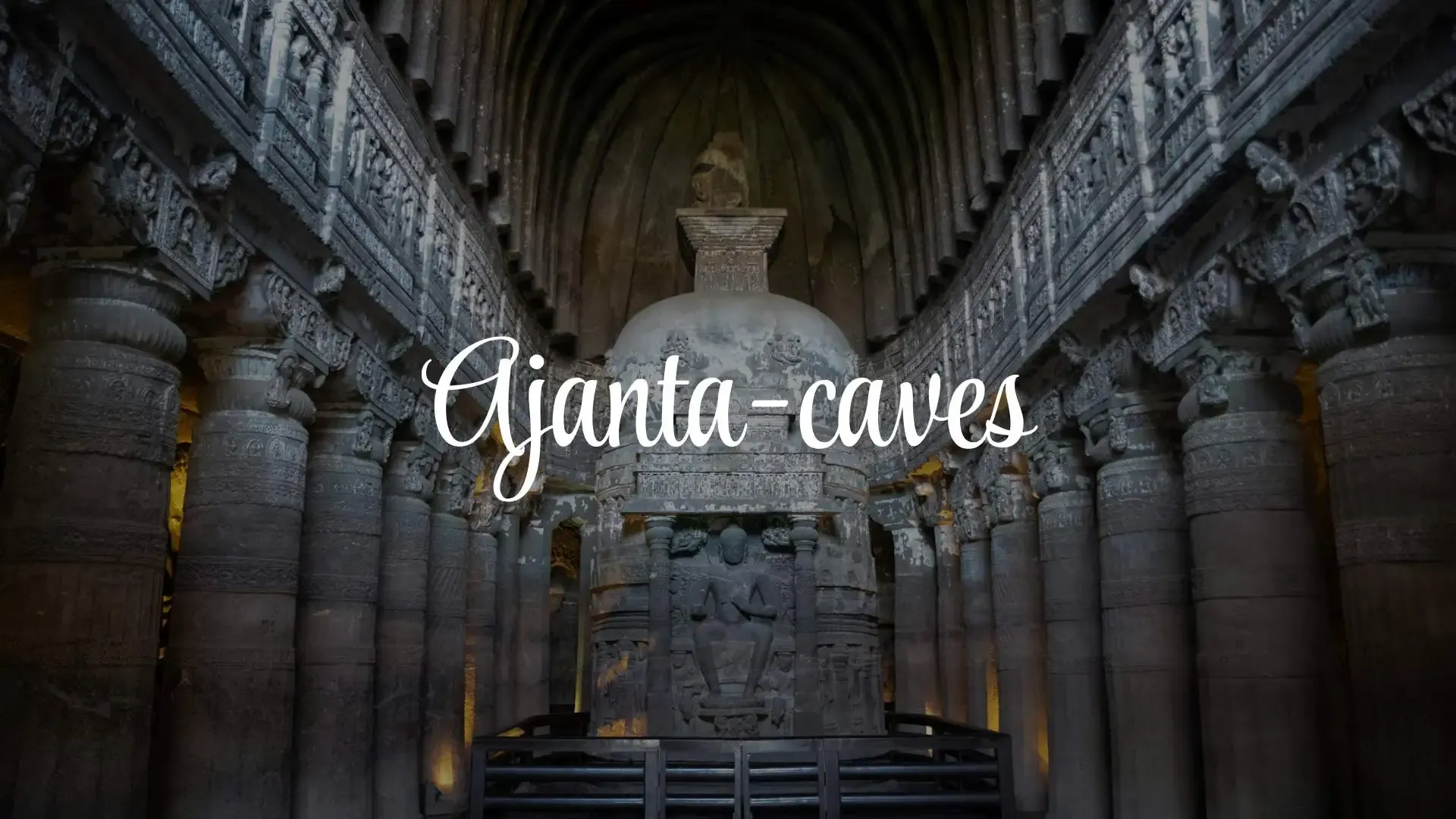
Large prayer halls with magnificent pillars and stupas served as places of worship and meditation.
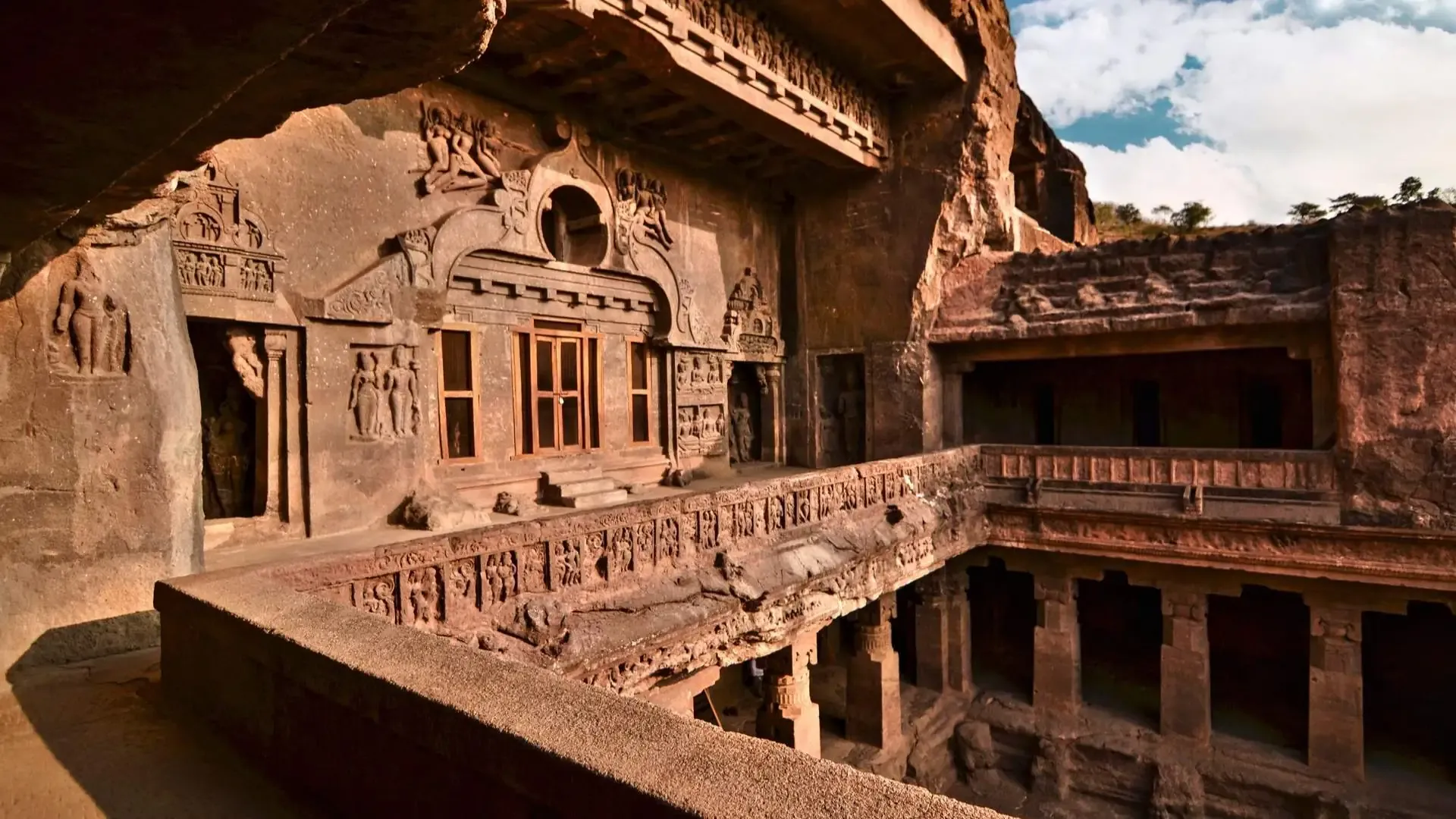
Viharas (Monasteries)
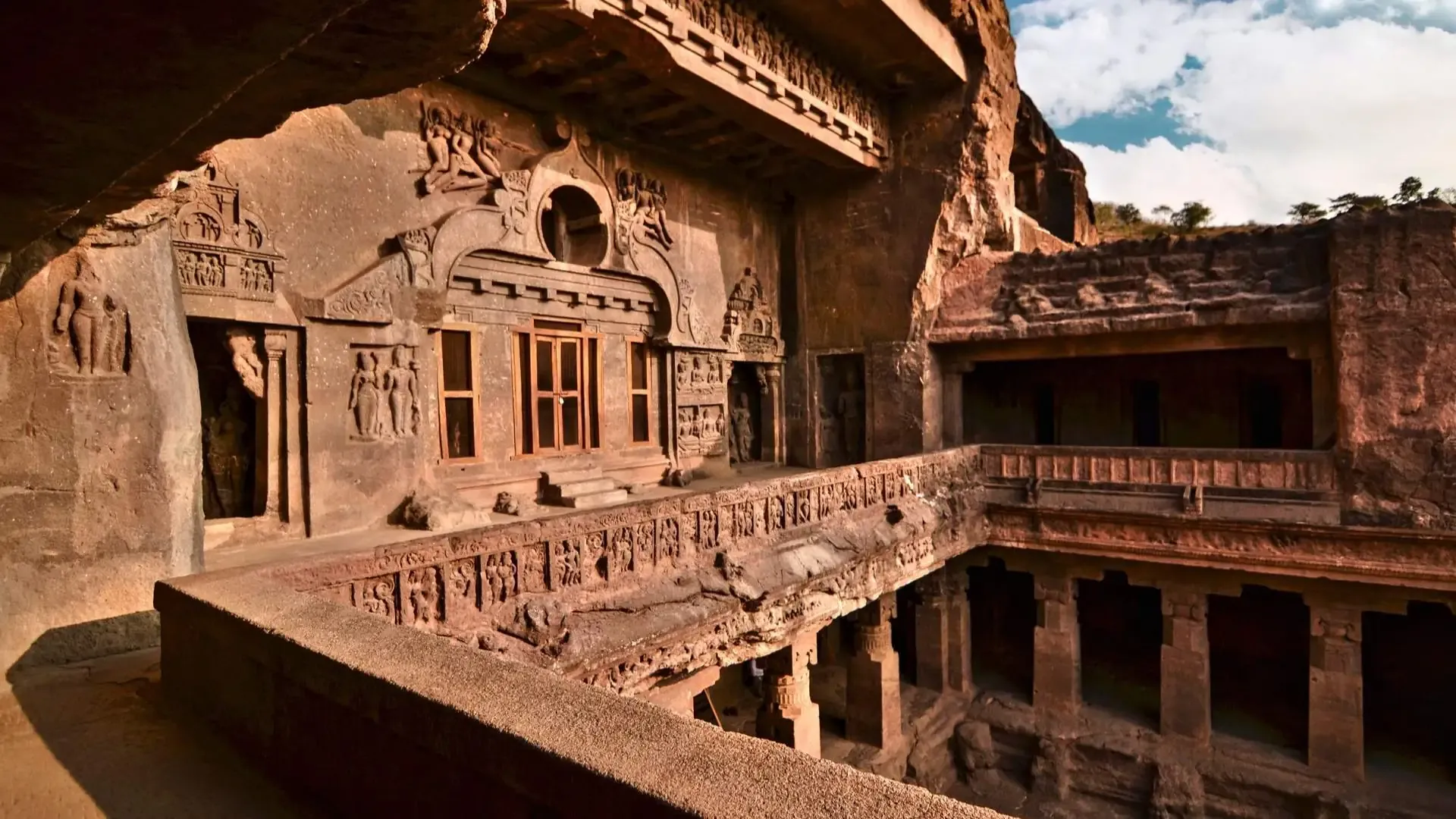
These residential monasteries include meditation cells, assembly halls, and beautifully decorated interiors.
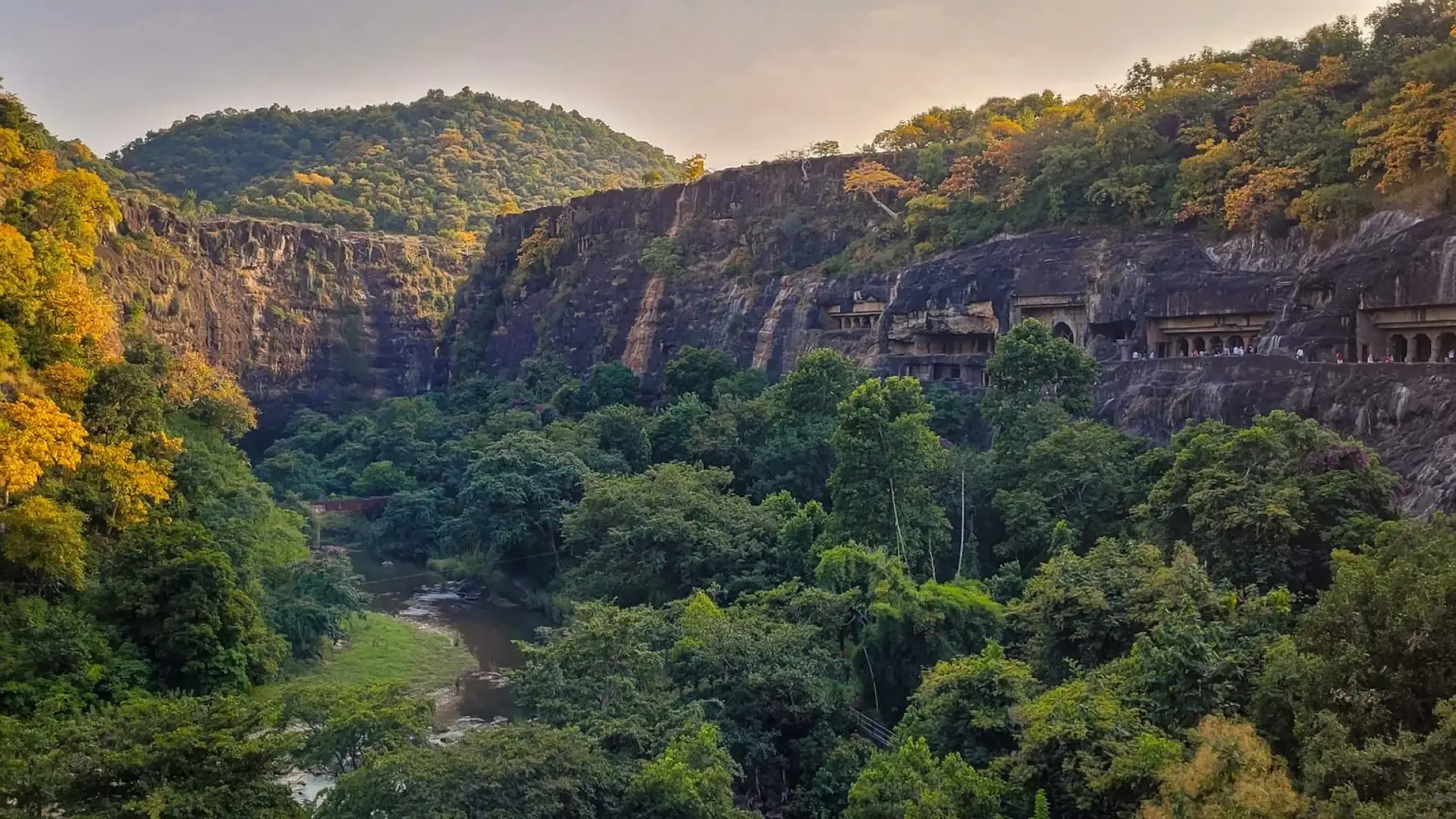
Scenic Horseshoe-Shaped Valley
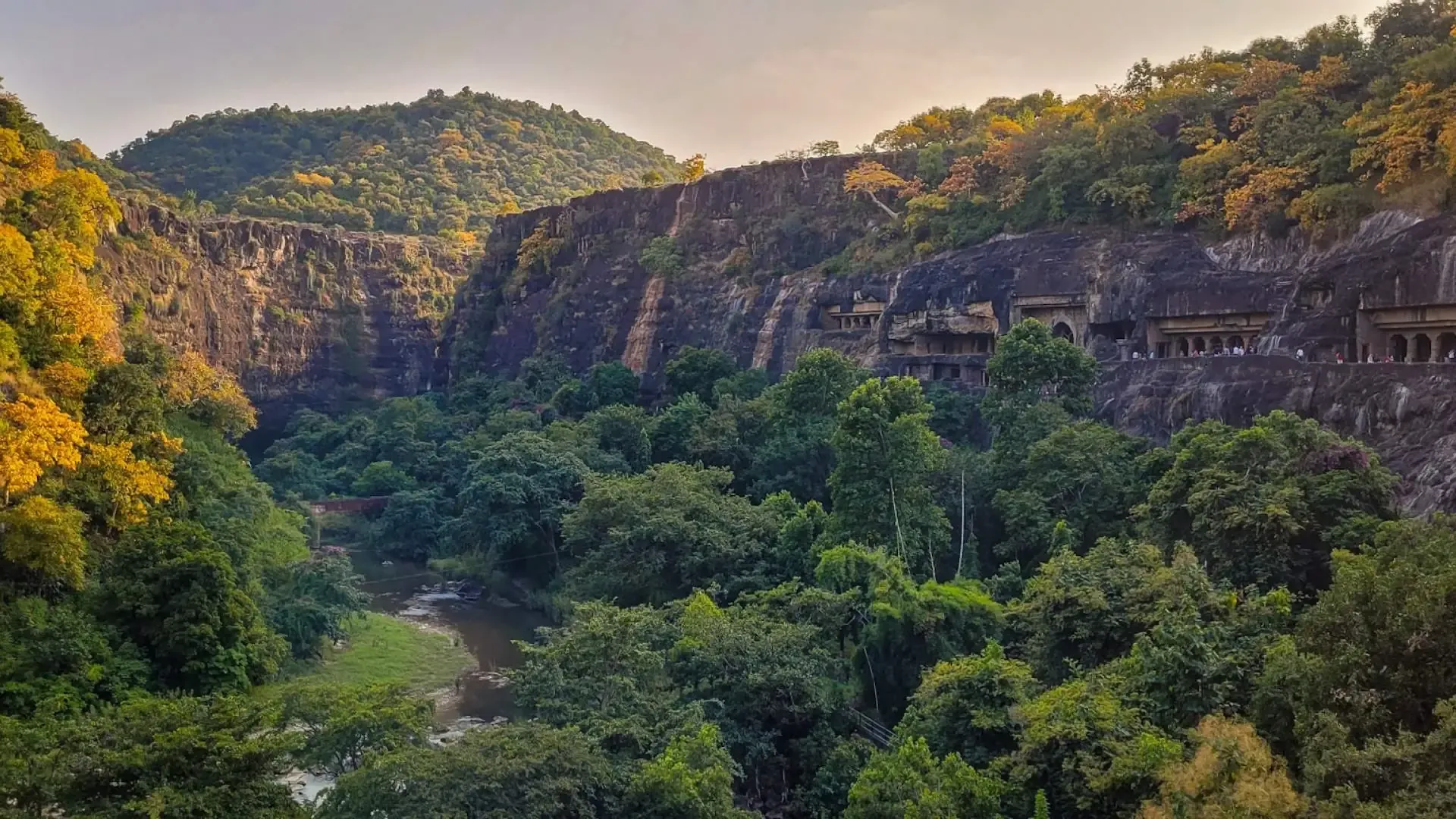
The caves overlook the picturesque Waghora River valley, offering breathtaking natural surroundings.
Architectural Highlights
- 30 magnificent rock-cut caves.
- Exquisite Buddhist murals and frescoes.
- Beautifully carved stone pillars.
- Ancient meditation halls and monasteries.
- Exceptional rock-cut craftsmanship dating back over two millennia.
Best Time to Visit
October - March
The pleasant winter climate makes sightseeing and walking around the caves comfortable.
Monsoon (July - September)
The surrounding hills become lush green, creating spectacular views around the heritage site.
Recommended Period: October to March.
Things to Do at Ajanta Caves
- Explore all 30 ancient caves.
- Admire world-famous Buddhist murals.
- Study ancient Indian rock-cut architecture.
- Visit the Ajanta Visitor Centre.
- Capture stunning landscape and heritage photographs.
- Enjoy panoramic viewpoints overlooking the caves.
How to Reach
By Road: Ajanta Caves are well connected by road from Aurangabad, Jalgaon, and other major cities.
- Aurangabad – Approximately 100 km
- Jalgaon – Approximately 60 km
- Ellora Caves – Approximately 105 km
- Mumbai – Approximately 430 km
By Train: Jalgaon Railway Station is the nearest major railway station.
By Air: Chhatrapati Sambhajinagar (Aurangabad) Airport is the nearest airport.
Nearby Attractions
- Ellora Caves – UNESCO World Heritage Site.
- Bibi Ka Maqbara
- Daulatabad Fort
- Grishneshwar Jyotirlinga Temple
- Aurangabad Caves
Travel Tips
- Wear comfortable walking shoes.
- Carry drinking water and a hat during summer.
- Photography without flash is generally recommended inside the caves.
- Hire an official guide for a better understanding of the cave paintings.
- Start early to comfortably explore all major caves.
- Help preserve this UNESCO World Heritage Site by following all conservation guidelines.
Quick Facts
Location: Ajanta, Maharashtra
UNESCO Status: World Heritage Site (1983)
Total Caves: 30
Built Between: 2nd Century BCE – 6th Century CE
Religion: Buddhism
Entry Fee: Applicable (Separate charges for Indian and foreign visitors)
Famous For: Buddhist Paintings, Rock-Cut Architecture, Ancient Sculptures
Best Season: October to March
Ideal For: History Lovers, Families, Students, Photographers, Architecture Enthusiasts
Google Maps: https://maps.google.com/?q=Ajanta+Caves+Maharashtra
Final Thoughts
The Ajanta Caves stand among the world's finest examples of ancient Buddhist art and architecture. From breathtaking murals and intricate sculptures to peaceful surroundings and centuries-old history, this UNESCO World Heritage Site offers an unforgettable journey into India's glorious past and remains a must-visit destination for every traveler.
Optimized 1-Day & 2-Day Travel Itineraries
To help you experience the very best of Ajanta Caves Travel Guide 2026 at a comfortable pace, here is a structured step-by-step itinerary covering morning highlights, afternoon cultural exploration, and golden hour viewpoints:
Core Heritage & Signature Sightseeing
Extended Circuit, Nature & Culinary Trail
Authentic Regional Food & Local Delicacies
While exploring Ajanta Caves Travel Guide 2026, indulge in authentic regional cuisine. Savor traditional multi-course thalis featuring regional breads (Rotla/Bhakri/Puri), rich seasonal vegetable curries, freshly churned buttermilk (Chaas), and famous regional sweet delicacies.
Travel Essentials & Quick Facts
October to March
Pleasant weather & clear views
06:00 AM – 06:00 PM
Standard public entry hours
Free Entry / Nominal Charges
On-site / Online counter
1 to 2 Days
Comprehensive sightseeing
Available on-site
Designated parking plaza
₹1,500 – ₹3,500 / person
Includes travel, entry & food
Photo Gallery
Get Directions
Planning to visit? Click below to open Google Maps with the exact coordinates.
Open in Google MapsGet Daily Travel Alerts & Hidden Gems
Join 10,000+ travellers on WhatsApp for weekend road trips and verified guides.
Frequently Asked Questions
Answers to common visitor questions
Visiting hours for Ajanta Caves Travel Guide 2026 | History, Timings, Tickets & Best Time to Visit are generally 6:00 AM to 6:00 PM daily. We recommend visiting during early morning or sunset for the best experience.

Related Experiences
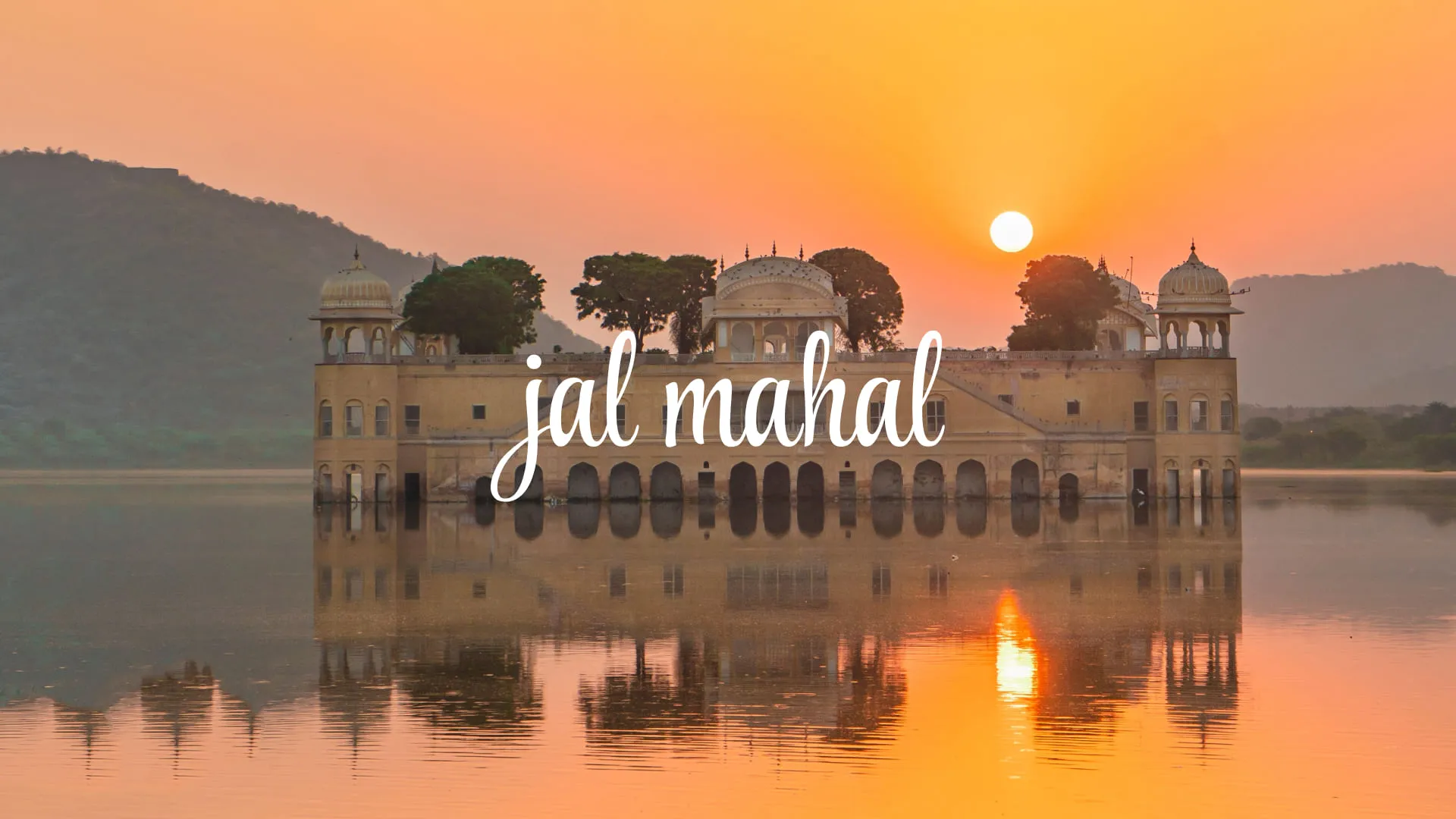
Jal Mahal Jaipur: Complete Travel Guide, History, Architecture & Night View
Explore Guide →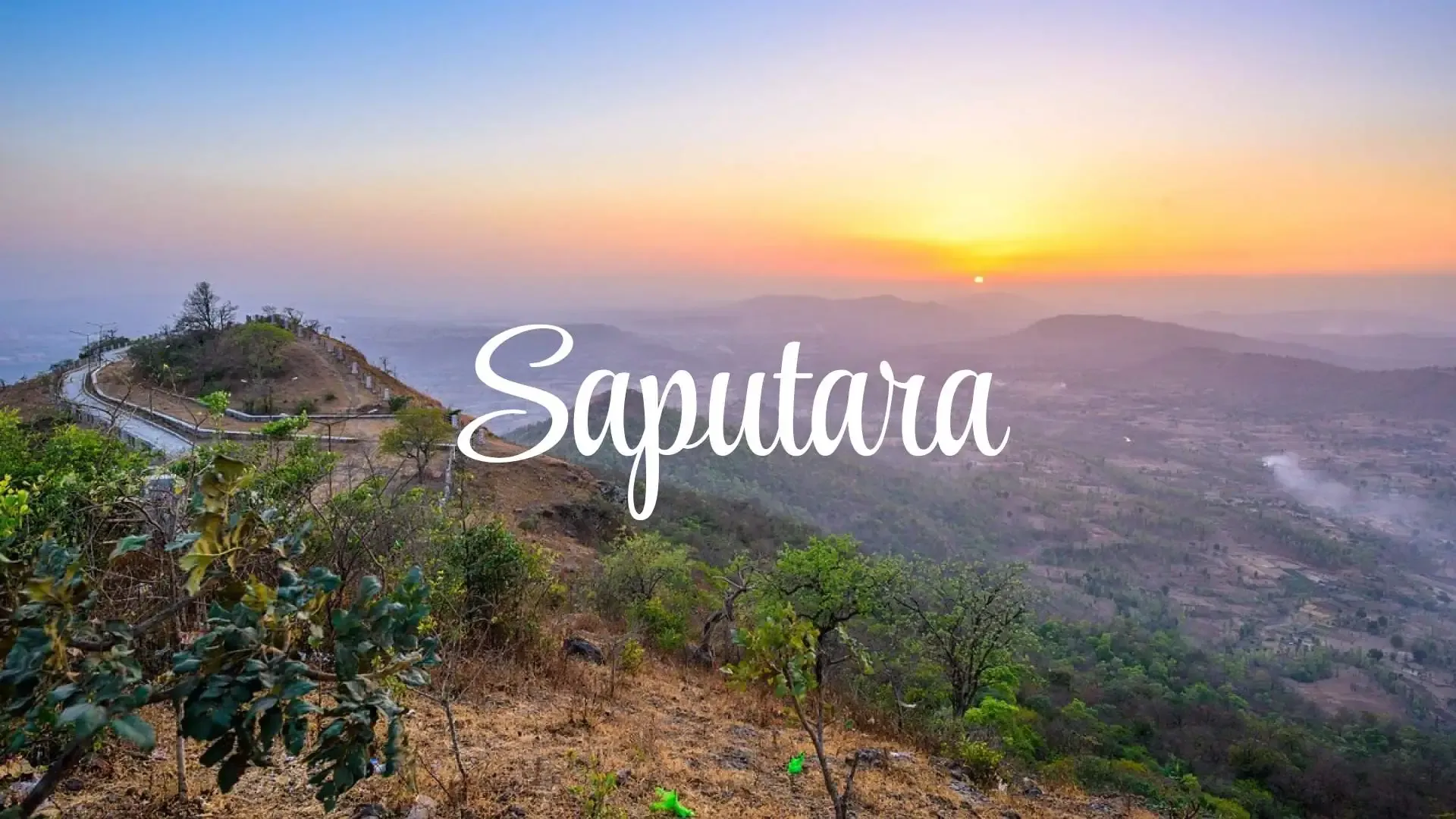
Saputara: The Ultimate Travel Guide to Gujarat's Misty Hill Station
Explore Guide →
Salangpur Hanumanji
Explore Guide →
80th Independence Day of India (2026): Red Fort Parade, Theme, History & Travel Guide
Explore Guide →
Dwarkadhish Temple: The Sacred Kingdom of Lord Krishna
Explore Guide →