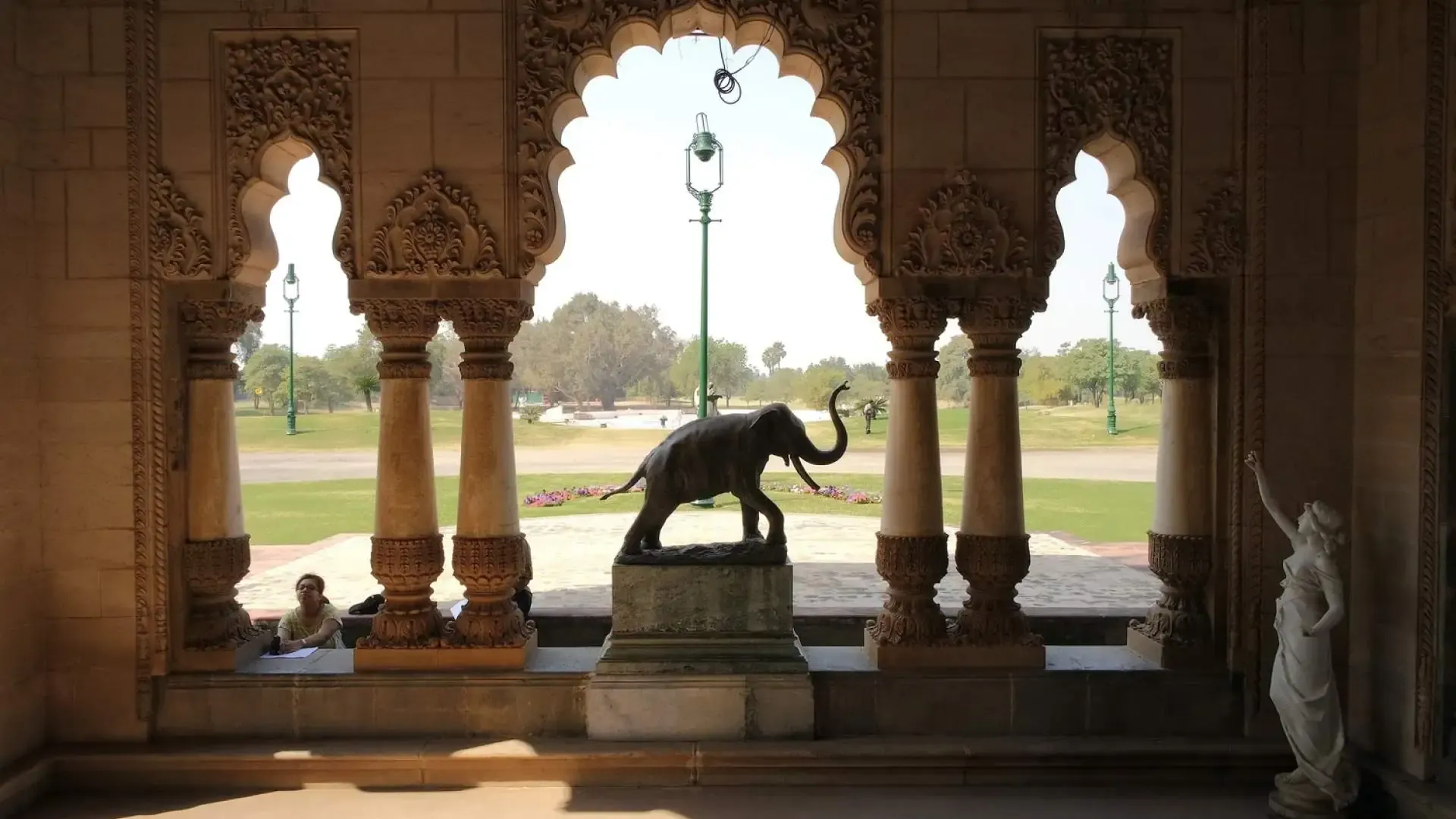
 By Bharat travel guide
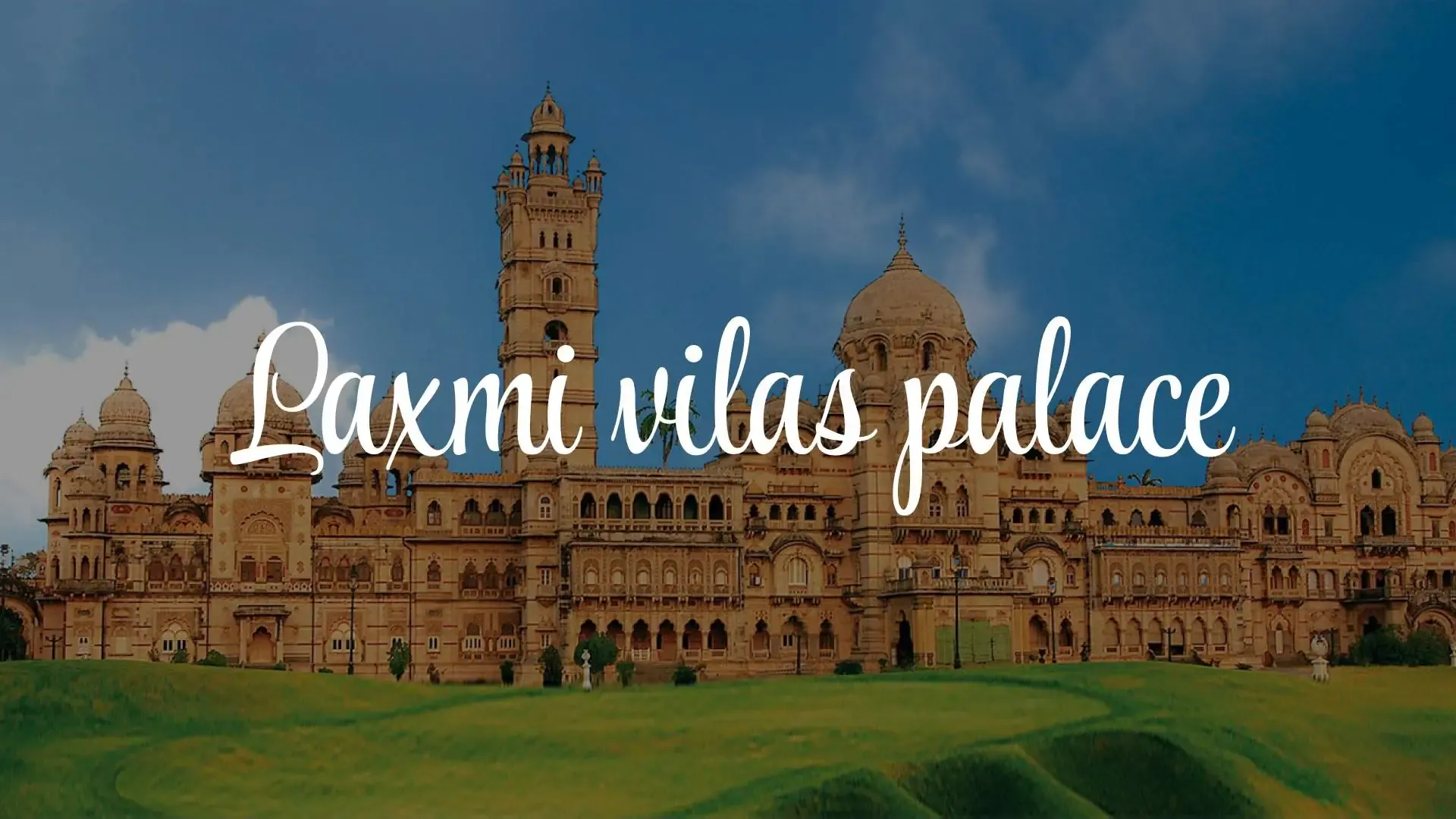
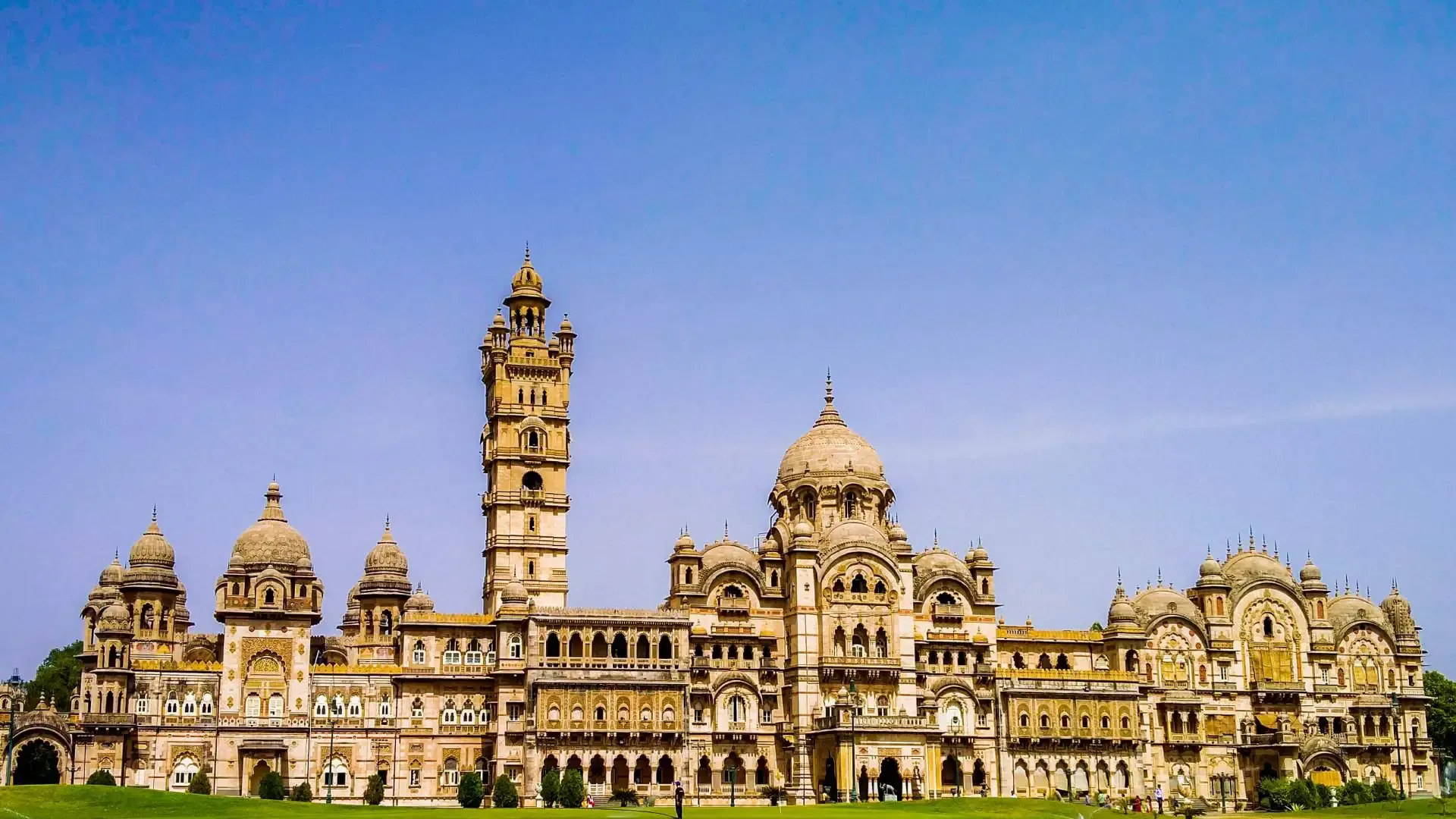
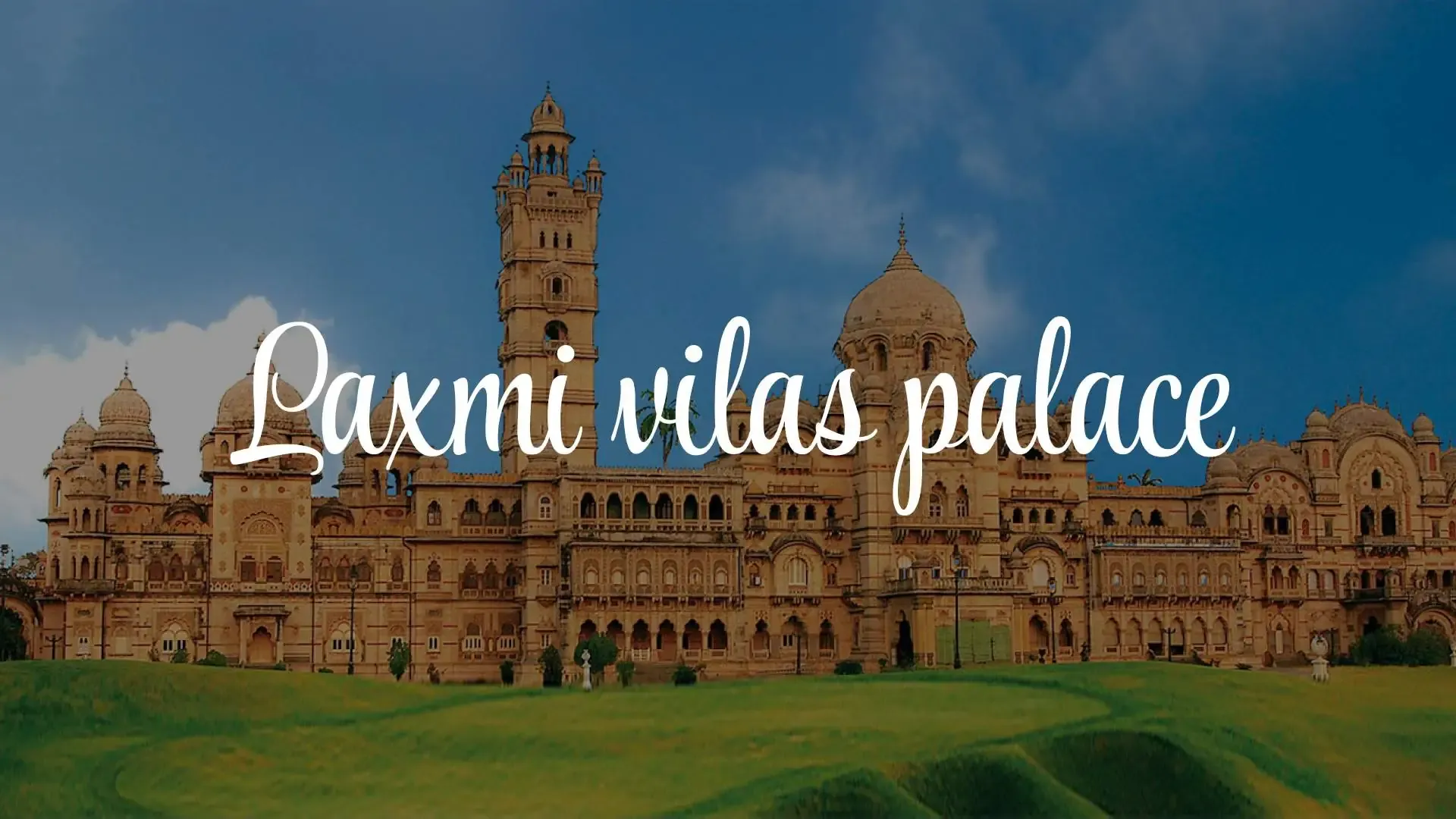
Dominating a majestic 500-acre landscaped royal estate in the cultural capital city of Vadodara in Gujarat, Laxmi Vilas Palace is universally celebrated as one of the world's most opulent and monumental private residences. Commissioned in 1890 by the visionary Maratha ruler Maharaja Sayajirao Gaekwad III and designed by celebrated British architect Major Charles Mant, this palatial masterpiece is four times the size of Buckingham Palace in London, standing as an enduring symbol of Gujarat's royal renaissance and architectural grandeur.
Featuring a breathtaking fusion of Indo-Saracenic, Mughal, Gothic, and Rajasthani architectural styles, the palace boasts 170 lavishly appointed chambers, the world-renowned Durbar Hall with Belgian stained-glass windows and Venetian mosaic floors, the priceless art treasures of the Maharaja Fateh Singh Museum (housing the world’s largest single collection of original Raja Ravi Varma paintings), an operational private narrow-gauge heritage railway line, the Navlakhi Stepwell, and sprawling golf courses where peacocks roam freely in 2026.
📍 Laxmi Vilas Palace: Quick Travel Facts & Key Information (2026)
| Location | J.N. Marg, Rajmahal Road, Vadodara, Gujarat - 390001 (Cultural Heart of Vadodara) |
| Built In & Ruler | 1890 CE by Maharaja Sayajirao Gaekwad III (Cost: ~£180,000 / ₹27 Lakhs) |
| Architectural Style | Indo-Saracenic Revival (Fused Hindu, Mughal, Jain, and Venetian Gothic Elements) |
| Visiting Hours | 10:00 AM to 5:00 PM (Strictly Closed on Every Monday) |
| Entry Ticket | Palace + Audio Guide: ₹250 (Indians) | ₹600 (Foreigners) | Museum: ₹100 Extra |
| Recommended Time | 3 to 4 Hours (Palace audio tour, gardens & museum exploration) |
| Best Season | October to March (Pleasant weather for palace gardens) |
| Nearest Transport Hubs | Vadodara Junction Railway Station (4 km) | Vadodara Airport (BDQ - 7 km) |
1. The 500-Acre Indo-Saracenic Royal Estate
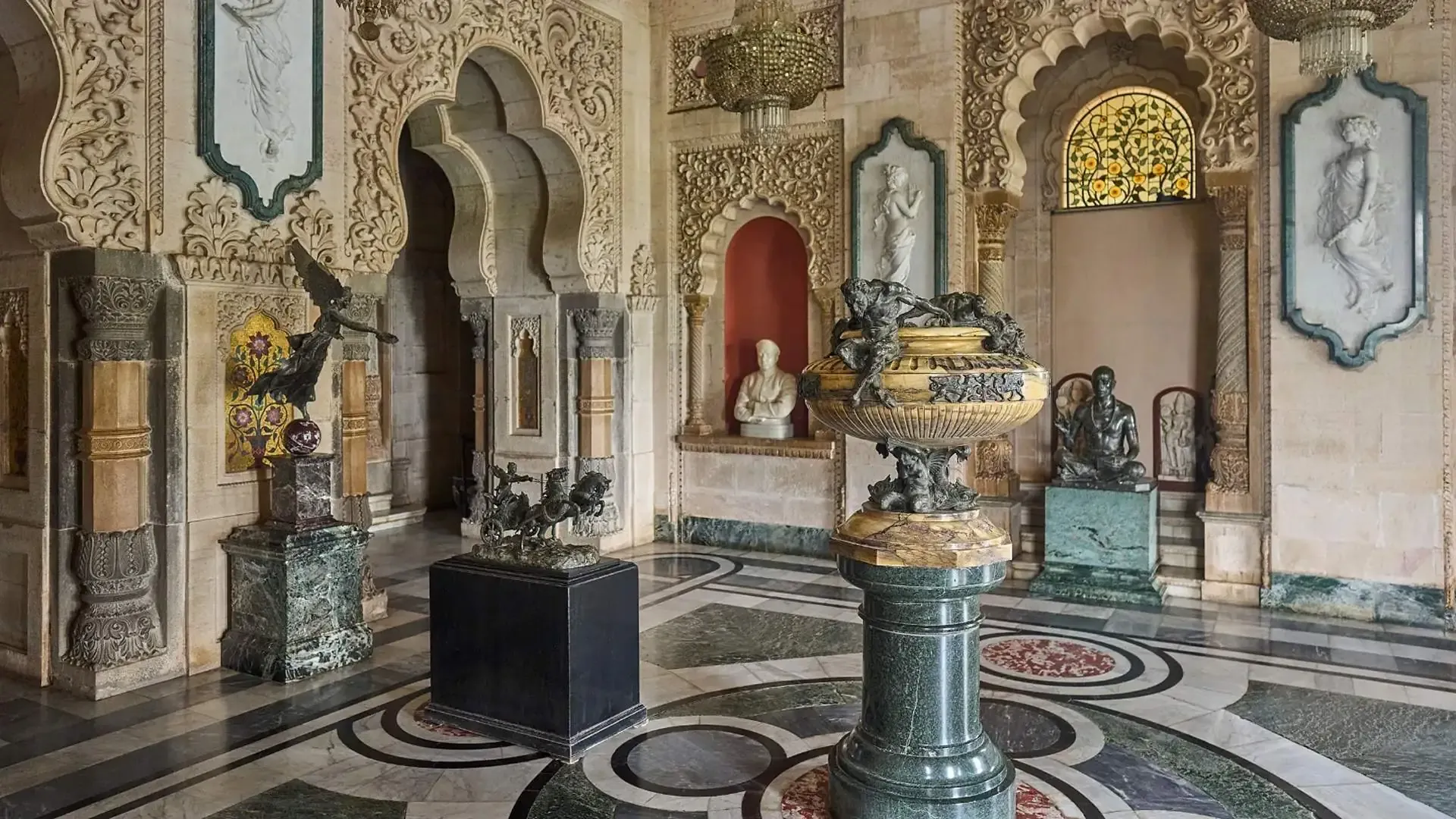
Constructed over twelve years between 1878 and 1890, Laxmi Vilas Palace was built at an estimated cost of approximately £180,000 (around ₹27 lakhs at the time), making it the most expensive private residence built in 19th-century India. Designed by Major Charles Mant and completed after his death by architect Robert Fellowes Chisholm, the building incorporated modern European innovations such as internal Otis passenger lifts, indoor running hot and cold plumbing, private electricity generators, and an internal telephone exchange.
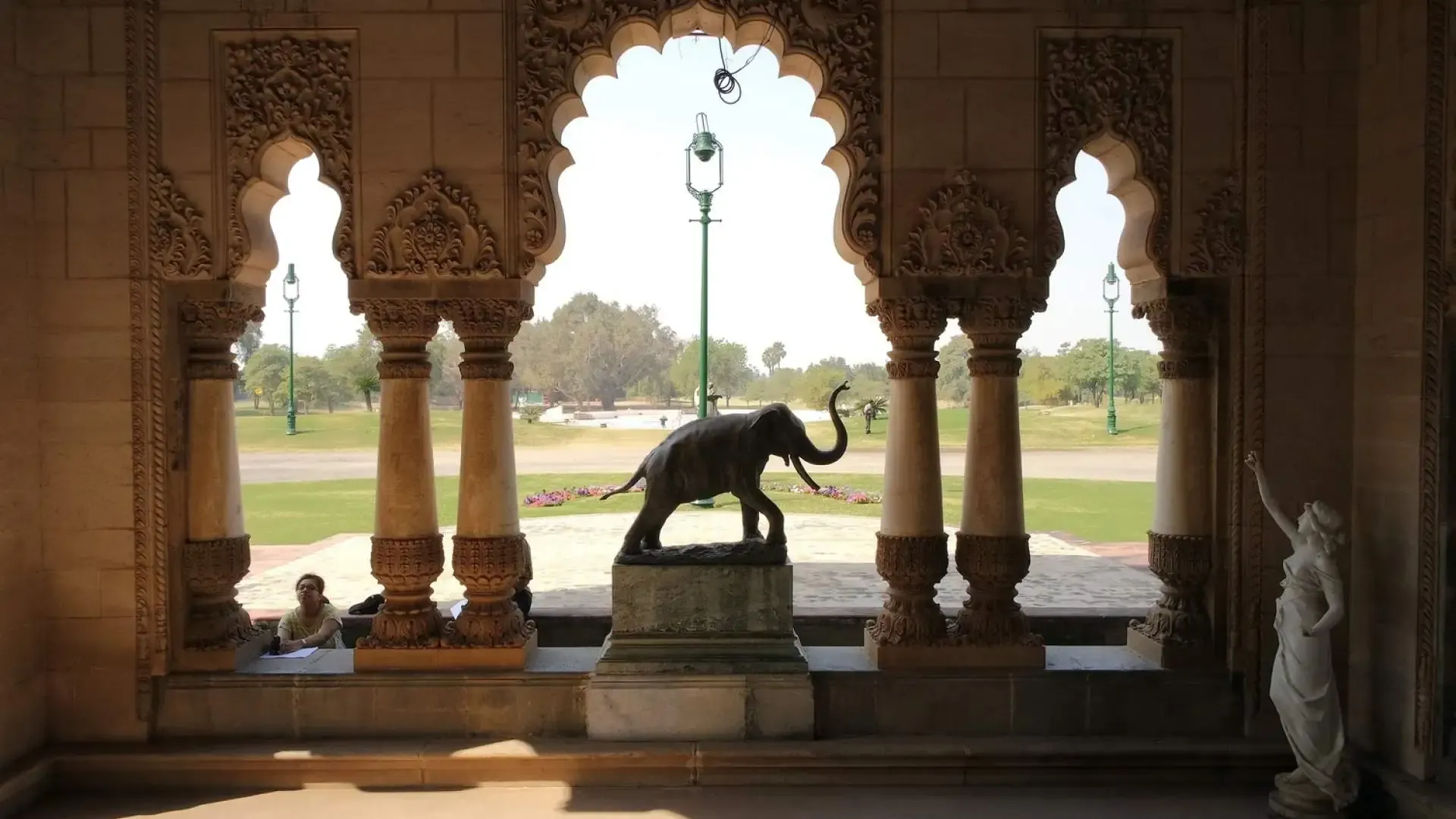
The exterior facade features golden sandstone brought from the quarries of Songadh, red Agra sandstone, Italian Carrara marble, and local blue trapstone. The sprawling 500-acre estate includes the private 18-hole Gaekwad Baroda Golf Club, royal polo grounds, private cricket pavilions, and the ancestral residence of the titular Maharaja Samarjitsinh Gaekwad and Maharani Radhikaraje Gaekwad, who continue to maintain the heritage legacy.
2. The Grand Durbar Hall & Venetian Mosaics
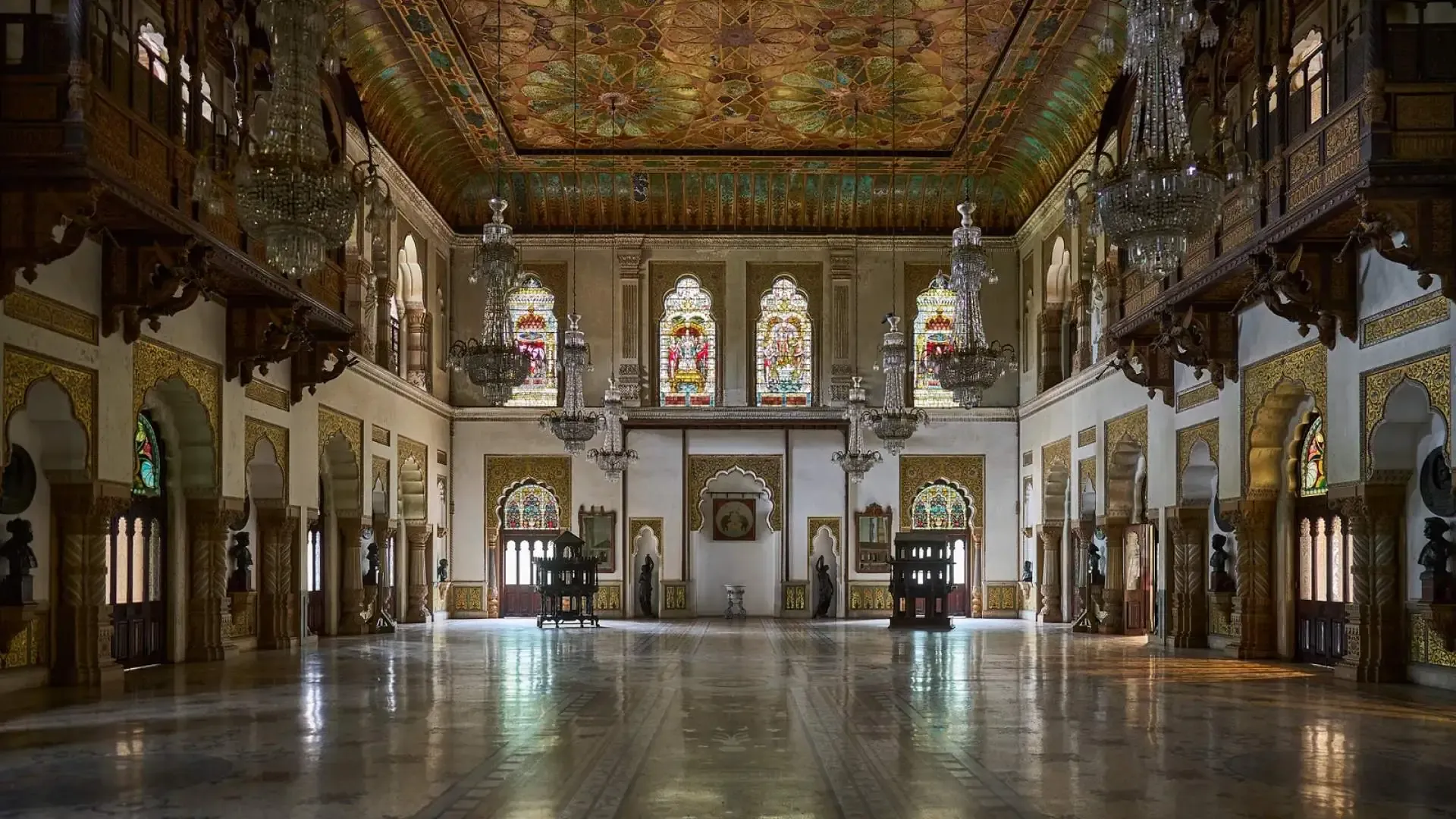
The crowning jewel of the palace interior is the monumental Durbar Hall, where formal state ceremonies, royal receptions, and classical music concerts were held. The hall features an exquisite Venetian mosaic floor crafted by twelve master artisans brought directly from Italy, who worked continuously for eighteen months setting hundreds of thousands of tiny polychromatic marble tesserae into intricate floral and geometric motifs.
Rising above the hall are monumental stained-glass windows fabricated in London by F. & C. Osler, depicting scenes from Hindu mythology and the royal coronation of Maharaja Sayajirao Gaekwad III. The walls are embellished with intricate Agra marble jali lattice screens, Italian bronze candelabras, and ornate balconies supported by sculpted stone peacocks.
3. Maharaja Fateh Singh Museum & Raja Ravi Varma Art
Located inside the former royal school building on the palace grounds (which was originally constructed for the education of the Maharaja's children), the Maharaja Fateh Singh Museum houses one of the greatest collections of fine art in Asia. It preserves the world's largest single collection of original oil paintings by Raja Ravi Varma, who was invited by Maharaja Sayajirao III in 1888 and commissioned to paint royal portraits and timeless mythological canvases such as Damayanti and the Swan, Radha and Krishna, and Harischandra.
The museum also exhibits marble and bronze sculptures by famous Italian sculptor Felici, rare Chinese and Japanese porcelain from the Ming and Qing dynasties, antique Greco-Roman statues, and a collection of royal ceremonial swords, daggers, and cannons used by the Gaekwad cavalry.
4. Navlakhi Stepwell & Royal Gardens
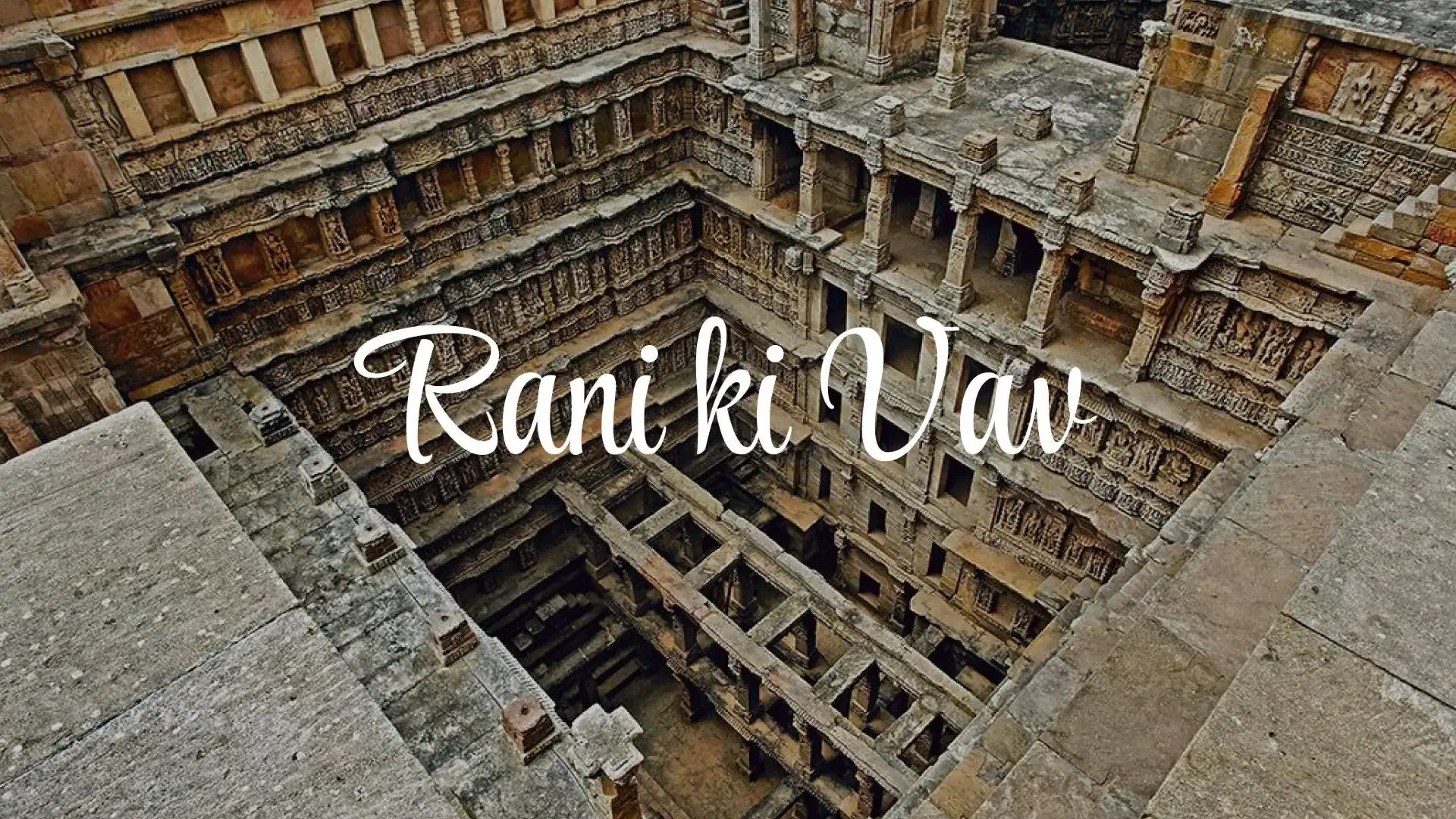
On the perimeter of the estate lies the historic Navlakhi Stepwell (literally meaning Stepwell of Nine Lakhs), an ancient 15th-century subterranean stepped water monument built by Sultan Muzaffar Shah. Surrounded by royal mango orchards, royal teak avenues, and palm gardens, wild peacocks and migratory birds freely inhabit the grounds, adding natural charm to the royal atmosphere.
5. Perfect 1-Day Vadodara Royal Itinerary
Morning (9:30 AM – 1:00 PM): Laxmi Vilas Palace & Museum
Start at 10:00 AM with the official audio-guided tour of the Laxmi Vilas Palace interior, Durbar Hall, and royal courtyards. Proceed to the Maharaja Fateh Singh Museum to admire the Raja Ravi Varma art gallery.
Afternoon (1:00 PM – 4:00 PM): Royal Lunch & Baroda Museum
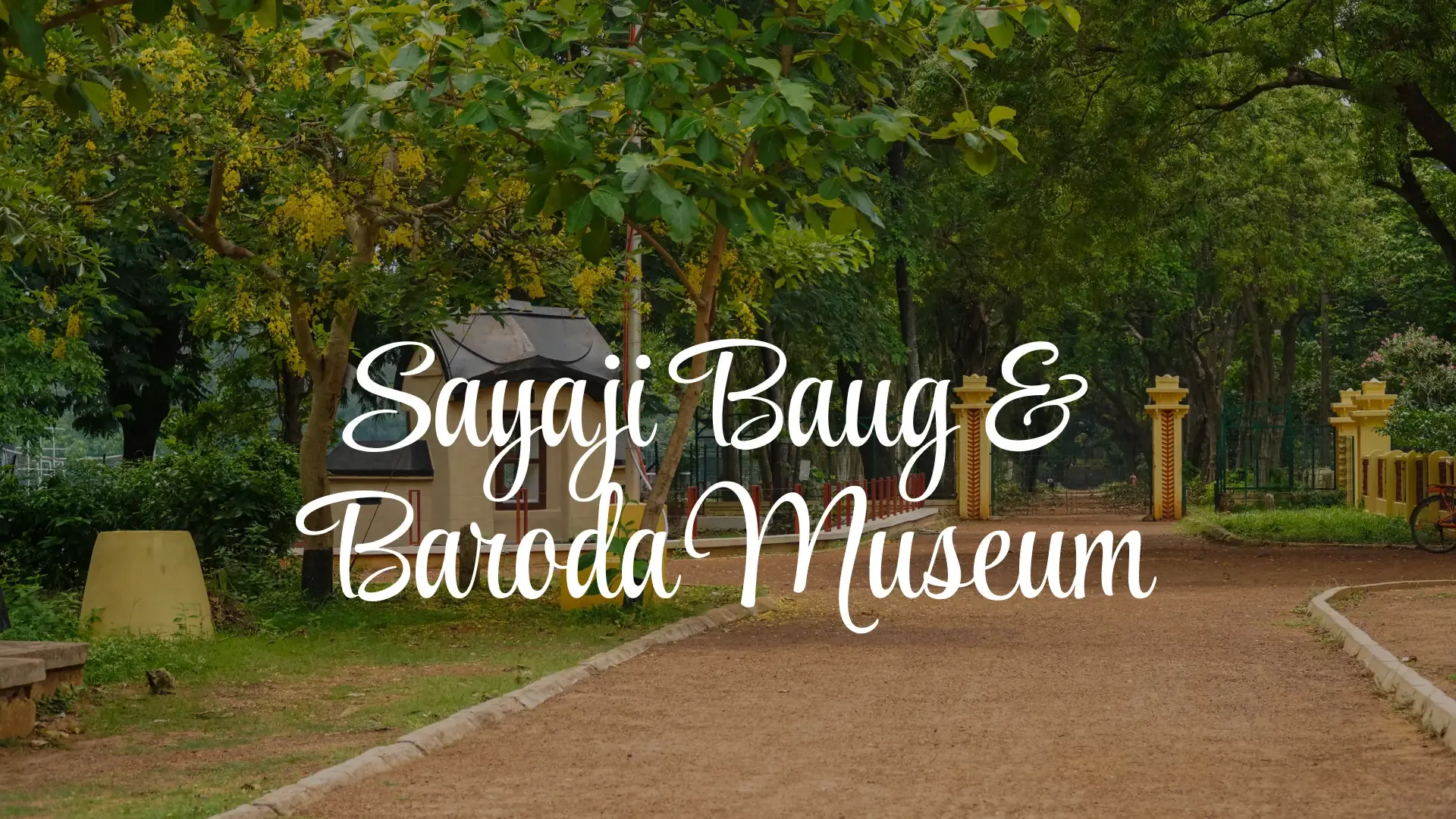
Savor an authentic Gujarati thali at Mandap Restaurant on RC Dutt Road. Visit the Baroda Museum & Picture Gallery inside Sayaji Baug to see the Egyptian Mummy and blue whale skeleton.
Evening (4:30 PM – 7:30 PM): Kirti Mandir & Street Food
Visit Kirti Mandir (the royal cenotaphs of the Gaekwads) and enjoy famous Baroda Sev Usal at Mahakali Sev Usal followed by Kothi Ice Cream.
6. How to Reach Laxmi Vilas Palace
- By Air: Vadodara Airport (BDQ - Harni) is located 7 km away with daily non-stop flights from Mumbai, Delhi, Hyderabad, and Bangalore. Sardar Vallabhbhai Patel International Airport in Ahmedabad (AMD) is 115 km away via the NE-1 Express Highway (1.5 hours drive).
- By Train: Vadodara Junction (BRC) is one of India's premier railway hubs on the Western Railway mainline. All Rajdhani, Shatabdi, Vande Bharat, and Superfast express trains stop here. The palace is just a 10-minute auto-rickshaw or cab ride from the station (4 km).
- By Road: Vadodara is connected via the 8-lane National Expressway 1 (NE-1) to Ahmedabad and NH-48 to Mumbai, Surat, and Bharuch. State transport GSRTC Volvo and AC sleeper buses operate round the clock.
7. Where to Stay & Baroda Street Food Delicacies
Vadodara offers wonderful accommodations ranging from luxury heritage hotels (like the Grand Mercure Vadodara Surya Palace, Vivanta Vadodara, and Welcomhotel by ITC) to comfortable business hotels near Alkapuri and the railway station.
While in Vadodara, every foodie must taste the iconic Mahakali Sev Usal (spicy dried pea curry served with spring onions, farsan, and butter pav), crispy Pyarelal Kachoris in Mangal Bazaar, authentic Gujarati thali at Mandap (Express Hotel), and artisan hand-churned dry-fruit ice creams at Dairy Den and Kothi Ice Cream.
8. Traveler Tips & Frequently Asked Questions
- Closed on Mondays: The palace and museum are strictly closed every Monday. Plan your itinerary between Tuesday and Sunday.
- Audio Guide Deposit: Ensure you carry a valid photo ID to collect the audio guide device at the reception counter.
- Combine with Statue of Unity: Laxmi Vilas Palace is just 85 km from the world-famous Statue of Unity in Ekta Nagar, making it the perfect gateway hub.
👑 The Living Grandeur of Gujarat’s Royal Heritage
Laxmi Vilas Palace is a living testament to the enlightened vision, architectural grandeur, and artistic patronage of the Gaekwads of Baroda. Walking through its Italian mosaic halls and looking upon the original canvases of Raja Ravi Varma is a majestic journey into the soul of Indian royal history.