

Dholavira: The Ancient Harappan City of Gujarat
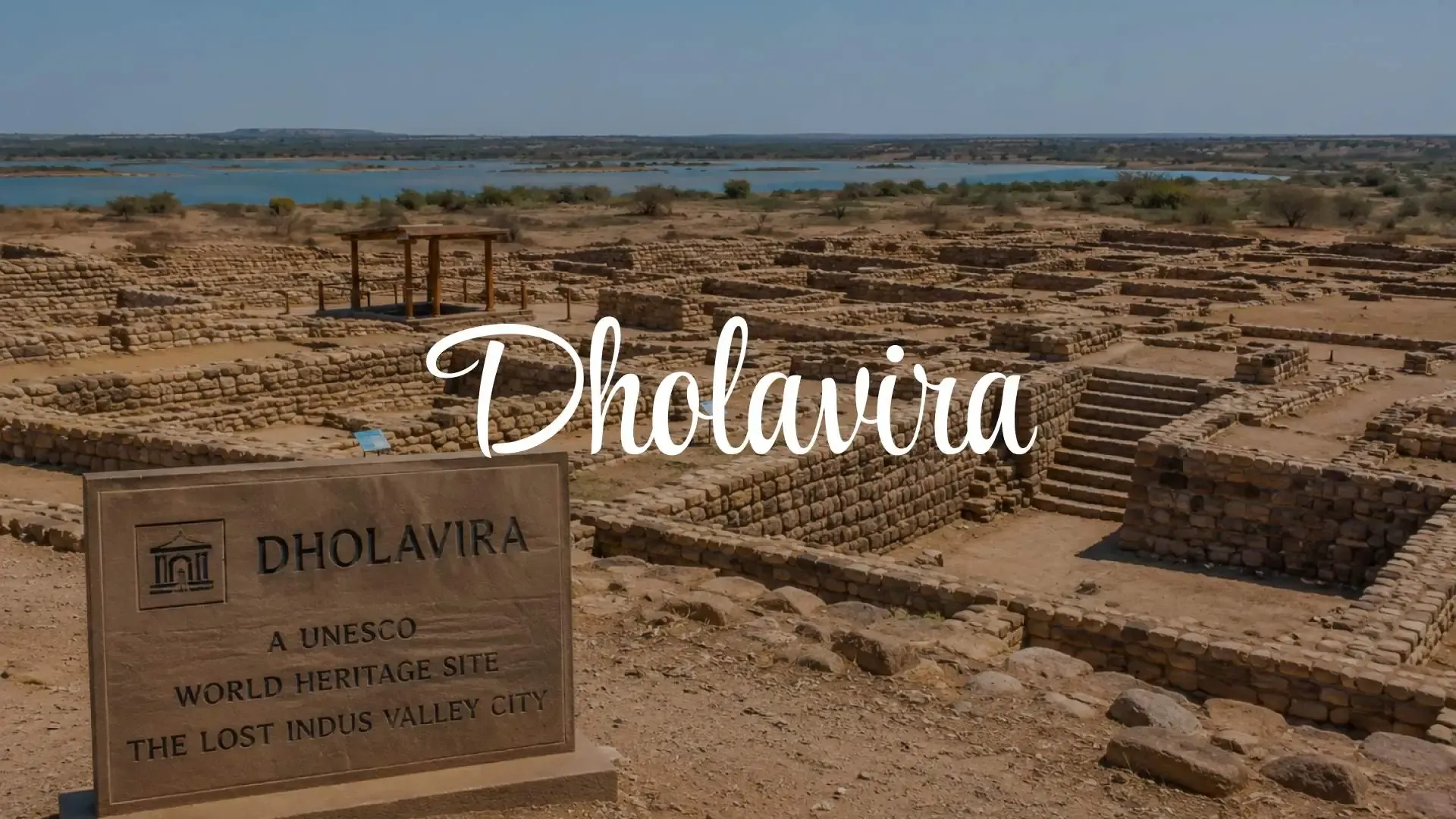
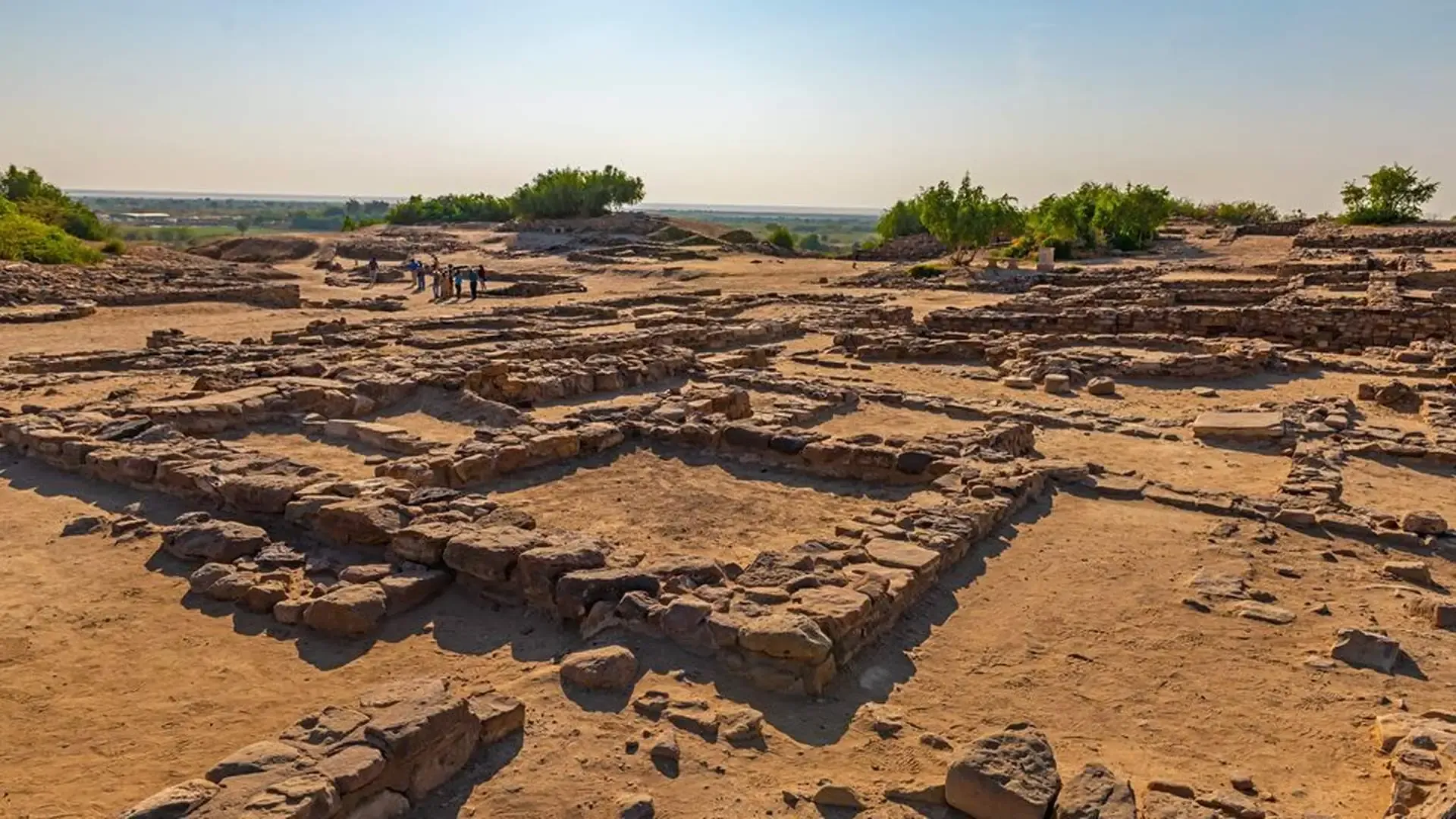
Located on Khadir Bet Island in the Great Rann of Kutch, Dholavira is one of the most remarkable archaeological sites of the ancient Indus Valley Civilization. Dating back over 4,500 years, this extraordinary city showcases the advanced urban planning, engineering, and water management systems of one of the world's earliest civilizations.
Recognized as a UNESCO World Heritage Site, Dholavira is one of the largest and best-preserved Harappan settlements in India, offering visitors a fascinating glimpse into a sophisticated civilization that flourished thousands of years ago.
Why Visit Dholavira?
- UNESCO World Heritage Site.
- One of the largest Indus Valley Civilization sites.
- Over 4,500 years of history.
- Exceptional ancient water conservation systems.
- Unique archaeological and cultural experience.
History of Dholavira
Dholavira was an important urban center of the Indus Valley Civilization, flourishing between approximately 3000 BCE and 1500 BCE. The city was strategically located along ancient trade routes and became a major hub for commerce, culture, and innovation.
The site remained hidden for centuries until its discovery in 1967. Extensive excavations by the Archaeological Survey of India revealed an advanced city with sophisticated infrastructure and remarkable architectural achievements.
Today, Dholavira stands as one of the most significant archaeological discoveries in South Asia.
Architectural Highlights
Advanced Urban Planning
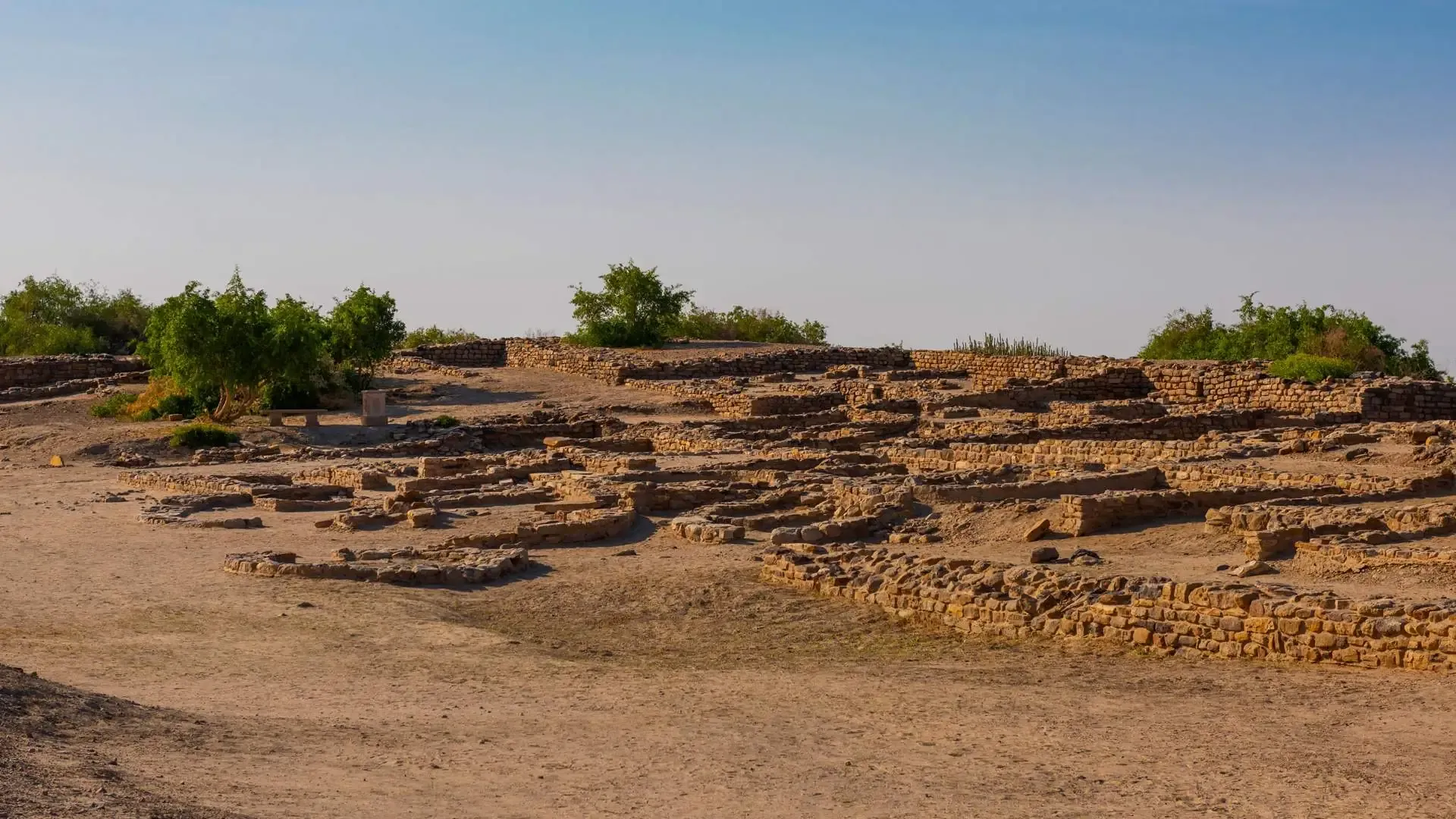
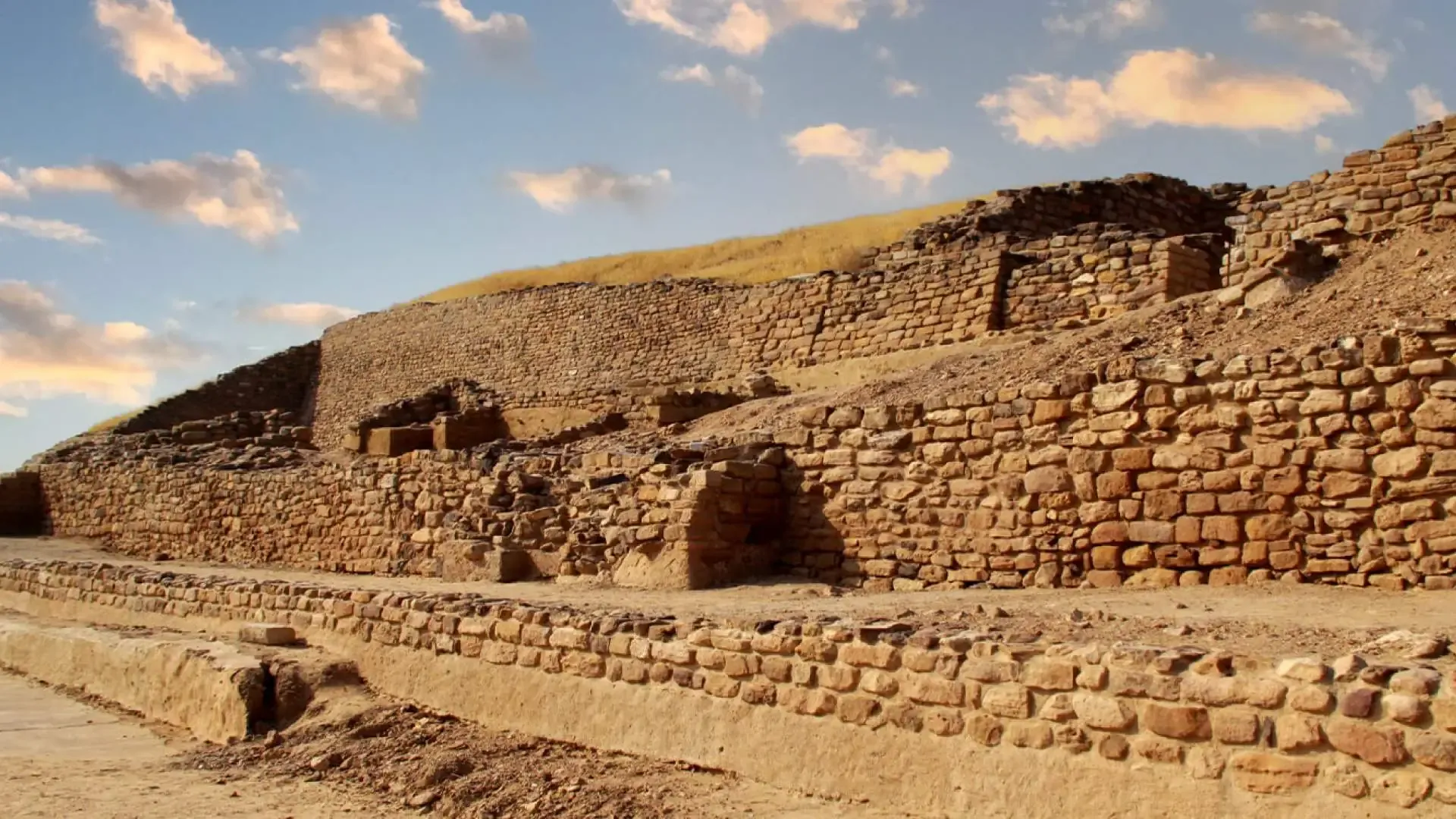
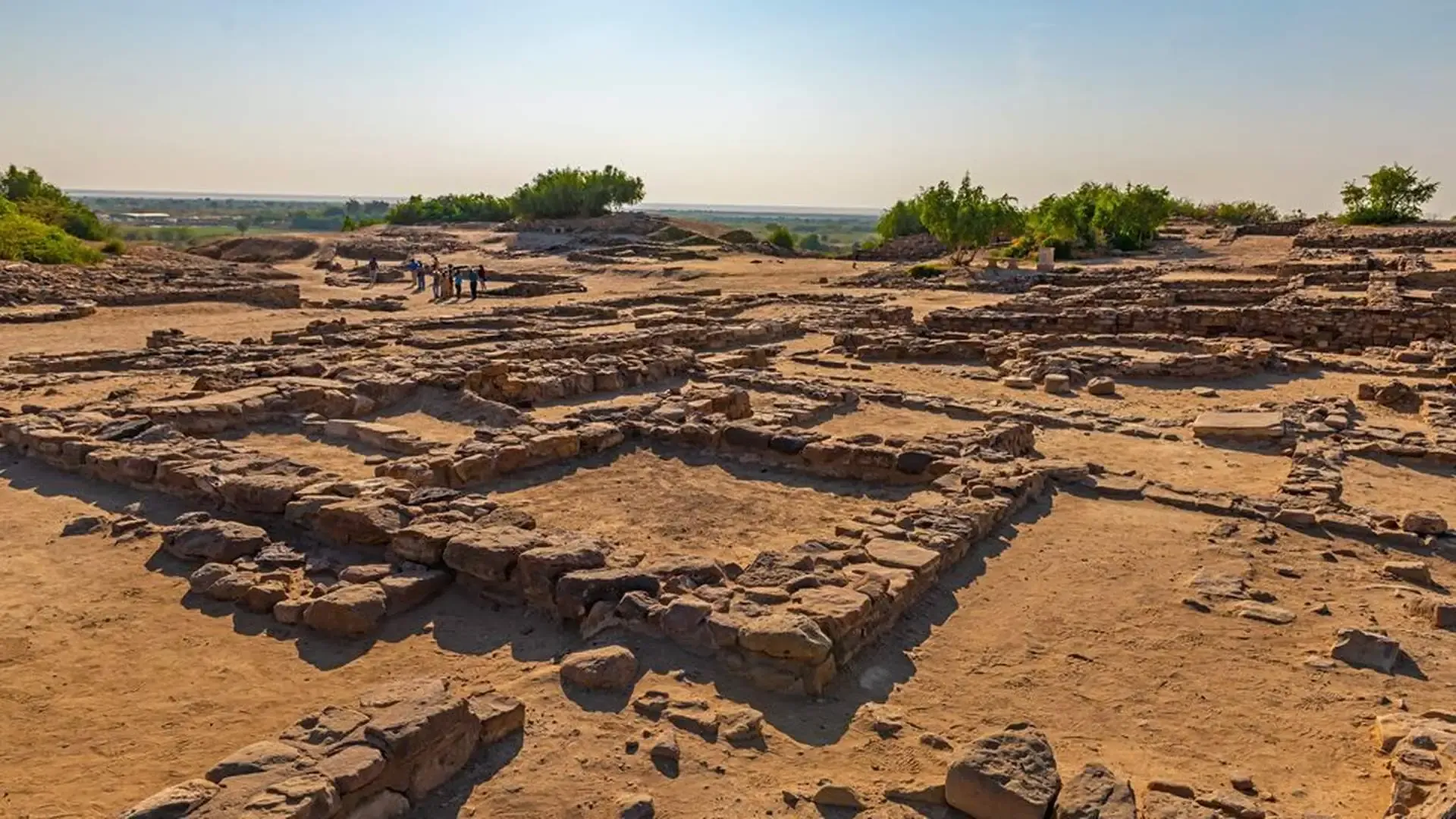
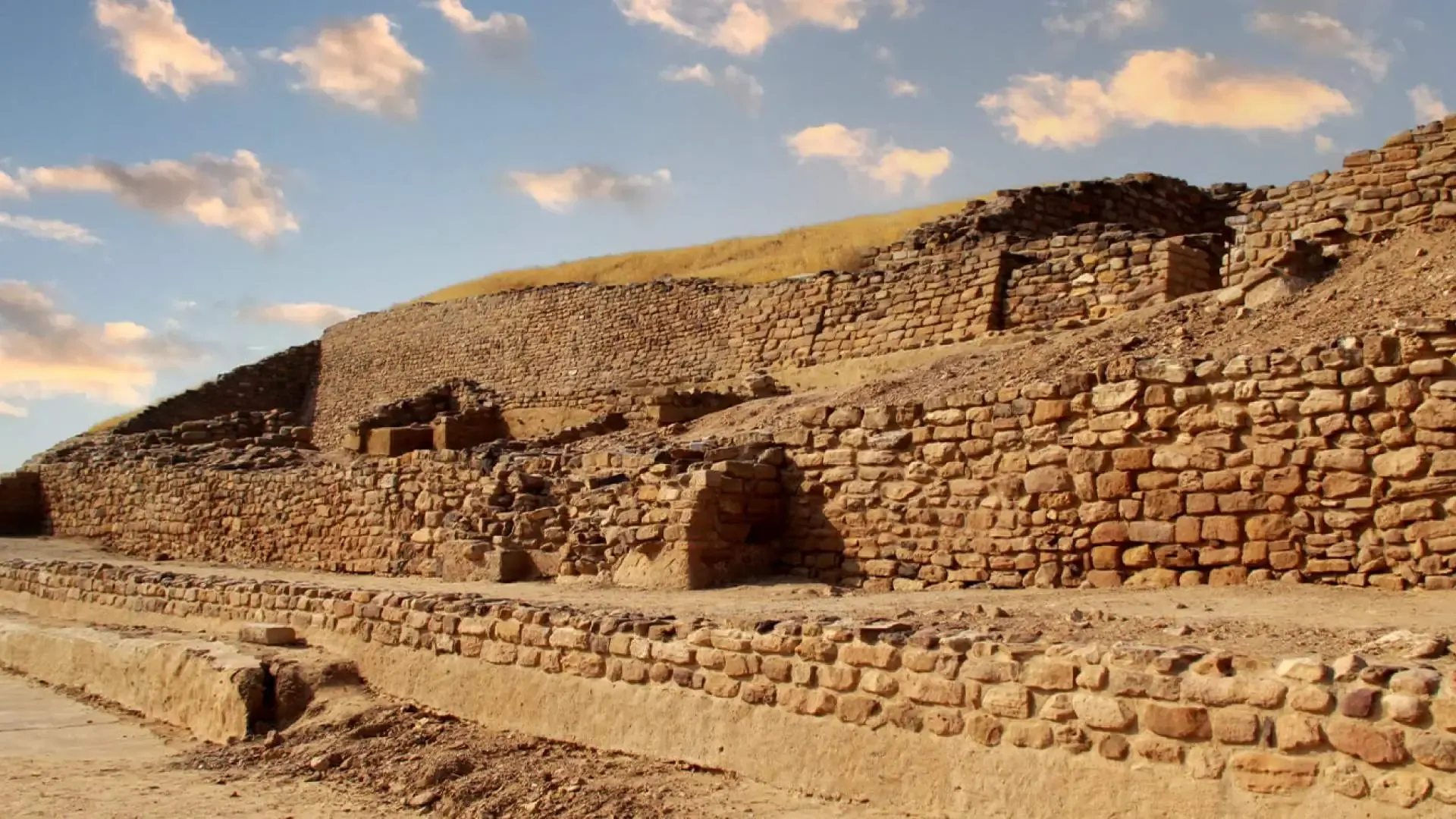
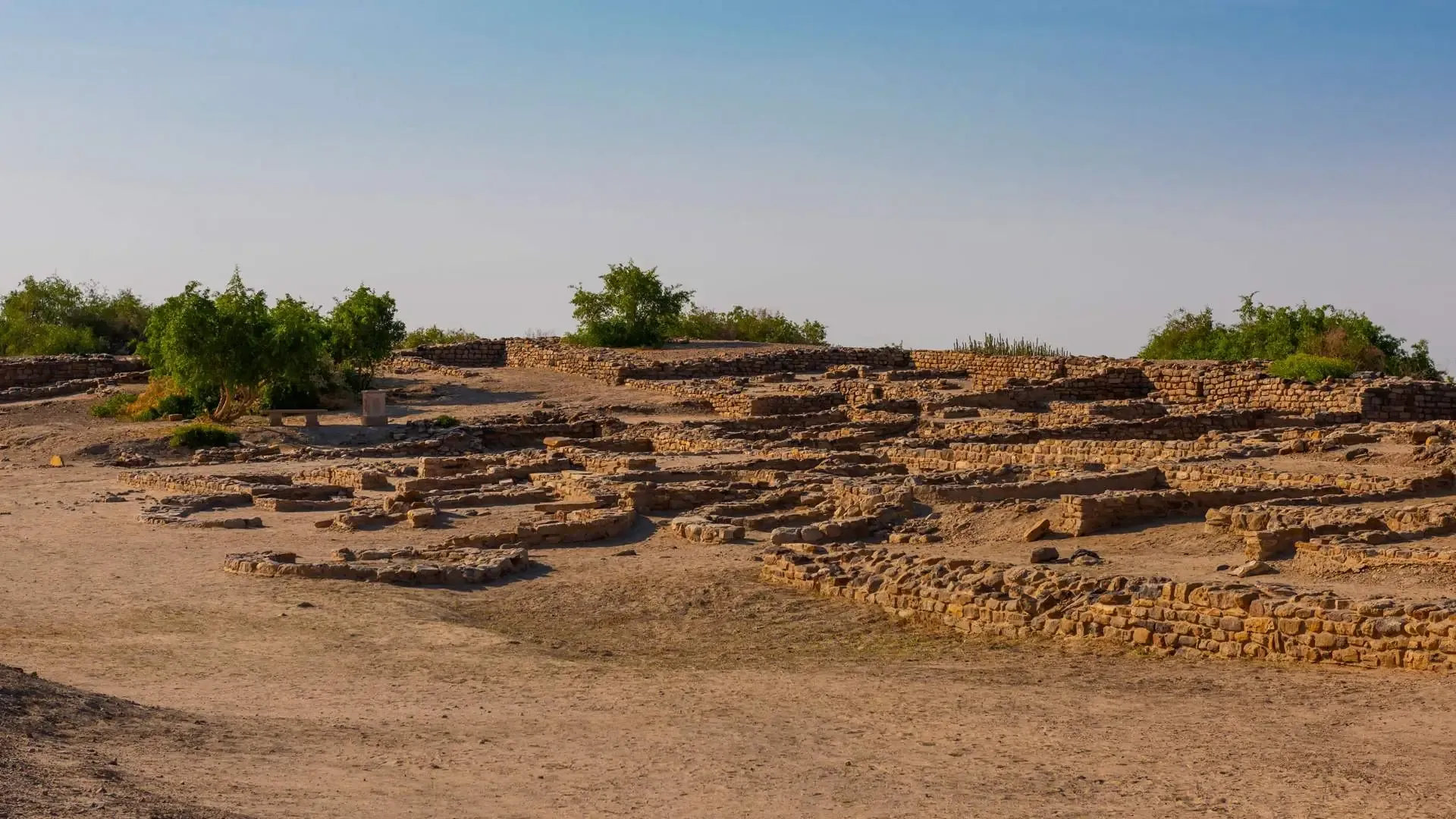
The city was divided into distinct sections, including the citadel, middle town, and lower town, reflecting a highly organized urban layout.
Water Management System
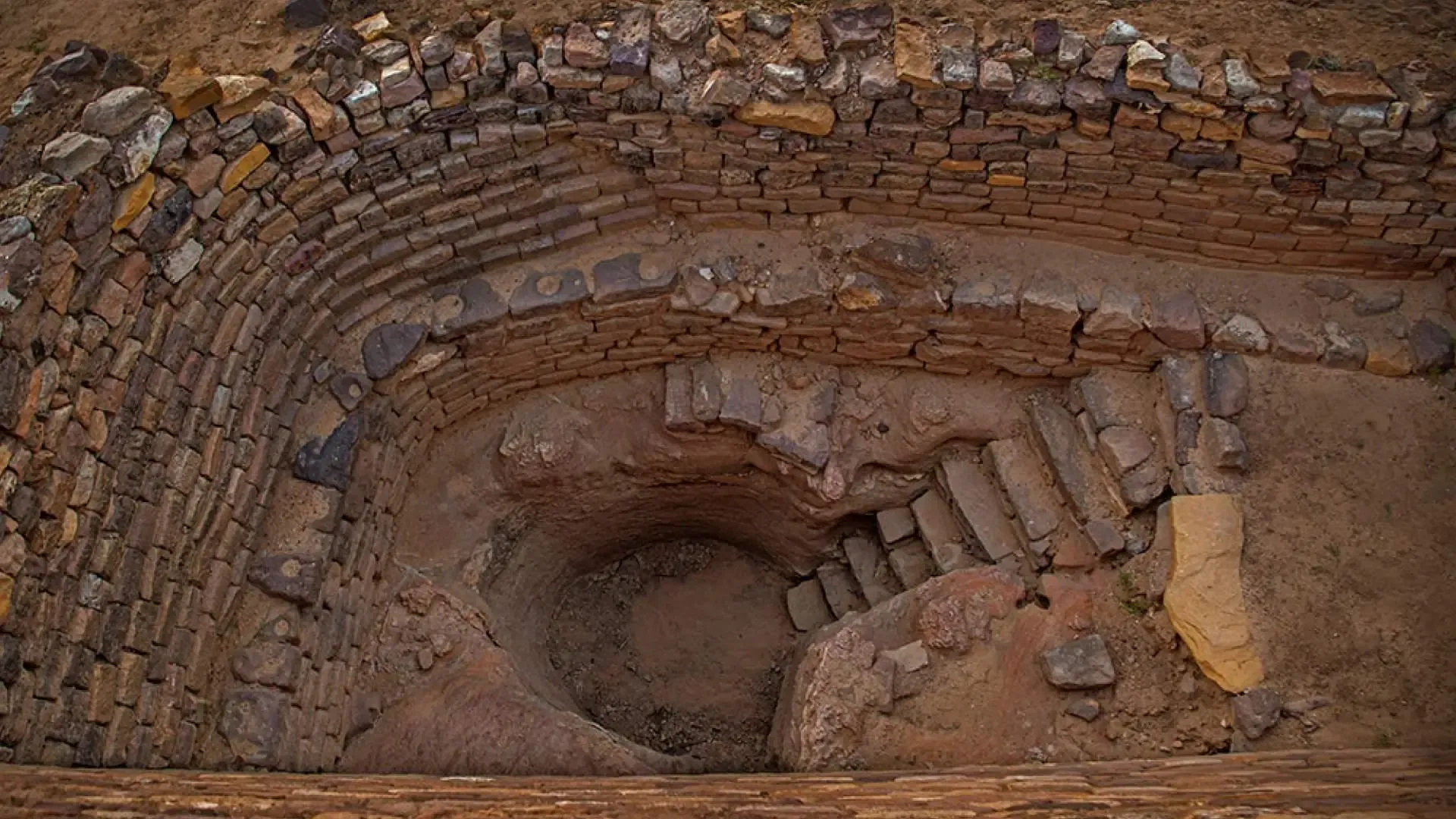
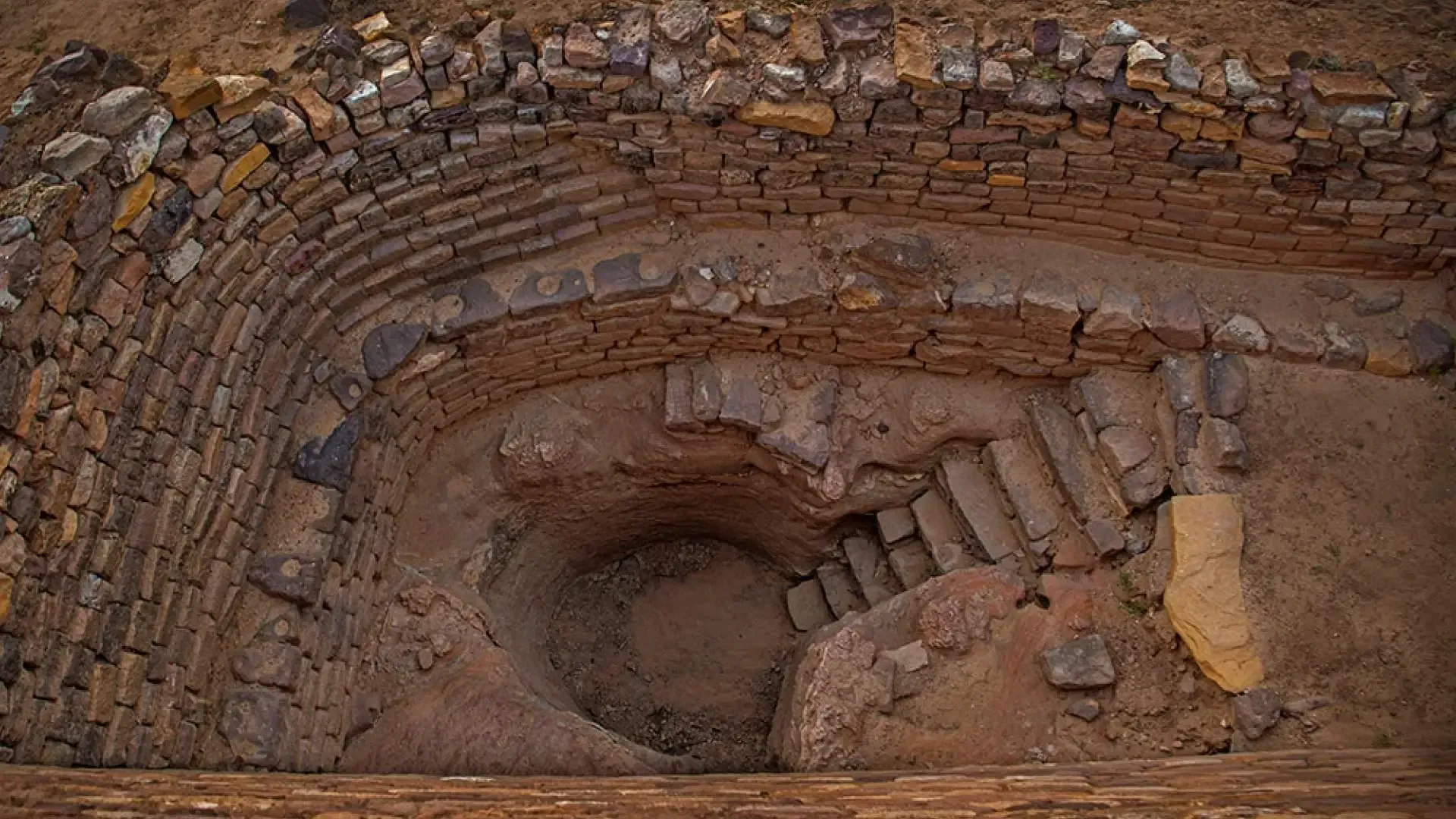
Dholavira is famous for its elaborate reservoirs, channels, and rainwater harvesting systems, considered among the most advanced of the ancient world.
Massive Reservoirs
The site contains large stone-built reservoirs designed to store and manage water in the arid environment of Kutch.
Ancient Signboard
Archaeologists discovered one of the earliest known signboards featuring Indus script, providing valuable insights into Harappan communication.
Dholavira Archaeological Museum
The museum near the site displays numerous artifacts recovered during excavations, including pottery, tools, ornaments, seals, and other objects that reveal the daily life of the Harappan people.
Visitors can gain a deeper understanding of the civilization through informative exhibits and archaeological findings.
Best Time to Visit
October - March
Cool temperatures and pleasant weather make winter the ideal season for exploring the archaeological site.
Rann Season
Visitors often combine their trip with the nearby White Rann of Kutch during the tourism season.
Recommended Period: November to February.
Things to Do at Dholavira
- Explore the ancient Harappan city ruins.
- Visit the archaeological museum.
- Learn about Indus Valley Civilization history.
- Study ancient engineering and water management systems.
- Capture photographs of the historic site and surrounding landscapes.
- Experience the unique desert environment of Kutch.
How to Reach Dholavira
By Road: Dholavira is connected by road through Bhuj and Rapar.
- Rapar – Approximately 95 km
- Bhuj – Approximately 220 km
- Gandhidham – Approximately 190 km
- Ahmedabad – Approximately 380 km
By Train: The nearest major railway stations are Bhachau and Gandhidham.
By Air: The nearest airport is Bhuj Airport.
Nearby Attractions
- White Rann of Kutch – Gujarat's iconic salt desert.
- Fossil Park – A fascinating site showcasing ancient fossils.
- Kalo Dungar – The highest point in Kutch.
- Rann Utsav – Gujarat's famous cultural festival.
- Narayan Sarovar – One of Hinduism's sacred lakes.
Travel Tips
- Visit during winter for comfortable sightseeing.
- Carry water, sunscreen, and a hat.
- Wear comfortable walking shoes.
- Allocate sufficient time to explore the site and museum.
- Consider combining your trip with other Kutch attractions.
- Book accommodation in advance during peak tourist season.
Quick Facts
Location: Khadir Bet, Kutch District, Gujarat
Civilization: Indus Valley Civilization
Age: Approximately 4,500 Years Old
UNESCO Status: World Heritage Site (2021)
Type: Archaeological Site
Famous For: Harappan ruins, water management systems, ancient urban planning
Best Season: November to February
Ideal For: History enthusiasts, archaeologists, students, photographers, cultural travelers
Google Maps: https://maps.google.com/?q=Dholavira+Gujarat
Final Thoughts
Dholavira is one of India's greatest archaeological treasures, offering a rare opportunity to step back into the world of the Indus Valley Civilization. Its advanced engineering, remarkable urban planning, and rich historical significance make it a must-visit destination for anyone interested in history, culture, and the origins of human civilization.
Optimized 1-Day & 2-Day Travel Itineraries
To help you experience the very best of Dholavira at a comfortable pace, here is a structured step-by-step itinerary covering morning highlights, afternoon cultural exploration, and golden hour viewpoints:
Core Heritage & Signature Sightseeing
Extended Circuit, Nature & Culinary Trail
Authentic Regional Food & Local Delicacies
While exploring Dholavira, indulge in authentic regional cuisine. Savor traditional multi-course thalis featuring regional breads (Rotla/Bhakri/Puri), rich seasonal vegetable curries, freshly churned buttermilk (Chaas), and famous regional sweet delicacies.
Travel Essentials & Quick Facts
October to March
Pleasant weather & clear views
06:00 AM – 06:00 PM
Standard public entry hours
Free Entry / Nominal Charges
On-site / Online counter
1 to 2 Days
Comprehensive sightseeing
Available on-site
Designated parking plaza
₹1,500 – ₹3,500 / person
Includes travel, entry & food
Photo Gallery
Get Directions
Planning to visit? Click below to open Google Maps with the exact coordinates.
Open in Google MapsGet Daily Travel Alerts & Hidden Gems
Join 10,000+ travellers on WhatsApp for weekend road trips and verified guides.
Frequently Asked Questions
Answers to common visitor questions
Visiting hours for Dholavira: The Ancient Harappan City of Gujarat are generally 6:00 AM to 6:00 PM daily. We recommend visiting during early morning or sunset for the best experience.

Calangute Beach Goa: Water Sports, Nightlife & Travel Guide
Dudhsagar Waterfalls Goa: Trek, Jeep Safari & Travel Guide

Related Experiences
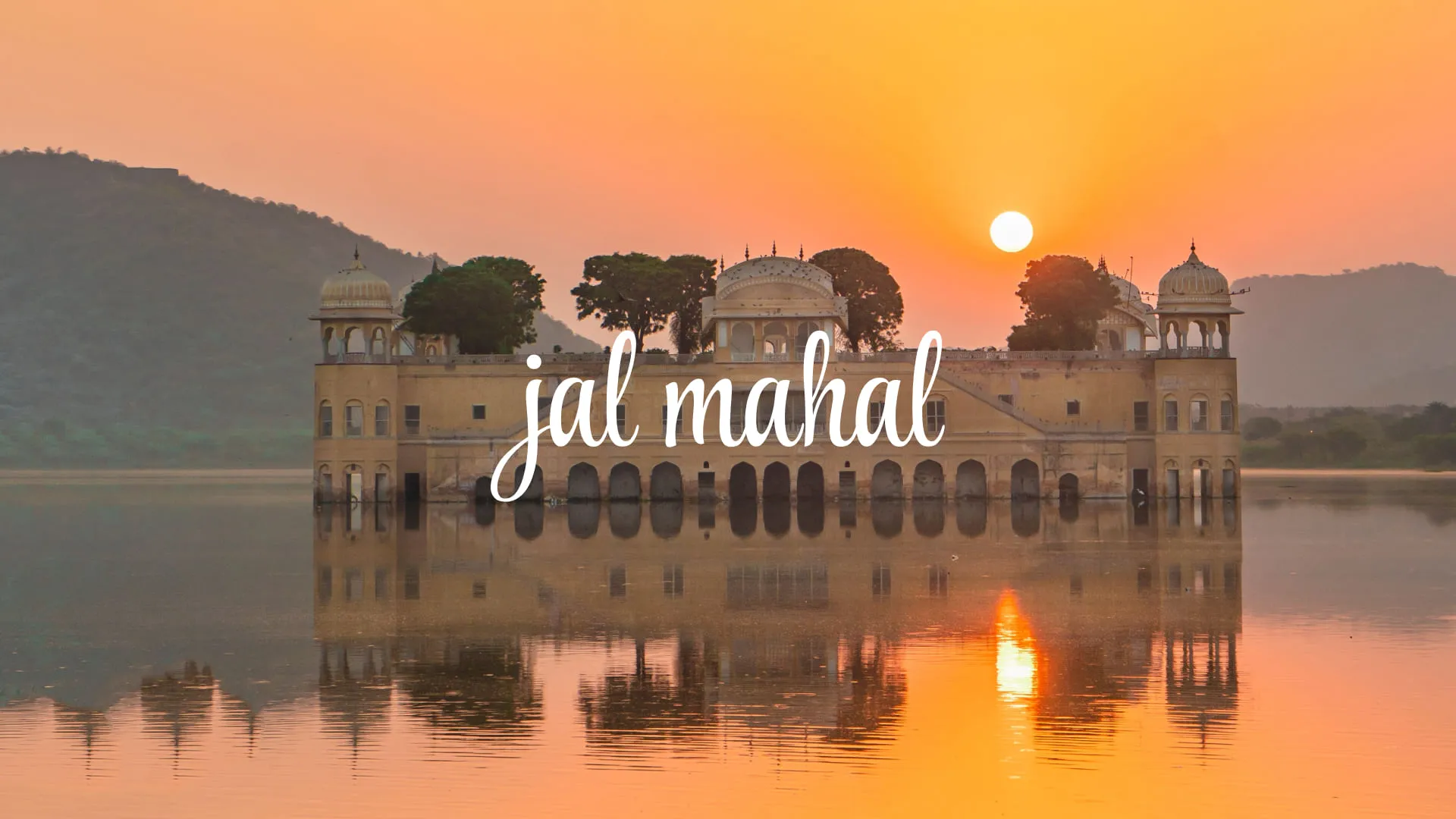
Jal Mahal Jaipur: Complete Travel Guide, History, Architecture & Night View
Explore Guide →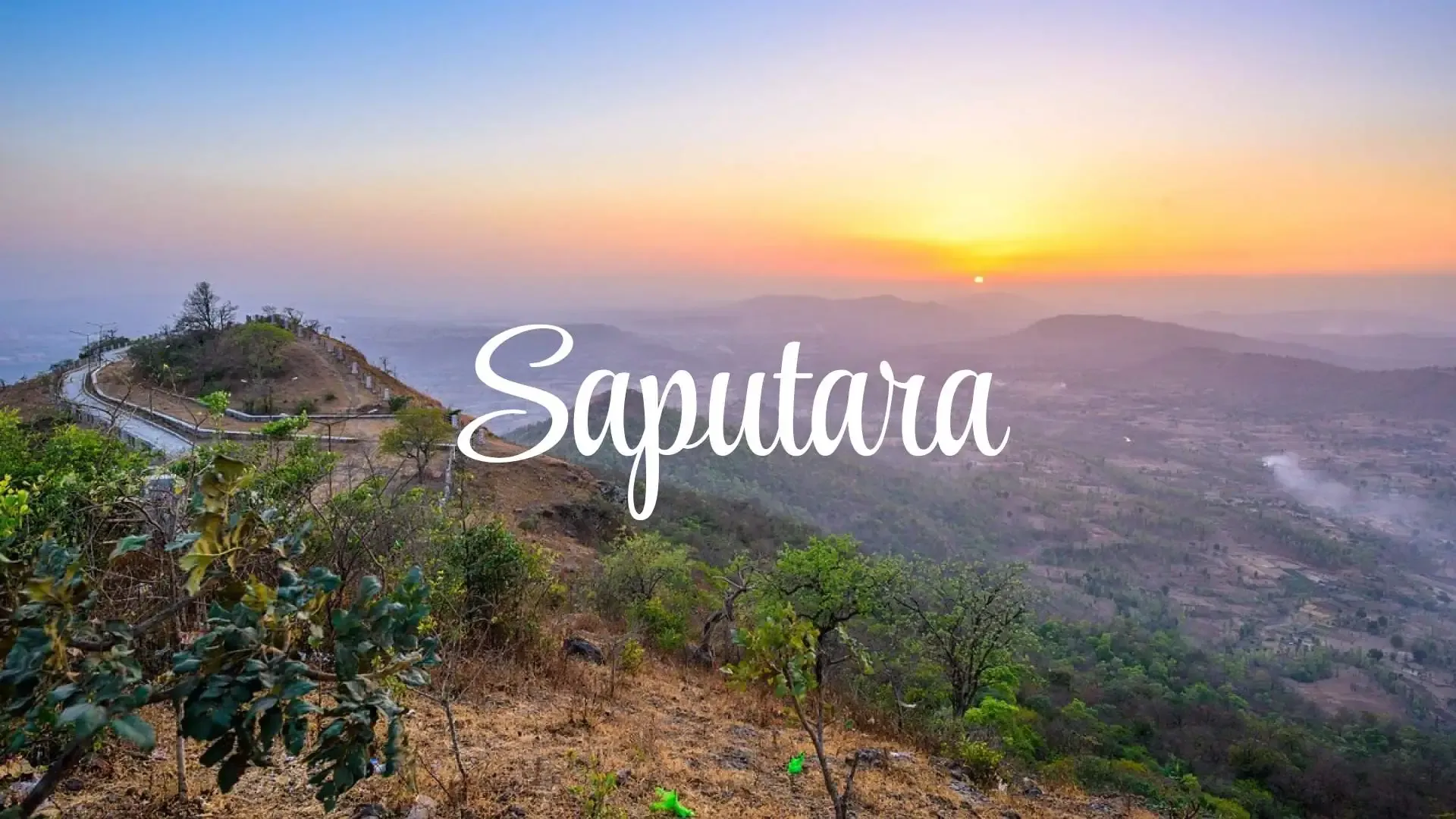
Saputara: The Ultimate Travel Guide to Gujarat's Misty Hill Station
Explore Guide →
Salangpur Hanumanji
Explore Guide →
80th Independence Day of India (2026): Red Fort Parade, Theme, History & Travel Guide
Explore Guide →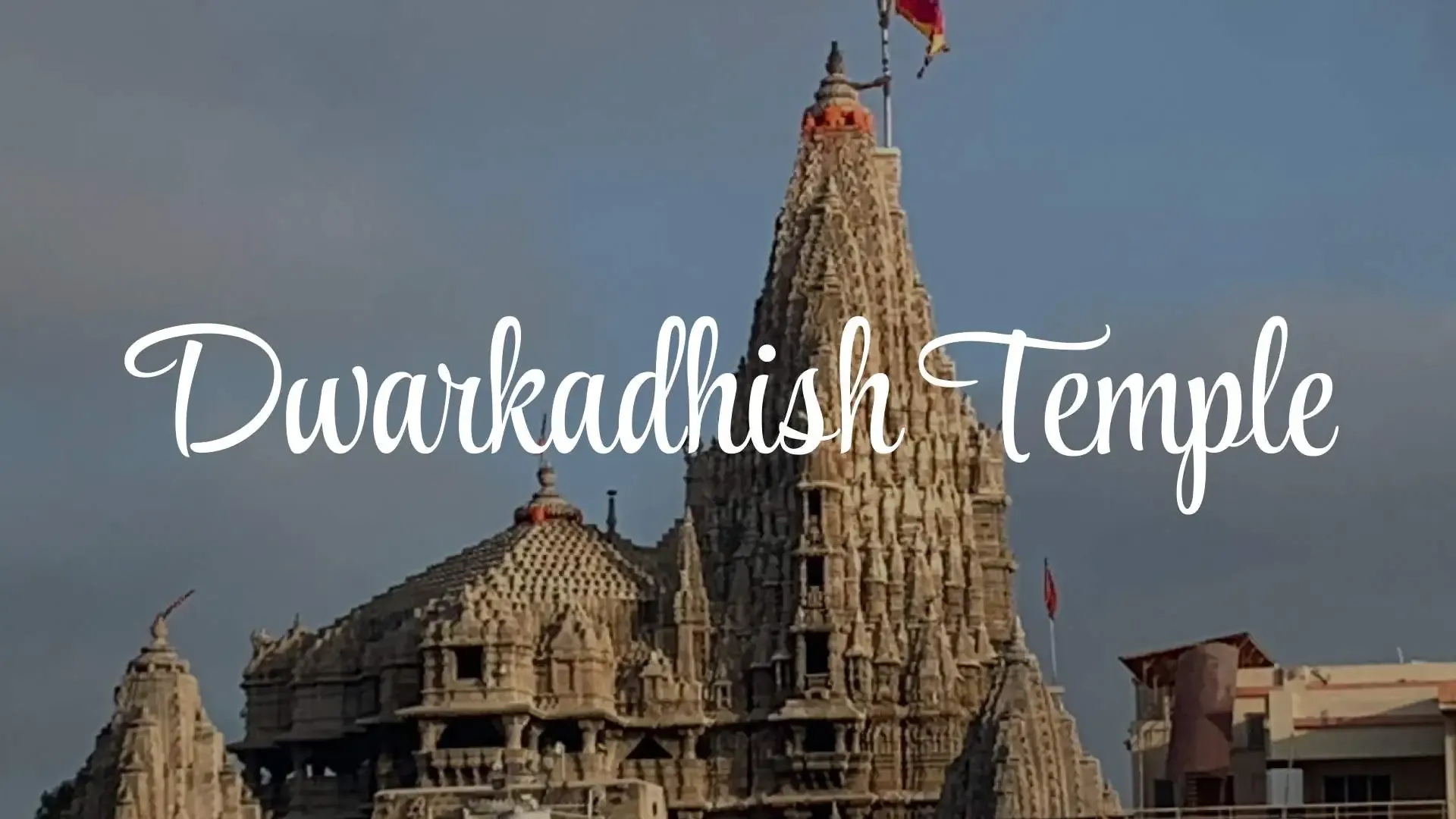
Dwarkadhish Temple: The Sacred Kingdom of Lord Krishna
Explore Guide →