Rani Ki Vav: The Queen's Stepwell and UNESCO World Heritage Site
Located on the banks of the Saraswati River in Patan, Gujarat, Rani Ki Vav is one of India's most magnificent stepwells and a masterpiece of ancient architecture. Built during the 11th century, this remarkable monument is renowned for its intricate carvings, stunning sculptures, and exceptional engineering.
Recognized as a UNESCO World Heritage Site, Rani Ki Vav stands as a symbol of Gujarat's rich cultural heritage and artistic excellence, attracting visitors, historians, architects, and travelers from around the world.
Why Visit Rani Ki Vav?
- UNESCO World Heritage Site since 2014.
- One of the finest stepwells in India.
- Exquisite sculptures and intricate stone carvings.
- Outstanding example of Maru-Gurjara architecture.
- A masterpiece of ancient water management and engineering.
History of Rani Ki Vav
Rani Ki Vav was commissioned by Queen Udayamati in memory of her husband, King Bhimdev I of the Solanki Dynasty, during the 11th century. The stepwell served both as a water storage structure and a place for spiritual and social gatherings.
Over time, the monument was buried under silt from floods of the Saraswati River and remained hidden for centuries before being excavated and restored by the Archaeological Survey of India.
Today, it stands as one of the best-preserved and most celebrated examples of stepwell architecture in the world.
Architectural Highlights
Seven Levels of Intricate Design
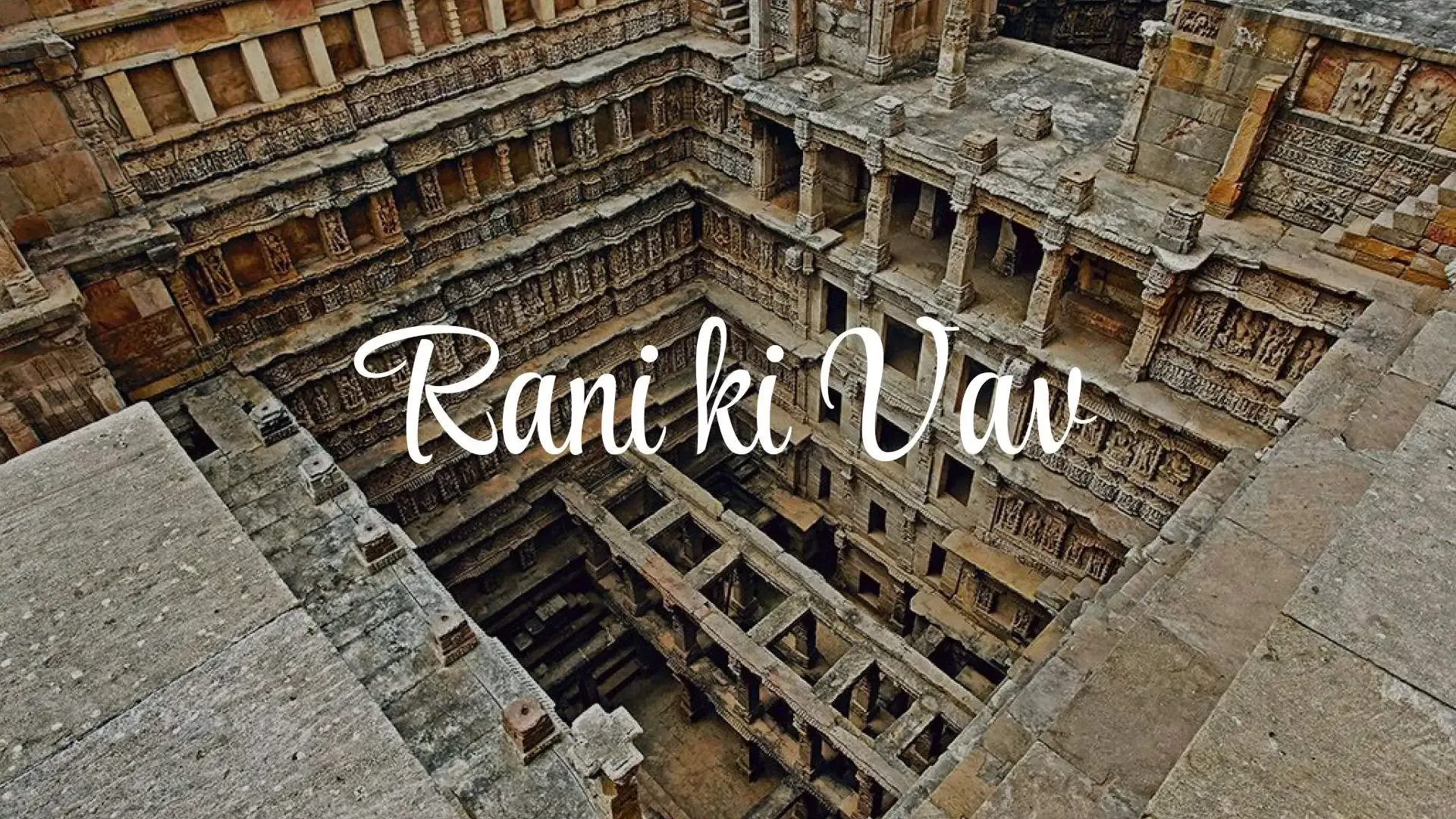
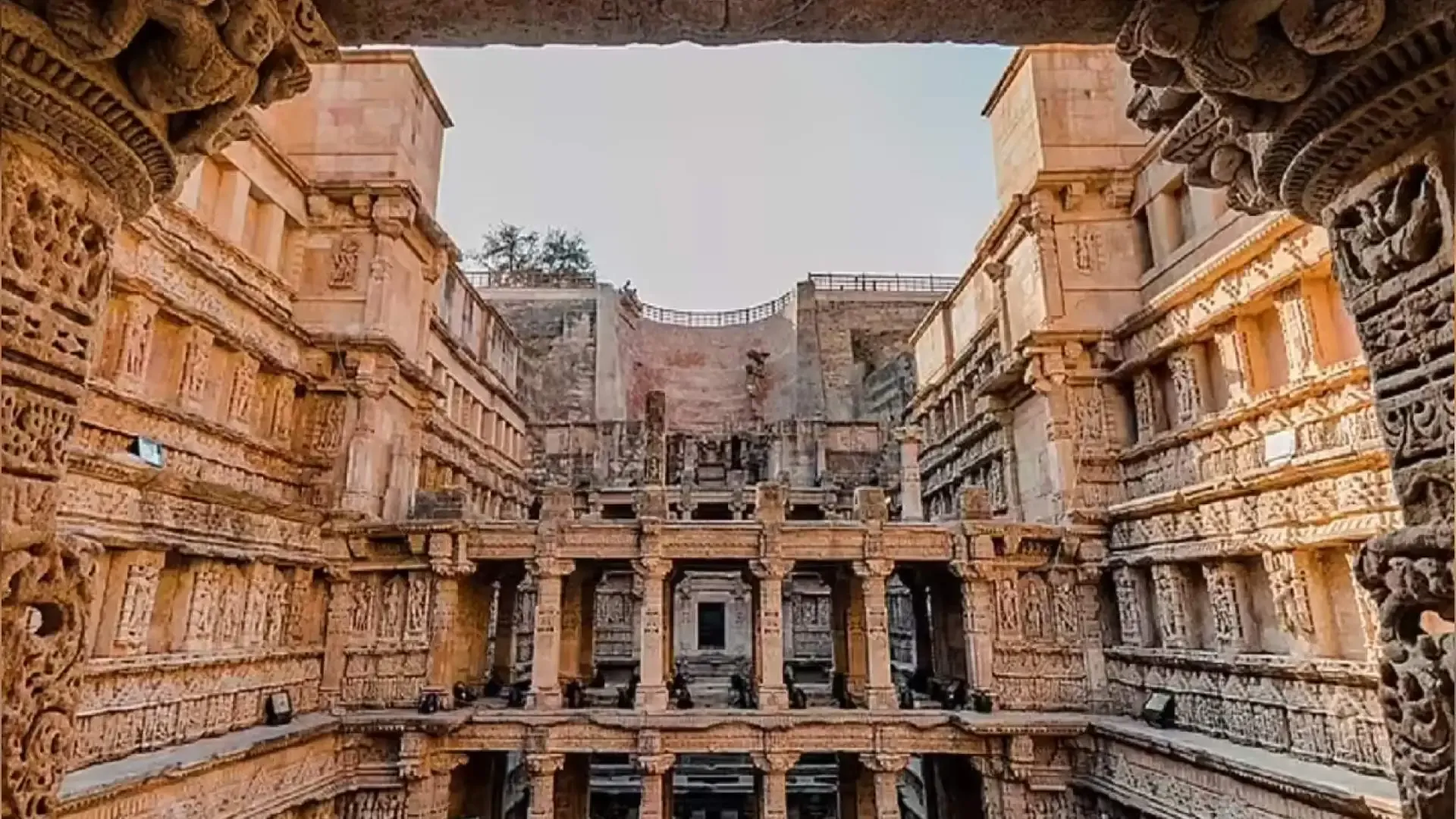
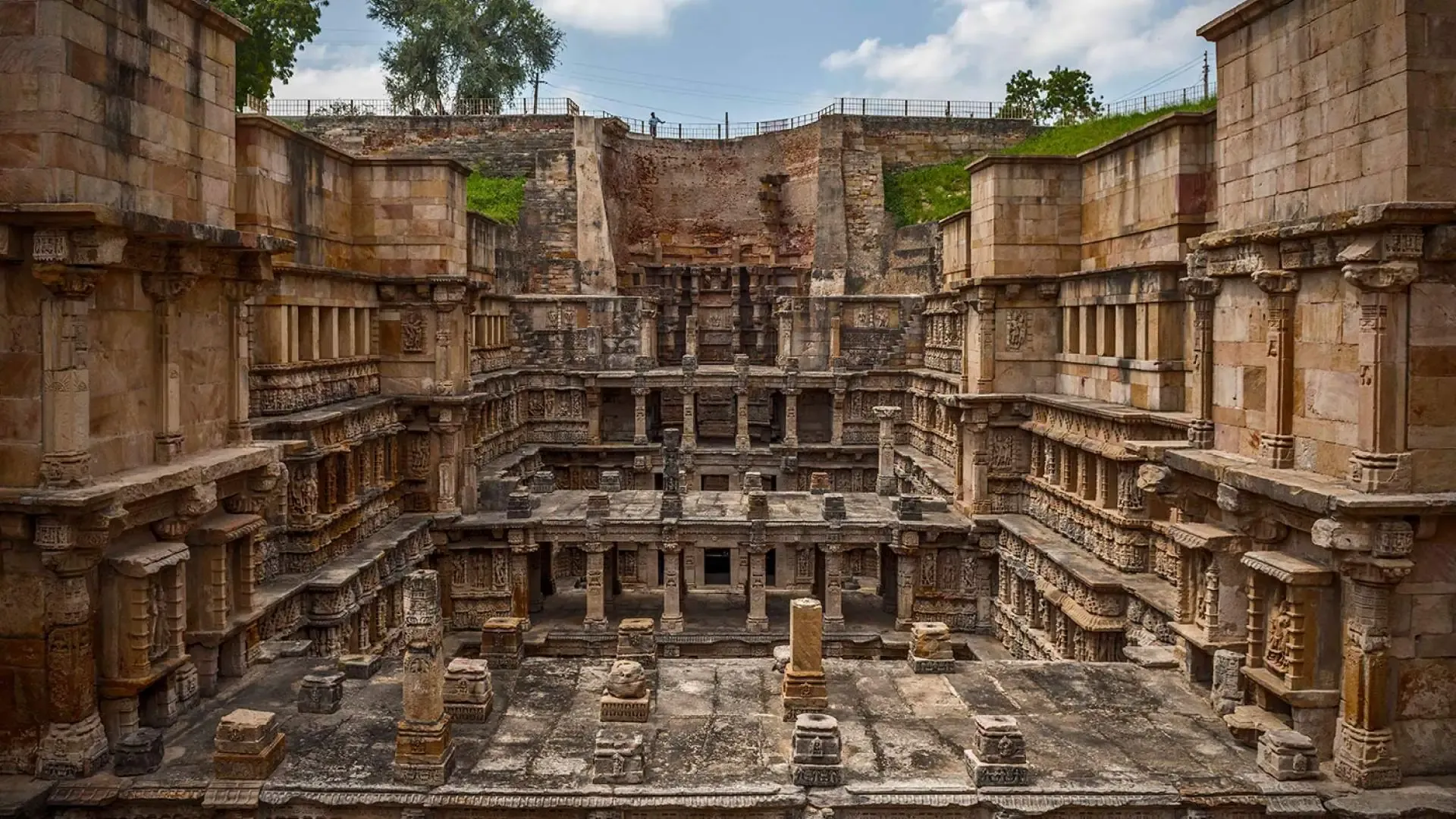
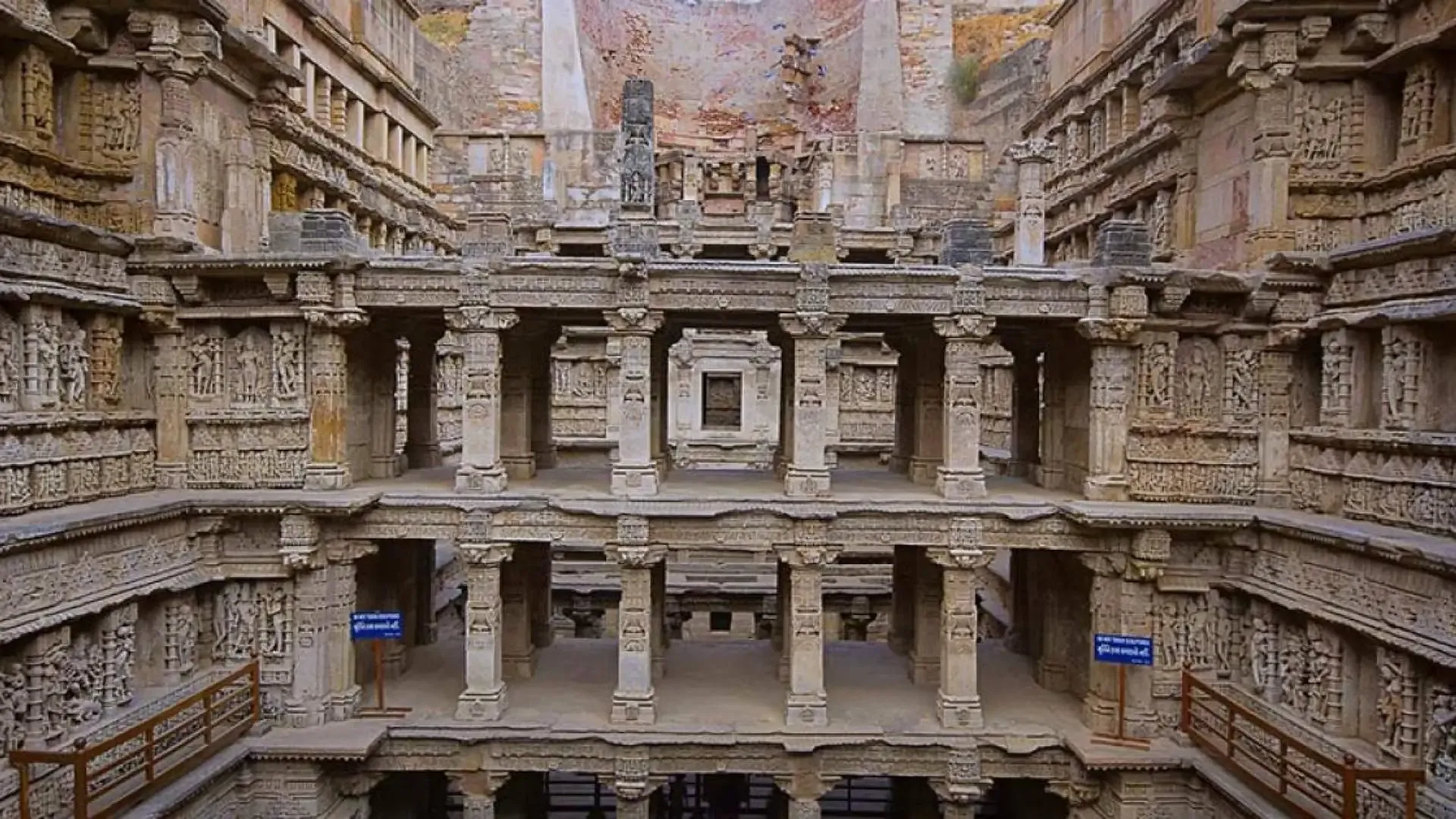
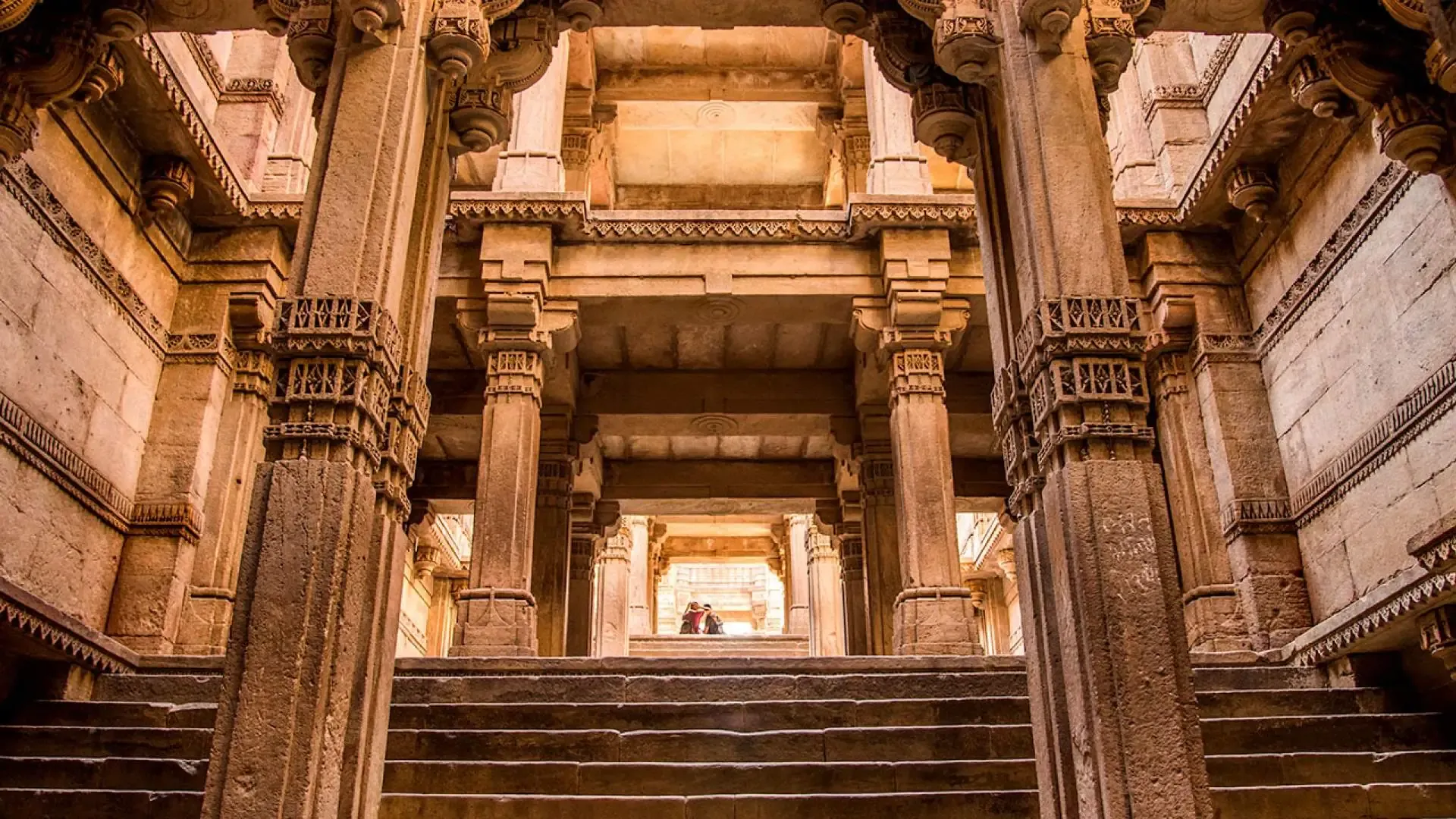
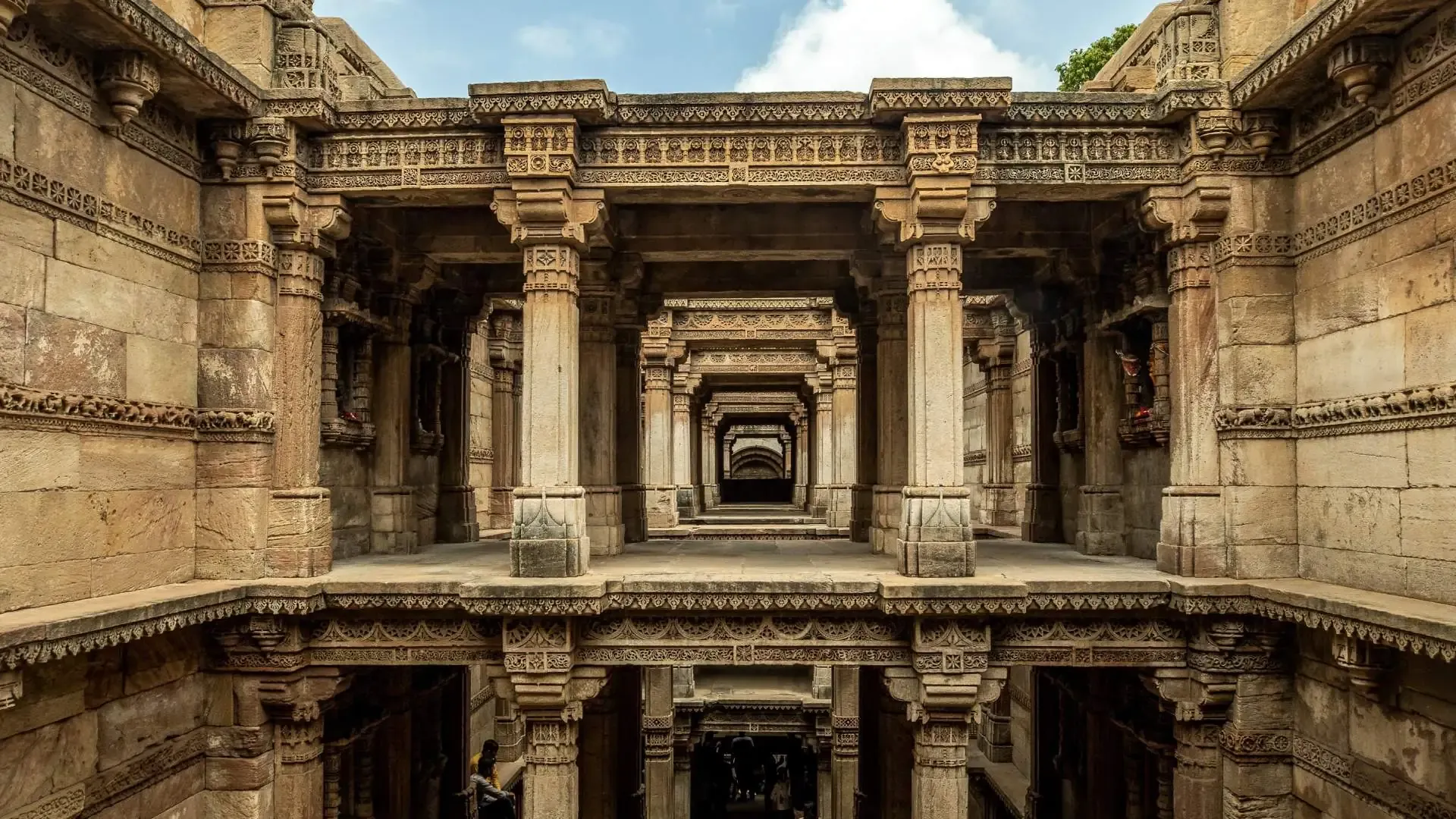
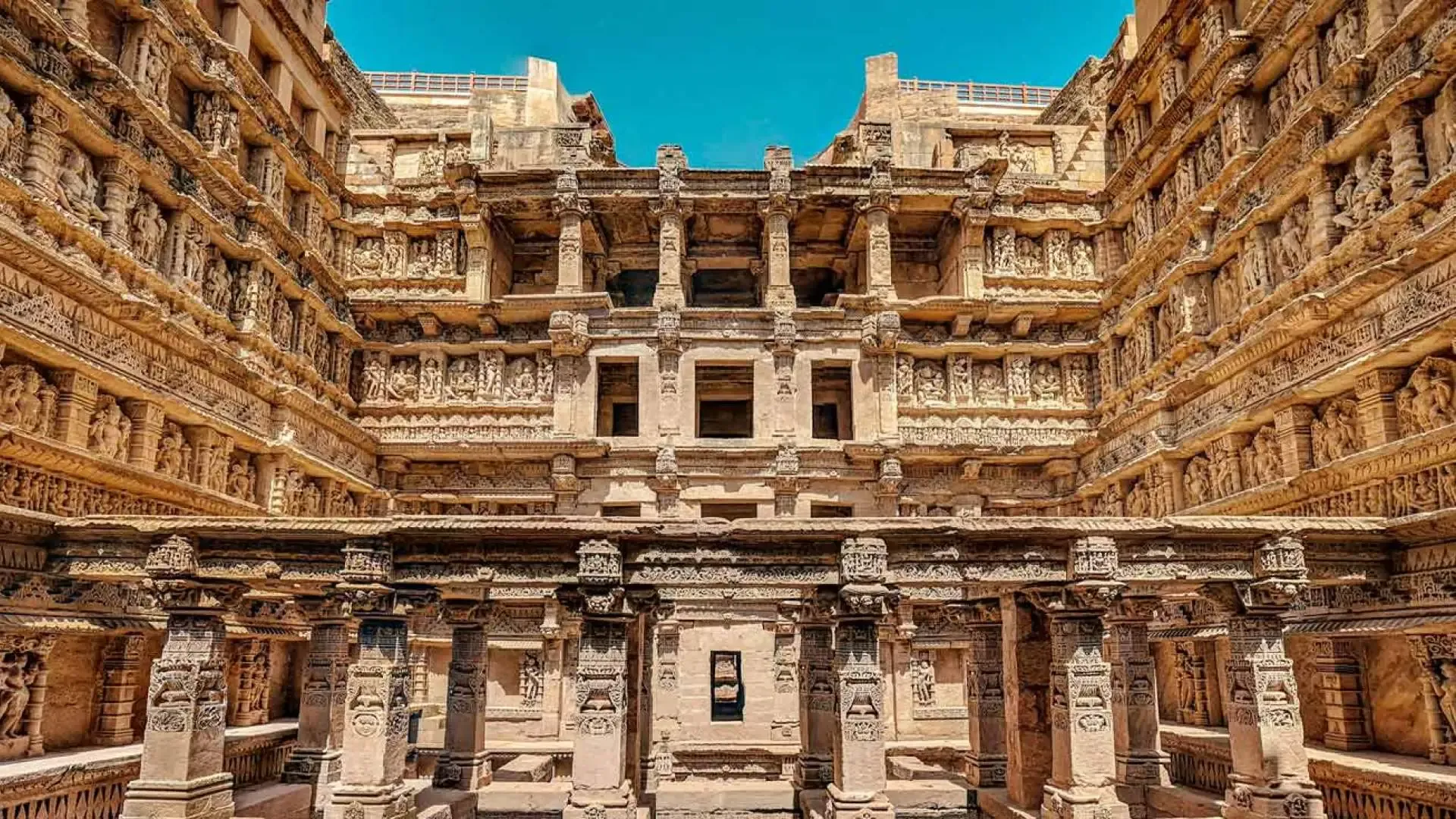
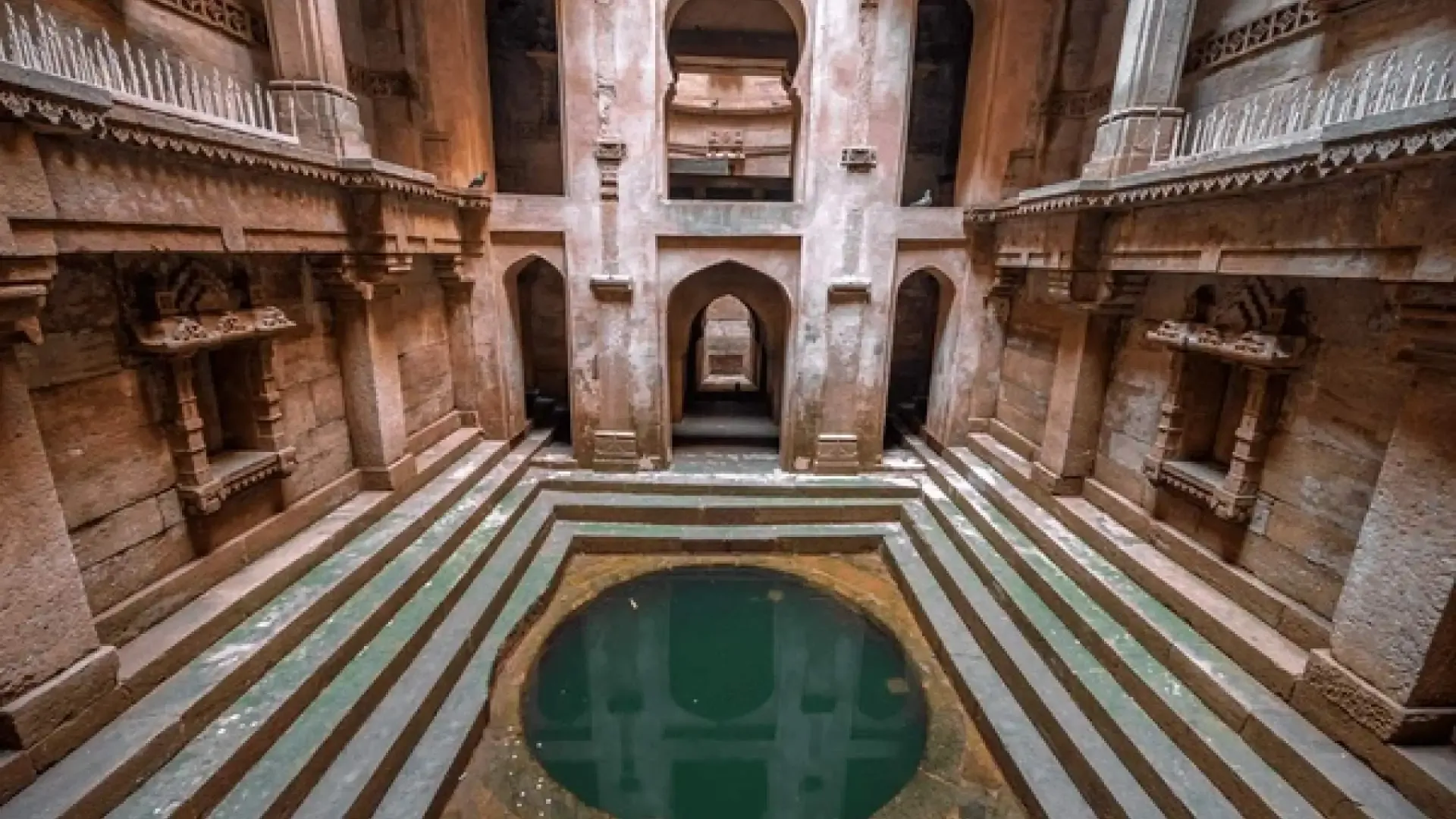
The stepwell descends through multiple levels adorned with beautifully carved pillars, terraces, and sculptural panels.
More Than 500 Major Sculptures
The walls feature hundreds of detailed sculptures depicting Hindu deities, celestial beings, mythological scenes, and ornamental motifs.
Lord Vishnu Sculptures
Many carvings portray various incarnations of Lord Vishnu, showcasing the religious significance of the monument.
Exceptional Engineering
The structure demonstrates advanced knowledge of water conservation, architecture, and craftsmanship from the medieval period.
Best Time to Visit
October - March
Cool and pleasant weather makes winter the ideal season to explore the monument comfortably.
Early Morning and Evening
These hours provide the best lighting for photography and a more enjoyable sightseeing experience.
Recommended Period: October to March.
Things to Do at Rani Ki Vav
- Admire the intricate stone carvings and sculptures.
- Learn about the history of the Solanki Dynasty.
- Explore one of India's greatest architectural achievements.
- Capture stunning photographs of the monument.
- Study ancient water management techniques.
- Experience Gujarat's rich cultural heritage.
How to Reach Rani Ki Vav
By Road: Patan is well connected to major cities across Gujarat.
- Patan City Center – Approximately 2 km
- Mehsana – Approximately 50 km
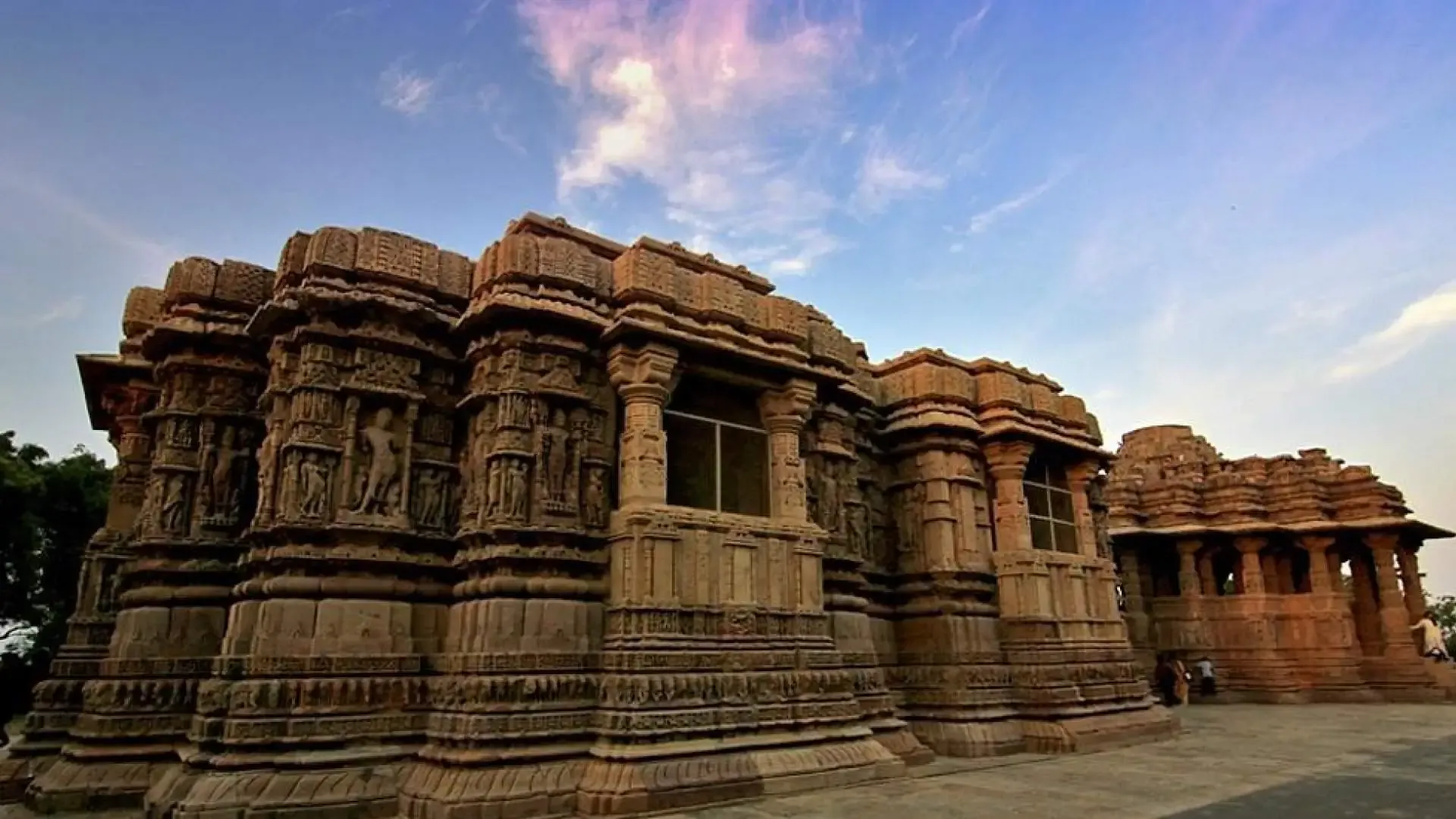
- Modhera Sun Temple – Approximately 35 km
- Ahmedabad – Approximately 125 km
By Train: Patan Railway Station is the nearest railway station.
By Air: The nearest major airport is Ahmedabad Airport.
Nearby Attractions
- Sahastralinga Talav – A historic water reservoir built during the Solanki era.
- Patan Patola Heritage Museum – Famous for traditional Patola silk weaving.
- Modhera Sun Temple – One of Gujarat's most iconic architectural monuments.
- Panchasara Jain Temple – An important Jain pilgrimage site.
- Bindu Sarovar – A sacred Hindu pilgrimage destination.
Travel Tips
- Wear comfortable footwear as the site involves considerable walking.
- Visit during morning hours for fewer crowds.
- Carry water, especially during summer.
- Respect the heritage site's rules and regulations.
- Bring a camera for architectural photography.
- Combine your visit with Modhera Sun Temple and Patola Museum.
Quick Facts
Location: Patan, Gujarat
Built: 11th Century CE
Built By: Queen Udayamati
UNESCO Status: World Heritage Site (2014)
Type: Historic Stepwell
Famous For: Architecture, sculptures, heritage significance
Best Season: October to March
Ideal For: History lovers, architecture enthusiasts, photographers, families
Google Maps: https://maps.google.com/?q=Rani+Ki+Vav+Patan+Gujarat
Final Thoughts
Rani Ki Vav is not just a stepwell—it's a masterpiece of art, engineering, and history. Its breathtaking carvings, fascinating heritage, and UNESCO recognition make it one of Gujarat's most treasured landmarks. A visit to Rani Ki Vav offers a captivating journey into the grandeur of India's medieval architectural achievements.
Optimized 1-Day & 2-Day Travel Itineraries
To help you experience the very best of Rani Ki Vav at a comfortable pace, here is a structured step-by-step itinerary covering morning highlights, afternoon cultural exploration, and golden hour viewpoints:
Core Heritage & Signature Sightseeing
Extended Circuit, Nature & Culinary Trail
Authentic Regional Food & Local Delicacies
While exploring Rani Ki Vav, indulge in authentic regional cuisine. Savor traditional multi-course thalis featuring regional breads (Rotla/Bhakri/Puri), rich seasonal vegetable curries, freshly churned buttermilk (Chaas), and famous regional sweet delicacies.
Travel Essentials & Quick Facts
October to March
Pleasant weather & clear views
06:00 AM – 06:00 PM
Standard public entry hours
Free Entry / Nominal Charges
On-site / Online counter
1 to 2 Days
Comprehensive sightseeing
Available on-site
Designated parking plaza
₹1,500 – ₹3,500 / person
Includes travel, entry & food
Photo Gallery
Get Directions
Planning to visit? Click below to open Google Maps with the exact coordinates.
Open in Google MapsGet Daily Travel Alerts & Hidden Gems
Join 10,000+ travellers on WhatsApp for weekend road trips and verified guides.
Frequently Asked Questions
Answers to common visitor questions
Visiting hours for Rani Ki Vav: The Queen's Stepwell and UNESCO World Heritage Site are generally 6:00 AM to 6:00 PM daily. We recommend visiting during early morning or sunset for the best experience.

Related Experiences
Jal Mahal Jaipur: Complete Travel Guide, History, Architecture & Night View
Explore Guide →
Saputara: The Ultimate Travel Guide to Gujarat's Misty Hill Station
Explore Guide →
Salangpur Hanumanji
Explore Guide →
80th Independence Day of India (2026): Red Fort Parade, Theme, History & Travel Guide
Explore Guide →
Dwarkadhish Temple: The Sacred Kingdom of Lord Krishna
Explore Guide →