

 By Bharat travel guide
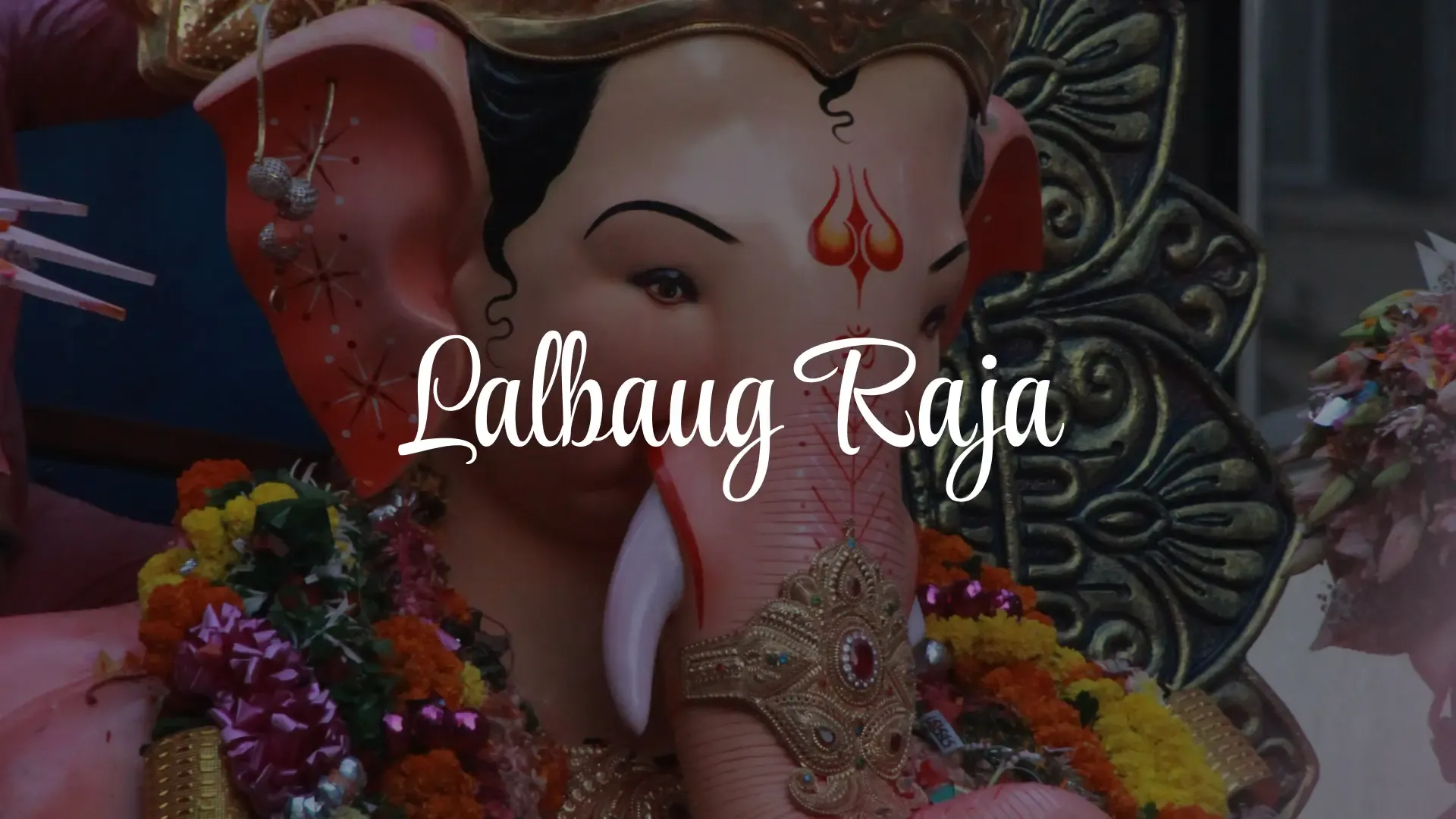
Holding the supreme rank of honor as the Gramdaivat (presiding city deity) of Pune and the Pahila Manacha Ganpati (1st Ganpati of Highest Honor), Kasba Ganpati represents nearly 400 years (1630–2026) of Maratha royal heritage, unshakeable faith, and pristine spiritual traditions.
Consecrated by Rajmata Jijau Bhosale and young Chhatrapati Shivaji Maharaj, Kasba Ganpati leads the world-famous Anant Chaturdashi immersion procession down Laxmi Road, riding aboard an exquisite hand-carved silver palanquin (Rajat Palkhi).
1. The 1630 Consecration by Rajmata Jijau
When Rajmata Jijabai and young Shivaji Maharaj arrived in Pune in 1630, the region had been devastated by enemy invasions. A self-manifested (Svayambhu) stone idol of Lord Ganesha was discovered near Vinayak Bhat Thakar's residence. Rajmata Jijau regarded this as a divine omen, built a stone sanctum, and ploughed the soil with a golden plough to herald Pune's historic rebirth.
2. The Privilege of the 1st Manacha Ganpati
In 1893, when Lokmanya Tilak transformed Ganeshotsav into a public festival, disputes arose over procession priority. Tilak decreed that Kasba Ganpati, being the Gramdaivat consecrated by Jijau, would forever hold the supreme first position (Pahila Mana), leading all processions in Pune.
3. Traditional Silver Palkhi & Dhol Tasha
Kasba Ganpati eschews modern trucks and sound systems. Instead, the idol is seated inside an authentic silver palanquin carried reverently on the shoulders of devotees, accompanied by classical nagara, shehnai, and renowned Pune dhol-tasha pathaks.
4. How to Reach Kasba Peth
- By Rail: Alight at Pune Junction (2.5 km) and take an auto-rickshaw to Kasba Peth.
- By Walking: Located just 5 minutes walk from historic Shaniwar Wada and Lal Mahal.