 By Bharat travel guide
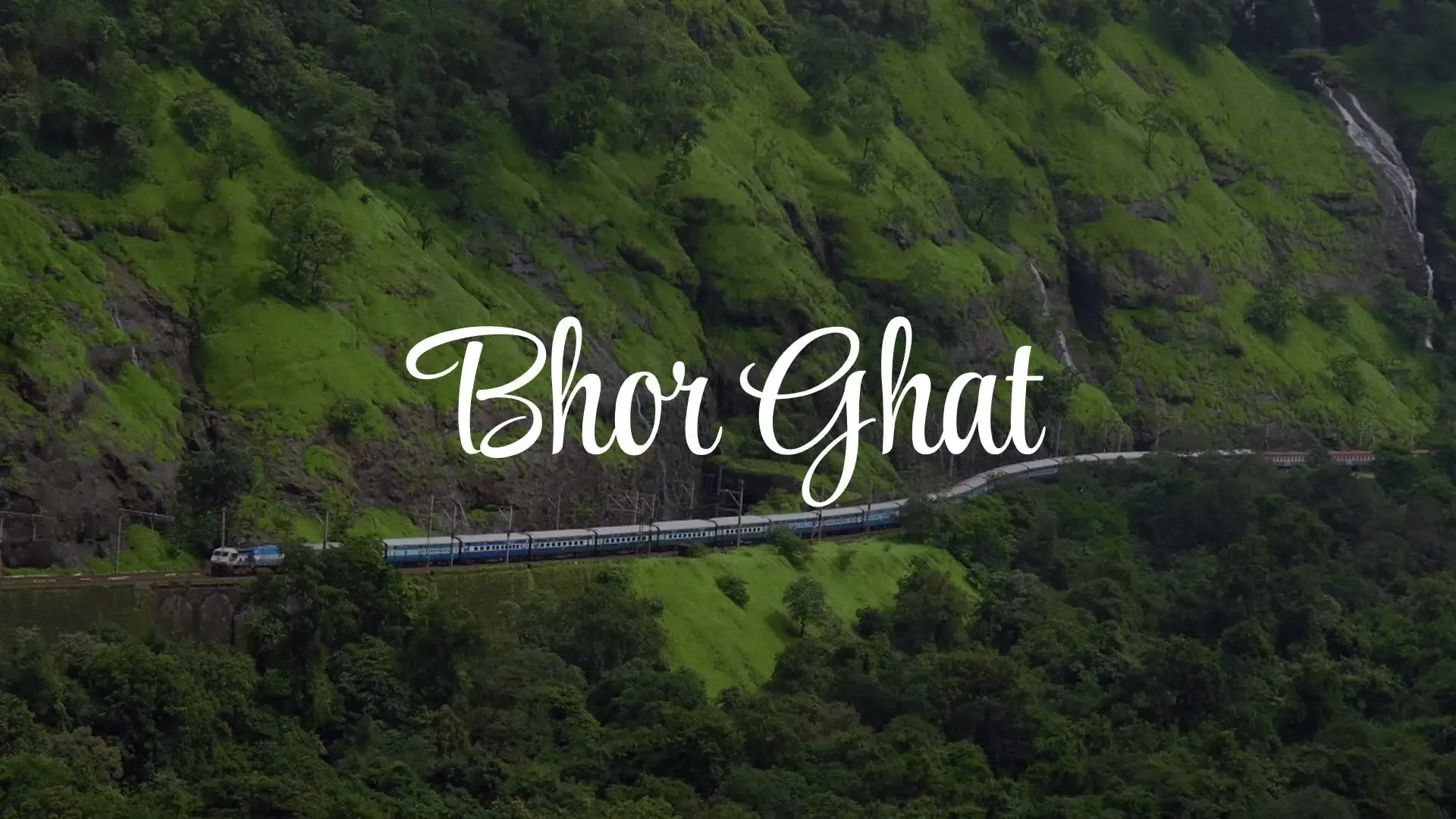
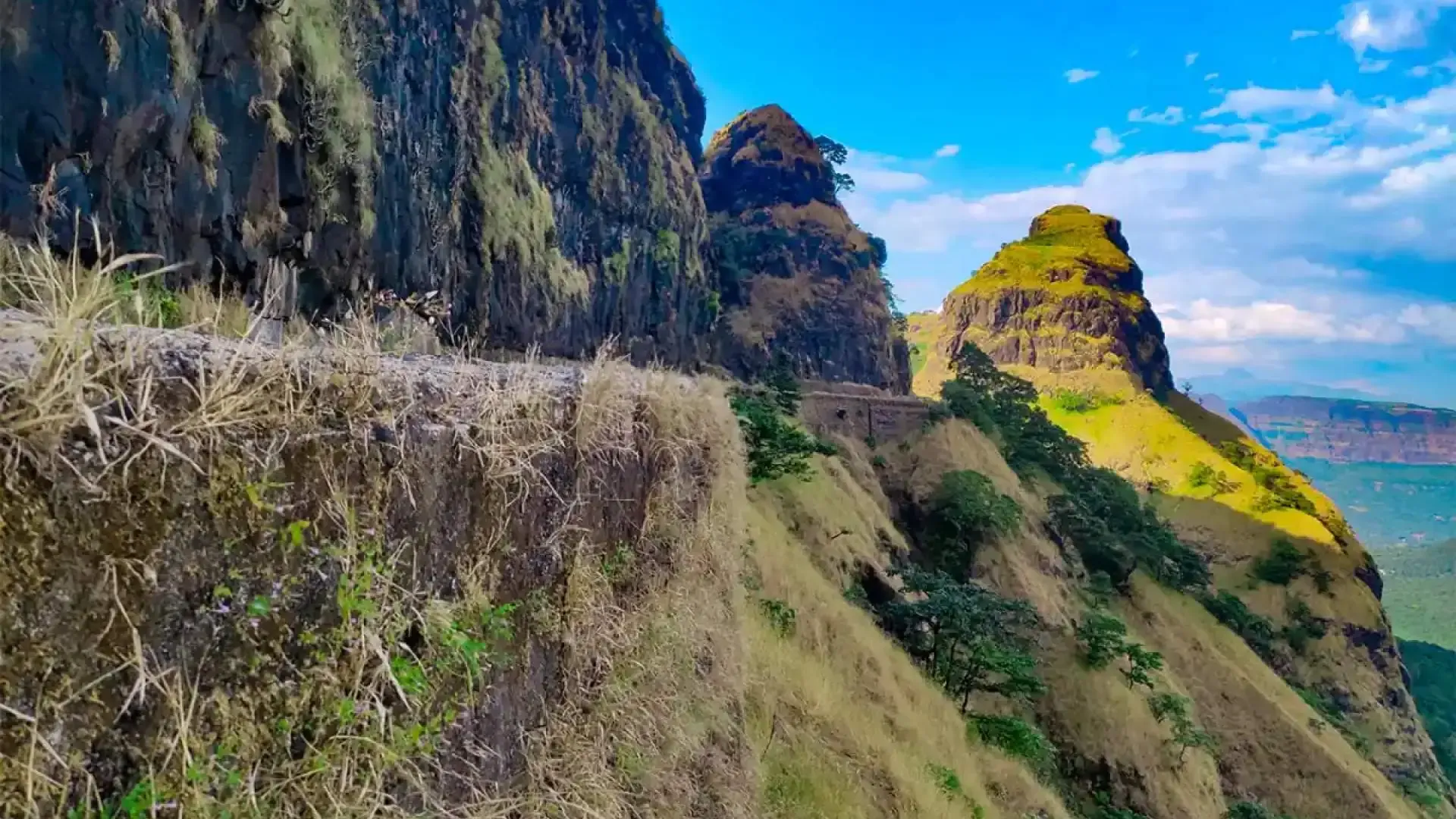
Carving a dramatic 21-kilometer mountain passage through the sheer basalt cliffs of the Western Ghats between Palasdari (near Karjat) and Khandala, Bhor Ghat (historically known as the Bore Ghaut) is India's most legendary mountain pass. Ascending over 600 vertical meters (2,000 feet) from the coastal Konkan plains up to the volcanic Deccan Plateau, Bhor Ghat has served as the strategic commercial artery and military gateway of Western India for more than two millennia.
From ancient caravans carrying Roman amphorae and spices between Kalyan and Junnar under the Satavahana dynasty, to the historic 1779 Battle of Wadgaon where the Maratha Empire under Nana Fadnavis routed the British East India Company, Bhor Ghat is steeped in epic history. In the 1850s, it witnessed one of the greatest engineering feats of the Victorian era when the Great Indian Peninsula Railway (GIPR) conquered the precipice with 28 tunnels, soaring masonry viaducts, and the famous Reversing Station.
📍 Bhor Ghat Mountain Pass: Key Geographical & Historical Facts
| Span & Route | 21 km pass between Karjat / Khopoli (Konkan) and Khandala / Lonavala (Deccan) |
| Elevation Gain | Rises from approx. 30 meters at Khopoli to 610 meters (2,000 ft) at Khandala |
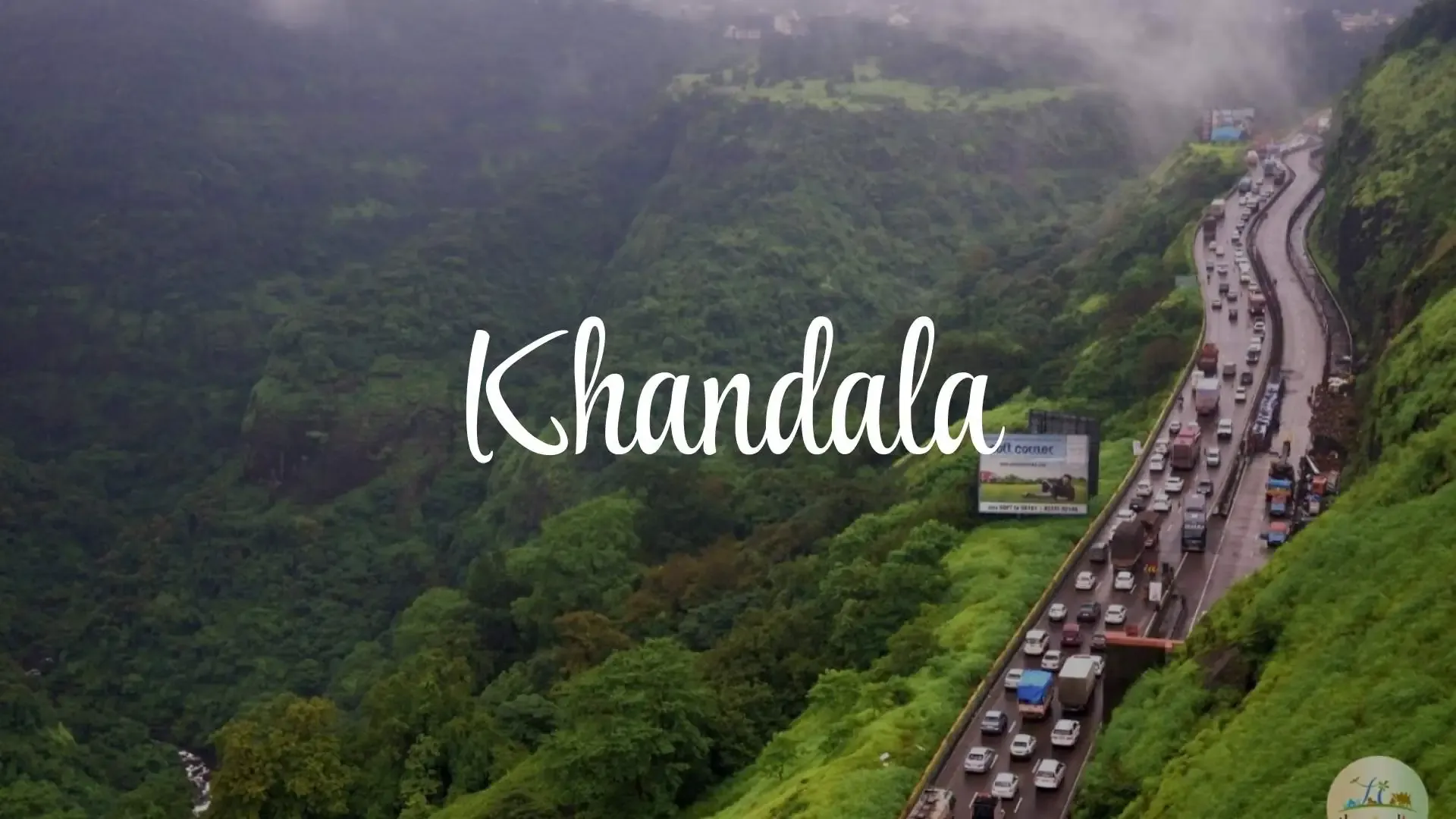
| Highway Corridors | Mumbai-Pune Expressway (6-lane access-controlled) & Old NH-48 (Scenic Ghat Highway) |
| Railway Heritage Incline | Opened in 1863; Features 28 railway tunnels, banker engine assists & viaducts |
| Nearest Rail Stations | Khandala Station (Summit - 2 km) | Lonavala (5 km) | Karjat Junction (Base - 15 km) |
| Nearest Major Airports | Navi Mumbai International Airport (NMIA - 55 km) | Mumbai CSMIA (85 km) | Pune (75 km) |
Key Attractions & Viewpoints Along Bhor Ghat
- Duke’s Nose (Nagphani Cliff): Rising like the curved beak of an eagle or the prominent profile of the Duke of Wellington, this vertical basalt cliff provides an adrenaline-pumping viewpoint overlooking the entire switchback gorge of Bhor Ghat. It is a premier location for rock climbing, rappelling, and sunset watching.
- Amrutanjan Point & Valley View: Positioned at the apex of the old highway ascent, this iconic observation terrace offers panoramic views of descending trains emerging from misty tunnels, the cascading Khandala gorge waterfalls, and the shimmering sprawl of the Khopoli plains far below.
- Historic Railway Reversing Station: Built in the 1850s to enable steam locomotives to conquer the steep 1:37 gradient by reversing train directions on a cliff-edge spur. While superseded by newer tunnel alignments, the scenic bluff is now a favored vantage point for photographers and railway historians.
- Rajmachi Fort & Ulhas River Valley: Perched high above the northern rim of Bhor Ghat, the twin citadels of Shrivardhan and Manaranjan command a 360-degree vista of the mountain pass. During the monsoons, dozens of seasonal white waterfalls plunge hundreds of feet into the Ulhas valley below.
- Khandala Lake & Monkey Hill: A scenic freshwater lake fringed by historic stone structures, alongside Monkey Hill where Central Railway "banker" locomotives decouple after pushing heavy express trains up the grueling grade.
Optimized 1-Day & 2-Day Travel Itineraries
Old Highway Ghats, Amrutanjan Point & Duke's Nose
07:00 AM – 09:00 AM: Drive from Mumbai (85 km) or Pune (75 km) along the Mumbai-Pune Expressway, branching off at Khandala into Old NH-48.
09:15 AM – 11:30 AM: Stop at Amrutanjan Point and the historic Reversing Station. Watch express trains traversing viaducts amidst swirling monsoon clouds.
11:45 AM – 01:45 PM: Trek through Kurvande village trail up to the crest of Duke’s Nose (Nagphani). Enjoy 360-degree clifftop views of the Sahyadri gorges.
02:00 PM – 03:15 PM: Enjoy hot Vada Pav, Kanda Bhaji, and Masala Chai at traditional ghat-side stalls, followed by a hearty Maharashtrian lunch in Khandala.
03:30 PM – 05:30 PM: Visit the serene Khandala Lake, sample freshly crafted Lonavala Chikki and walnut fudge, and watch sunset over the ghat before returning.
Mountain Pass Engineering & Ancient Caves
Day 1 (Ghat Viewpoints & Duke's Nose): Complete the scenic Bhor Ghat drive, explore the railway engineering marvels, hike Duke's Nose, and check into a resort in Khandala or Lonavala. Spend the evening strolling through the lively markets.
Day 2 (Karla Caves & Rajmachi Fort Trail): Wake early to visit the 2nd-century BCE Buddhist rock-cut Karla Caves and Bhaja Caves, which guarded the historic trade route. In the afternoon, take a rugged jeep drive toward Udhewadi base village to view the majestic ramparts of Rajmachi Fort before heading home.
Multi-Modal How to Reach & Transit Guide
🚗 By Road (Expressway & Scenic Old Highway)
From Mumbai (85 km / 2 hrs): Travel via the Yashwantrao Chavan Mumbai-Pune Expressway, or take Old NH-48 via Panvel and Khopoli to experience the authentic winding switchbacks. From Pune (75 km / 1.5 hrs): Direct multi-lane drive through Talegaon and Dehu Road straight up to the Khandala plateau.
🚆 By Train (Legendary Railway Route)
Riding the train across Bhor Ghat is one of India's most scenic rail experiences. Express trains (such as Deccan Queen, Pragati Express, and Vande Bharat Express) travel between Mumbai CSMT and Pune Junction, traversing the tunnels and viaducts of Bhor Ghat in about 40 thrilling minutes. Nearest stations with tourist halts are Khandala and Lonavala.
✈️ By Air
Chhatrapati Shivaji Maharaj International Airport, Mumbai (85 km) and Pune International Airport (75 km) provide direct air connectivity. The upcoming Navi Mumbai International Airport (55 km) will bring air travelers even closer to the foot of Bhor Ghat.
Authentic Regional Food & Highway Delicacies
The culinary journey along Bhor Ghat is a celebration of Maharashtra's famous monsoon street gastronomy:
- Ghat Vada Pav & Kanda Bhajis: Crispy hot onion fritters (khekda bhaji) and spicy garlic potato vada pav served piping hot at roadside food stalls overlooking the misty valley.
- Lonavala Chikki & Fudge: World-renowned traditional brittle candies made from jaggery, crushed peanuts, cashews, sesame seeds, and rich chocolate walnut fudge.
- Authentic Maharashtrian Thali: Wholesome meals featuring Pitla Bhakri, Kolhapuri mutton/chicken rassa, Usal, and steamed rice with Solkadhi.
- Roasted Corn on the Cob (Bhutta): Fresh sweet corn cobs roasted over glowing charcoal embers, seasoned with rock salt, red chili, and fresh lime juice.
Visitor Guidelines & Safe Driving Tips
- Best Season: Monsoon (July to September) is when Bhor Ghat comes alive with dozens of waterfalls, rolling fog, and vibrant greenery. Winter (October to February) offers clear, pleasant weather ideal for rock climbing and trekking.
- Ghat Driving Caution: During monsoons, maintain low gear while descending steep slopes. Never stop vehicles on blind highway turns or under active landslide-prone rock faces. Watch out for rockfall catchment nets installed along the expressway.
- Monkeys & Wildlife: Langurs and macaques populate viewing points like Amrutanjan Point and Duke's Nose. Avoid feeding them and keep personal belongings and food packets safely zipped in backpacks.