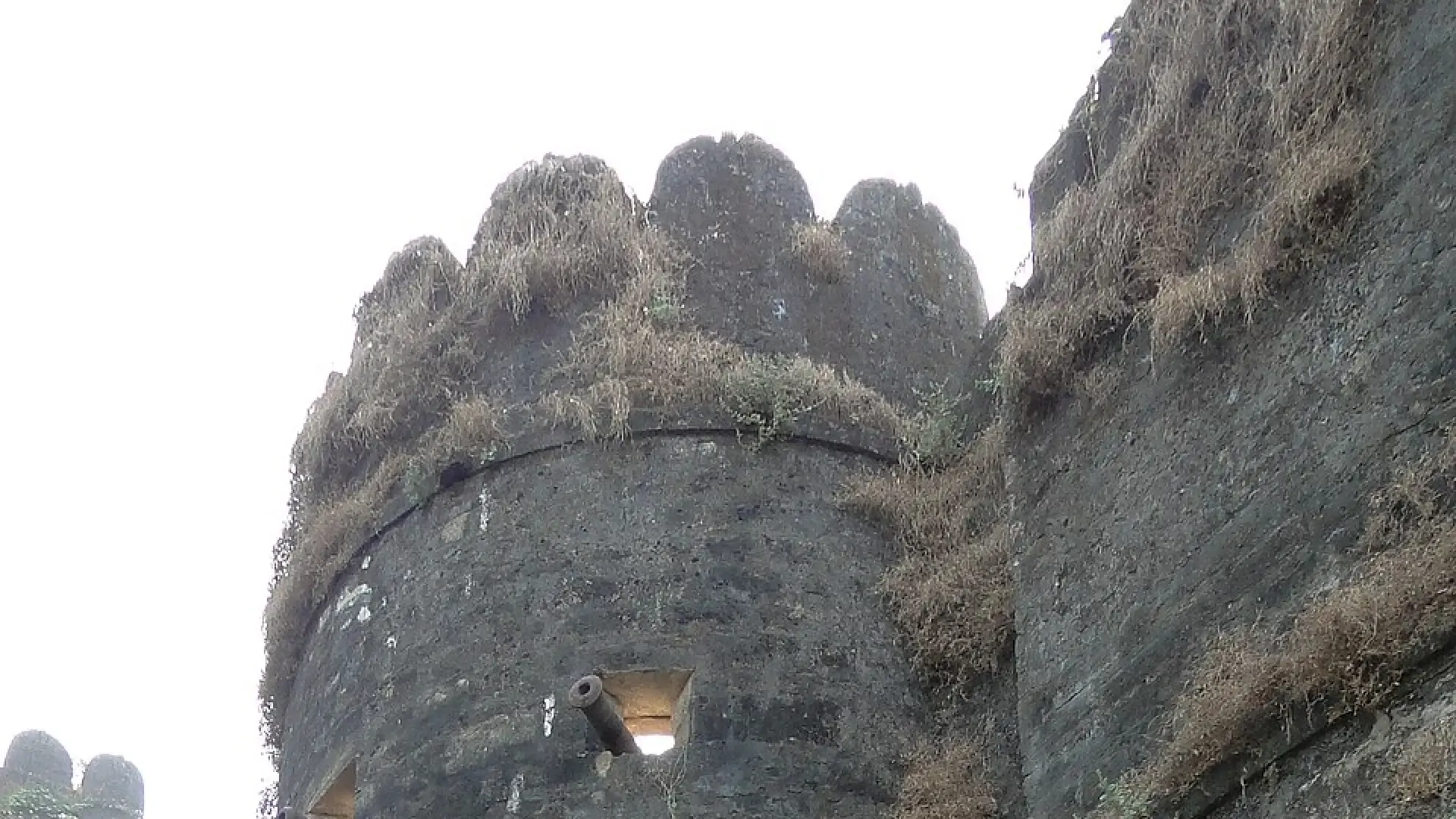
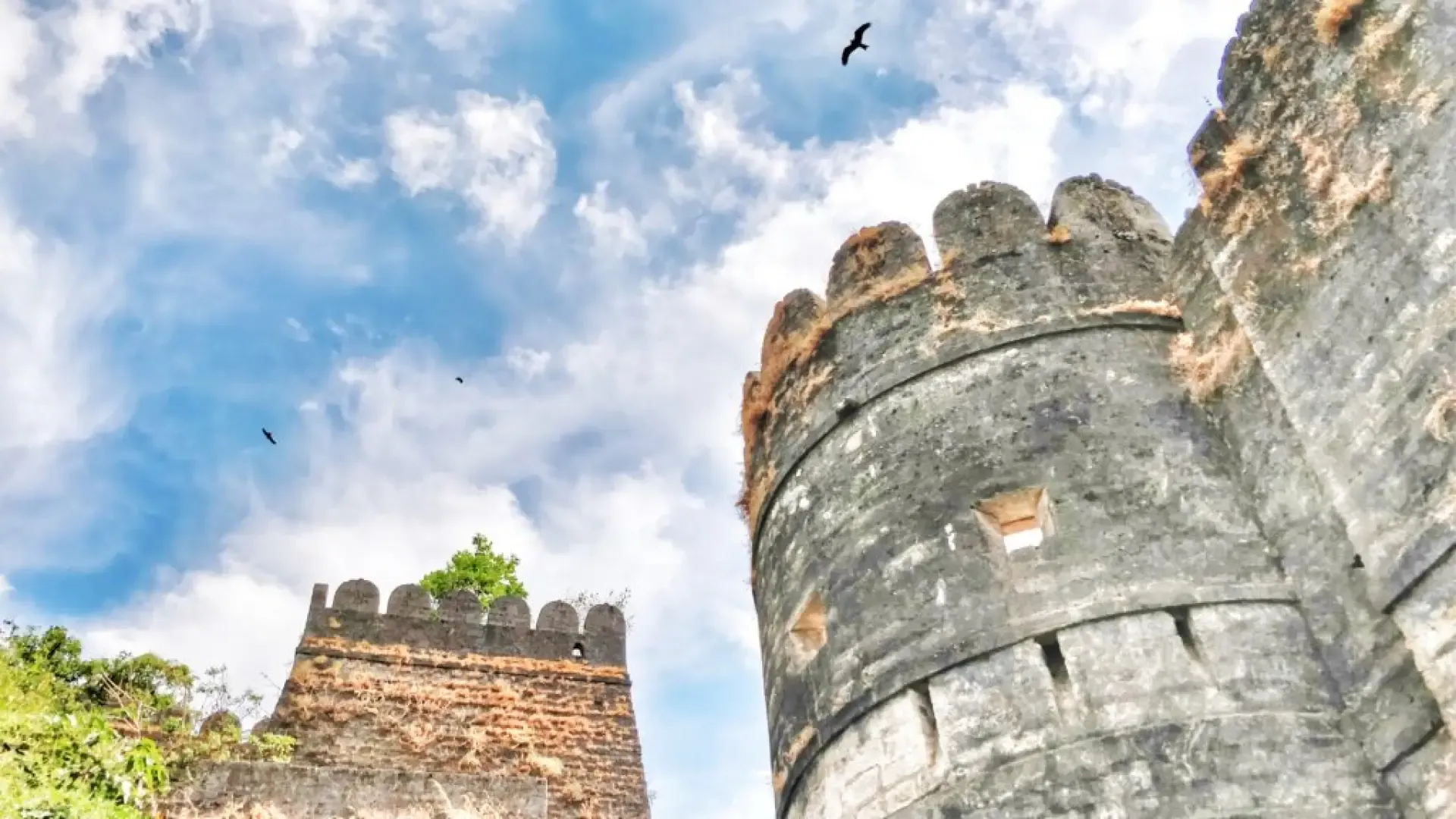
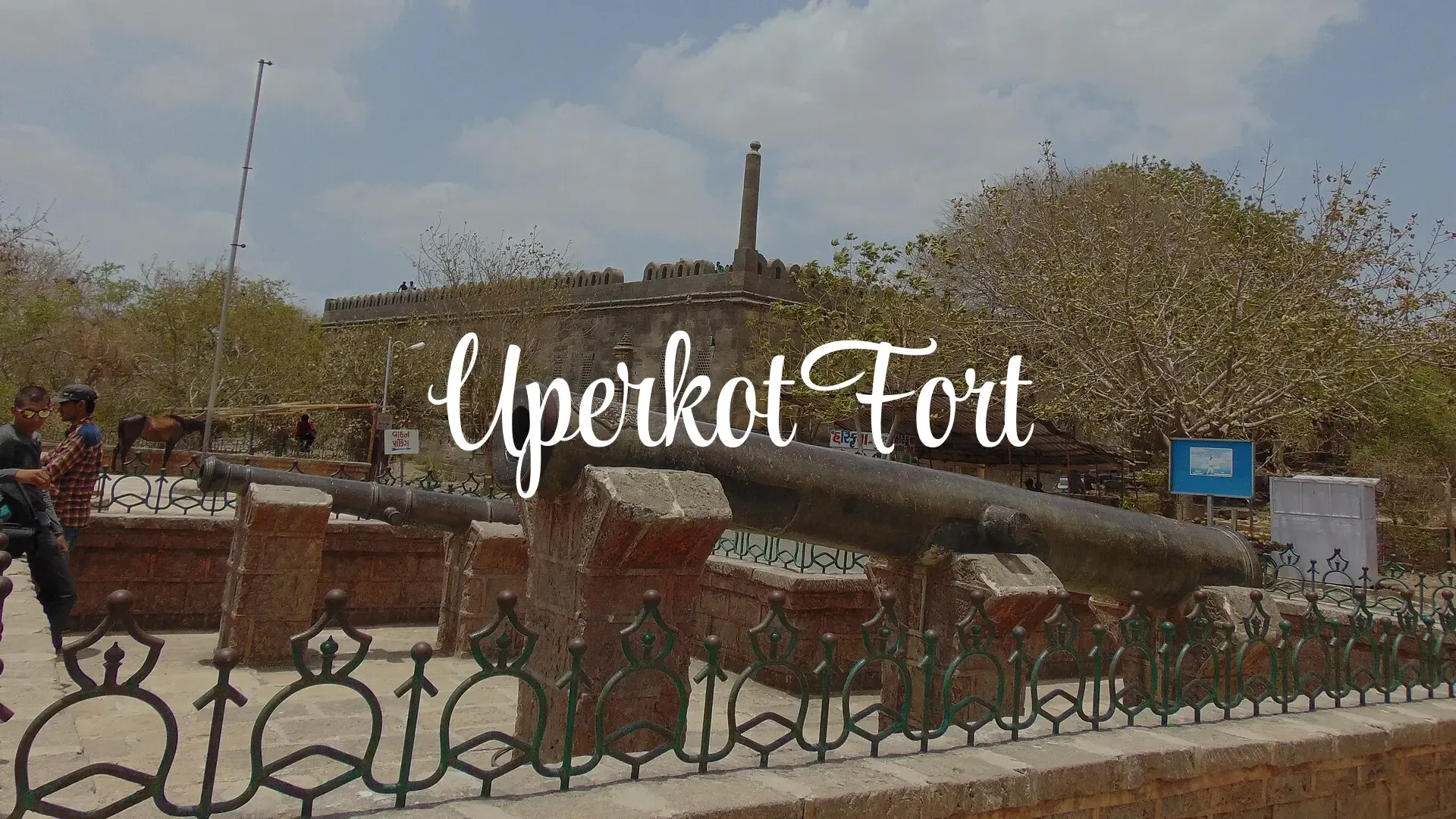
Dominating the heart of historical Junagadh at the majestic foothills of Mount Girnar, Uperkot Fort is one of India's oldest and most formidable citadels. Originally founded in 319 BCE by Chandragupta Maurya during the Maurya Empire's reign over Saurashtra, this ancient fortress has witnessed over 2,300 years of turbulent dynastic history, withstanding sixteen epic sieges across two millennia while guarding subterranean Buddhist monasteries, extraordinary rock-hewn stepwells, and monumental Ottoman cannons.
Following an extensive world-class archaeological restoration by the Gujarat Tourism and Heritage Department, Uperkot Fort has reopened as an awe-inspiring open-air museum. Visitors can walk atop massive 20-meter ramparts, descend into jaw-dropping monolithic stepwells carved directly from living bedrock, explore 2nd-century CE rock-cut Buddhist chaitya halls, and marvel at panoramic sunset views of the sacred peak of Girnar.
📍 Uperkot Fort Junagadh: Citadel Highlights & Fast Facts
| Historical Foundation | Founded in 319 BCE by Mauryan Emperor Chandragupta; fortified by Chudasama and Solanki kings |
| Location | Central Junagadh City, Saurashtra Peninsula, Gujarat |
| Citadel Visiting Hours | 08:00 AM – 06:00 PM Daily (Ticket counter closes at 05:00 PM) |
| Entry Ticket Prices | ₹50 for Indian Nationals | ₹20 for Children | ₹200 for Foreign Tourists |
| Nearest Major Rail Station | Junagadh Junction (JND - 2.5 km away, 10 min drive) |
| Nearest Major Airport | Keshod Airport (IXK - 40 km) | Rajkot International Airport (Hirasar - 105 km) |
Key Architectural & Archaeological Attractions Inside Uperkot
- Adi Kadi Vav (The Monolithic Stepwell): An engineering feat of the ancient world built in the 15th century (or earlier Chudasama era). Unlike other stepwells constructed with masonry stones, Adi Kadi Vav was excavated straight downward through a single solid sheet of bedrock. A steep flight of 120 rock-cut stairs descends dramatically into the subterranean depths where sunlight filters through rocky fissures.
- Navghan Kuvo (The Spiral Well): Built in 1026 CE by King Navghan of the Chudasama dynasty, this astonishing circular well is cut 52 meters (170 feet) deep into living rock. A cantilevered circular staircase wraps around the inner stone shaft, providing access to water even during protracted military sieges.
- 2nd-Century CE Buddhist Caves: Carved into the sandstone plateau during the 2nd to 3rd centuries CE during the Western Satraps era, this three-tiered underground monastic complex features ornate pillars with Satavahana motifs, a meditation chaitya hall, rock-cut water cisterns, and intricately sculpted bas-reliefs.
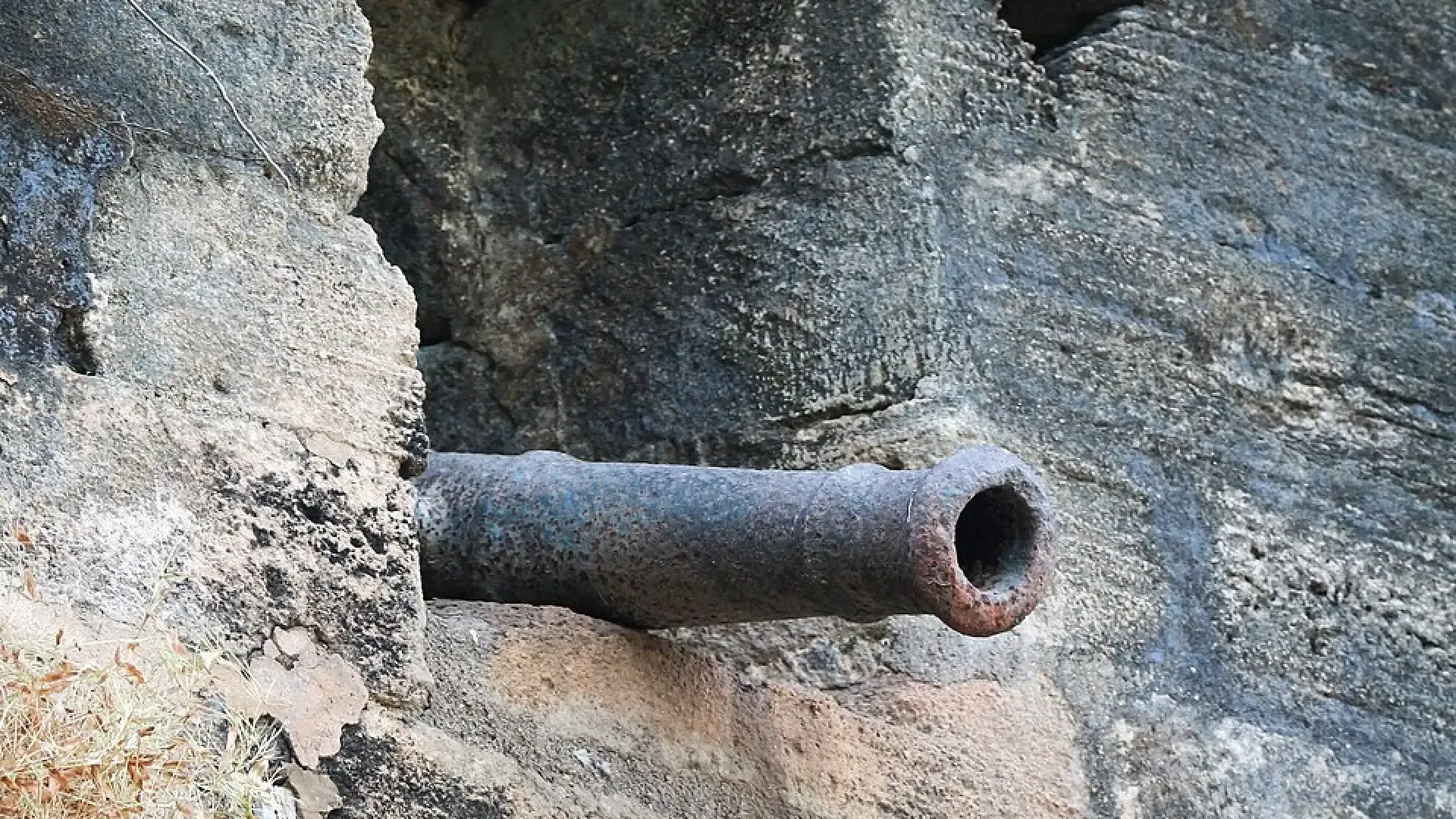
- Neelam and Manek Cannons: Cast in Cairo, Egypt in 1531 by Ottoman artisan Ali bin Hamza, these colossal bronze cannons were brought to Gujarat by Ottoman admiral Suleiman Pasha to aid Sultan Bahadur Shah of Gujarat against Portuguese naval forces at Diu in 1538. Later captured, the 15-foot Neelam Top is renowned for its dark blue gunmetal finish.
- Jami Masjid / Ranakdevi Palace: Originally built as a grand royal palace for Queen Ranakdevi and later converted into a mosque by Sultan Mahmud Begada after his historic conquest of Junagadh in 1472, featuring 140 carved pillars, stone jaali screens, and an expansive courtyard.
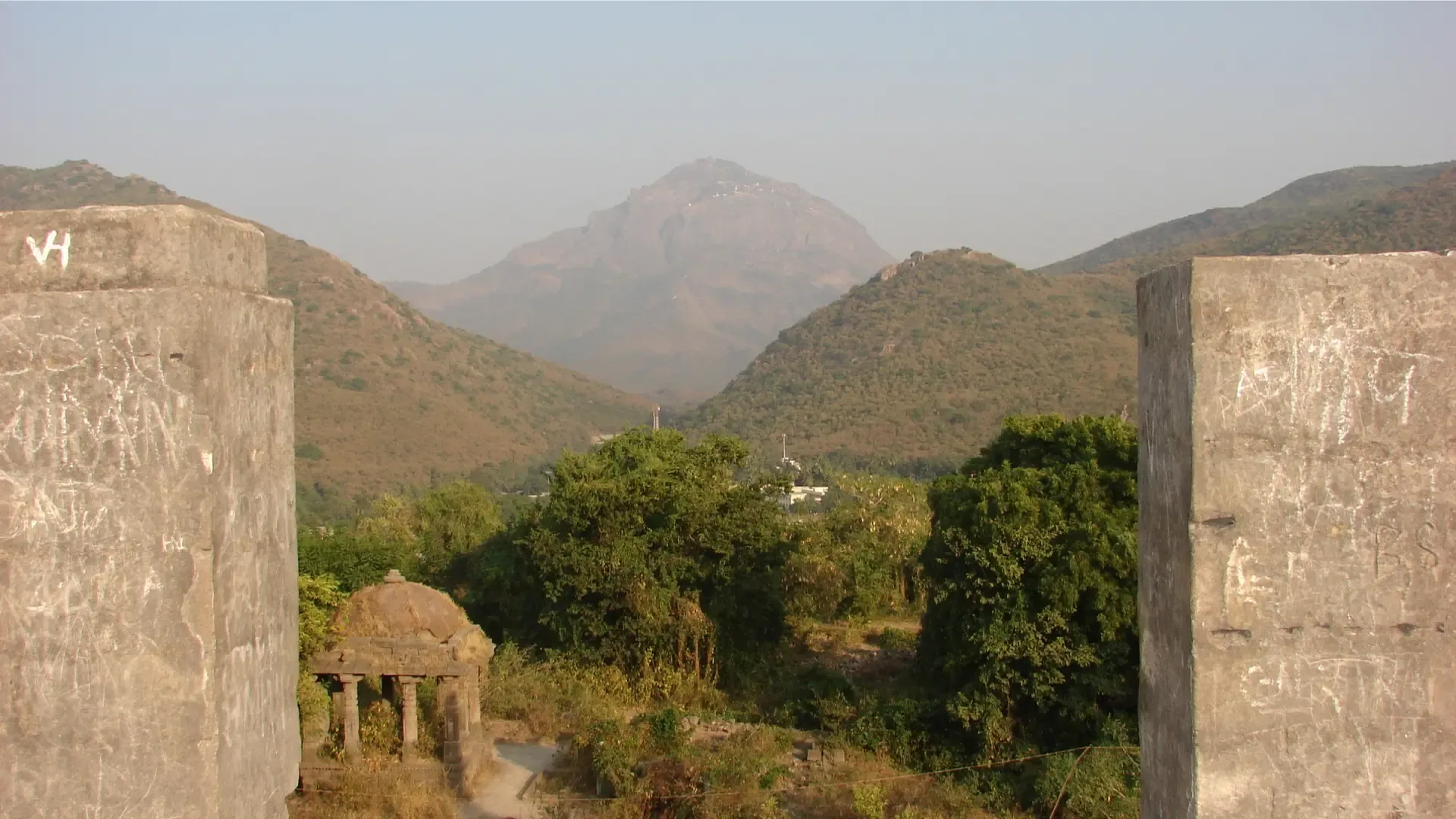
- Citadel Bastions & Mount Girnar Views: The elevated western ramparts of Uperkot provide an unobstructed 360-degree vista of Junagadh city, the Gothic spires of Mahabat Maqbara, and the misty 3,666-foot crest of sacred Mount Girnar.
Optimized 1-Day & 2-Day Travel Itineraries
Uperkot Fort, Stepwells & Mahabat Maqbara
08:30 AM – 11:30 AM: Arrive at Uperkot Fort before midday heat. Enter through the triple gatehouse, descend into Adi Kadi Vav and Navghan Kuvo, and explore the underground Buddhist Caves.
11:30 AM – 01:00 PM: Walk along the high stone ramparts, photograph the historic Neelam Cannon, and visit the pillared Jami Masjid complex.
01:00 PM – 02:30 PM: Enjoy an authentic Kathiyawadi feast at a heritage restaurant in Junagadh city (Ringna no Olo, Sev Khamani, and Bajra no Rotlo with white butter).
02:45 PM – 04:15 PM: Visit the breathtaking 19th-century Mahabat Maqbara and Bahauddin Maqbara, featuring a fairytale blend of Indo-Islamic, Gothic, and European baroque spiral minarets.
04:30 PM – 06:00 PM: Visit the Ashokan Rock Edicts (inscribed in 250 BCE in Brahmi script) at the base of Mount Girnar as dusk falls.
Citadel History, Asia's Longest Ropeway & Sasan Gir
Day 1 (Uperkot & Junagadh Heritage): Complete the comprehensive Uperkot Fort, Mahabat Maqbara, and Sakkarbaug Zoo tour. In the evening, explore local sweet shops famous for authentic Junagadhi Kesar Mango Peda.
Day 2 (Girnar Ropeway & Mountaintop Temples): Ride Asia's longest temple ropeway (2.3 km in 8 minutes) up to Ambaji Temple on Mount Girnar. Explore the 12th-century Neminath Jain temples perched on rocky precipices. In the afternoon, take a 1-hour drive (50 km) to Sasan Gir National Park for an evening Asiatic Lion safari.
Multi-Modal How to Reach & Transit Guide
🚆 By Train (Best City Connection)
Junagadh Junction (JND - 2.5 km from fort) is a prominent rail junction on Western Railway with regular express trains from Ahmedabad, Rajkot, Mumbai, Surat, and Somnath (e.g., Somnath Express, Veraval Express). Auto-rickshaws and app-based cabs operate 24/7.
🚗 By Road & Highway Networks
Junagadh is connected via high-speed 4-lane highways: From Rajkot (100 km / 2 hrs): Via Jetpur along NH-151. From Ahmedabad (315 km / 5.5 hrs): Via Limbdi – Gondal – Jetpur on NH-47 and NH-151. From Somnath / Veraval (85 km / 1.5 hrs): Via Keshod along NH-151.
✈️ By Air
Keshod Airport (IXK - 40 km) operates scheduled regional flights connecting Mumbai. Alternatively, Rajkot International Airport (Hirasar - 105 km) offers regular nonstop flights across all major metro cities of India.
Authentic Kathiyawadi Cuisine & Local Delicacies
Junagadh is celebrated throughout Gujarat as an epicenter of rich Kathiyawadi culinary culture:
- Traditional Kathiyawadi Thali: Ringna no Olo (char-roasted eggplant mash), Sev Tameta, Lasaniya Bataka (fiery garlic baby potatoes), and hot puffed Phulkas served with spicy Kadhi and Khichdi.
- Rotla with Homemade Makhan: Thick millet (Bajra) rotlas roasted over cow-dung or charcoal embers, served with dollops of golden-white fresh butter and jaggery (Gaud).
- Junagadhi Kesar Mango Peda: World-renowned sweet prepared from reduced milk mawa and pulp of the famous Talala Gir Kesar mangoes.
- Farsan & Street Snacks: Crispy hot spicy Ghughra topped with sweet-and-sour chutneys, Junagadhi Dabeli, and crunchy Sev Khamani.
Visitor Guidelines & Practical Travel Tips
- Best Time to Visit: October to March offers pleasant winter weather (15°C to 28°C) ideal for climbing ramparts and walking the expansive fort grounds. Summer (April-June) can be scorching with temperatures touching 42°C.
- Walking Shoes & Hydration: Exploring Uperkot requires walking 2 to 3 kilometers across stone pathways and steep stepwell stairs. Wear sturdy sports shoes and carry sufficient drinking water bottles.
- Tour Duration: Allow at least 2.5 to 3 hours to comfortably explore all major monuments inside Uperkot Fort, including the stepwells, caves, and cannon batteries.
- Local Guides: Certified Gujarat Tourism heritage guides are available at the entrance gate and provide fascinating historical anecdotes about the 16 sieges and architectural secrets of the citadel.