
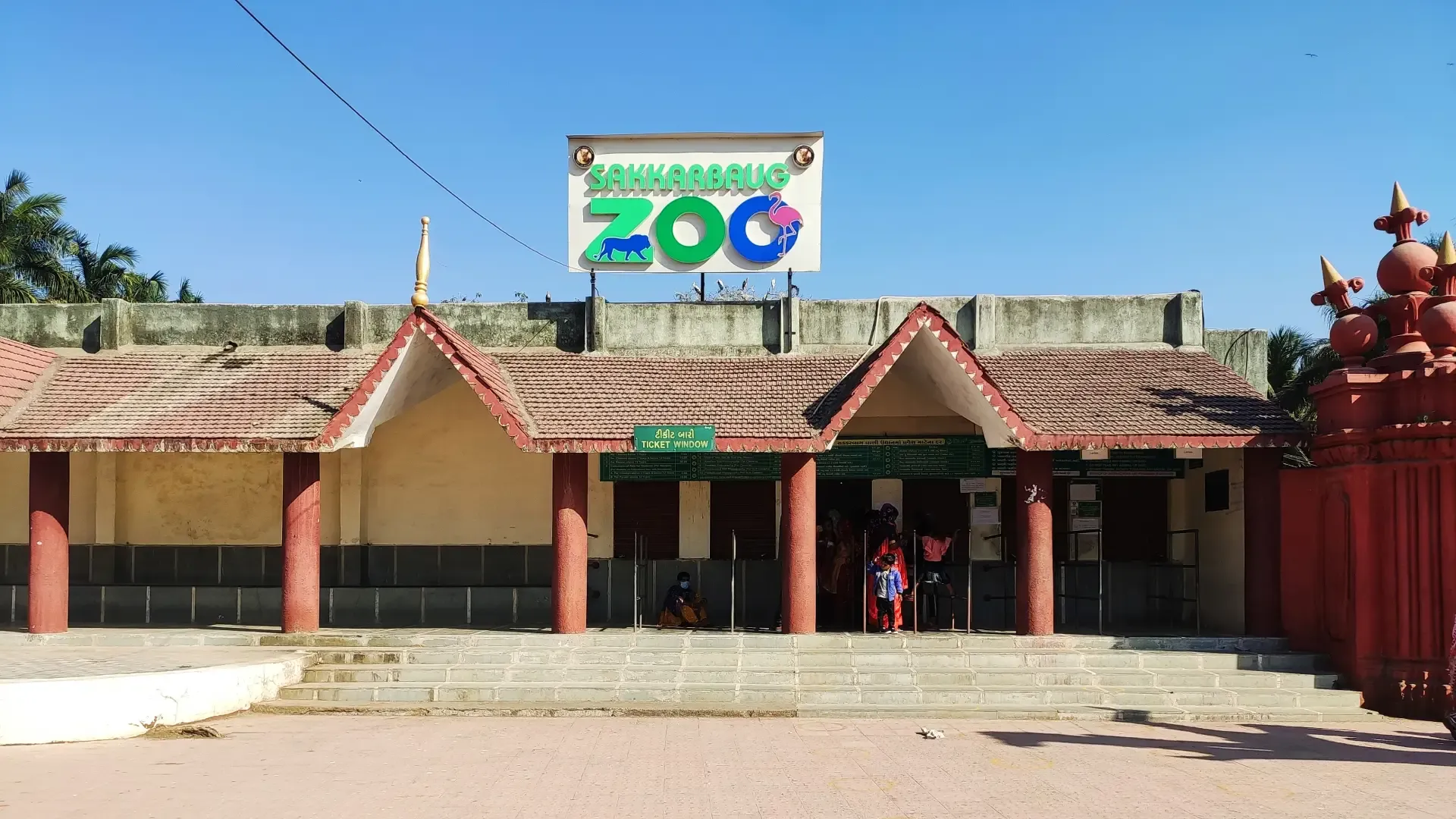
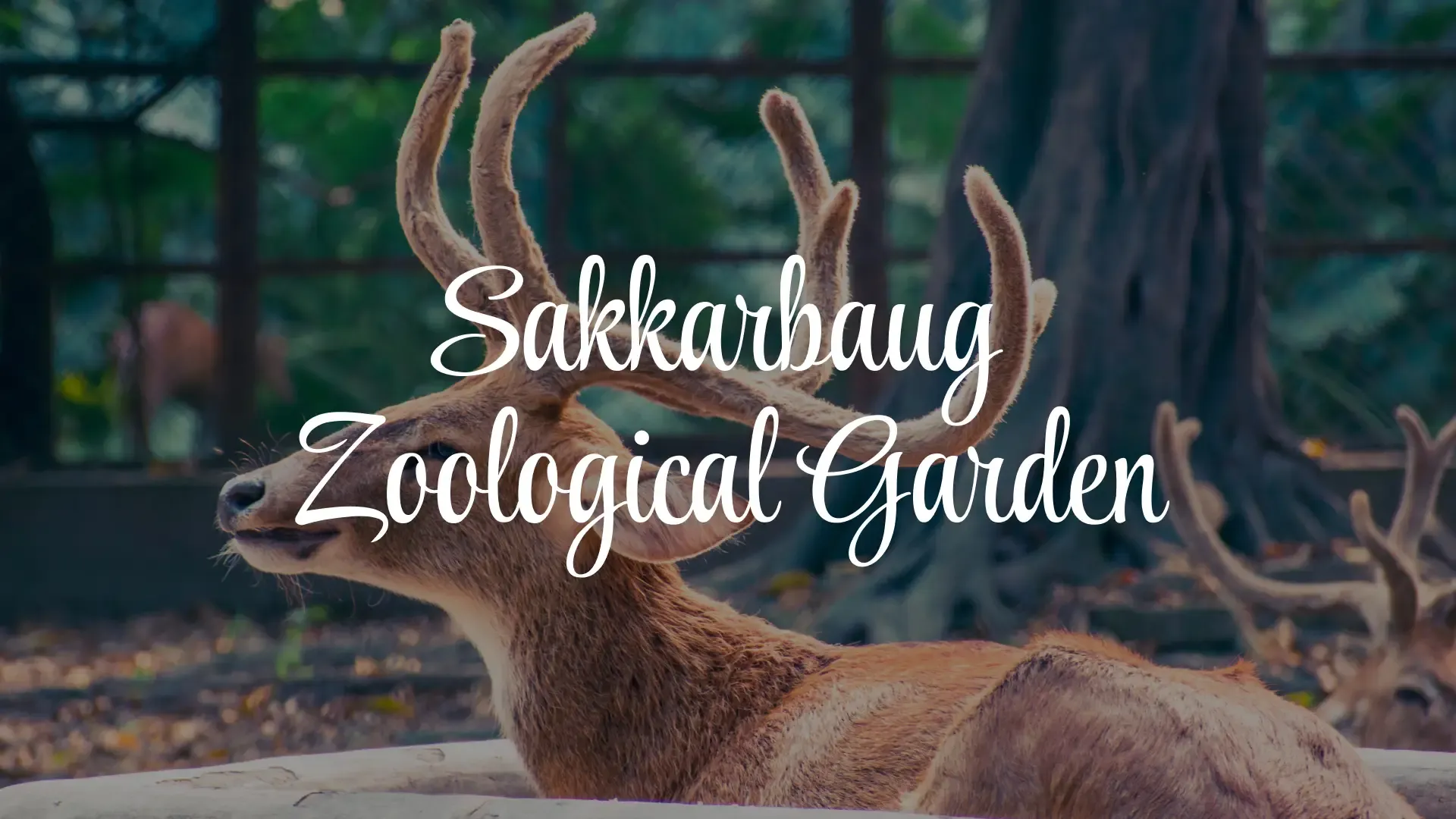
Sprawling over 84 hectares (208 acres) of verdant botanical parklands at the foot of Mount Girnar in Junagadh, the Sakkarbaug Zoological Garden holds the distinguished honor of being the second-oldest zoo in India and the fourth-oldest in all of Asia. Founded in 1863 by Nawab Mohabat Khan II of the princely state of Junagadh as a royal menagerie, Sakkarbaug has evolved into a globally celebrated wildlife conservation institution and the world’s primary sanctuary for the survival of the endangered Asiatic Lion (Panthera leo persica).
As the designated nodal center for the Central Zoo Authority's Conservation Breeding Program, Sakkarbaug has successfully bred more than 1,200 pure-strain Asiatic lions over the past six decades, providing breeding pairs to national and international zoological gardens across Europe, Asia, and North America. Home to over 1,300 animals across 130 species—including elusive Indian leopards, white tigers, striped hyenas, and a massive walk-through aviary—Sakkarbaug is an unmissable destination for wildlife lovers and families.
📍 Sakkarbaug Zoo Junagadh: Key Facts & Conservation Profile
| Historical Foundation | Established in 1863 by Nawab Mohabat Khan II of Junagadh; 2nd oldest zoo in India |
| Total Area & Animal Count | 84 hectares (208 acres); Over 1,300 specimens representing 130 mammalian, reptilian & avian species |
| Flagship Conservation Program | Global Conservation Breeding Program for the Asiatic Lion (over 1,200 lions bred successfully) |
| Visiting Hours | 09:00 AM – 06:00 PM (Closed on Wednesdays; Ticket counter closes at 05:00 PM) |
| Entry Ticket Prices | ₹30 for Adults | ₹10 for Children | ₹100 for Foreign Visitors (Battery vehicle extra) |
| Nearest Rail Station | Junagadh Junction (JND - 3.5 km away, approx. 10 min drive) |
Key Wildlife Zones & Conservation Enclosures
- The Asiatic Lion Breeding & Safari Enclosures: The undisputed centerpiece of Sakkarbaug, featuring spacious, moated naturalistic open-air habitats that recreate the dry teak forests of Gir. Visitors can safely observe majestic pride males with full dark manes, lionesses caring for playful cubs, and learn about the historic recovery of the species from the brink of extinction.
- Carnivore Safari: Royal Bengal & White Tigers: Large enclosures housing Royal Bengal tigers, rare white tigers, Indian leopards, melanistic (black) panthers, and desert caracals within lush foliage and rock grottos.
- Walk-Through Avian Sanctuary: One of Western India’s largest flight aviaries, where visitors walk inside a massive mesh dome among flamingos, Dalmatian pelicans, sarus cranes, painted storks, and rare vultures.
- Heritage Nawab Museum & Botanical Grounds: Located within the zoo gardens, the historic museum displays royal hunting trophies, vintage palanquins, ancient weapons, and natural history specimens, surrounded by 150-year-old banyans, mahogany, and flowering royal gulmohar trees.
- Veterinary Hospital & Wildlife Rescue Centre: Sakkarbaug operates Gujarat's leading wildlife trauma hospital and rehabilitation facility, treating injured lions, leopards, and marine turtles rescued from the wild before their release.
Optimized 1-Day & 2-Day Travel Itineraries
Sakkarbaug Zoo, Asiatic Lions & Uperkot Fort
09:00 AM – 12:30 PM: Arrive at Sakkarbaug Zoo right at opening hours. Tour the Asiatic Lion enclosures, walk-through aviary, and leopard habitats before midday heat.
12:45 PM – 02:00 PM: Enjoy an authentic Kathiyawadi lunch in Junagadh city (Sev Khamani, Ringna no Olo, and Bajra no Rotlo with homemade white butter).
02:15 PM – 04:30 PM: Explore the 2,300-year-old ramparts of Uperkot Fort, descending into the monolithic Adi Kadi Vav and ancient Buddhist caves.
04:45 PM – 06:00 PM: Photograph the fairytale Gothic-Islamic spiral minarets of Mahabat Maqbara before evening departure.
Sakkarbaug Zoo, Girnar Ropeway & Sasan Gir
Day 1 (Zoo Conservation & Heritage City): Tour Sakkarbaug Zoo and its wildlife breeding center. Visit Mahabat Maqbara and the Ashokan Rock Edicts. Savor authentic Junagadhi Kesar Mango Peda in the evening. Stay overnight in Junagadh.
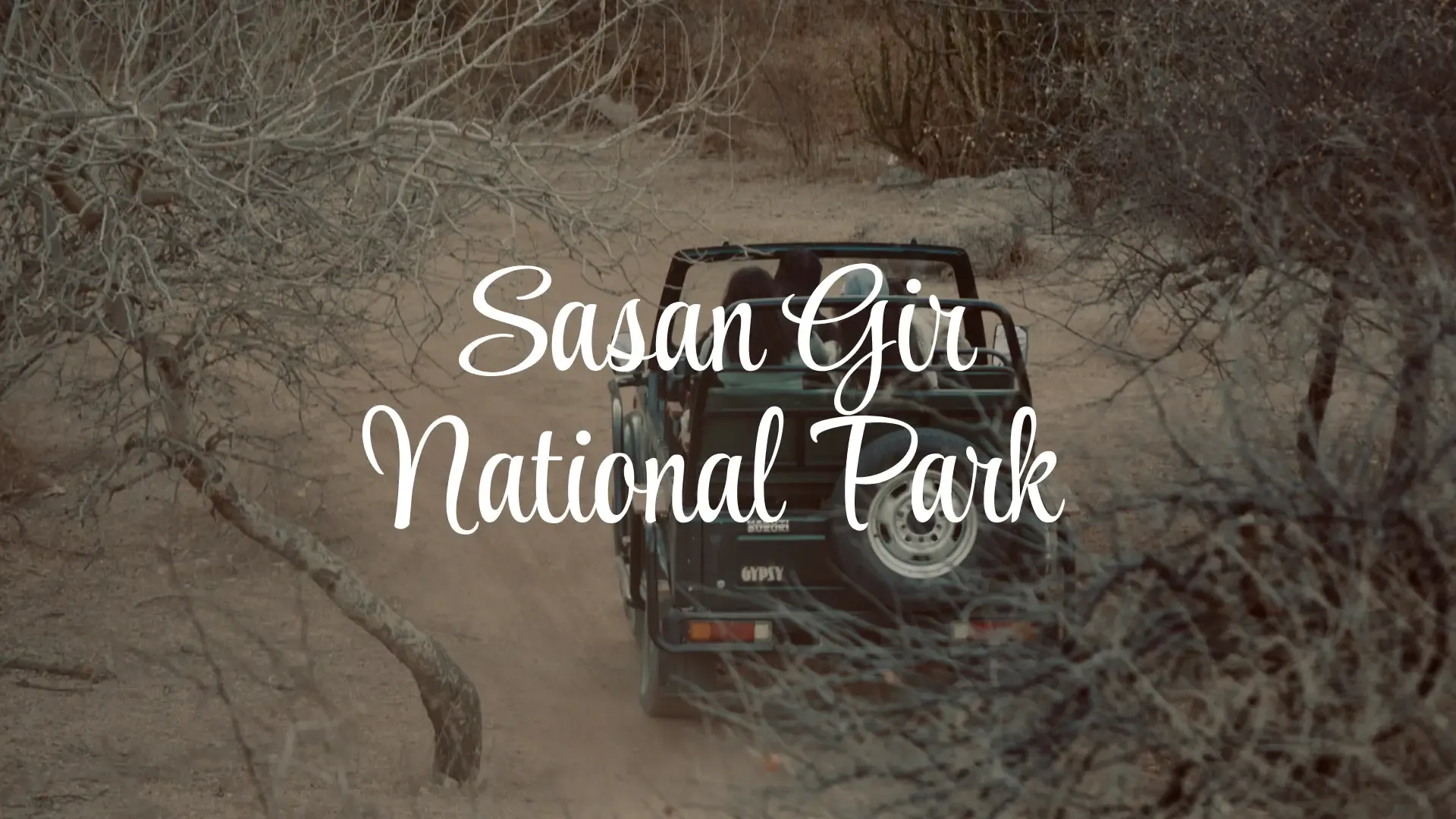
Day 2 (Girnar Ropeway & Sasan Gir National Park): Ride Asia's longest temple ropeway up Mount Girnar to explore ancient mountaintop temples. In the afternoon, drive 50 km to Sasan Gir National Park for an open-top gypsy safari in the wild lion sanctuary.
Multi-Modal How to Reach & Transit Guide
🚆 By Train (Best City Connection)
Junagadh Junction (JND - 3.5 km) connects daily express trains from Ahmedabad, Rajkot, Mumbai, and Somnath. Auto-rickshaws and app-based cabs reach Sakkarbaug Zoo from the station in under 10 minutes.
🚗 By Road & National Highways
From Rajkot (100 km / 2 hrs): Via Jetpur along NH-151. From Ahmedabad (315 km / 5.5 hrs): Via Limbdi and Gondal along NH-47 and NH-151. From Somnath (85 km / 1.5 hrs): Via Keshod along NH-151.
✈️ By Air
Keshod Airport (IXK - 40 km / 45 min) offers direct regional flights to Mumbai. Rajkot International Airport (Hirasar - 105 km) operates nationwide domestic flights.
Authentic Kathiyawadi Food & Junagadh Treats
Visiting Sakkarbaug Zoo gives travelers access to Junagadh’s famous culinary offerings:
- Traditional Kathiyawadi Thali: Unlimited platters of Sev Tameta, Ringna no Olo, Rasawala Bataka, and hot Bajra no Rotlo served with pure desi ghee and fresh buttermilk.
- Junagadhi Kesar Mango Peda: Rich, fragrant sweet mawa pedas flavored with genuine pulp of Gir Kesar mangoes from the surrounding Talala groves.
- Spicy Street Ghughra & Dabeli: Deep-fried potato pastry ghughras served hot with spicy green chutney and sweet date-tamarind sauce.
Visitor Guidelines & Zoo Etiquette
- Operating Schedule: Sakkarbaug Zoo is closed on Wednesdays for veterinary maintenance. Plan your visit between Thursday and Tuesday.
- Battery-Operated Eco-Vehicles: Because the zoo spans 208 acres, electric golf carts and battery-operated vans are available for nominal charges (₹50 per person) for senior citizens and families.
- Wildlife Respect: Feeding animals, teasing wildlife, tapping enclosure glass, and bringing single-use plastic bottles into animal zones are strictly prohibited by the Gujarat Forest Department.