
 By Bharat travel guide
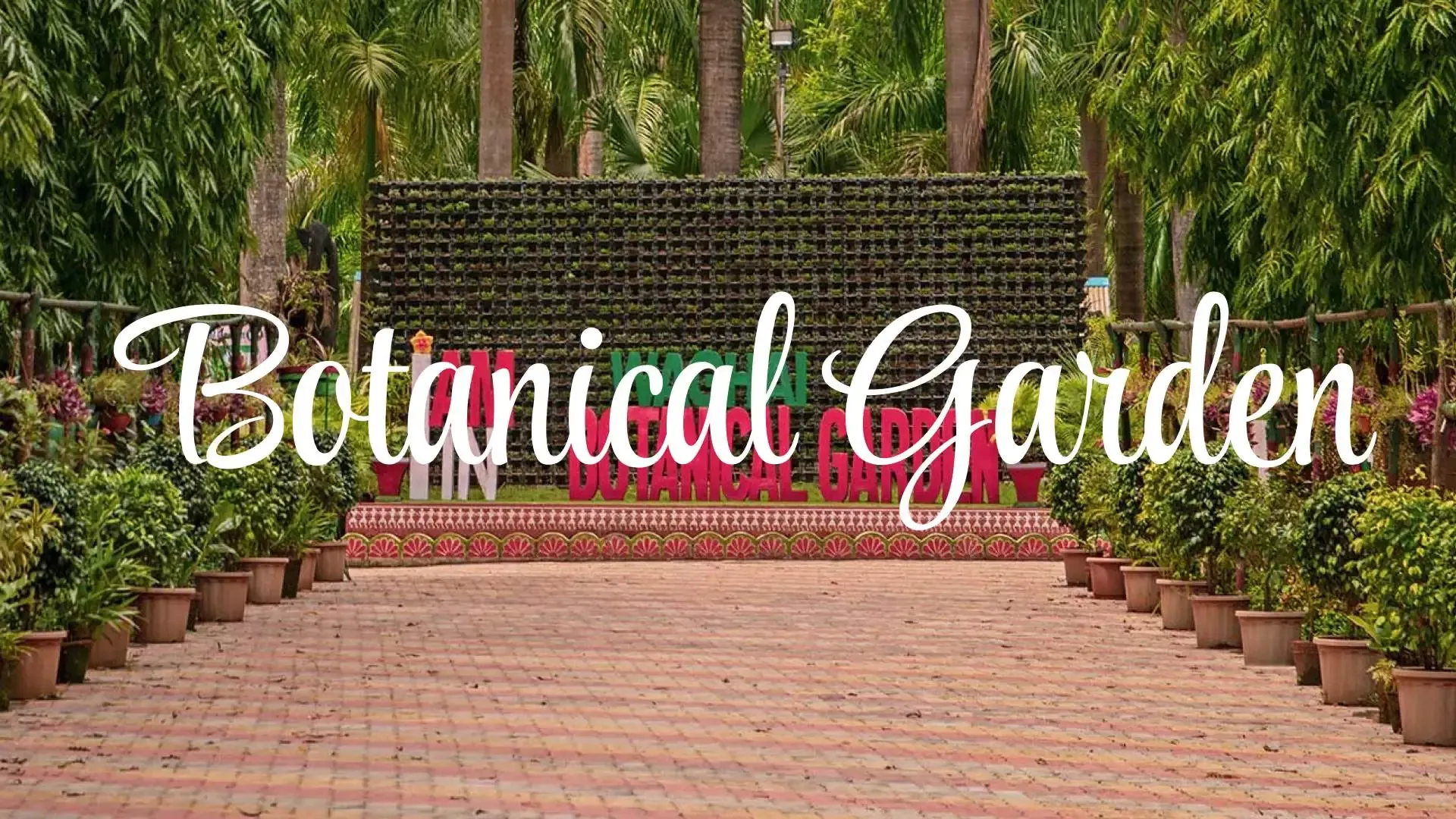
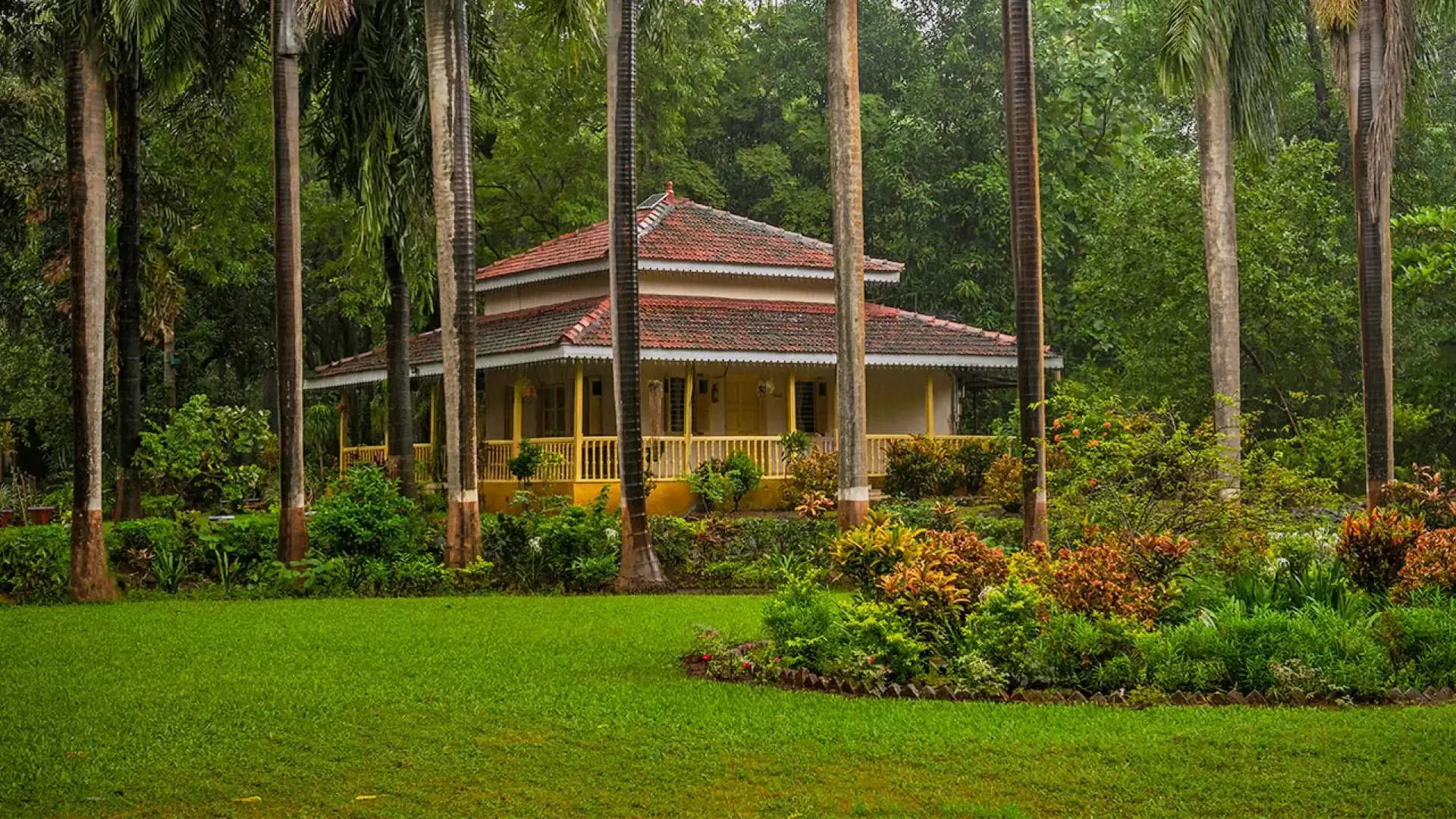
Sprawling over 24 hectares (nearly 60 acres) along the banks of the sacred Ambika River at the threshold of the Sahyadri mountains in South Gujarat's Dang district, the Waghai Botanical Garden is Gujarat's largest botanical garden and premier plant conservation reserve. Established in 1966 by the Gujarat State Forest Department, this living ecological wonderland preserves more than 1,400 indigenous and exotic plant species from across the globe, serving as an irreplaceable genetic repository and educational center.
Divided into ten scientifically curated botanical demonstration plots—including an extensive Bamboo Grove with over 20 distinct species, a dramatic Cacti and Succulent Garden, a rich Medicinal Herbal Park, an exotic Orchidarium, and a dense Evergreen Forest canopy—Waghai Botanical Garden provides an enchanting experience for nature enthusiasts, botanists, and traveling families. Located just 3 kilometers from the thunderous Gira Waterfall, it is the official gateway to the lush Dang wilderness.
📍 Waghai Botanical Garden: Fast Facts & Bio-Diversity Profile
| Established Year & Area | Founded in 1966 by Gujarat Forest Dept; Spans 24 hectares (59.3 acres) along Ambika River |
| Plant Diversity | Over 1,400 species across 10 specialized demonstration plots (Medicinal, Bamboo, Cacti, Orchids) |
| District & Region | Waghai Taluka, Dang District, South Gujarat (Western Ghats Sahyadri foothills) |
| Visiting Hours | 08:00 AM – 06:30 PM Daily (Open 365 days; Best morning hours: 08:00 AM – 11:00 AM) |
| Entry Ticket Prices | ₹20 for Adults | ₹10 for Children | ₹50 for Vehicle Parking |
| Nearest Rail Station | Waghai Railway Station (Heritage Narrow Gauge - 1.5 km) | Bilimora Junction (BG - 60 km) |
Key Botanical Plots & Highlights in Waghai
- The Comprehensive Bamboo Plot (Bambusetum): Preserving more than 20 indigenous and Asian bamboo varieties—including Giant Bamboo (Dendrocalamus giganteus), Golden Bamboo, and Thorny Bamboo—this plot showcases the immense ecological and economic significance of bamboo to Dangi tribal livelihoods.
- Medicinal Herbal Garden (Aushadhiya Van): Houses over 100 varieties of rare medicinal plants, roots, and Ayurvedic herbs used for centuries by Dangi tribal vaidyas (healers)—including Ashwagandha, Kalmegh, Sarpagandha, Shatavari, and Guggal, complete with botanical information plaques.
- Cacti & Desert Succulent House: A specialized glasshouse and landscaped rockery displaying hundreds of desert cacti, agaves, aloes, and euphorbias collected from arid zones across India and Africa.
- The Evergreen & Deciduous Forest Plots: Dense plots recreating the native moist deciduous and semi-evergreen forest ecosystems of the Western Ghats, featuring ancient Teak (Tectona grandis), Mahua, Haldu, and Sissoo trees where woodpeckers, hornbills, and paradise flycatchers nest.
- Gira Waterfall Proximity (3 km away): Located just minutes away, the thunderous Gira Waterfall plunges 30 meters over volcanic basalt rocks into the Ambika River, creating a magnificent spray-filled spectacle during the monsoons.
- Historic Waghai Narrow Gauge Railway Station: Built in 1914 by Maharaja Sayajirao Gaekwad III of Baroda to transport valuable teak wood, the charming narrow-gauge diesel railcar still operates daily between Bilimora and Waghai, offering a nostalgic heritage journey through the forest.
Optimized 1-Day & 2-Day Travel Itineraries
Waghai Garden, Bamboo Plots & Gira Waterfall
07:30 AM – 09:30 AM: Drive from Surat (110 km / 2.5 hrs) via Bardoli and Vyara to Waghai.
09:45 AM – 12:30 PM: Explore the Waghai Botanical Garden: walk through the Bamboo plot, tour the medicinal herbal garden, and admire the cacti glasshouse.
12:45 PM – 02:00 PM: Enjoy an authentic Dangi tribal lunch in Waghai (Nagli rotla, bamboo shoot curry, and fresh country dal).
02:15 PM – 04:30 PM: Drive 3 km to Gira Waterfall on the Ambika River. Photograph the roaring 30-meter cascade and browse local tribal bamboo handicraft stalls.
04:45 PM – 05:30 PM: Visit the vintage 1914 Waghai Narrow Gauge Railway Station before commencing the return journey.
Waghai Garden, Gira Falls & Saputara Hill Station
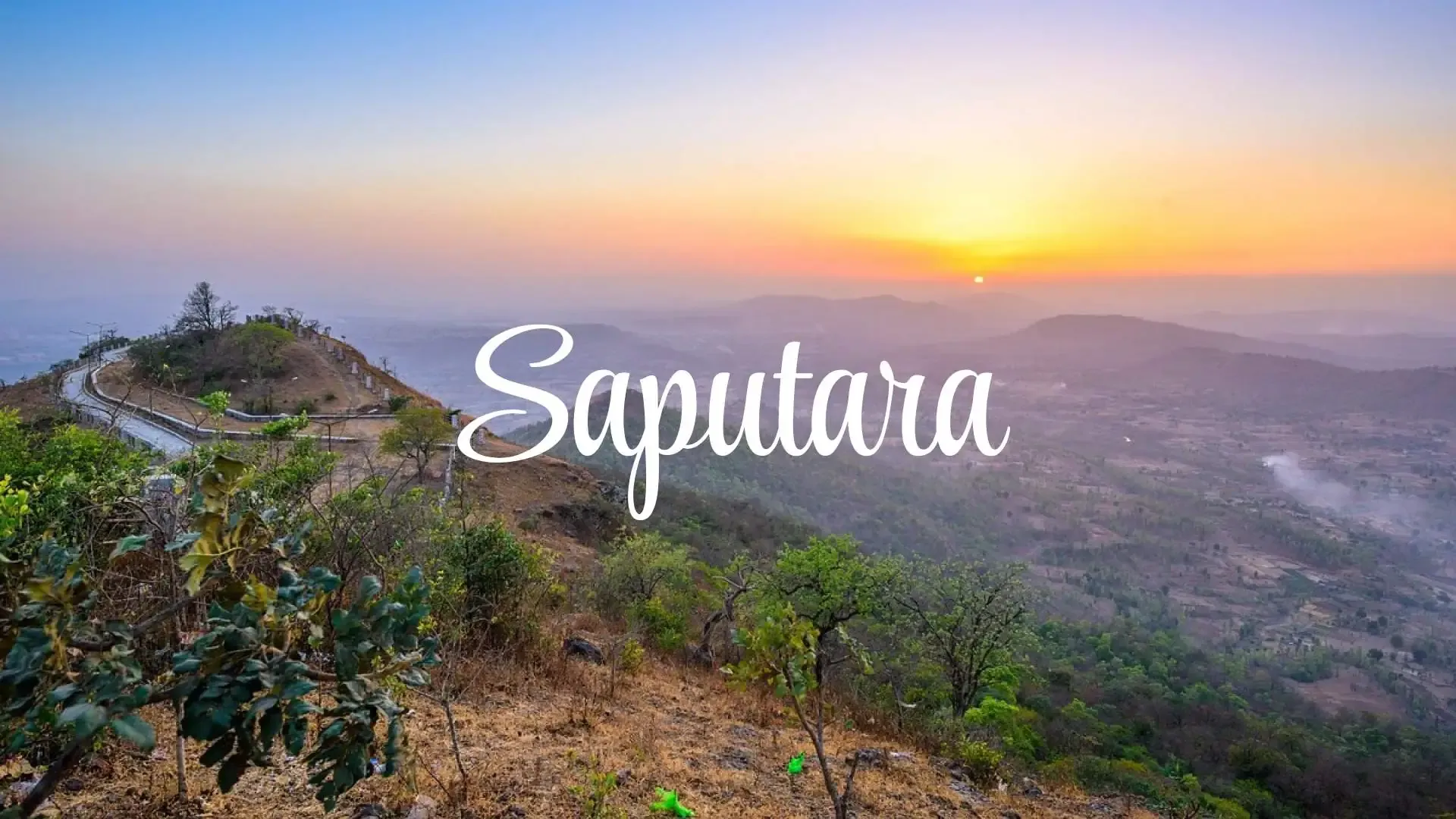
Day 1 (Waghai Ecology & Waterfalls): Tour the Botanical Garden and Gira Waterfall. Visit the Waghai Bio-Diversity Centre. In the afternoon, ascend 50 km through Ahwa to Saputara Hill Station. Watch sunset from Sunset Point and stay overnight in Saputara.
Day 2 (Saputara Adventure & Tribal Crafts): Enjoy boating on Saputara Lake, ride the ropeway, and visit the Artist Village to purchase authentic Warli paintings and bamboo art before returning.
Multi-Modal How to Reach & Transit Guide
🚗 By Road (Gateway to the Dang Hills)
From Surat (110 km / 2.5 hrs): Route via NH-53 through Bardoli, Vyara, and branch south toward Waghai along smooth state highways. From Saputara (50 km / 1.2 hrs): Descend the scenic mountain ghat via Ahwa. From Bilimora / Valsad (65 km / 1.5 hrs): Route via Chikhli and Vansda National Park.
🚆 By Train (Heritage Narrow Gauge)
Bilimora Junction (60 km) is the broad-gauge connection on the Western Railway mainline. From Bilimora, the Gaekwad-era heritage narrow-gauge passenger train travels through dense teak forests to terminate at Waghai Railway Station (1.5 km from the garden) twice daily.
✈️ By Air
Surat International Airport (STV - 115 km / 2.5 hrs) and Nashik Airport (130 km) are the nearest airports with direct flight connections across major Indian cities.
Authentic Dangi Cuisine & Tribal Delicacies
Visiting Waghai provides an authentic taste of indigenous, forest-grown Dang delicacies:
- Nagli (Ragi) Rotla & Fresh Makhan: Nutrient-rich, mineral-packed finger millet flatbreads cooked over firewood, served with homemade white butter and spicy garlic chutney.
- Vans no Sambharo: Tender young bamboo shoots harvested from local forests, sauteed with mustard seeds, green chilies, and fresh turmeric.
- Dangi Urad Dal & Brown Rice: Earthy, slow-cooked country lentils served over unpolished organic local rice.
- Pure Wild Forest Honey: Harvested by local tribal cooperatives from deep within the Dang teak forests, rich in natural medicinal qualities.
Visitor Guidelines & Garden Etiquette
- Best Time to Visit: July to February is the ideal period. Monsoons bring lush greenery and roaring water at nearby Gira Falls. Winter offers pleasant 15°C to 26°C weather perfect for walking the 24-hectare grounds.
- Walking Shoes & Hydration: Exploring all ten botanical plots requires approximately 2 to 3 kilometers of walking along shaded paved trails. Wear comfortable walking shoes and carry drinking water.
- Plant Conservation: Plucking leaves, flowers, seeds, or medicinal roots is strictly prohibited to protect the genetic repository.