
 By Bharat travel guide
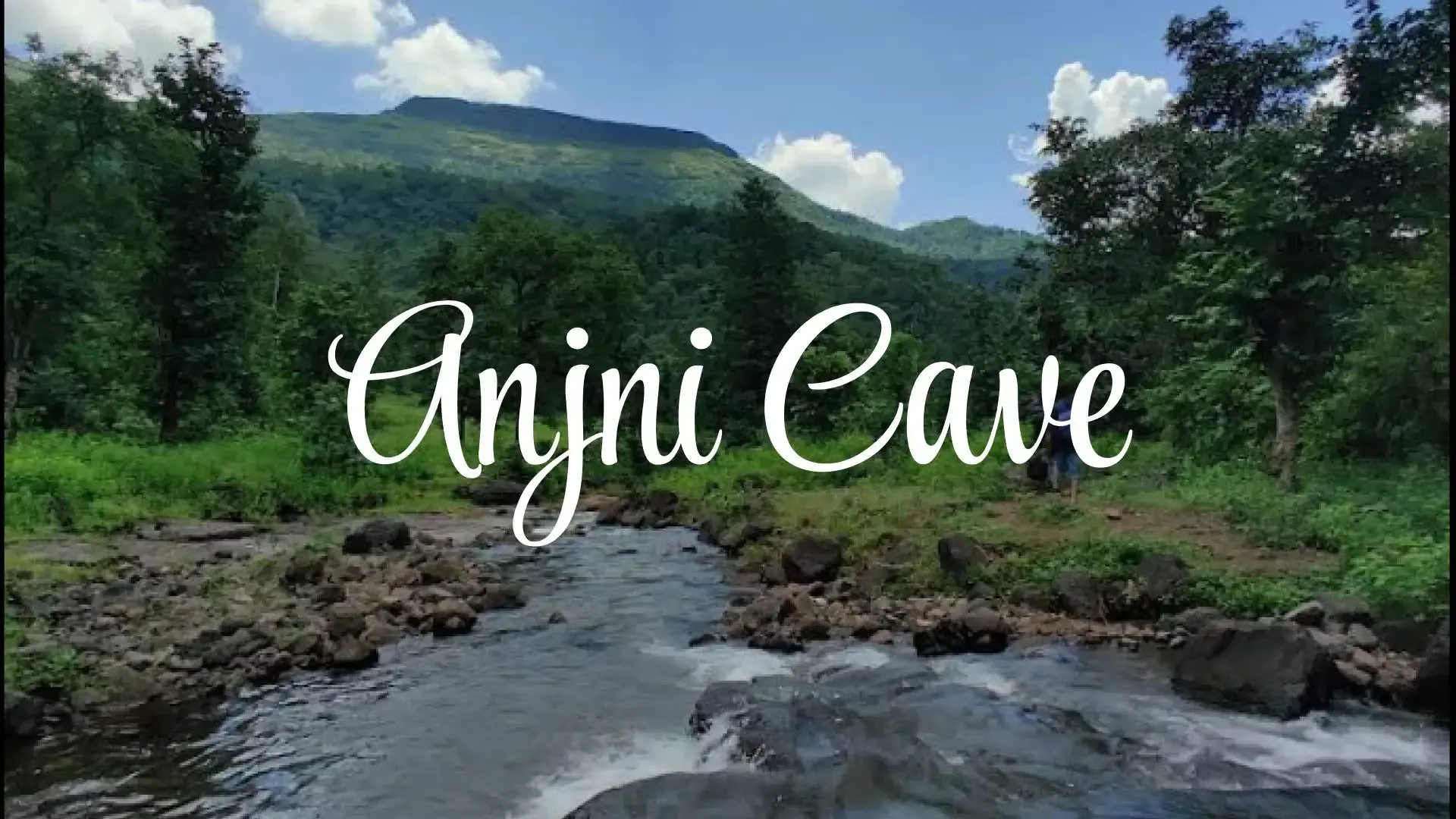
Tucked deep within the sacred, mist-covered mountain valleys of the Sahyadri range in South Gujarat's Dang district near the Maharashtra border, Anjni Cave (also revered locally as Anjani Kund) is one of India's most venerated mythological pilgrimage sites. According to ancient Hindu folklore and regional traditions of the Dandakaranya forest, this secluded cavern atop Anjaneri Hill is the sacred hermitage where Mata Anjani performed intense penance (tapasya) to Lord Shiva and gave birth to Lord Hanuman (Pavanputra).
Enclosed by ancient teak trees, wild bamboo thickets, perennial mountain springs, and dramatic basalt escarpments, Anjni Cave provides pilgrims and nature lovers a deeply spiritual sanctuary far removed from modern commercialization. With stone-hewn shrines sheltering idols of Mata Anjani and child Hanuman (Bal Hanuman), the site connects intimately with other holy Dandakaranya Ramayana landmarks including Shabari Dham and Pampa Sarovar in the Dang district.
📍 Anjni Cave Dang: Sacred Geography & Fast Facts
| Mythological Status | Venerated birthplace of Lord Hanuman; Tapobhumi of Mata Anjani in Dandakaranya |
| District & Region | Ahwa Taluka, Dang District, South Gujarat (Sahyadri Mountain Range) |
| Visiting Hours | 06:00 AM – 06:00 PM Daily (Trekking after dusk is prohibited for forest safety) |
| Trek Duration & Terrain | Easy to Moderate 45-minute stone trail hike through shaded forest canopy |
| Nearest Railhead | Waghai Railway Station (NG - 45 km) | Bilimora Junction (BG - 105 km) |
| Nearest Major Airports | Surat International Airport (STV - 155 km) | Nashik Airport (OZ - 85 km) |
Key Attractions & Sacred Highlights Around Anjni Cave
- The Sacred Anjni Cave Sanctum: A naturally formed cavern sheltered under a massive overhanging basalt cliff. The inner sanctum houses an ancient stone murti of Mata Anjani holding infant Hanuman on her lap, smeared in vermilion (sindoor) and decorated with fresh forest marigold garlands. The tranquil acoustics inside the cave echo with peaceful reverberations of the Hanuman Chalisa.
- Perennial Anjani Kund: A natural freshwater rock cistern located just outside the cave entrance where pure mountain groundwater trickles continuously through mossy rock crevices. Devotees perform ritual cleansing before entering the cave and consider the water sacred and healing.
- Panoramic Sahyadri Cliff Viewpoints: The ridge path leading up to Anjni Cave commands breathtaking vistas of undulating green valleys, winding ghat roads, terraced paddy fields, and distant peaks rising into Maharashtra. During monsoon mornings, clouds drift right through the cave opening.
- Shabari Dham & Pampa Sarovar Circuit (Subir): Situated approximately 40 km from Anjni Cave, Shabari Dham marks the mythological spot where Shabari offered sweet berries (ber) to Lord Rama and Lakshmana during their exile, featuring three carved stones where Rama, Lakshmana, and Shabari sat.
- Pristine Dang Forest Trails: The trail to the cave winds through dense deciduous woods teeming with medicinal herbs, wild bamboo groves, giant Indian squirrels, hornbills, and exotic butterflies, tended by the hospitable Kokna and Bhil tribal villagers.
Optimized 1-Day & 2-Day Travel Itineraries
Ahwa to Anjni Cave & Anjani Kund
07:00 AM – 09:30 AM: Drive from Surat (155 km / 3.5 hrs) via Waghai to Ahwa, or from Saputara (65 km / 1.5 hrs). Proceed toward the Anjni base village.
09:45 AM – 10:45 AM: Begin the gentle 45-minute stone trail hike through shaded bamboo woods up to Anjni Cave.
10:45 AM – 01:00 PM: Offer prayers at the sanctum of Mata Anjani and Bal Hanuman, recite the Hanuman Chalisa, and collect holy water from Anjani Kund. Absorb the peaceful silence of the cave.
01:15 PM – 02:30 PM: Savor a traditional Dangi tribal meal at the base village featuring Nagli (ragi) rotla, fresh country lentils, and wild herbal chutney.
02:45 PM – 04:30 PM: Explore the panoramic mountain cliff viewpoints overlooking the Dandakaranya forest valleys before descending back to Ahwa.
Anjni Cave, Shabari Dham, Pampa Sarovar & Saputara
Day 1 (Hanuman Birthplace & Holy Springs): Trek to Anjni Cave, spend time in deep meditation, and visit Anjani Kund. In the afternoon, drive 40 km to Subir to explore the monumental temple of Shabari Dham and the serene waters of Pampa Sarovar. Stay overnight in Ahwa or Saputara.
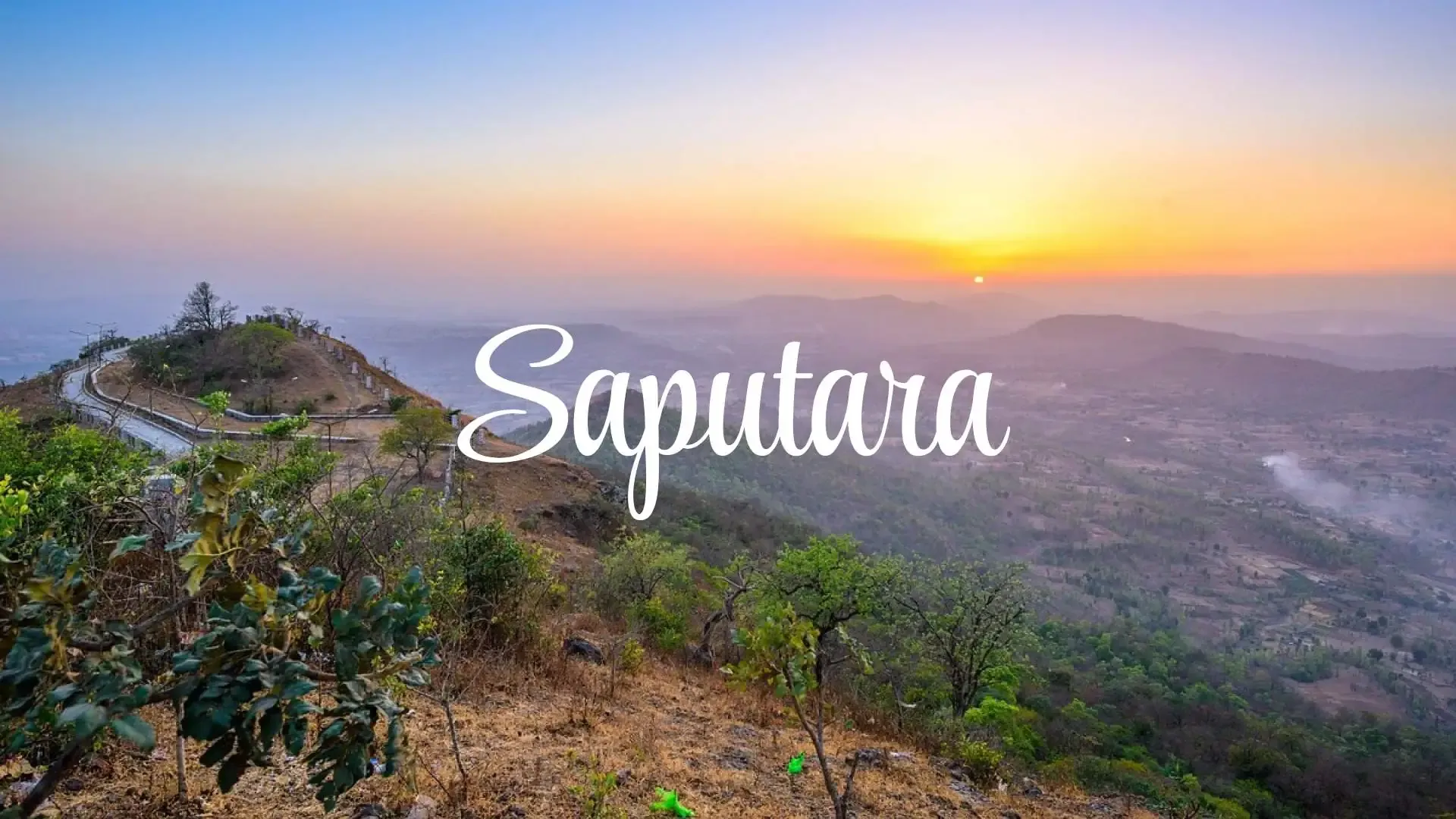
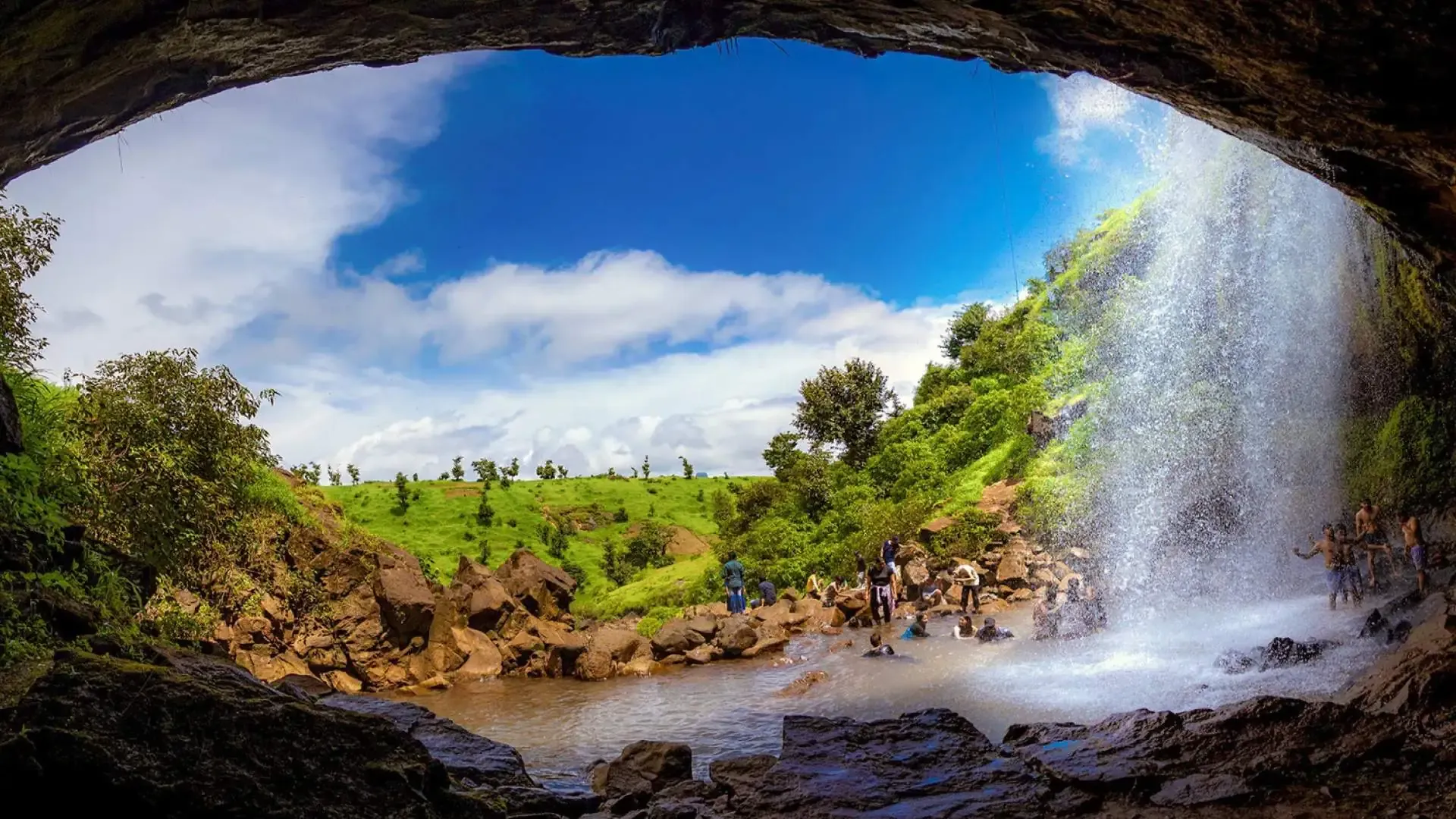
Day 2 (Saputara Hill Station & Gira Falls): Enjoy sunrise from Sunset Point in Saputara, take a boat ride on Saputara Lake, and visit the Artist Village. On your return toward Bilimora, stop at the thunderous Gira Waterfalls on the Ambika River.
Multi-Modal How to Reach & Transit Guide
🚗 By Road & Ghat Drive (Most Recommended)
From Surat (155 km / 3.5 hrs): Route via Bardoli – Vyara – Waghai – Ahwa, then follow rural state roads toward Anjni hill base. From Saputara (65 km / 1.5 hrs): Drive north through Ahwa along scenic pine and teak-fringed mountain roads. From Nashik (85 km / 2 hrs): Route via Dindori and Surgana across the Maharashtra border into Dang.
🚆 By Train
The closest broad-gauge railway junction is Bilimora Junction (105 km) on the Western Railway Mumbai-Ahmedabad mainline. The heritage narrow-gauge rail operates from Bilimora to Waghai (45 km away). GSRTC state transport buses and local shared jeeps connect Waghai and Ahwa to the base villages.
✈️ By Air
Nashik Airport (85 km) and Surat International Airport (155 km) are the nearest airports with direct flight connections across major Indian cities.
Authentic Dangi Cuisine & Tribal Flavors
Visiting Anjni Cave allows travelers to savor wholesome, indigenous organic dishes:
- Nagli (Ragi) no Rotlo: Earthy finger-millet flatbread baked over clay chulhas, loaded with calcium and iron, served with fresh churned butter.
- Vans no Sambharo: Stir-fried tender bamboo shoots tossed with green chilies, mustard seeds, and fresh turmeric.
- Dangi Urad Dal & Desi Rice: Slow-simmered black gram lentils flavored with wild forest herbs and garlic, served over unpolished country rice.
- Pure Forest Dang Honey: Rich, golden multifloral honey gathered from wild hives in the teak forests by tribal cooperatives.
Visitor Guidelines & Spiritual Etiquette
- Best Time to Visit: Monsoon (July to September) transforms the entire hill into a paradise of waterfalls and swirling mists. Winter (October to February) offers cool, sunny weather perfect for hiking and temple meditation.
- Trek Gear & Hydration: Wear sports or trekking shoes with good grip, as rock surfaces near the cave and springs can be damp. Carry a refillable water bottle and a small flashlight.
- Preserve Forest Serenity: Maintain silence inside the cave sanctuary. Avoid playing loud music or littering plastic wrappers along the mountain trail.