 By Bharat travel guide
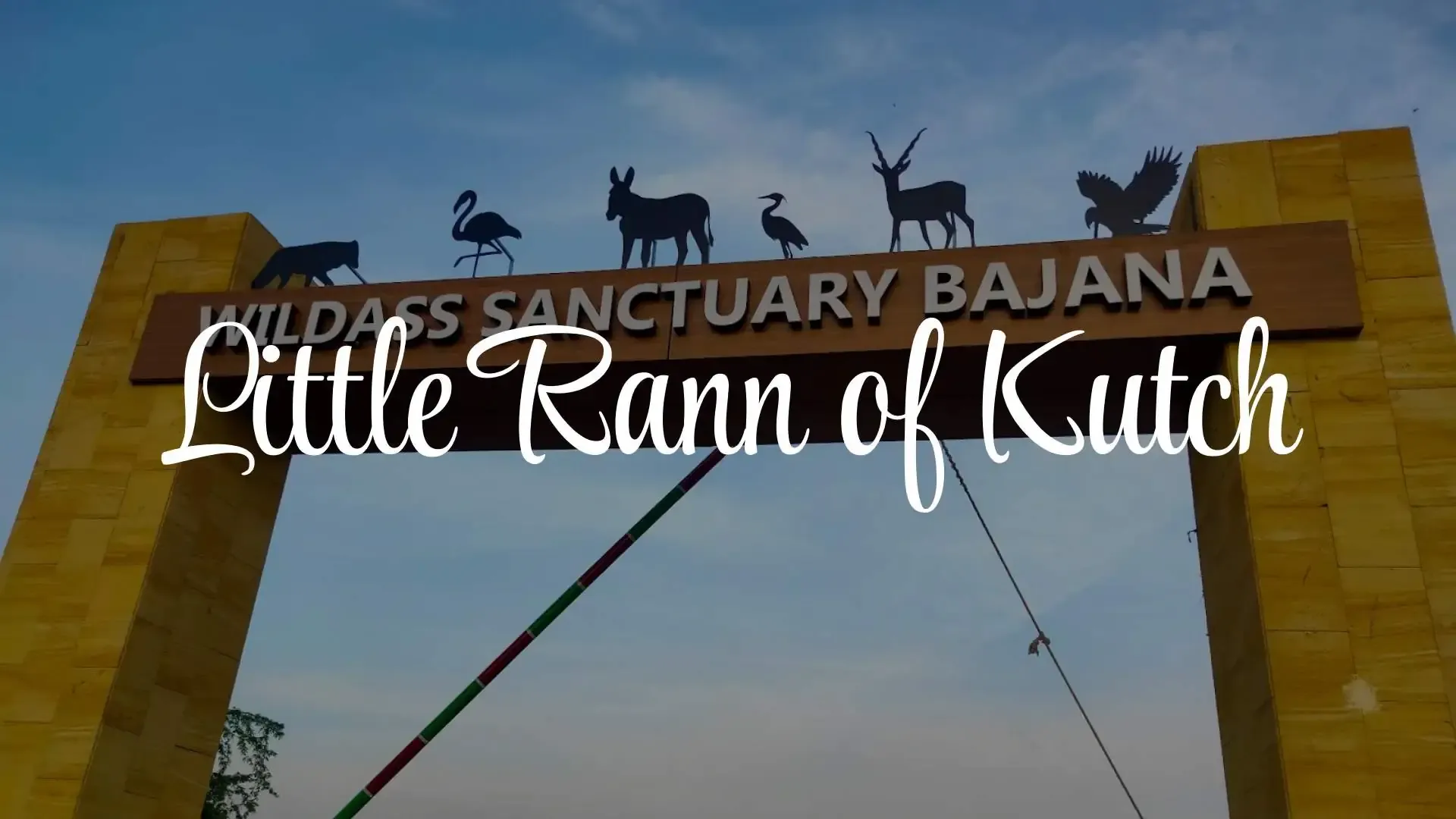
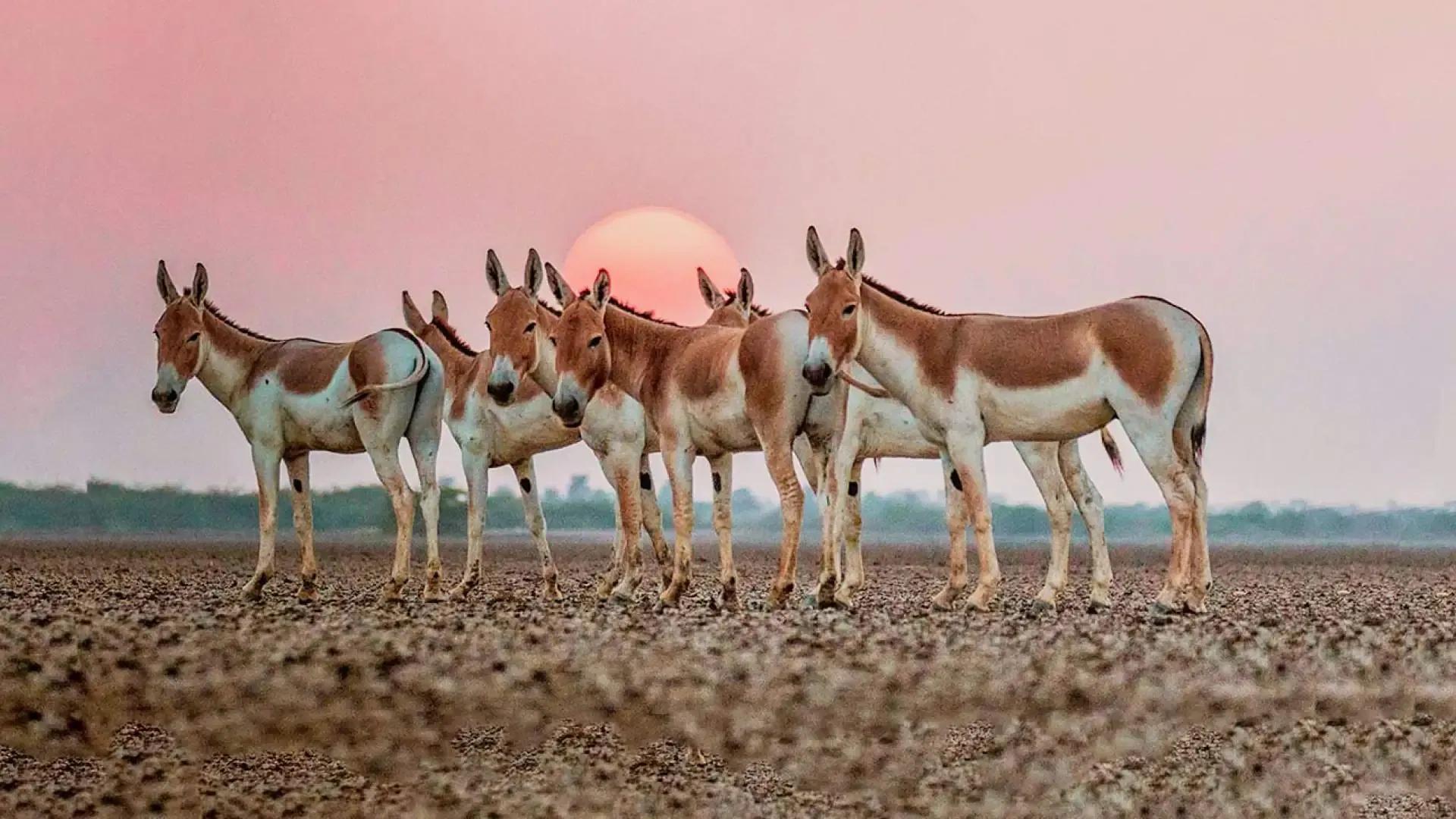
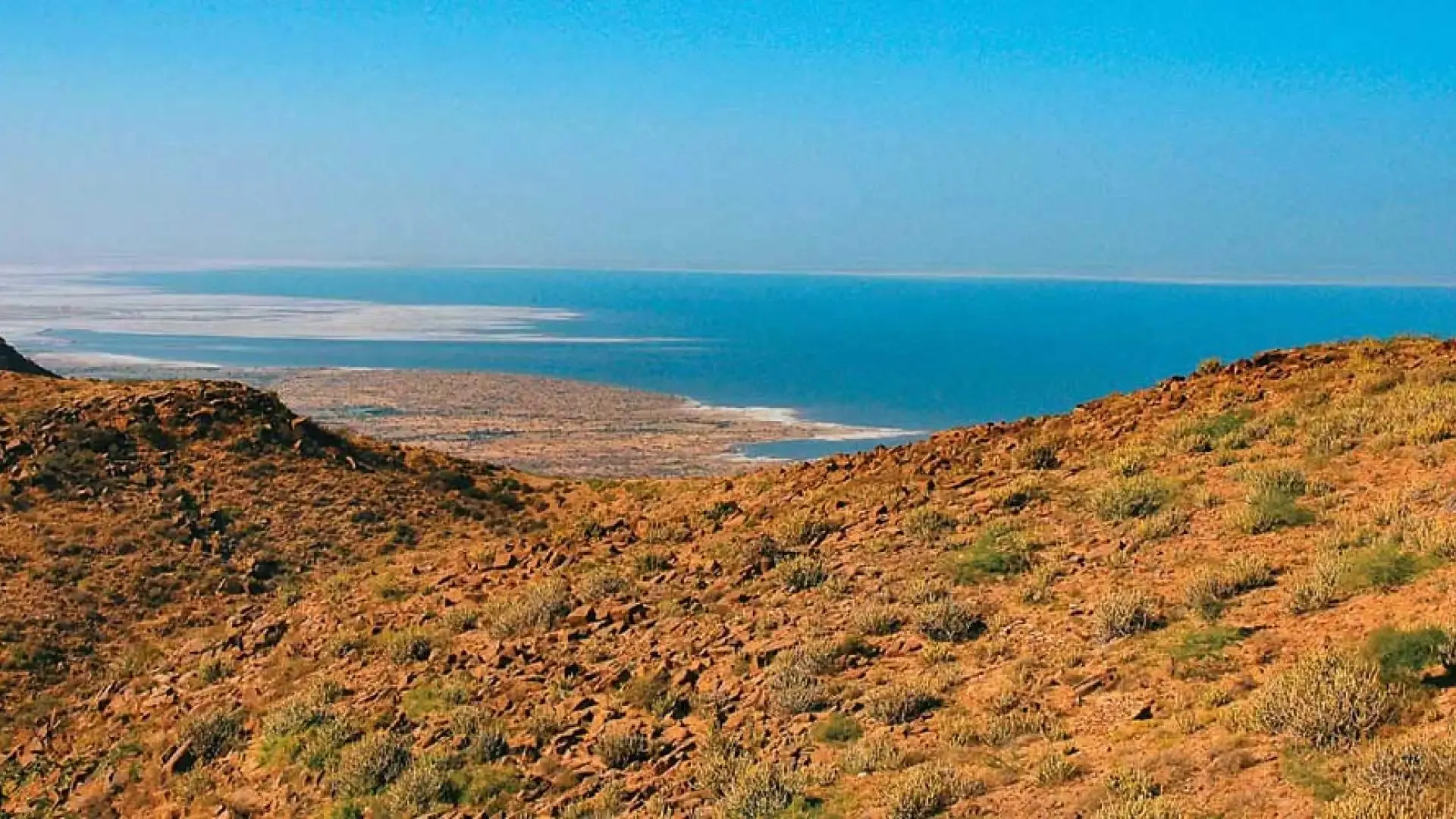
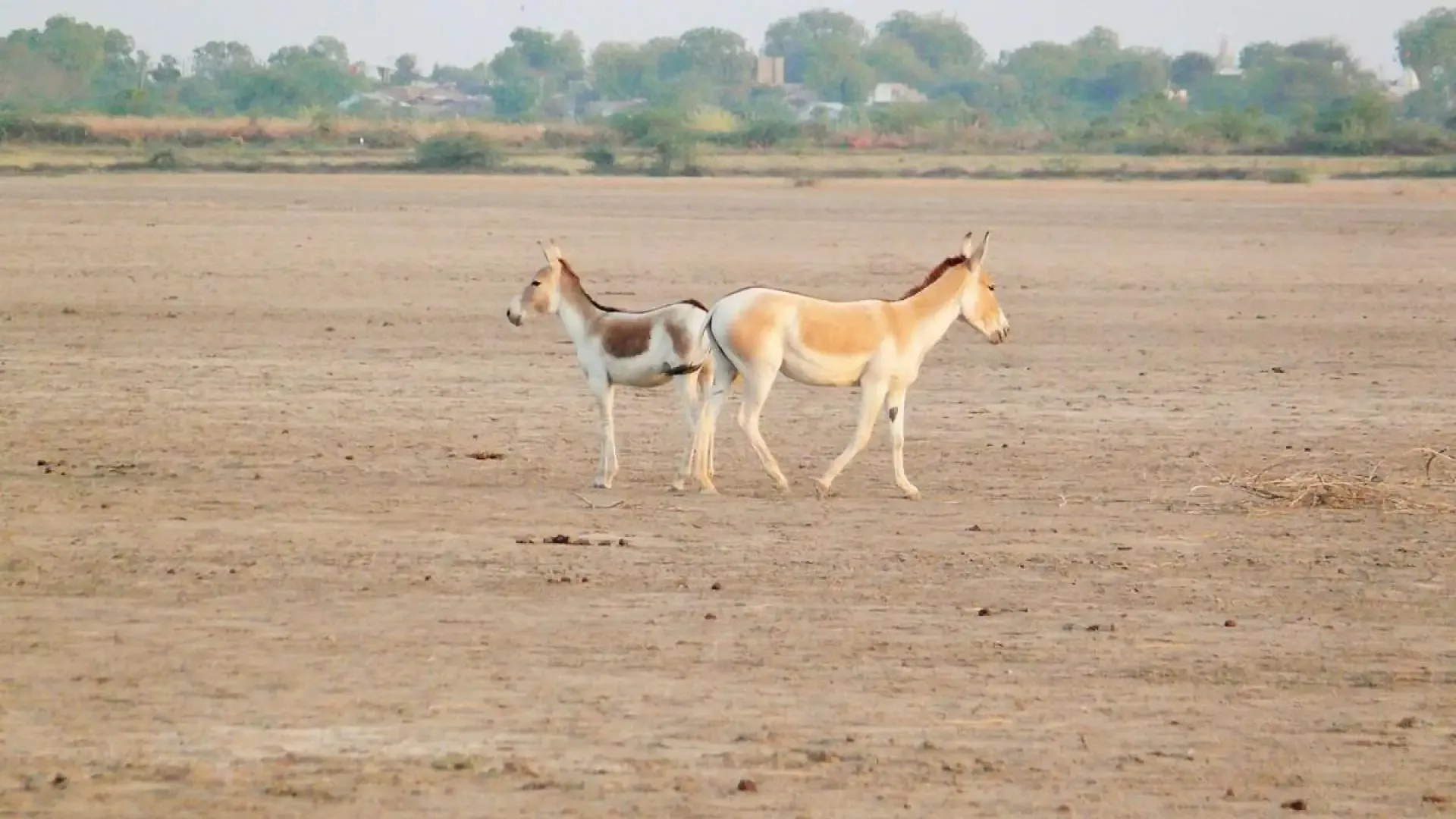
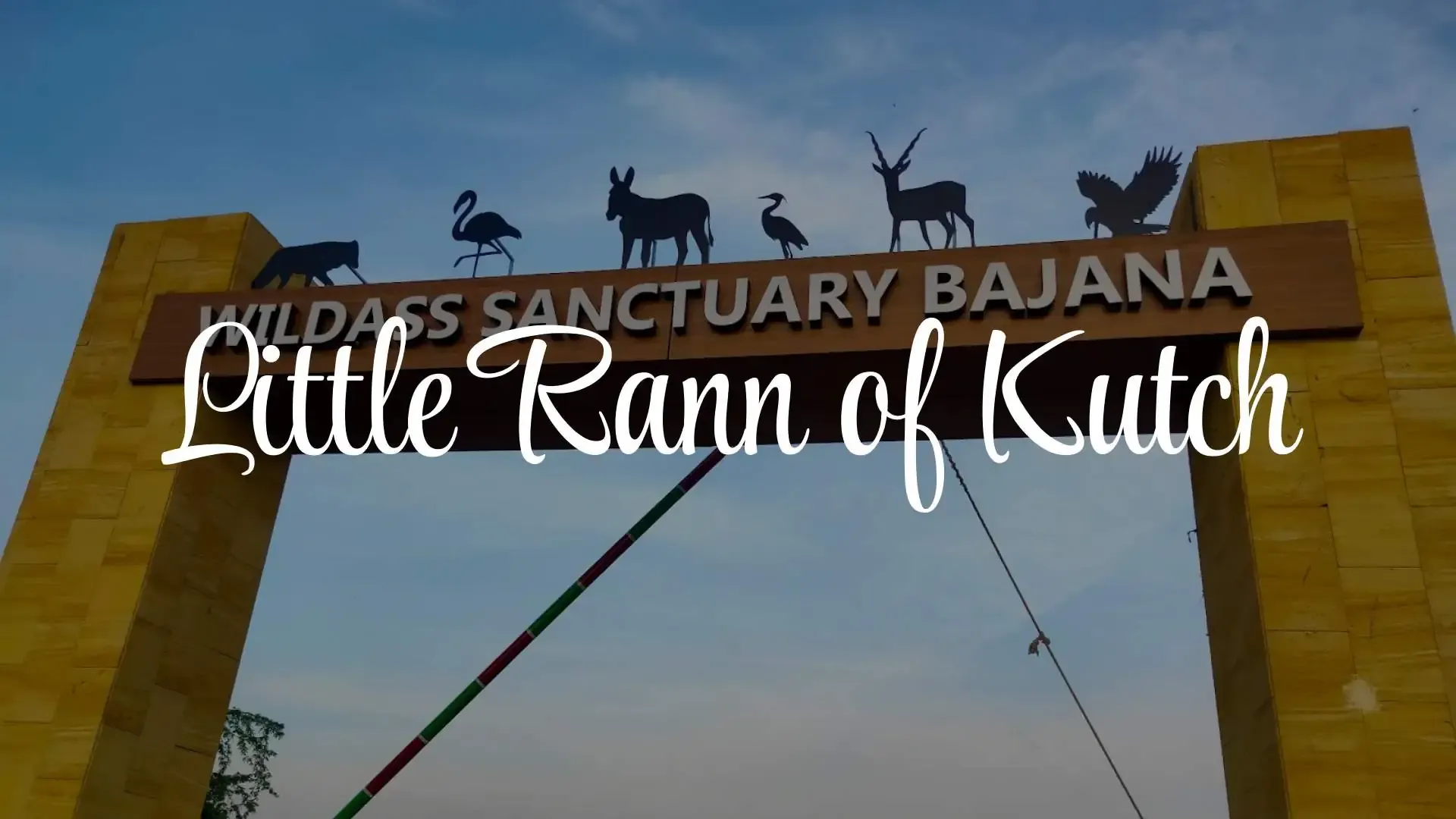
Sprawling over an immense 4,953 square kilometers across the districts of Surendranagar, Patan, Morbi, and Banaskantha in Gujarat, the Little Rann of Kutch (Wild Ass Sanctuary) is one of the most surreal and ecologically extraordinary landscapes on Earth. A vast, seasonal wetland-turned-cracked salt marsh, the Little Rann is universally celebrated as the world's last remaining refuge of the endangered Indian Wild Ass (Equus hemionus khur, known locally in Gujarati as the Ghudkhur).
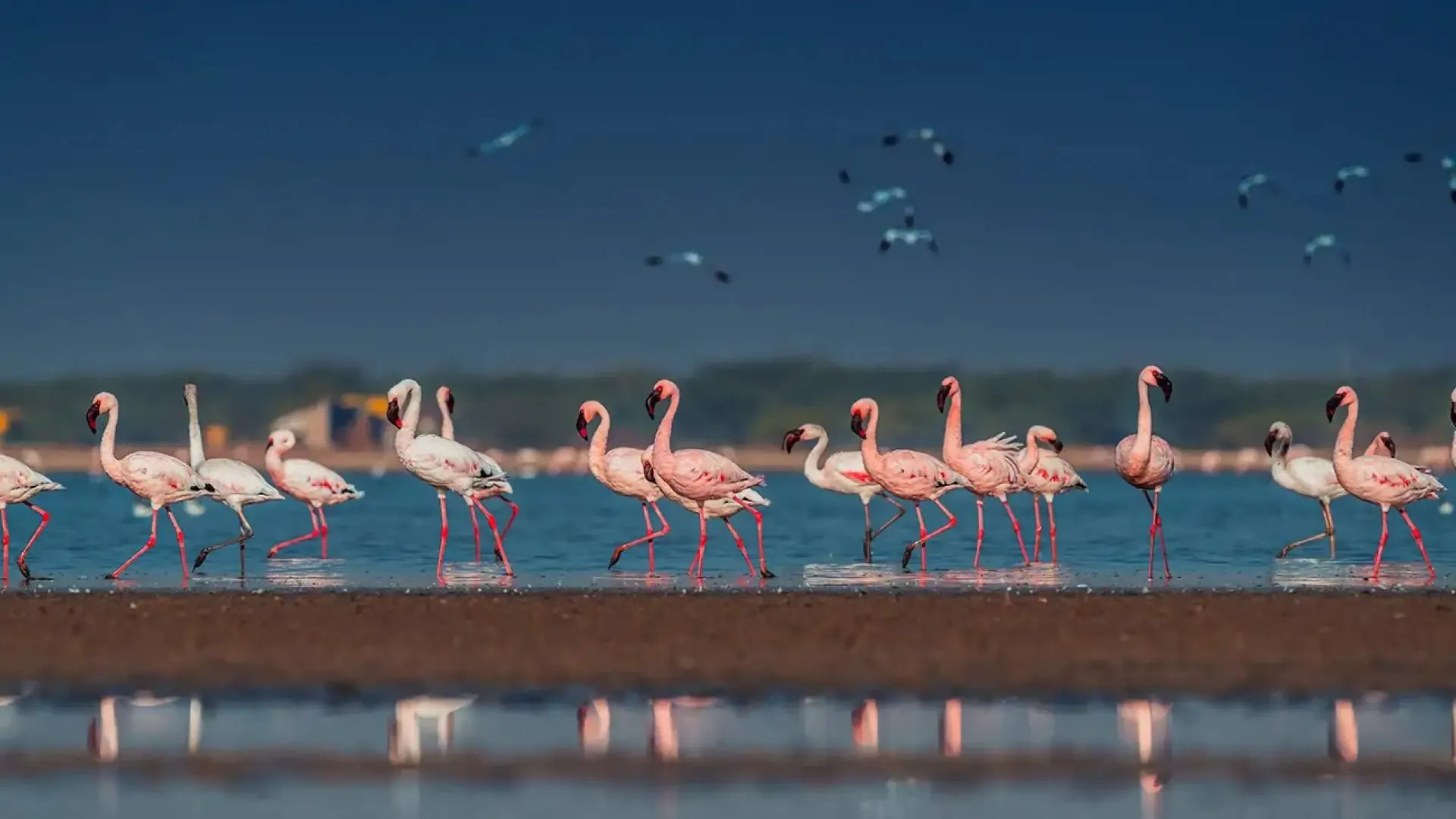
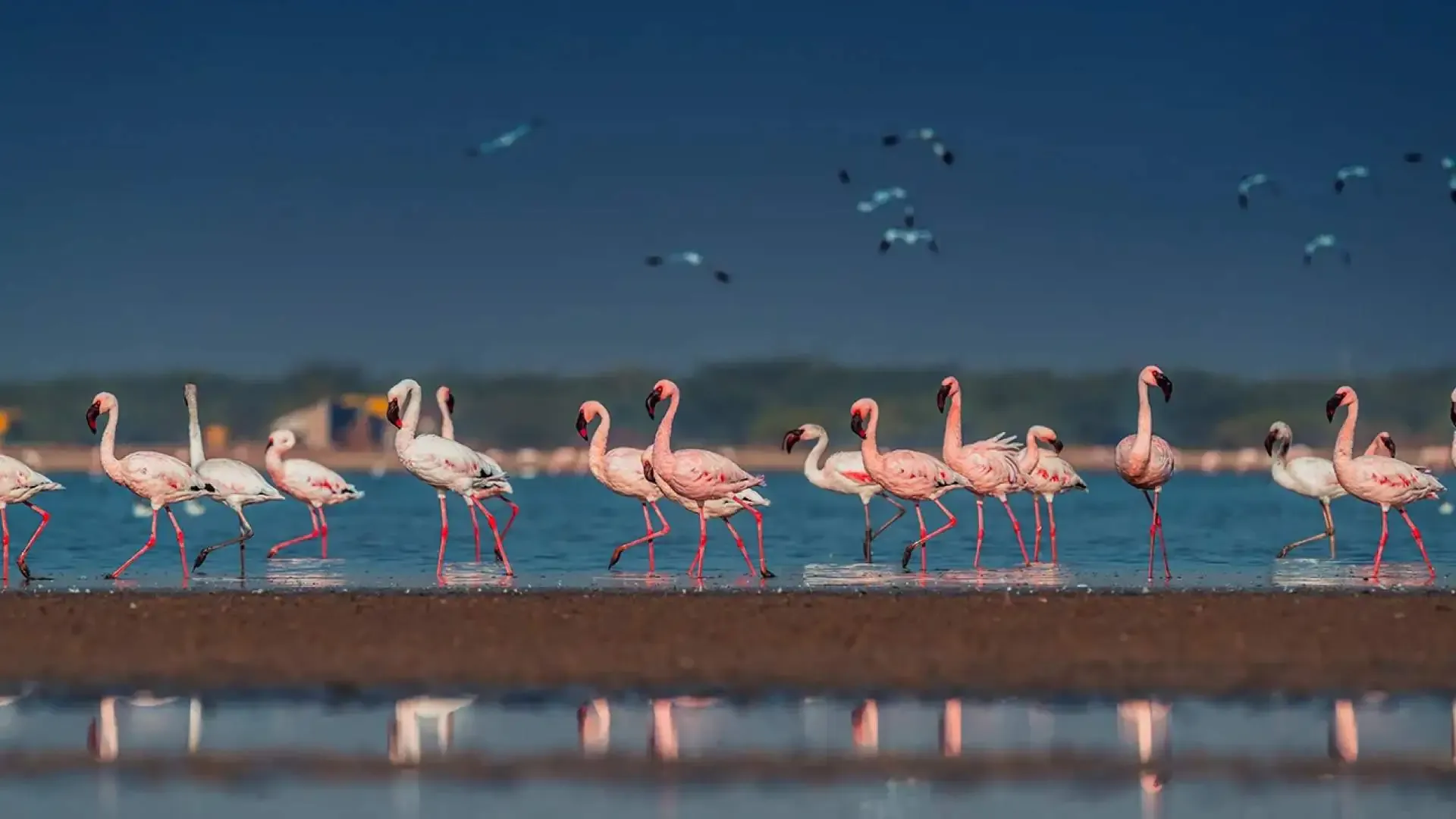
During the dry winter months from November to March, receding monsoon waters transform this inland sea into a blindingly white expanse of sun-baked mud flats, shimmering salt crystals, and mirages. Here, herds of muscular chestnut-and-white wild asses sprint across the flats at speeds exceeding 50 km/h, sharing the desert with desert foxes, striped hyenas, and thousands of migratory flamingos, while traditional Agariya salt-farming families hand-harvest crystal sea salt using centuries-old brine extraction methods.
📍 Little Rann of Kutch: Wildlife Reserve Profile & Fast Facts
| Sanctuary Status & Area | Indian Wild Ass Sanctuary (Established 1973); Spans 4,953.7 sq. km (World Biosphere Reserve) |
| Flagship Endangered Species | Indian Wild Ass (Equus hemionus khur - Ghudkhur); Over 6,000 individuals protected here |
| Key Safari Base Towns | Dasada (Surendranagar) & Zainabad (Patdi) — Gateway to safari entry check-posts |
| Safari Timings | Morning Safari: 06:30 AM – 10:00 AM | Afternoon Safari: 03:00 PM – 06:30 PM (Closed July to Oct) |
| Nearest Rail Station | Viramgam Junction (VG - 45 km, approx. 50 min drive) |
| Nearest Major Airport | Sardar Vallabhbhai Patel International Airport, Ahmedabad (AMD - 130 km, 2.5 hrs) |
Key Attractions & Wildlife Safari Highlights in the Little Rann
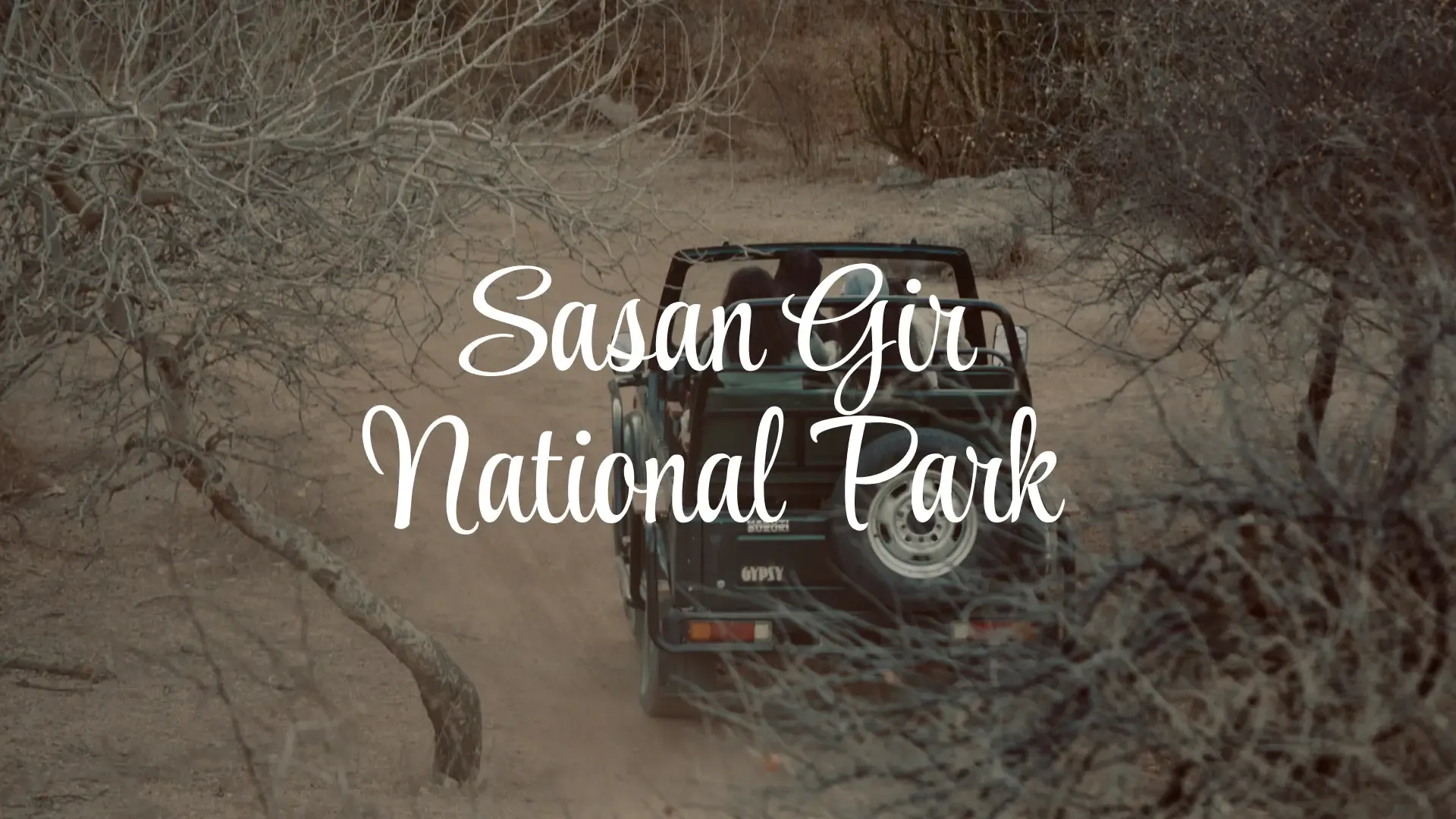
- 4x4 Open-Jeep Desert Safaris: Venturing across the cracked mud plains in rugged open-top 4WD safari vehicles with experienced local naturalists. Driving across the flat, featureless horizon where sky and earth merge is an unforgettable trans-desert experience.
- Tracking the Indian Wild Ass (Khur): The sanctuary shelters the world's only thriving population of the Khur. These magnificent equines are known for their golden-chestnut coats, dark dorsal stripes, and remarkable stamina, capable of sprinting across salt encrustations faster than safari jeeps.
- Bajana & Nawa Talao Waterfowl Wetlands: Seasonal water bodies along the southern rim of the sanctuary that host tens of thousands of Greater and Lesser Flamingos, pelicans, common cranes, demoiselle cranes, and bar-headed geese during the winter months.
- The Agariyas (Salt Farmers of Kutch): Meeting the resilient Agariya tribal community who live for eight months of the year on the salt pans, pumping saline groundwater from deep borewells into shallow evaporation ponds to hand-harvest pure inland marine crystal salt (Vadagara).
- Predators & Desert Raptors: The arid scrubland fringes shelter Indian desert foxes with fluffy black-tipped tails, golden jackals, striped hyenas, jungle cats, and rare raptors including steppe eagles, peregrine falcons, and short-eared owls.
Optimized 1-Day & 2-Day Safari Itineraries
Dawn Safari, Wild Ass Herds & Salt Pans
05:30 AM – 07:30 AM: Drive from Ahmedabad (130 km / 2 hrs) via Sanand and Viramgam to Dasada / Zainabad.
07:45 AM – 11:15 AM: Board a 4x4 open safari vehicle for a 3.5-hour desert safari. Spot herds of Indian Wild Ass, desert foxes, and explore the vast cracked mudflats.
11:30 AM – 01:00 PM: Visit an authentic Agariya salt pan to understand traditional inland salt cultivation.
01:15 PM – 02:45 PM: Enjoy an authentic Kathiyawadi feast at a desert eco-resort (Bajra no Rotlo with white butter, Sev Tameta, and fresh buttermilk).
03:00 PM – 05:30 PM: Take an afternoon birding safari around Bajana Lake to photograph flamingo colonies and pelicans before driving back to Ahmedabad.
Little Rann Camping, Modhera Sun Temple & Rani ki Vav
Day 1 (Wild Ass Sanctuary Safaris): Experience morning and afternoon open-jeep safaris across the Little Rann. Watch an incredible desert sunset over the salt flats. Stay overnight at a traditional Kutchi bhunga eco-cottage in Dasada under unpolluted starry skies.
Day 2 (UNESCO World Heritage Monuments): Drive 50 km to Modhera to admire the 11th-century Sun Temple and its magnificent stepwell. Continue 35 km to Patan to explore the world-renowned UNESCO World Heritage stepwell of Rani ki Vav and witness master Patola silk weavers before returning.
Multi-Modal How to Reach & Transit Guide
🚗 By Road from Ahmedabad (Easiest Route)
From Ahmedabad (130 km / 2.5 hrs): Take the 4-lane highway via Sanand – Viramgam – Mandal – Dasada / Zainabad. The route is smoothly surfaced with clear tourism signposts. From Rajkot (160 km / 3 hrs): Via Surendranagar and Patdi.
🚆 By Train
The closest railhead is Viramgam Junction (VG - 45 km), well-served by trains connecting Mumbai, Ahmedabad, Saurashtra, and Delhi. Alternatively, Ahmedabad Junction (130 km) offers nationwide superfast rail connections. Taxis can be pre-arranged through desert resorts in Dasada.
✈️ By Air
Sardar Vallabhbhai Patel International Airport, Ahmedabad (AMD - 130 km / 2.5 hrs) is the closest operational airport with daily flights from all major Indian metros and international destinations.
Authentic Kathiyawadi Cuisine & Desert Delicacies
Staying in the Little Rann of Kutch offers authentic rural Kathiyawadi hospitality and home-cooked meals:
- Bajra no Rotlo with White Butter: Thick, earthy pearl-millet flatbreads roasted over wood embers, accompanied by fresh homemade white cow butter and pure jaggery (Gaud).
- Ringna no Olo & Sev Tameta: Fire-smoked roasted eggplant mash tempered with garlic and cumin, and spicy sweet-sour tomato sev curry.
- Kathiyawadi Kadhi & Khichdi: Comforting slow-simmered rice and yellow moong lentils paired with spiced buttermilk kadhi.
- Sweet Sukhadi & Peda: Traditional jaggery-wheat-ghee fudge (sukhadi) and rich milk pedas served at village dhabas in Patdi and Dasada.
Visitor Guidelines, Safari Ethics & Tips
- Best Time to Visit: November to March is the official safari season with pleasant daytime temperatures (20°C to 28°C) and cool, starry nights. The sanctuary is completely closed during monsoons (July to October) when the entire basin floods into an inland sea.
- Do Not Chase Wildlife: The Indian Wild Ass is a protected species under Schedule I of the Wildlife Protection Act. Never urge safari drivers to chase wild asses across the salt flats; observe them quietly from a respectful distance with binoculars.
- Sun Protection: The salt flats reflect intense solar glare. Wear polarized sunglasses, a wide-brimmed sun hat, sunscreen, and carry plenty of drinking water.